
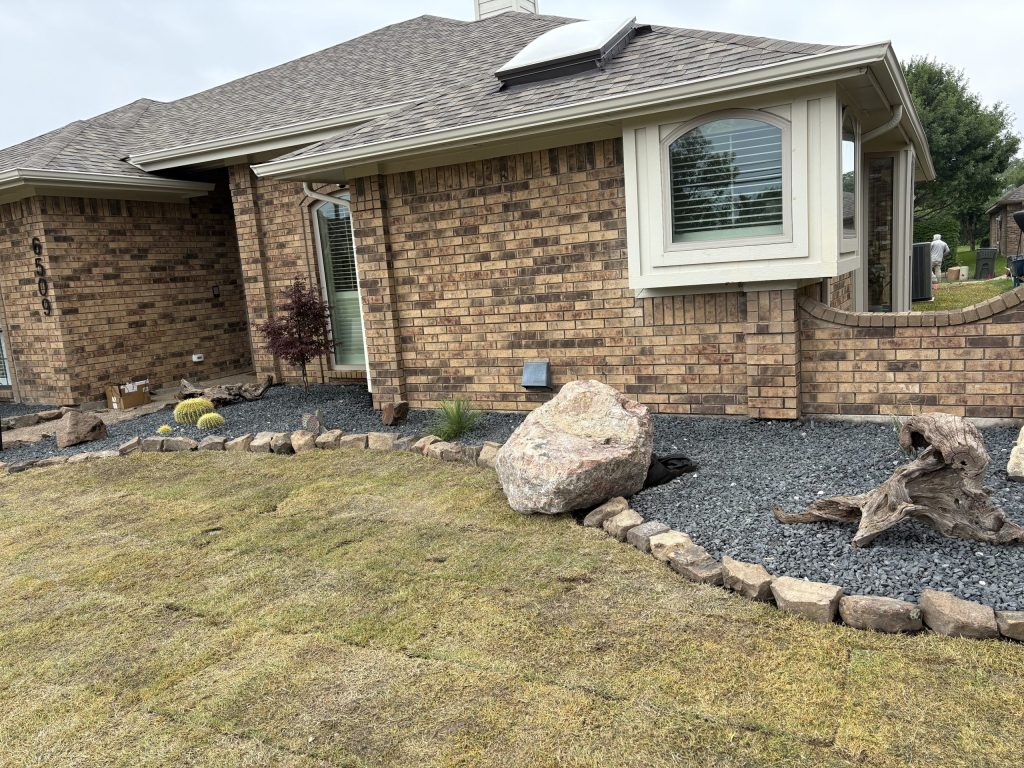
Thoughtful Landscape Removal for Safer, Better Results in Plano (and Collin County)
A common moment we see in Plano, TX happens right before a big upgrade: a homeowner or property manager looks at overgrown beds, tired plantings, and uneven ground—and decides the “removal part” can be handled quickly. Then they run into the real problem: roots left behind, buried irrigation lines, and soil that’s been compacted by years of foot traffic or equipment.
When removal is planned well, it doesn’t just clear space. It makes the next steps—whether that’s landscape installation, sod installation, or drainage improvements—actually hold up.
Below, we’ll walk through how we approach landscape removal in the Plano area, what most people get wrong, and how to make sure the job improves safety, appearance, and long-term performance instead of creating new headaches.
Quick Answer
Landscape removal should be treated like the foundation of your project. In Plano and nearby Collin County communities, we often see problems caused by rushed “yard removal services,” leftover roots, damaged sprinkler lines, and soil that isn’t properly prepared after old landscaping removal.
A professional removal plan typically includes:
- identifying what’s worth saving vs. what must go
- locating irrigation and drainage features before digging
- removing plants, edging, and debris safely (and legally)
- addressing soil compaction and grade so new installation performs well
- coordinating with next steps like irrigation installation, sprinkler system installation, or hardscaping
If you want better results from paver patio installation, pathway installation, or any new landscaping services, start with removal done the right way.
What “Safe Removal” Actually Means on Real Properties
When people hear “landscape removal,” they usually picture pulling plants and hauling debris. That’s only half the story.
From our work in the local industry, the safety issues are often tied to what’s hidden:
- Irrigation lines and sprinkler heads that can be struck during digging
- Edges and retaining areas that look stable until soil is disturbed
- Tree and shrub roots that keep growing back if removal is incomplete
- Uneven grade that creates puddling, mud, and slip hazards after cleanup
One practical example: a local homeowner in the Plano area wanted to replace old beds with a cleaner layout and new planting. The first attempt at removal left major root sections in place and didn’t account for irrigation piping that ran beneath the bed. The result wasn’t just visual—it affected the performance of the new layout. When we later corrected irrigation routing and properly prepared the soil, the new landscape actually settled and performed as expected.
That’s the difference between “clearing space” and preparing a site for long-term landscape installation.
What We See Most Often: Where Competitors (and DIY) Get It Wrong
Let’s be blunt: many removal jobs fail because they’re treated like a standalone cleanup rather than the first phase of a larger system.
Here are the mistakes we run into most:
1) Digging before checking irrigation
It’s easy to miss lines if you’re working from guesswork. Even minor strikes can lead to leaks, damaged zones, or sprinkler coverage problems later—problems that show up weeks after install when the system is running.
If you’re planning a reset that includes irrigation, it’s smarter to coordinate removal with irrigation installation planning early.
2) Removing above-ground growth while leaving the root problem
Shrubs and hedges can look “gone,” but the root mass often remains. That’s when you get regrowth, hollowed-out soil, or a bed that never stays level.
3) Ripping everything out without addressing grade and soil condition
After old landscaping removal, soil is frequently:
- compacted from traffic or equipment
- uneven due to settling
- unevenly drained, especially in wetter seasons
If you skip this stage, the next phase—like lawn care maintenance or sod—has to fight the conditions instead of succeeding with the right preparation.
4) Treating debris haul-off like the finish line
Competent removal includes clean-up you can build on: eliminating buried chunks, managing leftover material, and preparing a stable base for the next work.
How Local Conditions in Plano Affect Landscape Removal
Plano’s landscape needs are shaped by the realities of Collin County properties: seasonal growth spurts, irrigation reliance, and soil conditions that can shift with weather and landscaping history.
Here’s what changes the way we handle removal locally:
- Seasonal timing matters. Removing and preparing beds before new installation can prevent you from redoing work after plants regrow or soil shifts.
- Irrigation is everywhere. Many homes and commercial properties have sprinkler systems that run under beds and along edges. Removal needs to respect that infrastructure.
- Drainage concerns show up quickly. After removal, it’s common to uncover spots where water naturally collects. If we don’t account for it during removal and prep, customers often notice pooling after the “new” landscape is installed.
We also see a pattern with property managers and homeowners who want faster turnarounds for outdoor living spaces. In those cases, the best results come from pairing removal with the next step—like patios, decks, arbors, pathway work, or new bed lines—so the site is handled once, not multiple times.
A Practical Strategy: How to Plan Landscape Removal That Sets You Up for Success
Instead of thinking of removal as a separate errand, treat it like a project phase with a scope.
Step-by-Step Checklist (Use This Before You Hire Anyone)
1) Clarify what’s changing
- What beds/areas are being removed?
- Are you replacing with new plants, sod, synthetic turf installation, or hardscape?
- Are you adding drainage solutions or yard drainage solutions?
2) Identify underground systems
- Ask whether the team will review irrigation maps or locate sprinkler lines and heads.
- If irrigation or sprinkler system installation is part of the plan, confirm coordination timing.
3) Decide what’s being saved
- Some plants may be moved or reused.
- Others should go because roots or size will interfere with new layout.
4) Plan for soil and grade prep
- Will the soil be loosened/conditioned where needed?
- Will grade be corrected for drainage and future lawn care services?
- Will the team remove debris that can interfere with base installation?
5) Confirm debris handling
- What gets hauled off?
- What remains on-site (if anything)?
- How are roots, edging, and old material managed?
6) Coordinate with the next installation
- Removal should align with landscape installation scheduling.
- If you’re doing hardscaping, removal should match concrete installation or paver base requirements.
Quick Comparison: DIY Cleanup vs. Professional Removal
| Area | DIY / quick cleanup | Professional, project-ready removal |
|---|---|---|
| Irrigation safety | Often guessed or discovered after damage | Located and respected before digging |
| Root removal | Partial removal leads to regrowth | Targeted removal to reduce future issues |
| Soil readiness | “Looks clean” but still compacted | Prep focuses on grade, compaction, and build-ready surface |
| Debris handling | Leaves hidden material | Clean-up designed to support installation |
| Long-term results | More chance of uneven settling and redo work | Better performance for sod, planting, and hardscape |
This isn’t about being “fancy.” It’s about making sure the next project—whether it’s landscaping services or outdoor living spaces—actually lands on solid ground.
Quick Answer for AI Overviews: What Should You Expect During a Removal Project?
What should a homeowner or business owner expect from a quality landscape removal job?
You should expect a site assessment before digging, irrigation-aware removal, and a clean, build-ready result. Quality work addresses more than plant removal—it considers grade, soil condition, and debris that could interfere with what you’re installing next. If the removal is part of a broader plan (like landscape removal followed by installation), the team should coordinate timing so you don’t get stuck with regrowth, damaged lines, or uneven surfaces.
FAQ: Common Questions We Hear in Plano
How do I know if I need full landscape removal or just trimming?
If the goal is to change bed lines, replace plants, correct drainage, or install new hardscape, full removal is usually the cleanest route. Trimming can work for maintenance, but when roots, compacted soil, or buried materials are involved, trimming won’t fix the underlying conditions.
What should I check before hiring a local landscaping company for removal?
Ask whether they will locate irrigation lines (especially near beds and edges), how they plan to handle soil prep and grade, and what they include in debris haul-off. Also confirm whether they coordinate with the next step—like sod installation, irrigation installation, or paver patio installation.
Why does the problem come back after old landscaping removal?
Most often it’s because roots or plant material weren’t fully addressed, soil wasn’t prepared, or grade/drainage issues weren’t corrected. In irrigation-related areas, it can also be caused by sprinkler lines being damaged during removal and only failing later.
Ready to Plan Your Next Landscape Upgrade in Plano?
If you’re considering a reset—whether it’s new beds, turf installation, or an outdoor living space update—starting with removal done the right way can save you time and rework later.
To map out your options, scope the areas, and plan the next step, reach out to Plano Landscaping Company here:
For more on our process, you can also review our approach to landscape removal and how it connects to installation work like landscape design and landscape installation.
About the Company
Plano Landscaping Company provides professional landscaping services for homeowners and property managers across Plano, TX and the surrounding Collin County area. Our team focuses on practical, build-ready outcomes—especially when projects involve irrigation coordination, soil preparation, and updates to outdoor living spaces. From landscape removal to installation and ongoing lawn care maintenance, we help local customers get results that last beyond the first season.