
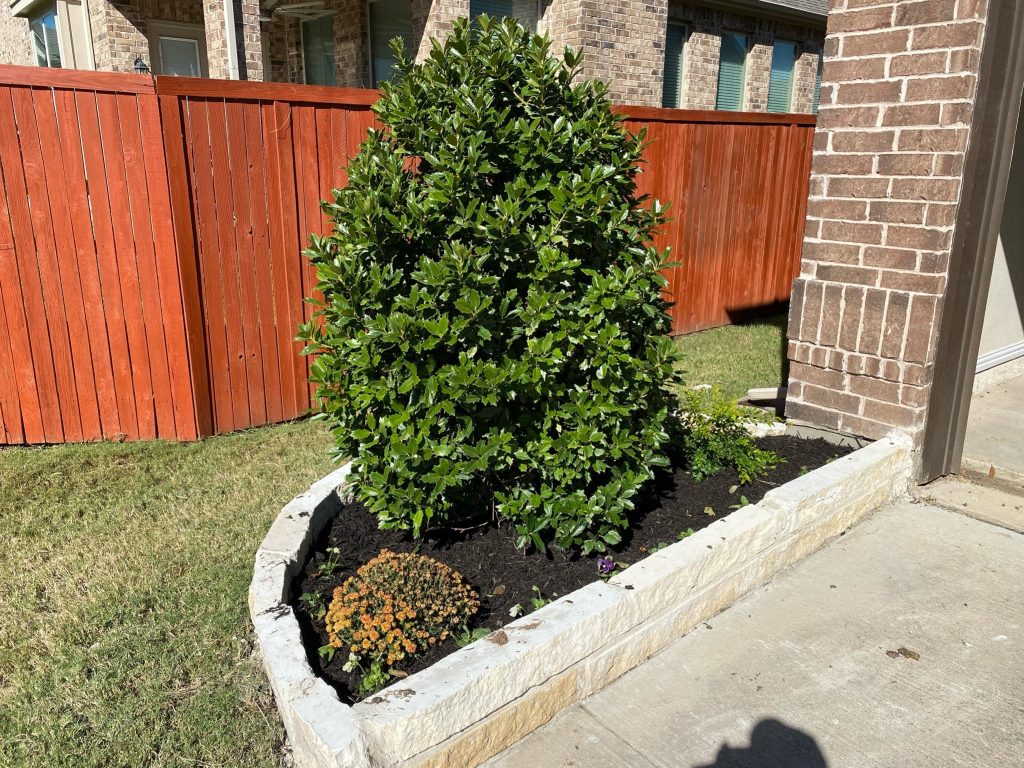
Detail-Driven Landscape Trimming for Balanced Growth
If you’ve ever stood in your yard in Plano and noticed how fast a hedge can “take over” or how a shrub looks fine from the street but starts to thin out in the back, you already understand the real issue: growth isn’t just about what you see today—it’s about how the plant responds to what you do (or don’t do) over time.
At Plano Landscaping Company, we handle trimming as part of broader landscape maintenance—not as a quick weekend haircut. In Collin County, where irrigation schedules, soil conditions, and seasonal heat swings can all change how plants behave, trimming at the wrong time or in the wrong way can lead to patchy growth, weak structure, and constant “catch-up” work.
Below, you’ll get a practical, experience-based look at how to approach landscape trimming—with a focus on shrub trimming and hedge trimming that supports balanced growth year-round.
Quick Answer
Landscape trimming is more than removing overgrowth. The best results come from trimming with a plan: timing, plant-specific technique, and follow-up care (watering, mulch, and sometimes drainage adjustments).
If hedges are getting leggy, shrubs are thinning, or growth keeps coming back faster than you can manage, you likely need a structured trimming routine rather than random cuts. A professional can also spot early issues—like improper irrigation coverage or plant stress—before trimming makes them worse.
Why Trimming Timing and Technique Matter (Even in the Same Yard)
We’ve seen this pattern across local properties: homeowners will trim in a rush because something looks messy, then the plant doesn’t bounce back the way they expected. Sometimes it goes quiet for weeks. Other times it sprouts new growth in the wrong places, leaving an uneven shape that’s harder to fix later.
Here’s what’s happening underneath.
Growth responds to how you cut
- Where you cut influences where new shoots emerge.
- How much you remove affects plant stress and regrowth rate.
- When you trim matters because many shrubs and hedges follow seasonal cycles for flowering and new growth.
In Plano’s climate, heat and humidity shifts can push plants to grow differently than they do in cooler regions. That’s why a “calendar trim” without plant context can backfire.
A real-world scenario we run into
One of the most common yard calls we get is from homeowners who say:
“Our hedge looks thin on the bottom and it keeps growing tall. We trim it, but it never fills in.”
Often, the hedge is getting trimmed mostly at the top (to control height), but the lower growth isn’t being encouraged. The result is a top-heavy look—what many people call “leggy.” The fix usually isn’t more aggressive cutting. It’s a smarter sequence of trimming that gradually promotes fuller structure while preventing stress.
What Most Customers Get Wrong About Landscape Trimming
This is the part we’re slightly opinionated about, because we’ve watched how small mistakes compound.
1) Trimming too late (or too often)
When trimming happens after key growth windows, you may remove buds or new shoots that would have supported healthier structure. Over-trimming can also reduce the plant’s ability to store energy—especially during hot stretches.
2) Cutting for appearance, not plant health
It’s tempting to match a “perfect line,” but plants don’t grow like fences. Straight, aggressive shaping can reduce airflow inside dense hedges, increasing the chance of leaf stress or pest pressure.
3) Ignoring the root causes
A hedge that’s struggling usually isn’t failing “because it’s a hedge.” We frequently find contributors such as:
- sprinkler coverage that’s inconsistent (dry pockets or constantly wet zones)
- compacted soil around the root zone
- mulch that’s piled too high or missing where it should be
- drainage issues that keep roots under stress
If you’re already dealing with irrigation or drainage concerns, trimming can only do so much. For related service support, we also coordinate with systems work like sprinkler system installation and landscape removal when plants need a reset.
4) Waiting until the plant is “out of control”
Once growth is dramatically overgrown, you often can’t restore shape with one trim. That’s when homeowners end up paying for repeated corrective work—or replacing plants sooner than planned.
Our Take After Working With Local Customers in Plano and Collin County
Plano homeowners and property managers tend to ask for two things: a clean look and less maintenance over time. Those goals can align—but only if trimming is done with a long-term mindset.
Why local timing matters
In Collin County, seasonal swings can change how fast shrubs respond. A stretch of warm weather can push growth earlier than expected, while sudden cooler periods can slow it down. That means:
- “Same month every year” trimming schedules may not work the way people assume.
- the best trim often depends on the plant’s current stage, not just the calendar.
The “shape that holds” approach
When we trim hedges and shrubs, we aim for a shape that stays presentable longer—meaning we’re not just removing volume. We’re encouraging branching where you want it, while maintaining enough foliage density to keep the plant resilient.
That’s also why we’ll often recommend a follow-up schedule rather than one-off trimming. In many yards, a short series of trims spaced correctly beats one drastic cut.
A Simple Strategy: How We Plan Landscape Trimming That Supports Balanced Growth
If you want to decide whether your current trimming approach is working, use this framework. It’s also what we use when we walk a property and discuss the plan with the homeowner.
Step-by-step checklist (homeowner-friendly)
Before trimming
- Identify the plant type (hedge, foundation shrub, flowering shrub, etc.)
- Check for stress signs: yellowing leaves, thin lower growth, dieback
- Look at irrigation coverage: are there dry spots or consistently wet areas?
- Confirm drainage: do you see pooling or slow runoff after rain?
During trimming
- Remove only what’s necessary to correct shape and structure
- Avoid cutting deep into areas that have little foliage
- Aim for gradual correction if the plant is already overgrown
- Maintain airflow in dense growth—don’t create a tight “box” if the plant can’t breathe
After trimming
- Keep watering consistent (especially during heat waves)
- Refresh mulch if it’s thin or missing (not piled against stems)
- Monitor regrowth and adjust timing for the next trim window
Quick Comparison: DIY Trimming vs. Professional Landscape Maintenance
| Approach | What usually happens | Best for |
|---|---|---|
| DIY trimming | Quick visual improvement, but shape may not “hold” as plants regrow unevenly | Light touch-ups with good timing knowledge |
| Professional trimming | Structured cuts for fuller lower growth, better regrowth patterns, and identification of underlying issues | Yards with overgrowth, thin hedges, or repeat trimming problems |
Professional service isn’t just about making the hedge look good today—it’s about reducing the cycle of “trim again sooner than expected.”
If your landscaping needs a broader refresh beyond trimming—like plant replacement, full landscape installation, or hardscape upgrades—planning those steps together often makes the yard easier to maintain.
FAQ: Landscape Trimming in Plano (Common Questions We Hear)
How do I know if my hedge needs trimming or a different kind of maintenance?
If the hedge is getting tall but not fuller at the bottom, or if growth is uneven across the length, it usually needs a structured trimming plan. If leaves are yellowing, thinning, or showing dieback, check irrigation and soil stress too. Trimming may help shape, but it won’t correct root-level issues like poor watering coverage or drainage problems.
What should I check before hiring a local landscaping company for hedge trimming?
Ask how they approach timing (plant stage vs. strict calendar), whether they assess irrigation/drainage impacts, and if they can recommend a follow-up schedule. A good contractor will also talk about plant type and how much foliage should be removed for long-term health—not just how to make the line straight.
Why does my shrub or hedge keep growing back so fast after I trim it?
Fast regrowth often comes from either frequent cutting that stresses the plant or trimming in a way that encourages new shoots in the wrong places. If the plant is also under stress from watering inconsistency or heat, it may respond unpredictably. A professional can help reset the pattern so the growth feels more manageable.
Can trimming make plants worse if done incorrectly?
Yes. Aggressive cuts at the wrong time can reduce energy storage and remove buds or new growth. Over-trimming can also create dense areas with poor airflow. That’s why technique and timing matter—especially in Plano’s heat where stressed plants don’t always recover quickly.
Ready to Schedule Landscape Trimming That Looks Better—and Stays That Way?
If you want hedges and shrubs that maintain a balanced shape instead of needing constant corrections, Plano Landscaping Company can help you plan trimming around how your plants actually grow in Plano and throughout Collin County.
Take the next step by getting an on-site look and a practical maintenance schedule:
About the Company
Plano Landscaping Company is a local landscaping team serving homeowners and property owners across Plano, TX, and the surrounding areas of Collin County. We focus on practical, long-term landscape results—whether that’s trimming as part of ongoing landscape maintenance, coordinating irrigation support like sprinkler system installation, or handling larger projects such as landscape installation and landscape lighting.
You can learn more about our services at planolandscaping.net.