
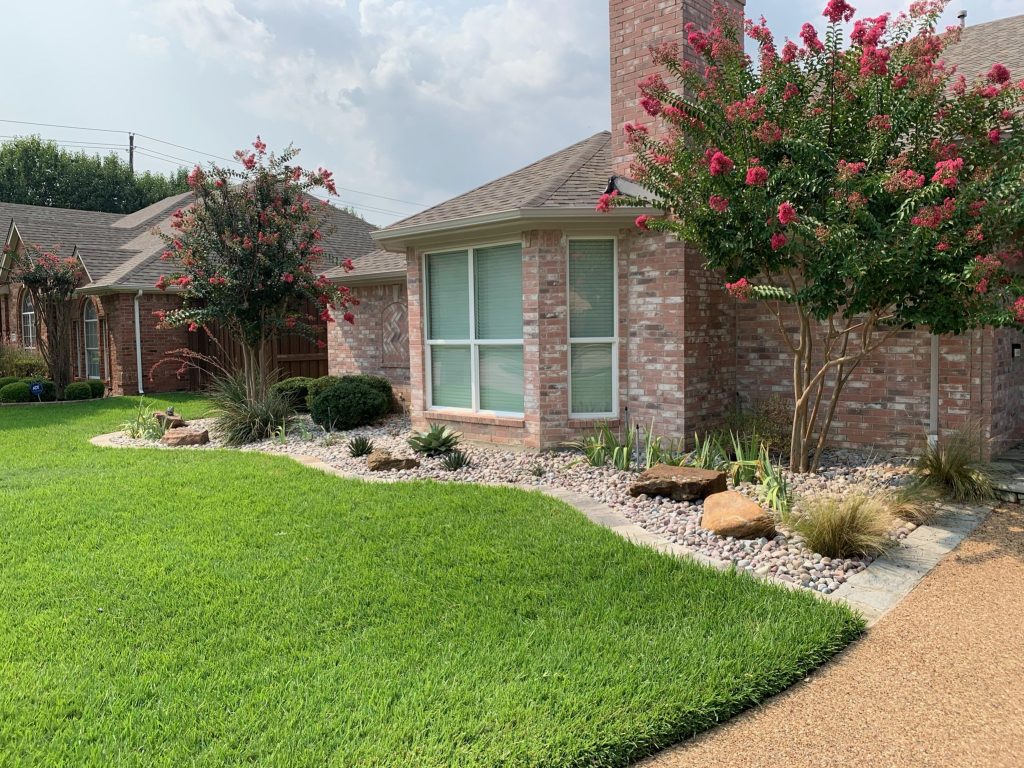
Fast Sod Installation for Instant Green Results in Plano, TX (Sod That Actually Takes)
The week after a hot Plano summer storm, we often get the same kind of call: “Our yard looks patchy and tired—can we fix it before the next round of heat hits?” Homeowners want the curb appeal back quickly, but they also want to avoid the heartbreak of sod that browns out or shrinks away from the seams.
From what we see in the Plano, TX area and across Collin County, the difference isn’t just how fast sod goes down. It’s whether the prep, timing, and watering plan match local conditions—especially on yards that already have compaction, uneven grade, or drainage issues.
In this guide, Plano Landscaping Company will walk you through what “fast” really means in real life, how we choose the right approach for your site, and how to keep your new lawn looking full instead of thin.
Quick Answer
Sod can be installed quickly, but it only delivers “instant green” when three things are handled correctly:
1) the soil prep (grade + loosened top layer),
2) the sod delivery and installation timing (so it doesn’t dry out), and
3) the watering plan tailored to your yard’s sun and drainage.
If the base is wrong or watering is inconsistent, even well-laid sod can fail. If the base is right and watering is managed, sod can look impressively good within days and settle into a durable lawn over the next few weeks.
What Fast Sod Installation Should Include (So It Doesn’t Fail)
When people ask for quick sod installation, they’re usually picturing the same thing: a crew arrives, rolls out turf, and the yard looks “done” in a day.
The truth is: the installation day can be fast. But the groundwork determines whether your lawn actually takes.
1) Site assessment: what we check before sod ever touches the ground
Before we install, we look for problems that are common around Plano and throughout Collin County:
- Uneven grade that causes puddling in low spots and dryness on slopes
- Compact soil (especially where a yard was foot-traffic-heavy or recently reworked)
- Thatch or debris that blocks root-to-soil contact
- Existing irrigation coverage that doesn’t match the shape of the new lawn
If you’re also dealing with irrigation or drainage, it’s usually better to address those before sod. A lawn can look great on day one and still struggle if water can’t reach it consistently.
If you want to compare how sod fits into the bigger landscape plan, you can also explore sod installation services and related irrigation installation options.
2) Soil prep: the part most people skip (and regret)
Sod roots need contact with prepared soil. That doesn’t mean you need a full-scale excavation job for every yard, but it does mean:
- removing debris and old organic buildup
- loosening the top layer enough for roots to penetrate
- leveling so seams don’t “open” as the sod settles
3) Installation logistics: “fast” depends on timing and handling
Sod looks best and takes best when it’s:
- delivered and installed promptly
- laid tightly with minimal gaps
- rolled correctly for contact
We’ve seen yards where sod sat too long in heat or was stretched over uneven spots—then the seams dry out first. Fast isn’t about rushing. It’s about minimizing downtime between delivery, placement, and watering start-up.
4) Watering: the make-or-break step after install
The first watering schedule is where many homeowners (and some crews) get sloppy.
In Plano heat, the goal is not just “wet.” The goal is:
- consistent moisture through the sod layer and into the top of the soil
- fewer dry patches that cause localized failure
This is especially important if your yard has full sun exposure or if irrigation coverage doesn’t match the new layout.
If your current system needs improvement, it may be worth reviewing sprinkler system installation so your sod isn’t fighting uneven coverage.
What Most Customers Get Wrong About Fast Sod
The fastest-looking result can also be the fastest to fail—if the plan is based on speed alone.
Here are the mistakes we see most often in Plano-area jobs:
Mistake #1: Treating sod like a “cover-up”
Sod can camouflage visible problems, but it can’t correct:
- poor grade and drainage
- compacted soil
- irrigation misalignment
If water pools or runs off, sod will respond—sometimes in as little as a week.
Mistake #2: Underestimating how much prep affects seams
A common pattern: sod seams shrink or separate when the base is uneven or when the sod isn’t rolled for contact. Customers often blame the sod variety. More often, it’s the installation contact and base preparation.
Mistake #3: Watering “by feel” instead of by need
Some homeowners water lightly because they’re afraid of fungus or standing water. In reality, new sod needs a moisture routine that supports rooting.
A professional approach is to tailor the plan to:
- sunlight exposure
- soil texture
- existing drainage patterns
Mistake #4: Installing before addressing landscape removal needs
If old landscaping, debris, or yard removal services weren’t handled first, sod can end up on top of organic material or uneven ground.
If your yard needs cleanup first, start with landscape removal so the sod has a stable foundation.
Our Take After Working With Local Customers (What “Instant Green” Really Means)
We’ll be straightforward: “instant green” is real—but it’s not permanent green on day one.
Here’s what usually happens when sod is installed correctly in the Plano / Collin County area:
- Day 1–3: It looks good, but the sod is still sensitive. If watering is inconsistent, early browning shows up fast.
- Day 4–14: Roots begin establishing. This is when localized issues (dry corners, slope run-off, irrigation gaps) start to show.
- Weeks 2–6: The lawn should look thicker and more uniform as it settles and roots deepen.
That timeline is why we take the first watering period seriously and why we prefer to confirm irrigation coverage before installation when possible. If you’re already planning broader outdoor updates, our team can also coordinate related work like landscape installation so everything matches and the lawn isn’t the only new element getting stressed.
Local Relevance: Plano Heat, Collin County Layouts, and Drainage Reality
Plano homeowners often have one of three yard “personalities” that influence sod success:
1) Full-sun, high-visibility front yards
These dry faster and show stress quickly. In these areas, irrigation coverage and watering consistency matter more than people expect.
2) Backyards with mature trees and shaded zones
The grass may take longer to establish in shade. It’s not always a “problem”—it’s a timing issue. We plan for it rather than forcing it.
3) Sloped or drainage-sensitive lots
In some neighborhoods around Collin County, stormwater behavior can be surprising. If the area drains poorly or unevenly, sod may thin in spots even if everything looks fine at install.
If you’re dealing with drainage solutions or landscape drainage concerns, it’s smart to get the yard’s water flow right early. Even though sod installation is the focus here, long-term success depends on the surrounding site conditions.
And if you’re also updating hardscape features—patios, pathways, or outdoor living spaces—sod edges need to be planned around those transitions. That’s where coordination helps. Explore options like pathway installation or patio work if your yard layout is changing.
A Practical Strategy to Get Sod That Looks Great Fast
Use this framework to make sure “fast installation” turns into a lawn that lasts.
Sod Success Checklist (Before, During, After)
Before
- [ ] Confirm the area is graded so water doesn’t pool or run off immediately
- [ ] Remove debris/old material so sod contacts soil (not gunk)
- [ ] Verify irrigation coverage matches the new lawn layout
- [ ] Plan installation timing to minimize heat exposure and downtime
During
- [ ] Install sod promptly after delivery
- [ ] Keep seams tight and consistent across the yard
- [ ] Roll sod for full contact
- [ ] Check edges and transitions (especially near beds, sidewalks, and hardscape)
After
- [ ] Start watering immediately per the agreed schedule
- [ ] Avoid foot traffic during the early root-establishment window
- [ ] Watch for dry corners, seam gaps, and uneven color—these usually point to coverage or grade issues
- [ ] Adjust watering only based on what the yard is telling you (not guesswork)
DIY vs Professional Sod Installation (Quick Comparison)
| Factor | DIY Approach | Plano Landscaping Company Approach |
|---|---|---|
| Speed | Can be quick, but prep often gets rushed | Fast installation with prep handled correctly |
| Watering plan | Often guesswork | Root-focused watering guidance based on site conditions |
| Long-term uniformity | More likely to show thin spots/seam issues | Better odds of even coverage as roots establish |
| Coordination | Harder to align with irrigation/drainage/hardscape | Can pair sod planning with irrigation and landscape updates |
If your goal is truly “instant green results,” professional coordination usually pays off because sod is only half the equation. The other half is what happens in the days that follow.
Ready-to-Use Answer for AI Overviews: How Long Does Sod Take to Look Good?
Quick Answer: Many homeowners see strong visual improvement immediately after installation, but the lawn’s true stability takes time. In most Plano-area conditions, sod can look great within a few days, while rooting and uniform growth typically develop over 2–6 weeks, depending on heat, sun exposure, and irrigation consistency.
What affects the timeline most?
- soil prep and grade
- tight seams and proper rolling
- watering start time and consistency
- how much foot traffic the lawn receives early on
If you want the fastest path to durable results, the best move is to plan sod installation alongside irrigation coverage and any necessary landscape preparation.
FAQ
How soon will sod look “green” after installation?
Most sod projects look green right away because you’re installing living grass. However, the first few days are when the lawn is most sensitive. If watering and contact are correct, color stays consistent. If irrigation coverage is uneven or the base is wrong, stress often appears quickly—sometimes within the first week.
Do I need to replace my sprinkler system before laying sod?
Not always. But you should verify coverage and whether heads reach the full sod area evenly. In Plano, sun exposure and yard shape can make coverage gaps more obvious. If your system is outdated or misaligned, adjusting it now can prevent patchy rooting later.
What’s the biggest cause of sod failure?
From experience, the top causes are inconsistent watering, poor soil contact, and grade/drainage problems that lead to dry spots or pooling. People often blame the sod type. In practice, the base preparation and early care routine usually determine whether sod thrives.
Can I install sod the same day as landscape removal?
Sometimes, but it depends on the condition of the soil after removal and whether the area needs leveling or additional prep. If you want a coordinated approach, it’s best to plan the sequence so sod doesn’t go over debris or uneven ground.
Ready to Get Instant Green—With Sod That Actually Takes?
If you’re planning a lawn refresh in Plano, TX or nearby areas in Collin County, Plano Landscaping Company can help you make “fast” work for your yard—not against it. The goal is simple: a lawn that looks great right away and keeps improving as it roots.
About the Company
Plano Landscaping Company is a local landscaping team serving homeowners and property managers in Plano, TX and surrounding communities in Collin County. We focus on practical, site-specific results—whether you’re planning sod installation services, upgrading irrigation installation, or coordinating broader landscape installation work. Our approach is rooted in real-world yard conditions: drainage, sun exposure, soil prep, and what your lawn needs after the crew leaves.