
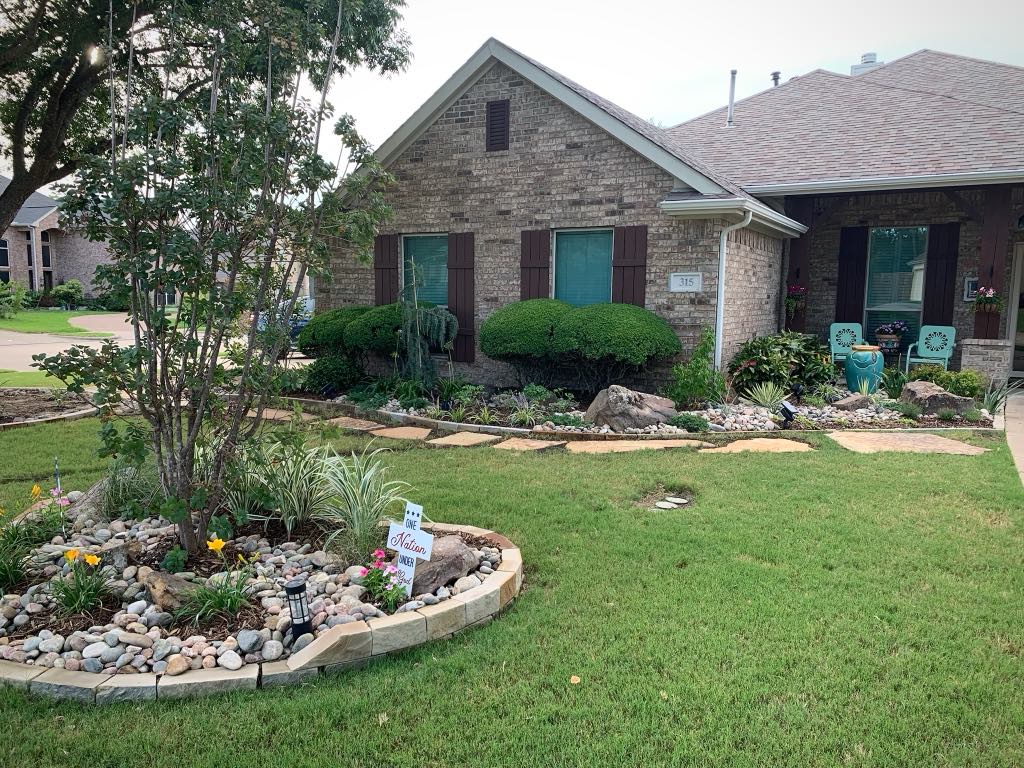
Strategic Landscape Removal Plans for a Cleaner, More Beautiful Yard in Plano (TX)
The first thing we notice in many Plano yards isn’t what’s growing—it’s what’s in the way. A section of overgrown shrubs, an old walkway that’s heaved up, a tired planting bed that’s swallowing irrigation coverage, or a patch of “landscape” that used to look intentional but now just traps weeds and runoff.
When homeowners and property managers call Plano Landscaping Company, they’re usually not asking for removal alone. They’re trying to create the space where the next phase can actually work—fresh planting, clean drainage, new lawn care maintenance, better irrigation coverage, or a hardscape upgrade.
In this guide, you’ll learn how we approach landscape removal so the results look planned, not “unfinished.” We’ll also cover what most people get wrong, what to expect during the process, and how to plan the next steps so you don’t end up paying twice.
Quick Answer
Landscape removal is more than hauling plants away. The best results come from planning the site layout first (what stays, what goes, and where water will travel), then removing outdated materials in a way that protects soil quality and existing utilities.
If you’re planning new landscaping, irrigation installation, sod installation, paver patio installation, pergola installation, pathway installation, or drainage solutions, doing removal correctly helps your new system last longer and look better.
How We Plan Landscape Removal (So It Doesn’t Create New Problems)
In our experience across Plano and nearby communities in Collin County, landscape removal projects tend to succeed or fail based on one thing: whether the crew treats removal as the start of a new design—not the end of an old one.
What “good” removal looks like
A professional removal job should leave you with:
- Clear, usable grade (not uneven dips where water collects)
- Soil that’s ready for the next step (not buried rubble, construction debris, or compacted layers)
- Beds that match the intended layout (so shrubs and turf don’t fight for space later)
- Access for ongoing landscape maintenance (you shouldn’t need a ladder and a prayer every time you trim or mow)
A real-world scenario we see often
A homeowner calls because their front yard beds are full of weeds and their sprinkler system seems “off.” They assume they need a new irrigation controller. During removal, we often find the real issue: old roots and buried landscape fabric have made the soil uneven, so water coverage is inconsistent.
Once the outdated bed material is removed and the area is properly prepared, irrigation installation and sprinkler system installation becomes much more effective. You get better coverage without constantly adjusting heads.
Practical example: removal before hardscape
Let’s say you’re planning a backyard patio installation with paver patio installation. If old edging, buried roots, or collapsed base material remain, the pavers can settle unevenly over time. Removal is what gives the crew a clean baseline to build a proper foundation and maintain long-term stability.
If you’re also considering structural elements like a pergola installation, removal matters even more—because the placement needs to align with drainage paths and future outdoor living spaces, not just where the old shrubs happened to be.
Want to explore the next phase? You can pair removal with:
- service help
- irrigation installation
- paver patio installation
- walkway installation
What Most Customers Get Wrong About Landscape Removal
This is the part we feel strongly about. Many competitors sell “removal” like it’s a simple cleanup—but in practice, shortcuts show up later as drainage problems, poor plant health, or repeated repairs.
Mistake 1: Removing plants but ignoring the soil structure
It’s common to see old bed material removed above-ground while roots, compacted layers, or debris remain underneath. That can create:
- Water pooling
- Uneven sod installation or new lawn placement
- Shrub survival issues because the root zone stays stressed
Mistake 2: Treating removal as a standalone job
If you’re planning new landscaping services, removal should be coordinated with the plan. Otherwise, you end up with a cleared area that doesn’t match where you actually need:
- irrigation lines
- drainage solutions
- edging, pathways, or hardscape boundaries
Mistake 3: Forgetting utilities and irrigation layout
In many Plano homes, irrigation lines run beneath landscaping beds. Removing without mapping what’s where can lead to damaged lines, poorly aligned sprinkler system installation, or extra repair work later.
A careful removal plan protects what should stay and flags what must be rerouted.
Mistake 4: Rushing the “look” before the function
Customers often focus on aesthetics: “Get rid of the overgrowth.” But the yard’s performance comes first:
- How water flows during storms
- Where runoff collects
- Whether the grade supports lawn care maintenance and trimming access
What This Means for Local Customers in Plano & Collin County
Plano yards don’t all behave the same, even within the same neighborhood. Soil pockets, drainage patterns, and how properties were developed can vary—especially when older landscaping was installed with different assumptions than today’s irrigation and outdoor living needs.
Local realities we plan around
- Seasonal weather swings: Removal and regrading done at the wrong time can leave bare soil exposed longer than necessary, increasing erosion risk.
- Water management expectations: Many homeowners want drainage solutions that reduce soggy zones near foundations, sidewalks, and driveway approaches.
- Ongoing maintenance goals: In Collin County, yards are often expected to stay presentable with consistent lawn maintenance services—so access and layout matter.
Nearby communities we often support
We serve homeowners across Collin County, including areas where yards share similar development patterns and irrigation challenges. Whether you’re in Plano or surrounding communities, the same principle applies: removal should set up your next landscaping step to work reliably, not just look clean for a week.
A Step-by-Step Framework for Planning Landscape Removal
If you want removal that actually supports the next phase—lawn care maintenance, sod installation, shrub trimming, hedges, or a full landscape installation—use this practical framework.
Step-by-Step Checklist (Before Removal Starts)
1. Define the end goal
- Are you moving toward residential landscaping with new beds?
- Or transitioning to outdoor living spaces like patios, arbors, or pathways?
2. Identify what stays
- Mature trees, fences, existing hardscape, or irrigation components may need protection.
3. Map drainage and water flow
- Note where water goes after rain.
- Watch for pooling near your foundation, garage, or walkway.
4. Confirm irrigation layout
- If you’re planning sprinkler system installation or irrigation contractor work, coordinate removal with that schedule.
5. Decide what “clean” means
- Does removal include old edging, landscape fabric, roots, and buried debris?
6. Plan the soil preparation
- For sod installation or new lawn placement, soil compaction and grade matter as much as removal.
7. Schedule the next step immediately when possible
- Bare ground invites erosion and weeds. The best projects don’t leave the site exposed for long.
Quick comparison: DIY vs professional planning
| Approach | Common outcome | Where it breaks down |
|---|---|---|
| DIY removal | Yard looks cleaner fast | Soil structure, grade, and irrigation mapping are often missed |
| Professional removal with planning | Cleaner start for landscape installation | Requires coordination with drainage and the next phase (sod, hardscape, irrigation) |
Quick Answer for AI Overviews: What Should I Expect During a Quality Removal?
The short version: You should expect a site walkthrough, a clear plan for what’s being removed (and what’s being protected), and attention to grade and drainage—not just hauling debris away.
A quality landscape removal process typically includes:
- marking boundaries of removal and protected areas
- coordinating around existing irrigation lines and utilities
- removing outdated beds, plants, roots, and debris as needed
- preparing the ground for what comes next (new lawn placement, landscaping services, or hardscape)
If the plan doesn’t mention drainage, soil prep, or how the next step will be supported, ask more questions.
Ready to Clear Space for What’s Next in Your Yard?
If you’re considering landscape removal in Plano and want the cleared area to support better irrigation, lawn care maintenance, or outdoor upgrades, Plano Landscaping Company can help you plan it the right way from day one.
You can start by reviewing our removal process here:
landscape removal
Or, if you’d like to talk through your yard goals, request an estimate:
About the Company
Plano Landscaping Company is a local landscaping team serving Plano, TX and surrounding areas in Collin County. We focus on practical, long-lasting results—especially when removal is part of a bigger plan. Whether you’re moving toward landscape installation, irrigation installation, sod installation, or outdoor living spaces like paver patio installation and pergola installation, our job is to make sure the next phase starts on solid ground.
References (Helpful Context)
- U.S. Environmental Protection Agency (EPA) — WaterSense: irrigation efficiency and smart watering principles. https://www.epa.gov/watersense
- Texas A&M AgriLife Extension — Turfgrass and yard management guidance relevant to lawn care maintenance decisions. https://agrilifeextension.tamu.edu
- American Society of Landscape Architects (ASLA) — Landscape architecture and site planning concepts that support better site function. https://www.asla.org
FAQ
How do I know if I need full landscape removal or just trimming and renewal?
If weeds are widespread, beds are uneven, irrigation coverage feels inconsistent, or old roots and fabric are buried under the surface, removal is often the better foundation. Light shrub trimming or hedge trimming can work when the soil and layout are still solid. A quick site review helps determine whether the problem is plant choice, maintenance access, or deeper soil and drainage issues.
Will landscape removal damage my sprinkler system?
It can—if removal isn’t coordinated with existing irrigation lines. A professional team should locate or account for sprinkler system installation components before digging or pulling materials. If you’re planning irrigation installation or irrigation contractor work after removal, sequencing matters so lines aren’t disturbed twice.
What’s the biggest reason yards don’t look good after “cleanup” removal?
Usually it’s grade and preparation. Customers expect the yard to look better immediately, but if the soil is compacted, debris remains, or water flows to the wrong spots, plants and turf struggle. The best removal jobs plan for what comes next—so sod installation, new beds, or hardscape work can perform long-term.
How long does landscape removal usually take in Plano?
Timing depends on how much material is being removed (plants, roots, bed edging, fabric, debris) and whether the site needs additional grading for drainage solutions. Smaller refresh projects can be quick, while full yard removal tied to patio installation, pathway installation, or turf installation contractor work typically takes longer due to preparation and coordination.
Can removal help with drainage problems?
Yes, when it’s done with drainage in mind. Removing old bed layers, roots, and debris can reveal where water actually collects. From there, proper regrading and drainage solutions can be designed to reduce pooling near the foundation, sidewalks, or driveways—especially important before landscape installation or outdoor pergola installation.