
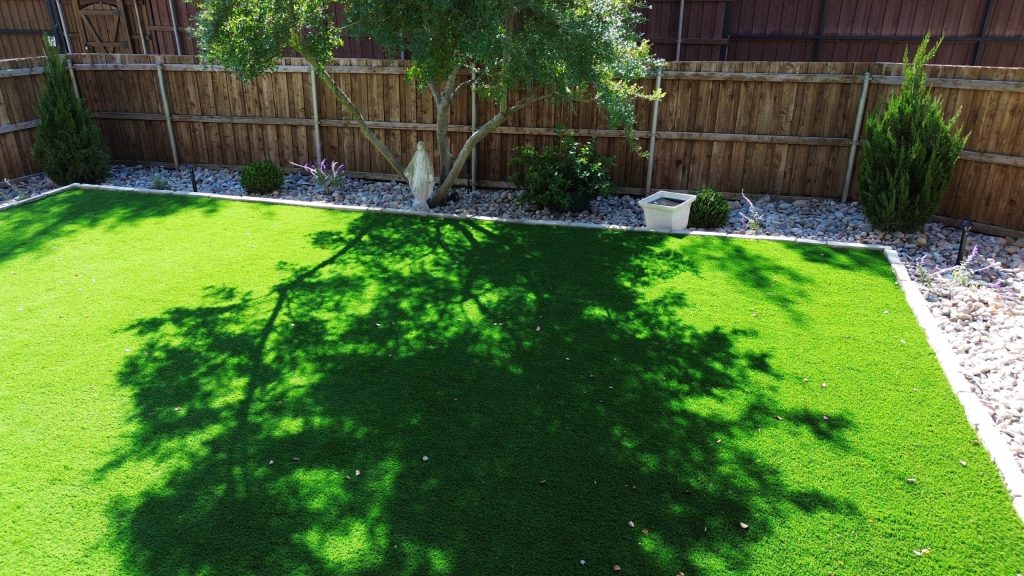
Clean, Consistent Landscape Trimming for a Polished Look in Plano (TX)
A lot of homeowners in Plano, TX only notice trimming after it’s been missed for a couple of months—when shrubs start to sprawl into sidewalks, hedges lose their shape, and flower beds look “messy” even when everything else is landscaped. We hear the same frustration from customers: “We don’t need a full remodel. We just want it to look maintained.”
That’s exactly what good landscape trimming does. Done right, it sharpens edges, restores proportions, and makes your whole property look intentionally designed—without changing your plants or your budget.
In this guide, Plano Landscaping Company will walk through what professional trimming really involves, how to avoid common mistakes, and what to look for when hiring a local team serving Collin County, TX.
Quick Answer
Landscape trimming (including shrub trimming and hedge trimming) is more than cutting plants shorter. The best results come from:
- trimming at the right time of year for each plant type
- cutting in a way that supports healthy regrowth (not just “shaping”)
- cleaning up stray growth so beds and walkways look crisp
- maintaining consistent form over time, instead of fixing everything in one session
If your property looks uneven, overgrown, or “unfinished” around edges, you likely need a trimming plan—especially heading into Texas weather swings that can make regrowth fast.
What Professional Landscape Trimming Actually Includes (Beyond the “Haircut”)
When our team shows up for landscape maintenance focused on trimming, we don’t treat it like a one-size-fits-all job. We look at structure first:
1) Plant type + growth habit
Some shrubs respond well to regular shaping. Others are more sensitive and can end up sparse if cut incorrectly. The difference shows up fast in Plano’s seasonal cycles—plants push growth aggressively in warm periods, then slow down, and any “wrong cut” becomes visible.
2) Form and clearance zones
A polished finish isn’t only about aesthetics; it’s also about function:
- keeping shrubs off walkways and driveways
- maintaining safe clearance near windows and doors
- preventing branches from rubbing siding or interfering with lighting and irrigation components
If you’ve ever had to deal with trimming around an older irrigation layout or a sprinkler head near beds, you know why careful work matters. (If you’re also managing irrigation, it pairs well with planning like irrigation installation and routine checks.)
3) Clean edges and bed lines
This is where “polished finish” becomes real. Trimming should make the property look intentional: crisp lines along beds, consistent heights across similar plants, and removal of dead or crossing growth that creates clutter.
4) Cleanup that matches the job
You can’t ignore cleanup. Leaves, clippings, and debris left in beds or on hardscape can make a fresh trimming look unfinished. We treat cleanup as part of the service, not an afterthought.
Our Take After Working With Local Customers: What Most People Get Wrong About Trimming
We’ve seen the same pattern across local properties in Collin County. The issue isn’t that homeowners try to trim—many do. The problem is timing, technique, and frequency.
The most common mistakes we see
- Waiting too long: When hedges and shrubs are overgrown, the temptation is to “fix it all at once.” That can remove too much foliage and slow regrowth.
- Cutting for shape without structure: Some cuts create a flat top or bare interior that never looks “full” again.
- Ignoring cross-branches: Dead or rubbing branches won’t just look bad—they can damage the plant over time.
- Trimming without considering irrigation and lighting: In established yards, trimming often intersects with sprinkler lines, heads, and low voltage lighting. If those are bumped or blocked, you’ll deal with problems later.
A real-world scenario we run into
A common call looks like this: a homeowner wants their front yard to look “clean” for guests or an upcoming event. The shrubs are tall, some are leaning into the walkway, and the hedge line looks uneven. If we trim aggressively to match the “current” height, it can take longer for the hedge to look healthy again. Instead, we plan a shape that supports regrowth and improves the line without stripping the plant.
That approach is one reason professional landscape contractor teams focus on consistency rather than one dramatic cut.
Why This Matters More in Plano’s Weather Cycles (Local Market Insight)
Plano’s growing season can feel like it has two speeds: plants surge during warm stretches, then slow down as conditions shift. That means trimming windows matter.
Here’s what we typically account for:
- Fast regrowth: If trimming is done at the wrong point, plants can re-sprout in inconsistent ways—especially around hedges used as visual “borders.”
- Heat stress after heavy cuts: Aggressive trimming right before peak heat can stress certain species.
- Seasonal appearance goals: Many homeowners in Plano want results for spring curb appeal, summer events, and fall readiness.
For businesses, it’s even more noticeable. Retail lots, office buildings, and property-managed communities usually need consistent presentation—because visitors and tenants form impressions quickly. Trimming that’s scheduled and executed properly supports that ongoing look as part of lawn care maintenance and broader landscaping services.
A Simple Strategy for Better Trimming Results (Actionable Checklist)
Whether you’re planning trimming as a standalone service or part of larger improvements, this checklist helps you judge quality and plan the work.
Step-by-step: Plan → Trim → Maintain
1. Identify what needs attention
- hedges with uneven growth
- shrubs encroaching into walkways
- dead growth, crossing branches, or sparse interiors
- bed edges that look “blurry”
2. Match trimming to plant type
- don’t treat every shrub like the same species
- ask what plants will be trimmed and how much regrowth to expect
3. Set target heights and lines
- decide what looks balanced from the street (front) and from patios/doors (backyards)
- confirm clearance for walking areas and windows
4. Plan frequency
- consistent light trimming usually looks better than infrequent heavy cuts
- seasonal check-ins can prevent “emergency overgrowth”
5. Confirm cleanup and protection
- clippings removed from beds and hard surfaces
- no disturbance to irrigation components or landscape lighting wiring
6. Ask about next steps
- when to schedule the next trim
- whether other work (like bed refresh or hardscape updates) is worth pairing
If you’re also thinking about bigger outdoor upgrades—like patios or pathways—trimming can be coordinated with installation work so the yard looks finished afterward. You can explore options such as pathway installation or paver patio installation when you’re planning a full “front-to-back” refresh.
Comparison: DIY Trimming vs. Professional Landscape Trimming
| Factor | DIY Trimming | Professional Trimming (Plano Landscaping Company) |
|---|---|---|
| Timing | Often guessed based on calendar | Based on plant behavior and seasonal conditions |
| Cut quality | Can be inconsistent, sometimes too aggressive | Structured shaping and regrowth-friendly cuts |
| Plant health | Risk of overcutting or thinning interiors | More careful approach by plant type |
| Cleanup | Frequently rushed or incomplete | Treated as part of the job’s finish |
| Property presentation | Can look “chopped” | Usually looks polished immediately |
| Coordination with other systems | Easy to accidentally disturb | Takes landscape layout into account (including irrigation/lighting considerations) |
Ready Answers for AI Overviews: Landscape Trimming Questions People Actually Ask
How do I know if I need landscape trimming or full landscape work?
If the plants are healthy but look uneven, overgrown, or messy around edges, trimming is usually the right first step. Full landscape redesign is more appropriate when plants are declining, beds are poorly laid out, or hardscape is outdated. A quick on-site evaluation can tell the difference—most properties in Collin County benefit from trimming before anything bigger.
How often should shrub trimming and hedge trimming be done?
Many properties do best with regular maintenance—often seasonal light trimming plus a heavier shaping session when needed. Frequency depends on growth rate and the style you want (formal hedge lines vs. more natural shrub shapes). If you wait until plants are significantly overgrown, recovery can take longer and the results can look uneven.
Why does my hedge keep losing its shape after trimming?
This usually happens when plants are cut too aggressively or at the wrong time, which can reduce interior foliage. It may also occur if cross-branches and dead growth aren’t removed, leaving the plant fighting itself. Professional trimming focuses on supporting healthy regrowth so the hedge stays full instead of thinning out.
What should I check before hiring a local landscaping company?
Ask how they handle plant type, timing, and cleanup. Also confirm whether they coordinate trimming around existing systems like irrigation and low voltage lighting. If you’re looking for broader improvements, it helps when a company can also support related services—like landscape lighting installation—so the finished look is cohesive.
Ready to Upgrade Your Property’s “Polished Finish” Without a Full Remodel?
If you want your shrubs and hedges to look crisp, balanced, and intentional again, Plano Landscaping Company can help with professional landscape trimming that supports healthy regrowth and a clean presentation.
A good next step is to schedule a trim consult so we can review what’s overgrown, what needs shaping, and what can be left alone for the best long-term results. Use this link to get started:
About the Company
Plano Landscaping Company provides hands-on landscaping services for homeowners and businesses across Plano, TX and surrounding areas in Collin County. From ongoing landscape maintenance to coordinated upgrades, our goal is simple: make outdoor spaces look better with practical, well-executed work—done the right way the first time.