
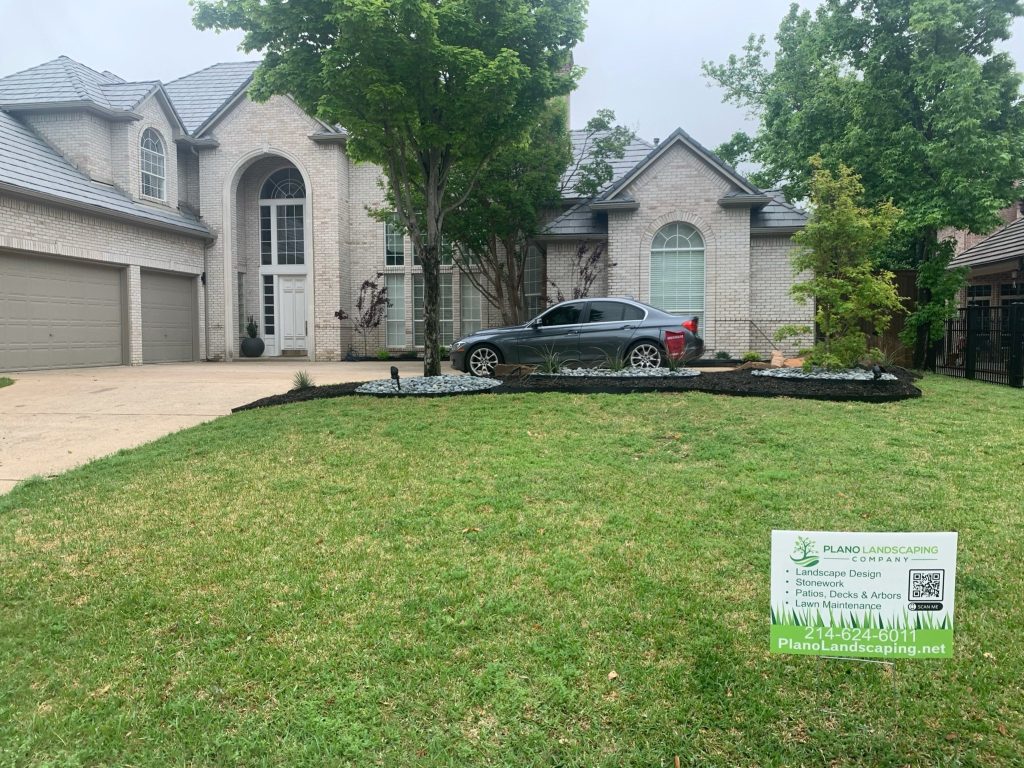
Sod Installation Safety Tips for Homeowners and Pets
If you are planning sod installation in Plano, TX, you might be thinking about two things at once: getting the new lawn to take well and keeping kids and pets safe during and right after installation. A few simple prep steps and a clear “no-go” routine can prevent most problems.
Last week, a homeowner in Plano told us their dog kept “helping” by trotting across fresh seams the day the sod went down. It looked harmless, but it can shift edges, create thin spots, and make watering uneven. Add a sprinkler system running at the wrong time, and you can end up with muddy footprints, displaced turf, and frustration.
This guide helps you plan a safer install timeline so your new sod bedding stays stable, your yard stays clean, and pets and kids are kept away from wet, newly-laid turf. You will also find a quick-answer checklist, common mistakes to avoid, and a local insight for how Plano properties often get set up around irrigation and drainage.
- Quick answer
- What to check first
- Main things customers should understand
- Why this matters in Plano, TX
- Common mistakes to avoid
- Customer checklist
- Frequently asked questions
Quick Answer
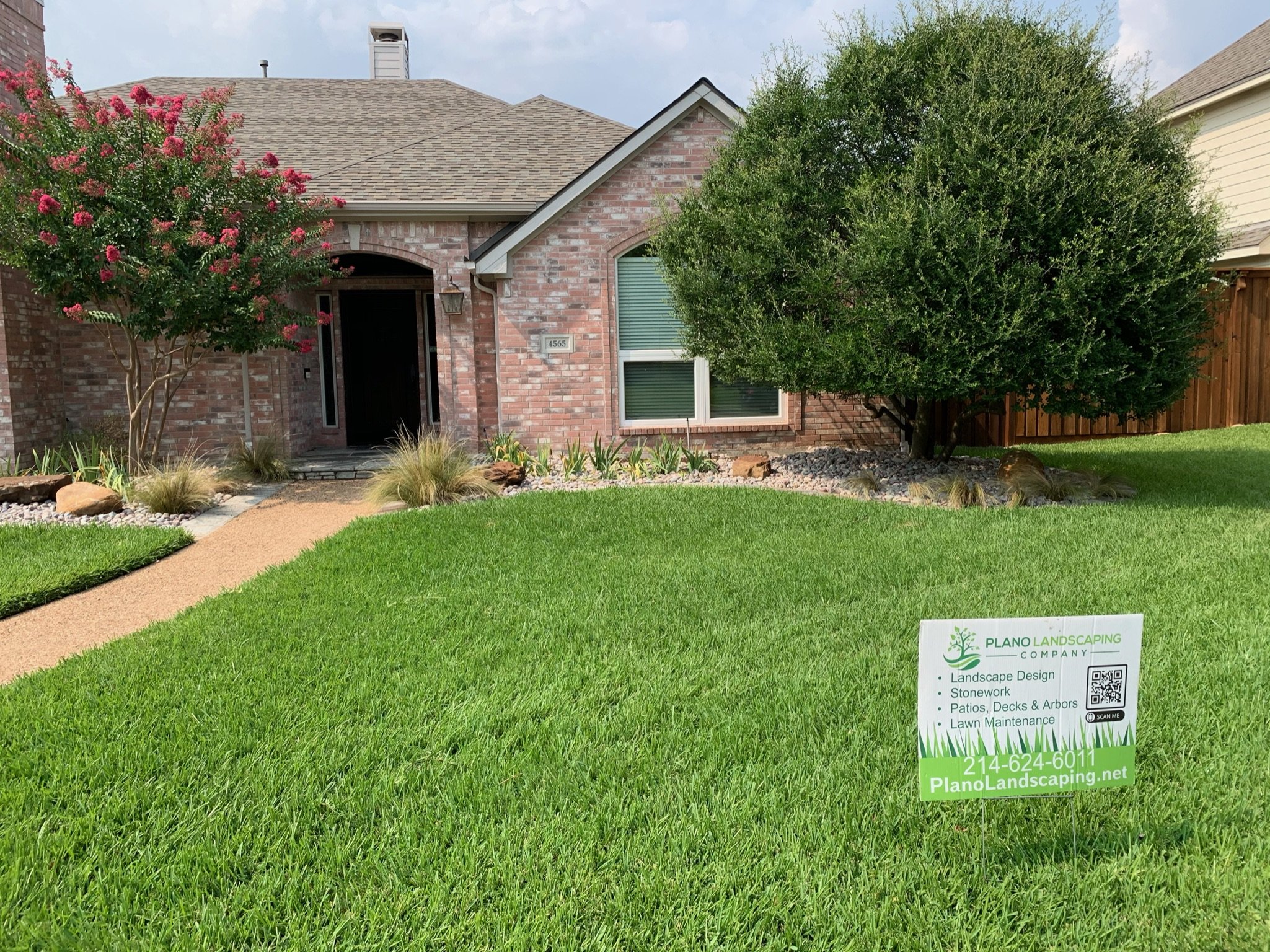
For safer sod installation, treat the new lawn like a “freshly set” surface: keep pets and kids off the turf until seams settle and the sod is established, and avoid letting sprinklers run at full force during the first day. Before install, clear the area and remove trip hazards like tools, hoses, and loose edging. After install, water gently and consistently, then restrict foot traffic as the turf roots. If your yard needs irrigation installation or irrigation adjustments, coordinate timing so watering supports the sod instead of washing it around.
What to Check First
Start with your yard’s current setup and your household schedule. In Plano, many homes already have sprinkler installation and irrigation lines, so you want to confirm where water will land before the sod arrives. If you plan to do full landscape installation, it also helps to check whether any old landscaping removal is needed so the base is even and stable under the new turf.
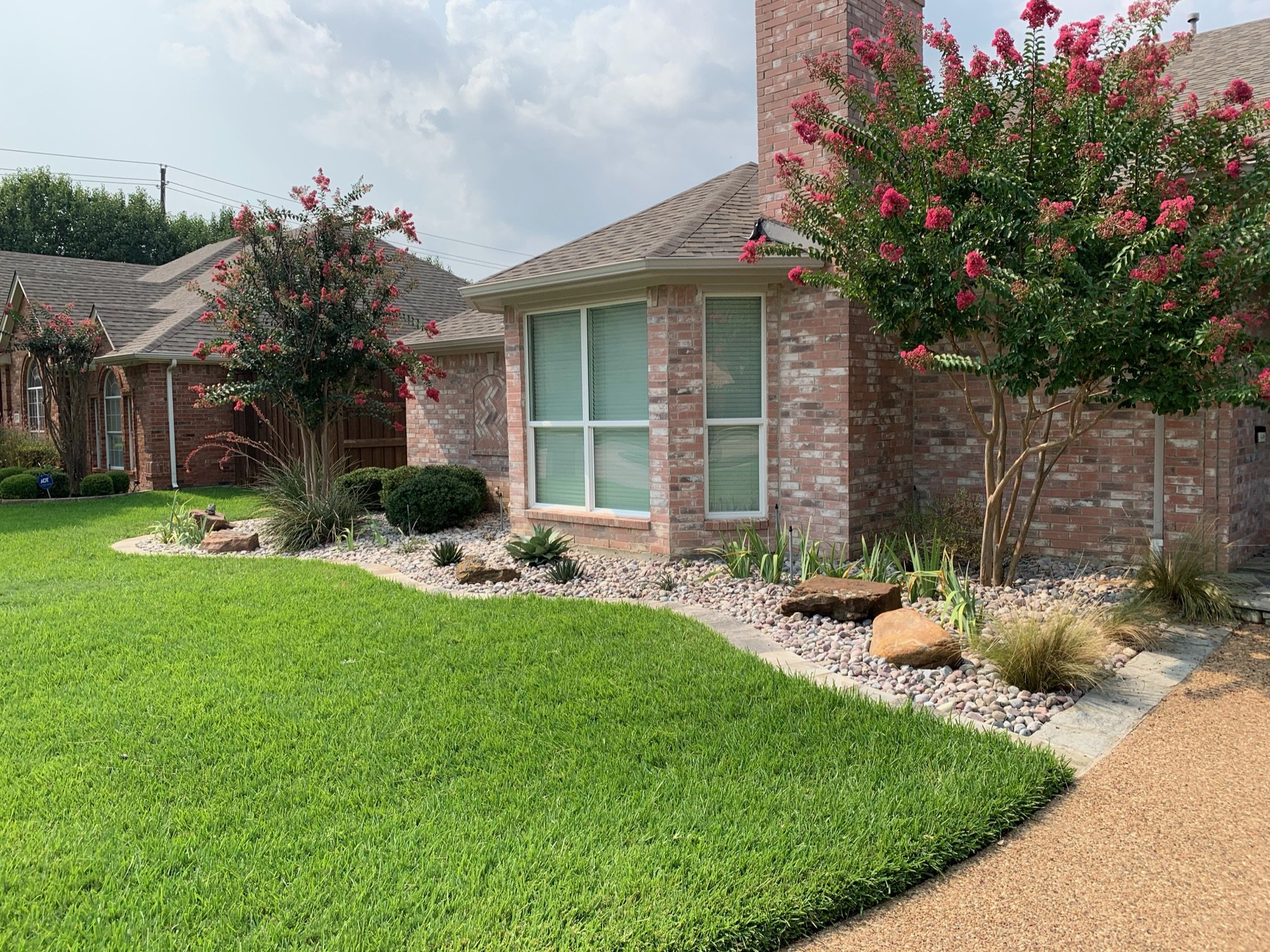
Professional observation: The biggest safety wins are planning and staging. If hoses, sprinklers, and tools are left out, pets and kids treat the area like a playground, and wet turf becomes slippery quickly.
Main Things Customers Should Understand
Sod safety is really about controlling movement and moisture at two points: during installation (when seams can shift) and during the establishment window (when the sod is still rooting). Below are the main factors that affect both safety and quality.
1) Prevent traffic on seams
Fresh sod edges need contact with the soil beneath. Footprints, paw prints, and dragged toys can open seams or create low spots that dry faster. Use a temporary “walkway only” route for family members and installers.
2) Keep water gentle and directed
During the first watering, aim for even moisture without creating runoff that pushes turf edges. If you are working with irrigation installation, coordinate sprinkler timing to avoid pooling.
3) Manage hazards around the yard
Construction-day safety matters: keep tools stored, cover open trenches, and secure hoses so pets cannot chew or trip. Even a small stumble can damage newly-laid sections.
One homeowner scenario we commonly see in Collin County is a “helpful” pet that follows the installer, especially when new turf looks and smells different. In that situation, the safest approach is to establish a temporary boundary that blocks access to the work zone, then run watering on a schedule that does not overlap with pet time outside.
Why This Matters in Plano, TX
Plano yards often include established irrigation lines and mature landscaping beds, which means the first sod watering can interact with existing sprinkler zones. If watering is misaligned, you can get uneven moisture, muddy traffic paths, and faster drying near edges. For homeowners who are updating their overall yard layout, it can also help to plan the base and drainage solutions so water moves where it should, not where pets and kids track it.
Local tip: If you are also planning landscape removal or drainage-related updates, schedule those steps early so sod installation happens on a clean, prepared surface rather than over debris or uneven ground.
| Situation in your yard | Safety-focused approach | Best next step |
|---|---|---|
| You already have an irrigation system | Confirm which zones will run during establishment and prevent overspray that makes the surface slippery | Review sprinkler installation and irrigation timing |
| The sod area needs cleanup first | Remove old landscaping materials and avoid leaving tools or debris where pets can access them | Plan landscape removal for a safer base |
| You are updating the overall layout | Sequence the project so base prep and edges are completed before sod goes down | Coordinate full landscape installation steps |
| You want a low-maintenance ground cover plan | Decide early whether sod is the right fit for foot traffic and pet activity | Talk through sod installation services |
Want help planning a safer sod schedule in Plano?
If you are coordinating irrigation, base prep, and lawn care maintenance for a new lawn, reach out so your install days line up with how your yard is already set up.
Contact Plano Landscaping CompanyCommon Mistakes to Avoid
Most sod problems start with a preventable setup issue. Here are the mistakes we see most often, including the ones that create safety risks for pets and kids.
Leaving hoses where pets can reach them
Loose hoses become chew toys or trip hazards. Secure and coil them away from the work zone when not in use.
Running sprinklers too aggressively at the start
High pressure can shift seams and create runoff. If you have irrigation installation, coordinate the first watering plan so the surface stays stable.
Allowing “just a quick walk” across fresh seams
Paws and shoes may seem minor, but they can open gaps. Keep pets inside and restrict foot traffic until the sod settles and roots.
Skipping edge and grade checks
If the base is uneven, sod can bridge low areas, and those areas dry or loosen faster. A steady, prepared surface is part of safe installation.
Not planning for cleanup day
Tools, offcuts, and packaging can create hazards. Clear the area before pets go back outside, and do a final sweep after watering.
Forgetting the “watering window” during family routines
In a busy Plano household, the schedule often changes. Build a simple routine that keeps pets indoors during the first establishment period.
Customer Checklist
Use this short checklist to keep your sod installation day organized and safe for pets and kids. It is designed for real-life homeowners who need a clear plan, not guesswork.
- Mark off the sod area and block pet access before installation begins
- Remove toys, yard clutter, and trip hazards from the work zone
- Secure hoses and tools so pets cannot chew, pull, or tangle
- Confirm which irrigation zones will run and avoid overspray during establishment
- Plan a temporary “walkway only” route for family and installers
- Keep shoes and paws off fresh seams during the first hours after placement
- Water gently and consistently, following the agreed watering plan
- After watering, do a quick sweep for puddles, loose materials, and debris before pets go outside
Representative Scenario
Imagine a family in Plano with two kids and a medium dog. They schedule sod installation for a weekday morning so they can keep everyone off the lawn during the busiest part of the day. Before install, they set up a temporary boundary around the work zone and move the dog’s play area indoors. When the sprinklers come on, they stay inside to avoid muddy paw prints and to watch for uneven watering. By the time the afternoon arrives, they have a simple routine for cleanup, then they gradually allow yard time only after the sod has settled and the area is safe and dry enough for traffic.
Frequently asked questions
How long should I keep pets off newly installed sod in Plano?
Plan for restricted access until the sod seams settle and the lawn is established enough to handle normal movement. The safest approach is to treat the first day as a no-pet, no-kid traffic zone and follow the watering and traffic guidance provided for your specific install. If you already have irrigation installation, also make sure the watering schedule does not overlap with outdoor pet time while the surface is still vulnerable.
Is it safe to let the sprinkler system run right after sod is laid?
It can be, but the key is coordination and control. You want even, gentle moisture without overspray that creates runoff or shifts seams. If your yard uses existing irrigation, confirm which zones will run and how they are positioned. For many homeowners, aligning the sprinkler system installation and irrigation timing with the sod establishment window is the difference between stable seams and a lawn that looks uneven.
What should I do if my yard has uneven areas or old landscaping removal debris?
Uneven ground and leftover debris can make sod placement harder and can lead to thin spots that dry faster. Before sod installation, clear the area and ensure the base is prepared so turf contacts the soil consistently. If you are working around existing beds, planning landscape removal early helps keep the work zone safer and reduces the temptation for pets to wander into areas with tools or materials.
Can foot traffic damage sod even if it looks “fine” at first?
Yes. Fresh seams can open slightly under pressure, and those gaps often show up later as drying edges or uneven growth. For safety, plan a clear walkway route and keep everyone off the sod until it has had time to settle. This is especially important for dogs, since paw pressure and traction can move edges even when the lawn seems stable.
Should I plan lawn care maintenance changes after sod installation?
Typically, yes. After sod goes down, your watering routine and general yard traffic rules need to support establishment. Once the sod is established, lawn care maintenance becomes part of keeping it looking even and healthy. If you are also updating the rest of your landscape, sequencing tasks like landscape installation, edging, and irrigation checks can help prevent the “fix it later” cycle that disrupts pets and kids during the first weeks.
Ready to plan your Plano sod install the safe way?
For homeowners who want a coordinated plan for sod installation, irrigation timing, and yard access rules for pets and kids, Plano Landscaping Company can help you map the steps.
Call (214) 624-6011
About Plano Landscaping Company
Plano Landscaping Company provides landscaping services for homeowners in Plano, TX and across Collin County, TX. Whether you need sod installation, lawn care maintenance, or support coordinating irrigation and landscape installation, our goal is to help you build a yard that is safer during the install and easier to manage afterward.