
How Often Should Lawn Care Maintenance Be Done?
If your lawn in Plano, TX looks great for a few weeks and then slips, it usually comes down to maintenance timing. This guide helps you set a realistic schedule for mowing, trimming, fertilizing, irrigation checks, and seasonal lawn care so your yard stays consistent through changing weather.
If you notice your grass getting patchy, weeds popping up, or the edges looking messy right after a good stretch, you are not alone. In Plano, TX, lawns can swing from lush to stressed as temperatures and rainfall patterns change, especially when mowing and watering routines drift.
Many homeowners wonder if they are doing “too much” or “not enough” lawn care maintenance. The better question is whether your schedule matches how your lawn grows and how your landscaping features affect water and sunlight.
This article breaks down how often lawn care maintenance should be done, what to prioritize first, and which signs mean it is time to adjust your plan for your specific yard in Plano, TX and across Collin County.
- Quick answer
- What to check first
- Main things customers should understand
- Why this matters in Plano, TX
- Common mistakes to avoid
- Customer checklist
- Frequently asked questions
Quick Answer
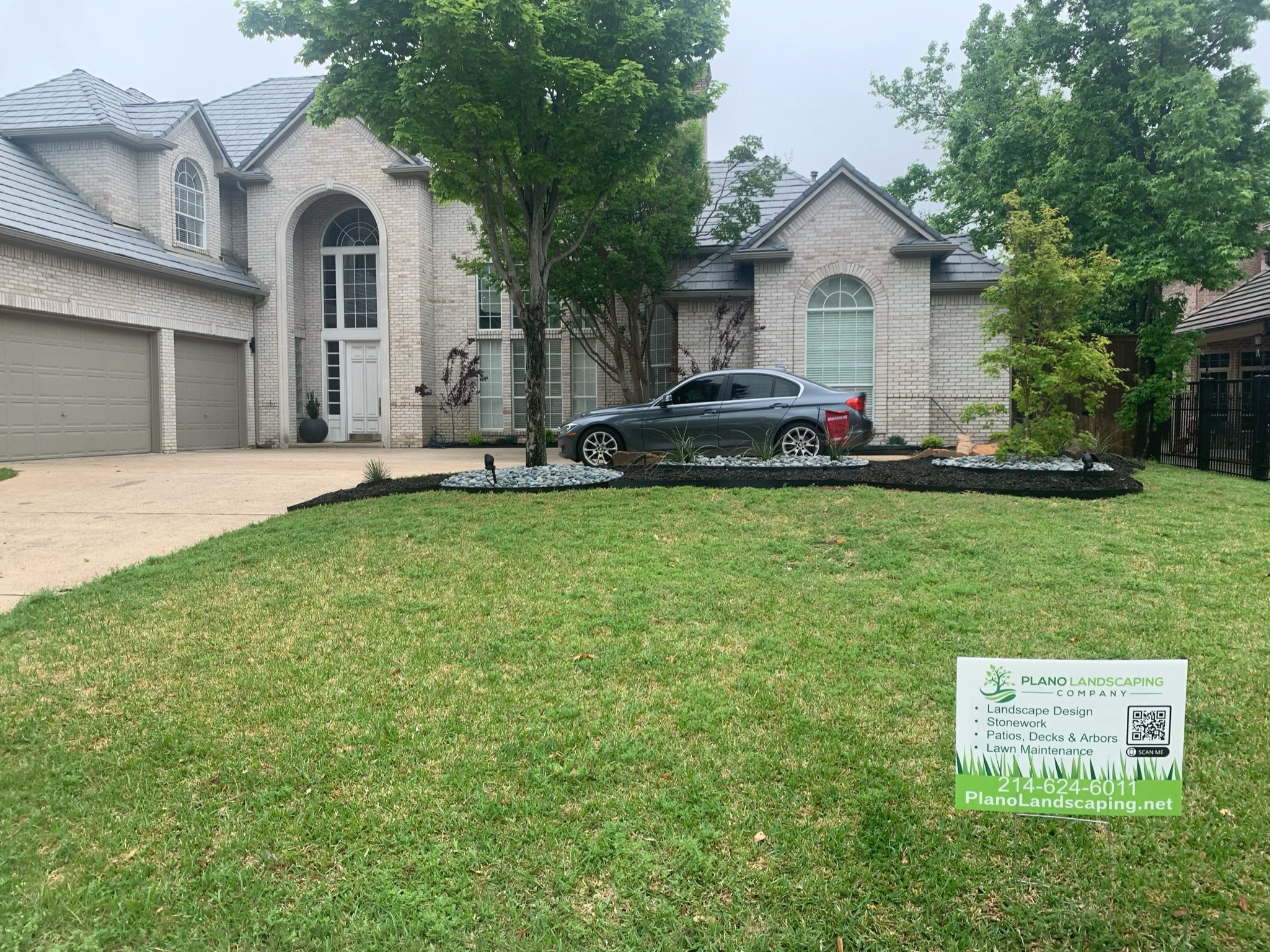
Most lawns do best with a consistent rhythm: mow often enough that you never remove more than about one-third of the grass blade at a time, trim edges on a regular cadence, and run irrigation only as needed. In Plano, TX, a practical starting point is weekly mowing during active growth, monthly landscaping cleanup, and periodic irrigation and drainage checks after storms or seasonal transitions. If your lawn is struggling, prioritize fixing watering coverage and lawn edges first, then adjust fertilization and mowing timing. For tailored landscaping services, consider partnering with a local landscaping contractor.
What to Check First
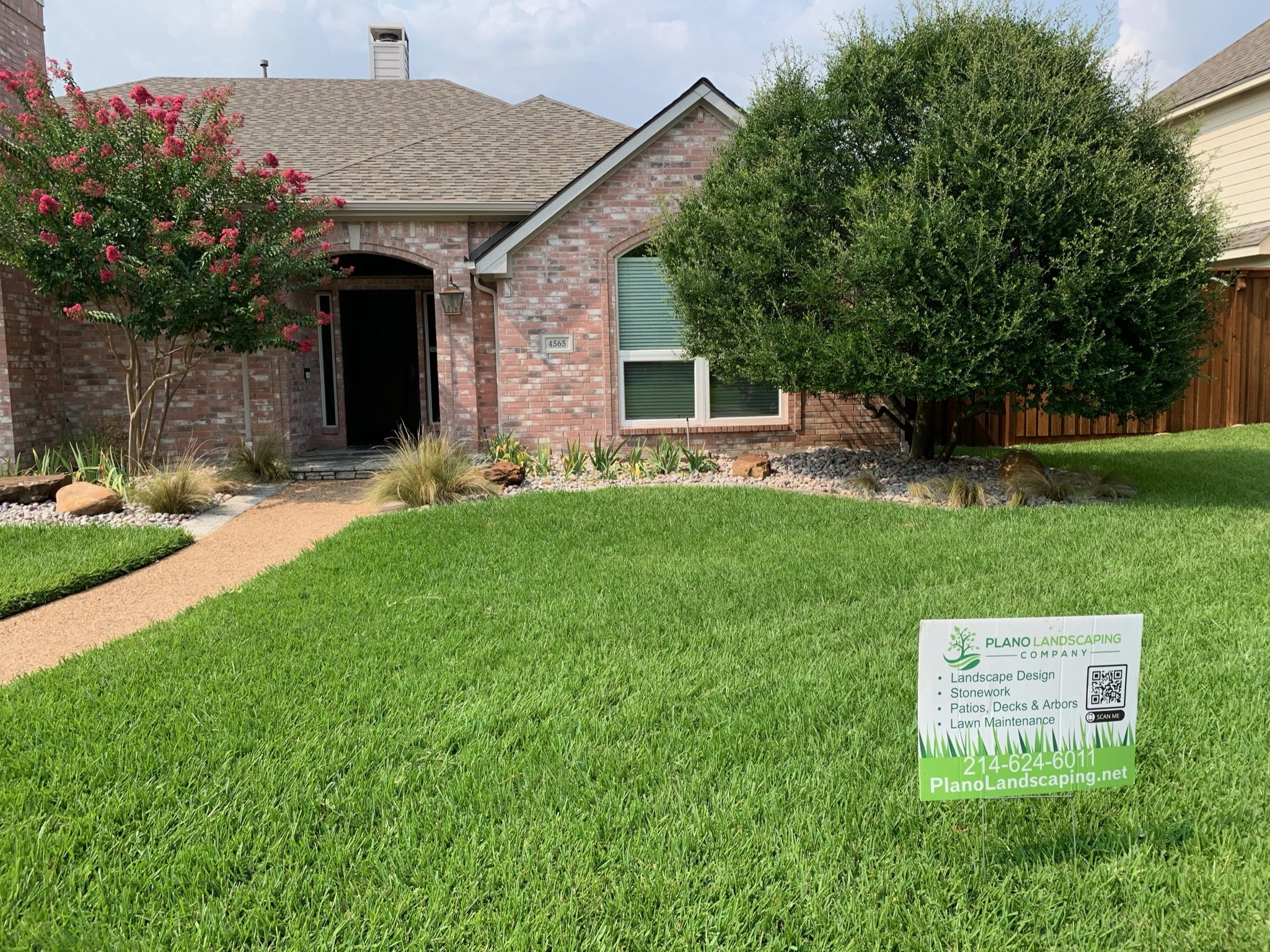
Before you change your schedule, confirm what is actually driving the problem. Start with mowing height and frequency, then inspect irrigation coverage and timing. Uneven watering is one of the fastest ways to create patchy areas, thin spots, and weed-friendly zones, especially where sprinklers overlap or miss along sidewalks and driveways.
Observe growth pace
If grass is growing quickly, you may need more frequent mowing. If growth slows, mowing can stretch out a bit without harming the lawn.
Check water patterns
Look for dry corners, puddled zones, and areas that stay damp longer than the rest. Those clues tell you where the schedule needs adjustment.
Inspect edges and trimming
Edges and around landscaping beds often show wear first. Regular landscape trimming and shrub/hedge upkeep can make the whole yard look cleaner.
If you are also working on the rest of your yard, maintenance frequency can shift. For example, after a change like sod installation or landscape installation, you typically need tighter watering and closer observation during establishment. You can review lawn care maintenance planning at Plano Landscaping Company’s lawn care maintenance page for a helpful starting point.
Main Things Customers Should Understand
Lawn care maintenance is not one single task. It is a set of habits that work together, and the right “how often” depends on what you have in your yard and how it receives water and sun. Here are the main items that should drive your schedule.
| Maintenance task | Typical cadence | What to watch for |
|---|---|---|
| Mowing | Weekly during active growth; slower when growth slows | Overgrown blades, uneven height, scalping in low spots |
| Landscape trimming (edges, shrubs, hedges) | Every few weeks during the growing season | Overhanging growth, messy border lines, plants crowding walkways |
| Irrigation run-time and coverage checks | Seasonally, and after storms or noticeable changes | Dry patches, oversaturated areas, drifting heads, water pooling near hardscape |
| Weed control through maintenance | Ongoing, with spot attention as needed | Weeds clustering in thin areas or along edges where water and mowing miss |
| Cleanup around hardscape | Monthly or as needed | Debris build-up at borders, grass clippings in paver joints, soil exposure after heavy rain |
| Drainage awareness | After heavy rain, and at seasonal transitions | Standing water, soil erosion, repeatedly wet low areas |
Professional observation: In Plano, TX yards, the most noticeable “maintenance failures” are often irrigation coverage problems and neglected edges. Fixing those two areas usually improves the look of the entire lawn faster than changing multiple tasks at once.
If you are seeing persistent drainage issues or water collecting near patios, pathways, or other hardscape, you may also need drainage solutions and yard removal services as part of a broader plan. When landscapes get reshaped, it is a good time to coordinate schedule changes so the lawn and planting areas recover together. If you are planning updates, you can explore irrigation installation and sprinkler system installation options.
Why This Matters in Plano, TX
In Plano, TX, lawn maintenance is often a balancing act between growth spurts and weather swings. When temperatures rise and growth accelerates, mowing frequency usually needs to tighten. When conditions cool or rain patterns shift, watering schedules often need to change, or you end up with dry zones or overwatering.
Local focus: Collin County properties frequently have a mix of mature landscaping and newer installs, plus hardscape like patios and pathways that can change how water moves across a yard.
If your property includes landscaping beds, trims, or features like pergolas, pathways, or outdoor living spaces, maintenance timing also changes around those zones. Keeping edges crisp and ensuring water reaches beds and turf evenly reduces stress and helps the lawn look uniform across the whole yard. For example, if you are updating the layout, you may want to plan around paver patio installation so the transition areas are maintained correctly as the landscape settles.
Need a maintenance plan that fits your Plano yard?
Share what you are seeing (patches, weeds, or irrigation concerns) and we can help you map an approach. You can reach Plano Landscaping Company at
(214) 624-6011Common Mistakes to Avoid
Most lawn problems do not come from one big mistake. They come from small schedule gaps that compound over time. Here are common missteps to avoid so your maintenance effort actually pays off.
- Waiting too long between mowing sessions, then cutting too much at once.
- Setting irrigation once and never re-checking coverage after seasonal changes.
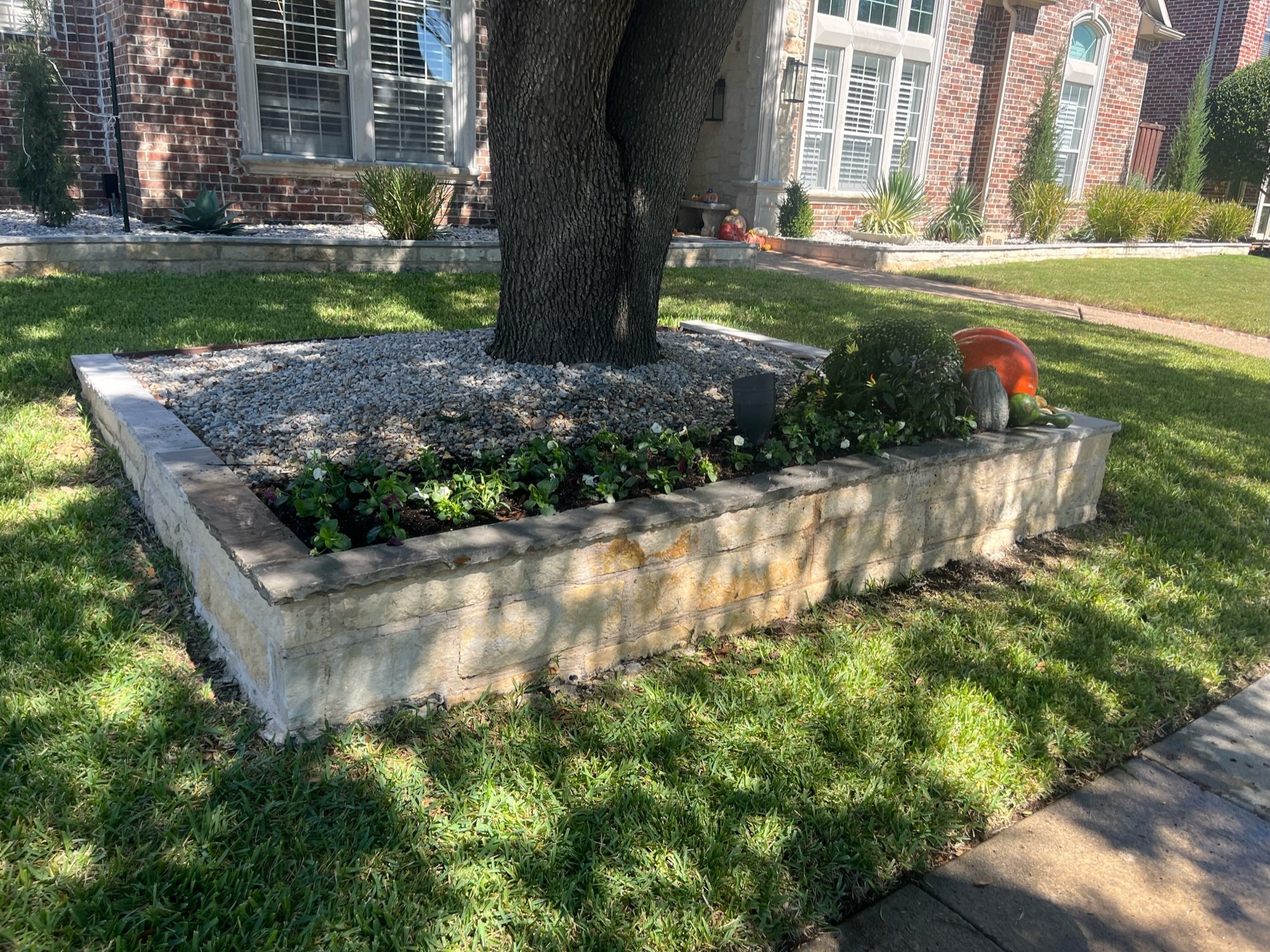
- Ignoring edge creep where grass and mulch beds meet, which makes weeds easier to establish.
- Overwatering problem areas instead of identifying why they are staying dry or wet.
- Letting debris pile up after storms or during high-growth periods, especially near pathways and patios.
- Changing multiple variables at once, which makes it harder to tell what actually helped.
If your lawn is being replaced or heavily modified, another common issue is skipping the stabilization phase after landscape installation. That is when consistent watering, cleanup, and close observation matter most. If you are considering a change, you can review landscape installation so your maintenance timing matches the work being done.
Customer Checklist
Use this checklist to keep lawn care maintenance on track. It is designed for homeowners and property managers who want a simple routine that stays flexible with weather and growth.
- Measure your mowing height and keep it consistent, adjusting frequency based on growth.
- Trim edges and borders regularly so the lawn and beds stay visually clean.
- Inspect irrigation coverage and check for dry or oversaturated areas.
- After storms, look for drainage problems near low spots and hardscape edges.
- Do a quick weed check along the areas that get missed most often: corners, fence lines, and around pathways.
- Plan monthly cleanup so clippings and debris do not build up and smother the turf.
Representative Scenario
In a Plano, TX neighborhood, a homeowner noticed their lawn looked thick in the center but thin along the driveway edge and around a nearby pathway. The mowing schedule was consistent, but irrigation coverage was uneven. After adjusting irrigation run-time and correcting where water landed, the lawn filled in more evenly. The homeowner also started trimming edges on a steady cadence, which made the yard look sharper while the turf recovered.
Frequently Asked Questions
How often should I mow my lawn in Plano?
During active growth, most lawns benefit from mowing about once per week, but the real rule is growth-driven timing. If your grass is growing quickly, mowing more frequently helps prevent removing too much blade at once. If growth slows, you can stretch out the schedule. If you are unsure, check how your lawn responds after each session and adjust based on blade height and consistency across the yard.
Should I water on a fixed schedule or based on conditions?
A fixed schedule can work only if your irrigation coverage stays consistent through the seasons. In Plano, TX, weather swings mean you should periodically re-check irrigation coverage and adjust run-time as needed. The goal is even moisture, not just more water. Look for dry patches, puddling, and areas that stay damp longer than the rest, then fine-tune from there.
How often should I trim shrubs and hedges for a neat lawn look?
Many yards do best with trimming every few weeks during the main growing season, and less often when growth slows. The best cadence depends on how fast your shrubs and hedges fill in and how close they are to lawn edges, pathways, and fences. Regular landscape trimming helps keep borders crisp, reduces overcrowding, and makes the lawn look more uniform even between mowing cycles.
What is the quickest way to improve a patchy lawn?
Start by identifying whether the issue is watering coverage, mowing height, or drainage-related. Patchiness often shows up along edges and low spots first. If your center looks healthier than the perimeter, irrigation coverage or edge maintenance may be the driver. A practical next step is to inspect sprinkler patterns and then adjust your mowing and edge trimming so the lawn and borders get consistent care.
Do I need lawn care maintenance if I have hardscape like patios and pathways?
Yes. Hardscape does not replace lawn care, and it can even change how water moves across your yard. Areas near patios, pathways, and paver joints can become wetter or drier than the rest of the lawn. Keeping up with mowing, edging, cleanup, and irrigation checks helps prevent uneven growth and keeps the transition lines tidy.
Ready to tighten up your lawn care maintenance schedule?
Plano Landscaping Company can help you coordinate mowing, trimming, irrigation-focused maintenance, and landscape updates across your Plano, TX property. If you want a straightforward plan that matches what your yard needs, call today.
Call (214) 624-6011
About Plano Landscaping Company
Plano Landscaping Company provides landscaping services for homeowners and property managers in Plano, TX and throughout Collin County. Our team focuses on practical yard improvements like irrigation installation, lawn care maintenance, landscape installation, and outdoor upgrades that help your property look consistent and stay easier to maintain.