
How Often Should You Schedule Landscape Removal?
If your yard in Plano is starting to look overgrown, uneven, or “stuck” with old materials, you may be wondering whether removal should be a one-time project or a recurring service. This guide helps you decide a realistic schedule for landscape removal and what to check before you commit.
A common situation we see around Plano is a homeowner who landscaped years ago, then tried to “work around” what was already there. Over time, old beds, rooted stumps, compacted turf, and mixed materials can make new planting or hardscapes harder to install and maintain.
The question usually sounds simple, but the answer depends on what you are removing, what is underneath, and what your goals are for the next phase of your yard. Scheduling too rarely can leave you fighting the same issues. Scheduling too often can add unnecessary disruption.
- Quick answer
- What to check first
- Main things customers should understand
- Why this matters in Plano, TX
- Common mistakes to avoid
- Customer checklist
- Frequently asked questions
Quick Answer
In most Plano yards, landscape removal is not a strict “every X months” task. Instead, schedule removal when you are switching materials (like old beds, turf, or stonework), when growth is outpacing maintenance, or when the base is too compact or uneven for a clean installation. Many homeowners plan removal as a one-time step before new landscape installation, with a lighter cleanup check each season. If you see drainage problems or persistent regrowth, it is usually time to assess sooner.
What to Check First
Before you schedule landscape removal, walk your property and identify what problem you are actually trying to solve. Are you dealing with old turf that keeps coming back, shrubs that have outgrown their space, or a bed that has become a mix of weeds and compacted soil? A clear target helps you choose the right scope, whether that is a partial removal of specific areas or a full reset of an entire zone.
Look for “stuck” zones
Areas where weeds return quickly, roots spread, or materials have sunk into the soil often need more than trimming.
Check the base, not just the surface
Uneven grades, compacted ground, and buried debris can cause new planting and hardscapes to fail early.
Match removal to your next step
If you plan to add pavers, sod, or irrigation changes, removal timing should align with the installation schedule.
Main Things Customers Should Understand
Landscape removal frequency depends on what is currently in the ground and how your yard is being used. Some situations call for one-time removal, while others need periodic “maintenance removal” to keep beds and edges from reclaiming the space.
Professional observation: If the goal is a clean start, the most reliable timing is when you are ready to install new landscaping, drainage solutions, or hardscape elements right after removal.
| Yard situation | Typical removal approach | How often to plan removal |
|---|---|---|
| Old landscaping beds with heavy weed pressure | Targeted removal and reset of bed material where roots and debris are concentrated | Often once, then maintain with seasonal trimming |
| Overgrown shrubs or hedges | Selective removal for replanting or layout changes | Usually as-needed (not routine), especially before major replanting |
| Turf replacement or new lawn installation | Remove existing turf and prep the ground for sod or new lawn | Once per lawn project, then maintain regularly |
| Uneven areas under hardscape | Remove existing layers so base prep and leveling can be done correctly | Once before paver patio, pathway, or related installation |
| Drainage concerns affecting plant health | Removal plus evaluation of yard drainage solutions and grading changes | As-needed, often planned before irrigation or landscape upgrades |
If you are thinking about changing irrigation or improving water flow, removal can be part of the setup. For example, when you are planning irrigation and sprinkler system installation, you want the ground cleared and accessible so lines and components can be installed cleanly.
Why This Matters in Plano, TX
Plano summers and seasonal rainfall patterns put stress on areas that are already uneven or clogged with old plant debris. When water does not move the way it should, you often get a cycle: plants struggle, weeds take advantage, and the yard starts to look “behind” no matter how much trimming you do. In Collin County, homeowners also run into older landscaping layouts that do not match how families use outdoor living spaces today, so removal becomes a practical step toward a better layout and easier maintenance.
One firsthand-style detail we notice on many properties: old bed edges and buried material can create hidden pockets where plants never truly settle. Even if the surface looks okay for a season, those pockets can keep causing uneven growth and make future installs harder.
Get a removal scope that fits your next project
If you are planning landscape removal in Plano and want it to support what you are building next, a quick walkthrough can help you choose the right areas and timing.
Schedule landscape removal with Plano Landscaping CompanyCommon Mistakes to Avoid
Most removal problems come from skipping the “why” and focusing only on the “what.” If you remove the wrong areas or do it before you plan the next installation, you can end up paying again to fix what was missed.
- Removing too little when the real issue is roots, buried debris, or an uneven base that will interfere with new installation.
- Removing at the wrong time and then waiting too long to install what comes next, which can let weeds and compacted soil set in.
- Trying to “cover” problems instead of addressing drainage or grade, leading to recurring plant stress.
- Ignoring irrigation layout when the removal zone includes sprinkler lines, valves, or water coverage needs.
- Skipping a plan for edges so new beds, pathways, or paver patio edges do not get overtaken over time.
Customer Checklist
Use this quick checklist to decide whether you should schedule landscape removal now, later, or as a one-time project tied to your next install.
Action checklist: Pick the items you recognize, then match removal timing to your installation plans.
- Are there areas where weeds or regrowth keep returning within the same boundaries?
- Do existing beds or turf sections look uneven, sunken, or “built up” over time?
- Are you planning a new project soon, such as paver patio installation or a pathway update?
- Do water spots, muddy patches, or poor plant performance suggest a drainage or grading issue?
- Will removing the area expose existing irrigation components that need adjustment?
- Do you want a cleaner, more maintainable layout for outdoor living in Plano?
Representative scenario
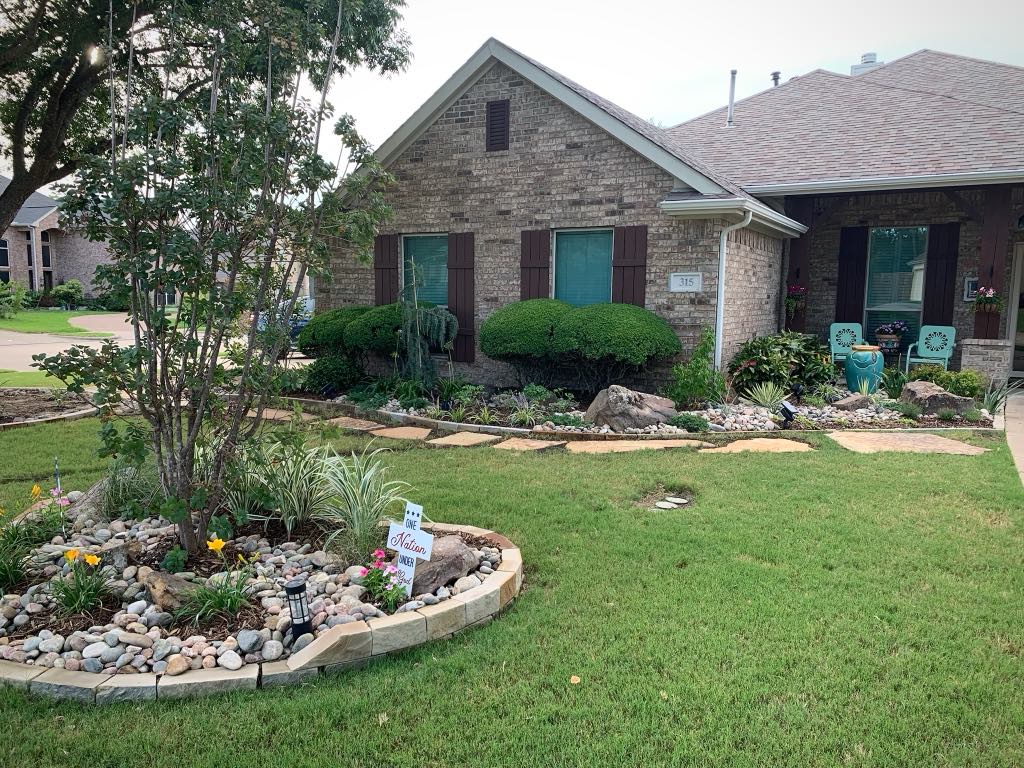
A Plano homeowner had old landscaping beds along the front of the property. They tried to refresh the look with trimming and top dressing, but the same areas kept looking weedy and uneven. After reviewing the yard, the removal plan focused on clearing the problem zones so the next landscaping could be installed with a more consistent base and cleaner edges. The result was not just a “cleanup,” it was a setup for easier ongoing lawn care and maintenance and a more cohesive look.
Frequently asked questions
Here are the questions we hear most often from homeowners and property managers in Plano and Collin County.
Do I need landscape removal every year?
Usually, no. Many yards only need landscape removal when switching materials, resetting a bed layout, or addressing an uneven base that is affecting new installs. For ongoing maintenance, seasonal trimming and upkeep can often prevent the need for frequent removal. If you notice persistent regrowth in the same spots or the ground is uneven, it is a sign to schedule removal as a one-time project tied to your next landscaping step.
What is the best time of year to schedule removal in Plano?
The best timing is when you can follow removal quickly with what comes next. If you are planning a full refresh, coordinate removal with your installation schedule so the area does not sit exposed and invite weeds. Your plan may also depend on whether you are pairing removal with sod installation, irrigation changes, or hardscape work such as pathways or patios.
How do I know if I should remove turf or just maintain it?
If your lawn is struggling because of uneven ground, persistent problem patches, or a plan to install sod or new lawn, removal may be the right step. If the turf is generally healthy and only needs care, then maintenance and targeted trimming could be sufficient. A practical test is whether the same areas keep failing after regular maintenance, which often points to a base or drainage issue that removal can help address.
Does removal affect irrigation or drainage?
It can. If the removal zone includes sprinkler lines, valves, or areas where water flow is already managed, adjustments may be needed after clearing. If drainage is part of the problem, removal can also be paired with yard drainage solutions and grading changes so water moves where you want it. Coordinating removal with irrigation installation helps avoid rework.
Should I remove everything or only the problem areas?
Often, targeted removal makes the most sense. Clearing only the problem zones can reduce disruption while still fixing the underlying issue, such as rooted growth in a bed or an uneven section under a planned patio area. A full reset may be best when the overall layout is outdated or multiple zones are failing together. The right choice depends on your goals and what is underneath the surface.
Ready to cleanly reset your yard?
If you are considering landscape removal in Plano, Collin County, or nearby areas, Plano Landscaping Company can help you plan removal that supports your next landscaping and maintenance goals.
Call (214) 624-6011
About Plano Landscaping Company
Plano Landscaping Company provides landscaping services across Plano, TX and Collin County, TX, including landscape removal and related installation work such as lawn care maintenance, irrigation installation, paver patio installation, pathway installation, sod installation, and landscape lighting installation.