
Sod Installation After Dead Spots and Patchy Grass
If you have a few thin areas that never quite fill in, the problem is usually more than “grass seed not working.” In Plano, TX, patchy turf often points to a mix of soil issues, foot traffic wear, irrigation coverage gaps, or drainage that does not behave the same across the yard.
One common scenario we see around Plano is a lawn that looks great in most places, but certain spots stay weak year after year. You water, you watch the weather, and still those areas look dull, thin, or dead compared to the rest of the yard.
This guide will help you understand what usually causes dead spots and patchy grass, what to check before sod goes down, and how to plan a repair that actually matches the surrounding turf. It is written for homeowners and property managers who want a clean, practical path to a more consistent lawn in Plano, TX.
- Quick answer
- What to check first
- Main things customers should understand
- Why this matters in Plano, TX
- Common mistakes to avoid
- Customer checklist
- Frequently asked questions
Quick Answer
Dead spots and patchy grass usually need a two-part fix: correct the cause (soil, drainage, irrigation coverage, or wear) and then install sod with proper site prep so the new turf can root quickly. Before any sod installation, check irrigation coverage, confirm the area is not staying overly wet or overly dry, and remove failing vegetation down to stable soil. If the rest of the lawn is healthy, targeted sod installation services can give you a faster, cleaner blend than waiting for seed to catch up.
What to Check First
Start by walking the lawn with a “pattern” mindset. Dead spots and patchy grass often show up in repeatable shapes: near sprinkler heads, along edges, in low spots, or where foot traffic is consistent. In Plano, TX, those patterns matter because irrigation schedules and sun exposure can vary block by block, and drainage can shift across an older yard.
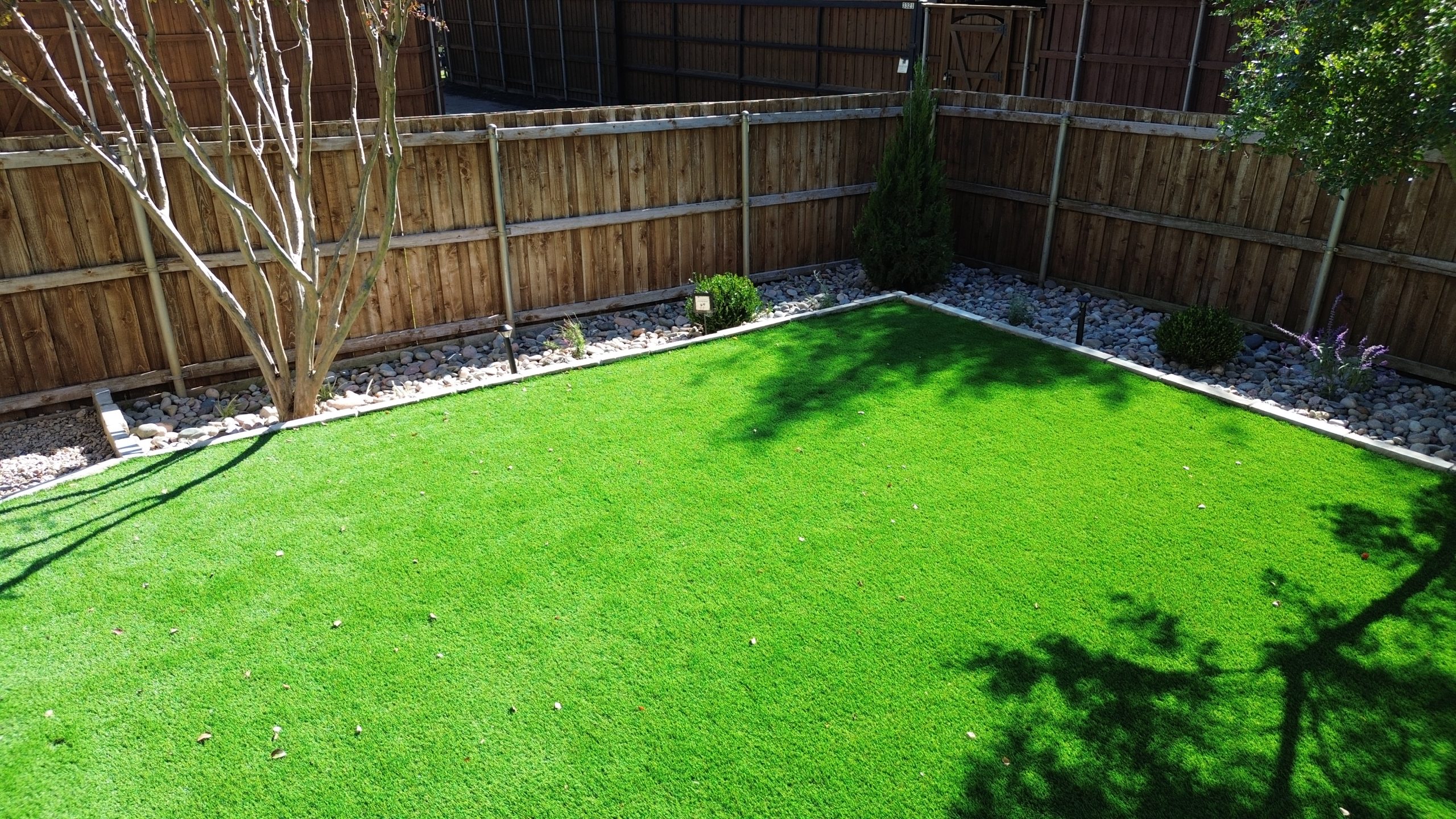
- Identify the boundary: Mark where the turf transitions from healthy to patchy or dead.
- Check irrigation coverage: Look for dry rings, overspray, or areas that stay damp longer than the rest of the yard.
- Assess soil stability: If the area feels soft, compacted, or uneven, sod will not lay flat and root evenly.
- Inspect drainage behavior: After a rain or irrigation cycle, note whether water pools or runs off too quickly.
- Confirm the edges: If the patch is surrounded by thick, healthy turf, you will need clean cuts so seams do not show.
Main Things Customers Should Understand
Sod installation is not only about placing grass rolls. The best results happen when the installation matches the ground conditions beneath it. When dead spots are caused by irrigation gaps, the new sod may start strong and then thin again. When the issue is drainage, the sod can stay stressed and never blend.
Professional observation: The most common reason patchy areas “come back” is that the underlying cause was not addressed during preparation.
Site prep that makes the difference
Proper prep usually includes removing failing grass and thatch, then creating a consistent base so the sod sits level. If the area has uneven soil or compacted zones, sod seams can lift or dry out faster than the rest of the lawn. For lawns in Plano, TX, this is especially important where yards may have settled over time.
Irrigation coverage and timing
Even a small mismatch in sprinkler coverage can create repeat patch patterns. If a head is angled incorrectly, clogged, or hitting a boundary zone, you can get thin grass that looks like it is “never improving.” If your system needs attention, you may also want to review sprinkler system installation and irrigation support as part of the repair plan.
Blending and seams
Customers often want the repair to disappear. That typically means clean excavation lines, tight seams, and a plan for watering until the sod establishes. If the surrounding lawn is thick, the seam area can dry out if watering is not consistent, so preparation and aftercare matter.
| What you’re seeing | Likely cause | What to plan for |
|---|---|---|
| Small dead rings near sprinkler heads | Coverage gaps, overspray, or inconsistent watering | Confirm irrigation output first, then prep and install sod |
| Patchy strips along edges or sidewalks | Soil compaction, limited water reach, or drainage changes | Remove failing turf, level the base, and address moisture flow |
| Low spots that stay damp after watering or rain | Drainage patterns that do not match the lawn’s needs | Correct base conditions so sod is not constantly stressed |
| Thinning from heavy foot traffic | Wear and soil compression over time | Prepare to restore a stable surface, then install sod |
Why This Matters in Plano, TX
In Plano, TX and across Collin County, lawn problems can show up quickly after seasonal swings. A spot that looks “mostly fine” in one part of the year can become visibly patchy when watering patterns change, when the yard dries out unevenly, or when drainage shifts around landscaping edges. That is why targeted sod repairs work best when the team treats the lawn like a system, not a single patch.
A lawn repair often connects to the rest of your landscape
If the dead spots are near existing beds, hardscape edges, or irrigation components, the fix may overlap with other services. For example, if you are planning broader updates, you can pair sod installation with landscape installation so grades and borders stay consistent. If you are also updating walkways or patio edges, it can help to coordinate timing with pathway installation to avoid rework.
Need a sod repair plan for dead spots in Plano?
Share what you are seeing and where the patch is located. Plano Landscaping Company can help you plan targeted sod installation services and coordinate the prep so the new turf has the best chance to blend.
Call Plano Landscaping CompanyCommon Mistakes to Avoid
The fastest way to end up with another patch is to skip key steps. Here are the most common dead-spot pitfalls we see during lawn repairs in Plano, TX.
Installing sod over unstable soil
If the base is uneven or compacted, seams can lift and roots can struggle. Sod needs a stable surface to root evenly.
Ignoring irrigation coverage issues
When a sprinkler head is not hitting the area consistently, new sod can thin again. Coverage checks should happen before installation.
Leaving failing turf and thatch behind
If old, failing growth remains, it can interfere with leveling and make the new turf blend poorly along the edges.
Customer Checklist
Use this practical checklist to stay organized during your sod repair in Plano, TX. It helps you ask the right questions and make sure the work matches the cause of the dead spots.
- Map the area: Take notes on where the dead spots and patchy grass appear in your yard.
- Confirm watering: List your irrigation schedule and whether any heads have been adjusted recently.
- Check drainage behavior: Note any pooling spots after watering or rain.
- Plan for site prep: Ask how failing turf will be removed and how the base will be leveled.
- Coordinate with nearby work: If you are also updating edges, paths, or hardscape, align timing so the lawn does not get disturbed after installation.
Representative Scenario: Patchy Grass in a High-Traffic Corner
A homeowner in Plano, TX reports a corner of their front yard that stays thin even when the rest of the lawn looks healthy. The area is near a walkway and gets frequent foot traffic. On inspection, the patch pattern follows the path people take, suggesting soil compaction and uneven moisture. The repair plan focuses on removing failing turf, preparing a stable base, and installing sod with careful attention to seams and watering consistency until the new turf establishes.
Frequently Asked Questions
If you’re deciding between repair options, these questions come up most often for homeowners dealing with dead spots and patchy grass in Plano, TX.
Will sod installation fix dead spots permanently?
Should I reseed or install sod for patchy grass?
How do I know if the problem is irrigation or soil?
Can hardscape edges affect sod repairs?
What should I do right after sod installation?
Ready to upgrade your lawn in Plano?
If you have dead spots or patchy grass that keep coming back, targeted sod installation services can be a practical repair path. Plano Landscaping Company can help you plan the prep and installation so the new turf blends with the rest of your lawn.
View Sod Installation Services
About Plano Landscaping Company
Plano Landscaping Company provides landscaping services in Plano, TX, including sod installation services and related lawn and landscape work for homeowners and property managers across Collin County. If your yard has dead spots, patchy grass, or irrigation and site-prep challenges, our approach focuses on the conditions that affect how turf establishes and blends.