
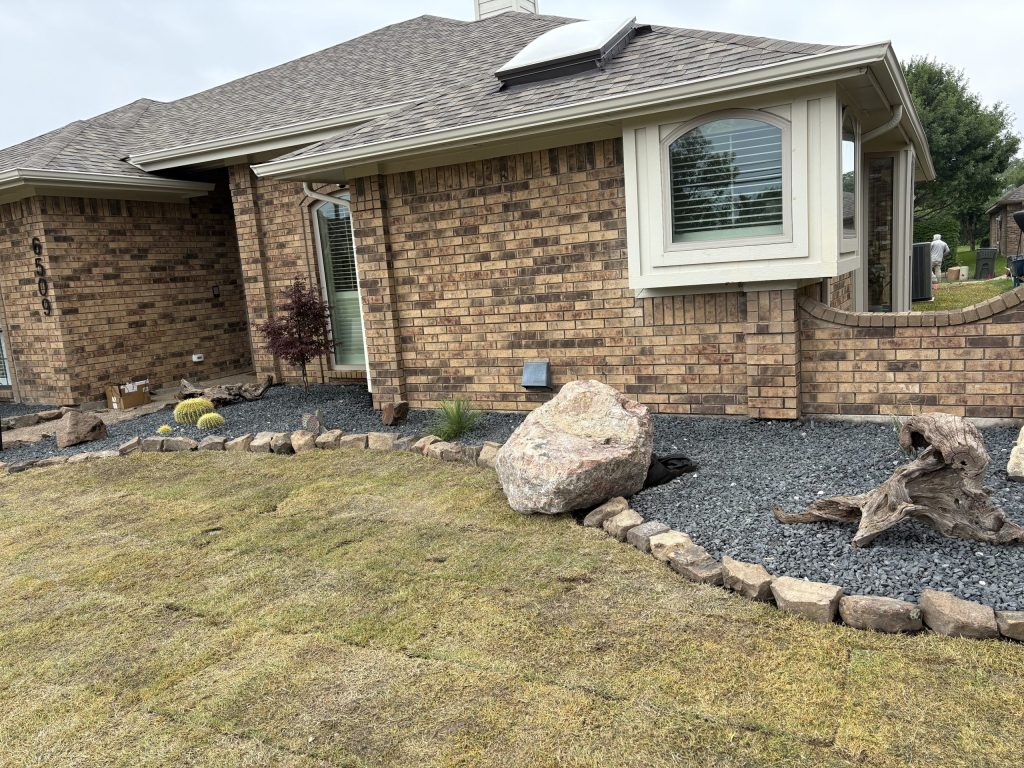
Need Landscape Removal After Storm Damage? Get Help
After a storm rolls through Plano, TX, it is common to find damaged plantings, displaced mulch, fallen branches, and areas that look impossible to “just clean up.” This guide helps you sort what needs removal now, what can wait, and how to protect your yard before you rebuild.
One week after strong weather, many Plano homeowners notice their front beds look “melted” together. Mulch is pushed into the lawn, shrubs are bent or uprooted, and the walkway is partly buried in debris. The longer you wait, the more likely it is that saturated soil and broken plant material will spread the mess deeper into the property.
If you are staring at a yard that needs more than sweeping, you are probably wondering: should you remove everything right away, or save what can be salvaged? This article will help you make a practical plan for landscape removal, understand what to inspect first, and prepare for the next step of landscape restoration.
- Quick answer
- What to check first
- Main things to understand
- Why this matters in Plano, TX
- Common mistakes to avoid
- Customer checklist
- Frequently asked questions
Quick Answer
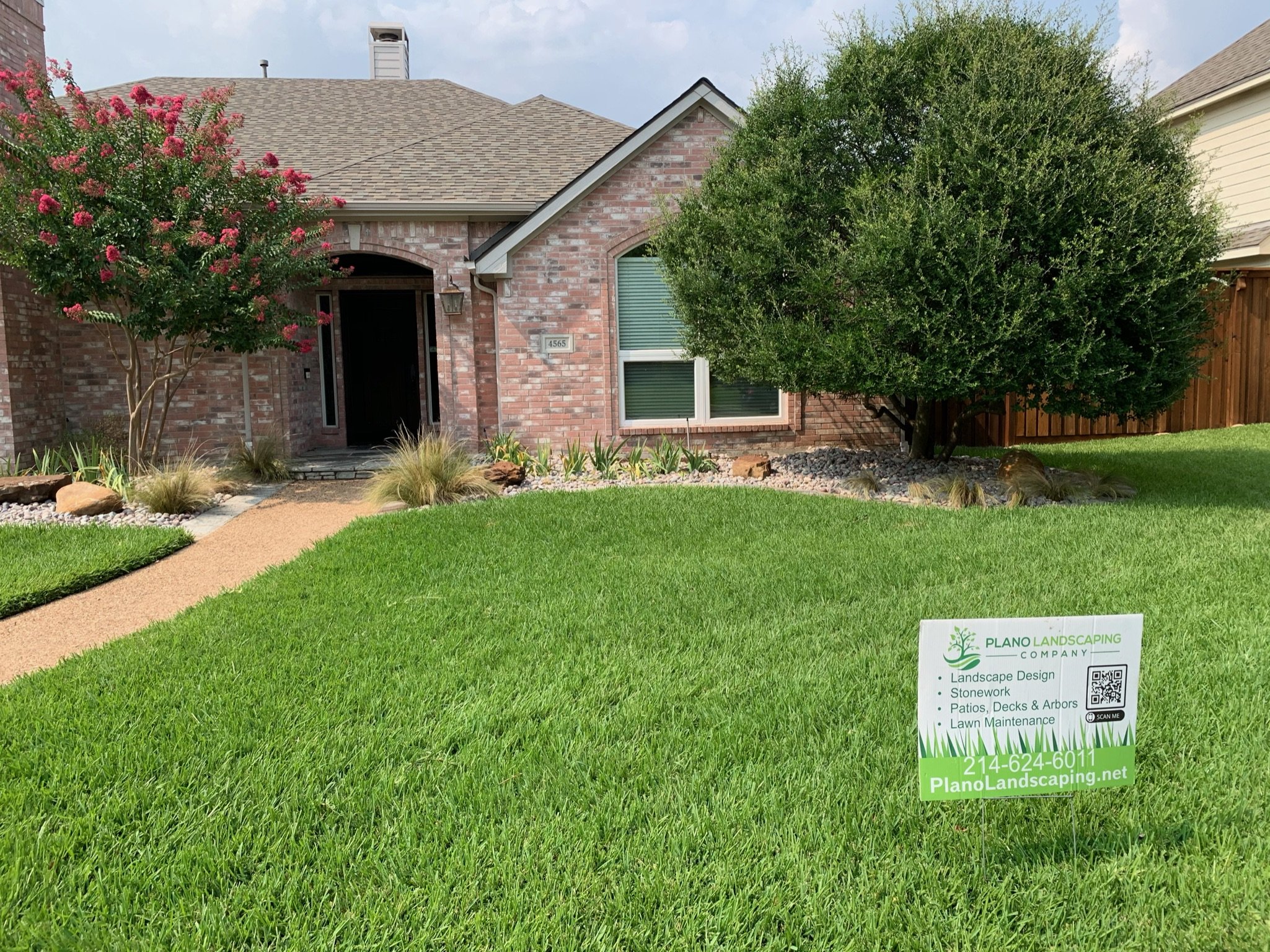
If storm debris damaged your landscape, prioritize removal of anything that is broken, buried, or blocking drainage before you rebuild. Start by clearing loose branches and wet, displaced mulch, then inspect irrigation lines and low spots where water collects. If you see broken sprinkler heads, pooling water, or plants that are uprooted, plan for professional landscape removal so the base is stable for replanting, sod, or hardscape. A clean site also makes it easier to spot which areas need repair versus replacement.
What to Check First
Before you start pulling everything out, walk the property and identify the “problem zones.” In Plano, TX yards, the most common storm-related issues are uprooted shrubs, scattered mulch, and debris that has settled along edges. Pay special attention to areas near downspouts, along fences, and where water tends to run after rain.
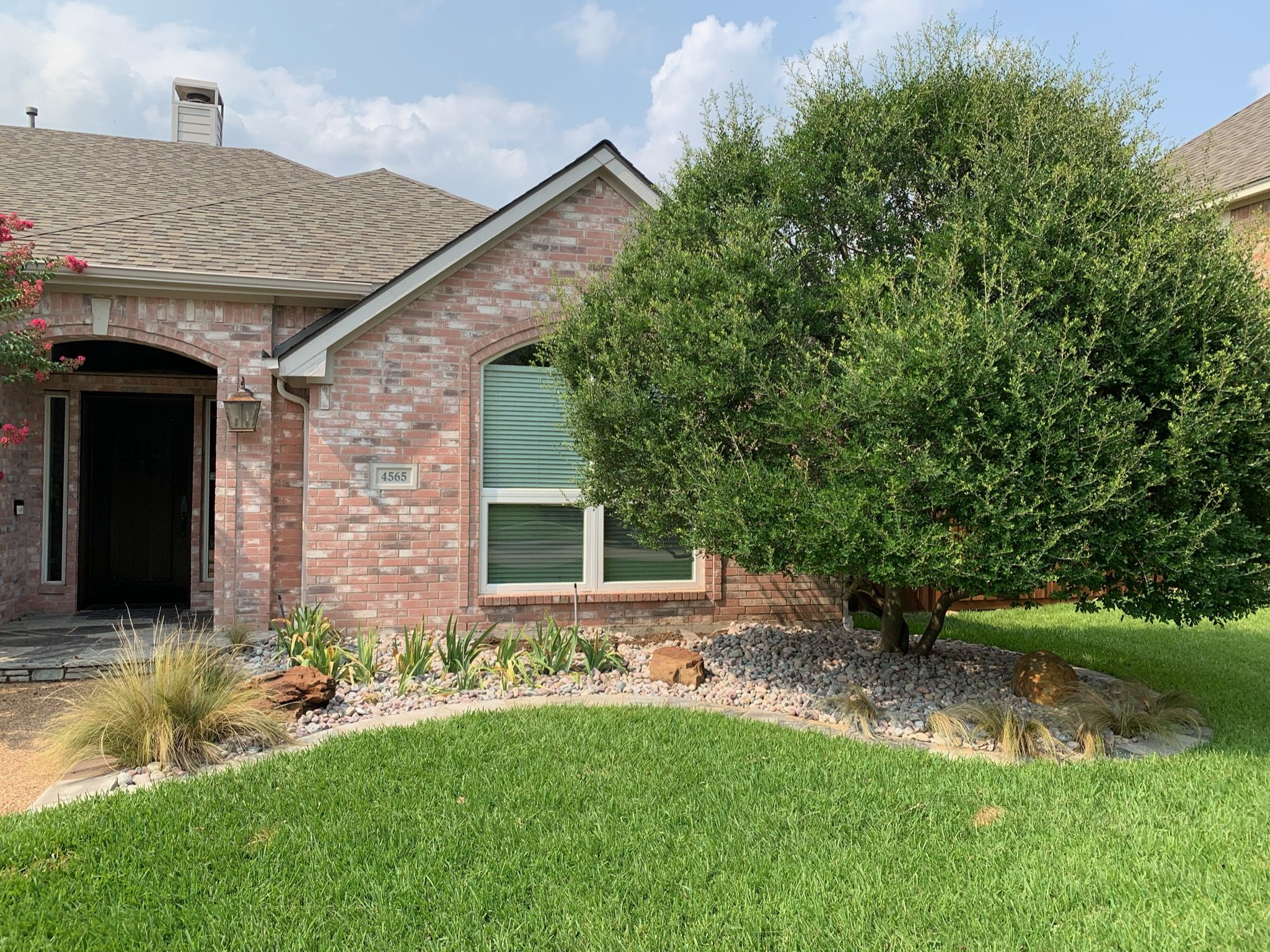
Professional observation: The cleanest rebuilds usually start with accurate site prep, not aggressive digging. If the ground is still saturated, removing too early can turn a manageable cleanup into a muddy mess that takes longer to stabilize.
Check drainage paths
Look for buried debris near curbs, walkways, and foundation edges. If water can no longer follow its normal route, it may pool and damage plants and hardscape.
Inspect irrigation impact
Storms can shift heads, crack lines, or expose fittings. If you plan irrigation installation later, start by documenting what looks broken now.
Separate salvage from replacement
If a plant is only partially bent, it may recover. If it is uprooted, split, or buried under debris, plan for removal so you can restore the landscape bed correctly.
Next, decide whether you need removal only, or removal plus base repair. If you are dealing with lawn areas that were covered in debris or displaced soil, you may be better off addressing the surface before planting or laying sod. For lawn restoration after cleanup, consider reviewing lawn care maintenance so the yard has the right foundation to come back.
Main Things Customers Should Understand
Landscape removal after storm damage is not just about clearing the yard. It is about resetting the site so your next step, whether that is landscape installation, sod, or hardscaping, has a stable base. In Plano, TX, the soil and seasonal swings can make a “temporary cleanup” look fine for a few days and then fail once the next rain hits.
| What you’re seeing after the storm | Typical next step | Why it matters for rebuild |
|---|---|---|
| Uprooted shrubs or plants buried under mulch | Targeted landscape removal | Prevents dead material from trapping moisture and helps beds look even for replanting. |
| Low spots where water collects | Removal plus grading and drainage attention | Standing water can damage plants and undermine pavers or edging. |
| Sprinkler heads knocked out of alignment | Inspect irrigation lines, then repair or plan installation | Broken spray patterns can create dry patches or overwatering. |
| Mulch washed into walkways or beds | Cleanup and bed reset | Fresh edges keep landscaping looking intentional and reduce mess reoccurrence. |
| Debris scattered across lawn | Surface cleanup before turf restoration | A clean, level surface supports new growth. |
Professional observation: The most time-consuming “surprises” usually show up once debris is cleared. You might uncover a hidden irrigation issue, a shifted border, or a drainage problem that was masked by debris.
Why This Matters in Plano, TX
In Plano, TX and across Collin County, cleanup timing affects how well your yard recovers. Storm damage often leaves a mix of wet soil, disturbed plant roots, and scattered materials. If you remove the wrong areas too early, you can create additional erosion. If you wait too long, debris can compact and make it harder to reset beds, edges, and surfaces.
When you are planning restoration, consider how the rest of your property connects. For example, if you also have patios, decks, arbors, or pathways that were stressed by weather impacts, your cleanup should match the rebuild plan. If you are moving toward outdoor living upgrades, explore related options like pathway installation or paver patio installation so the base work aligns with the final layout.
Common Mistakes to Avoid
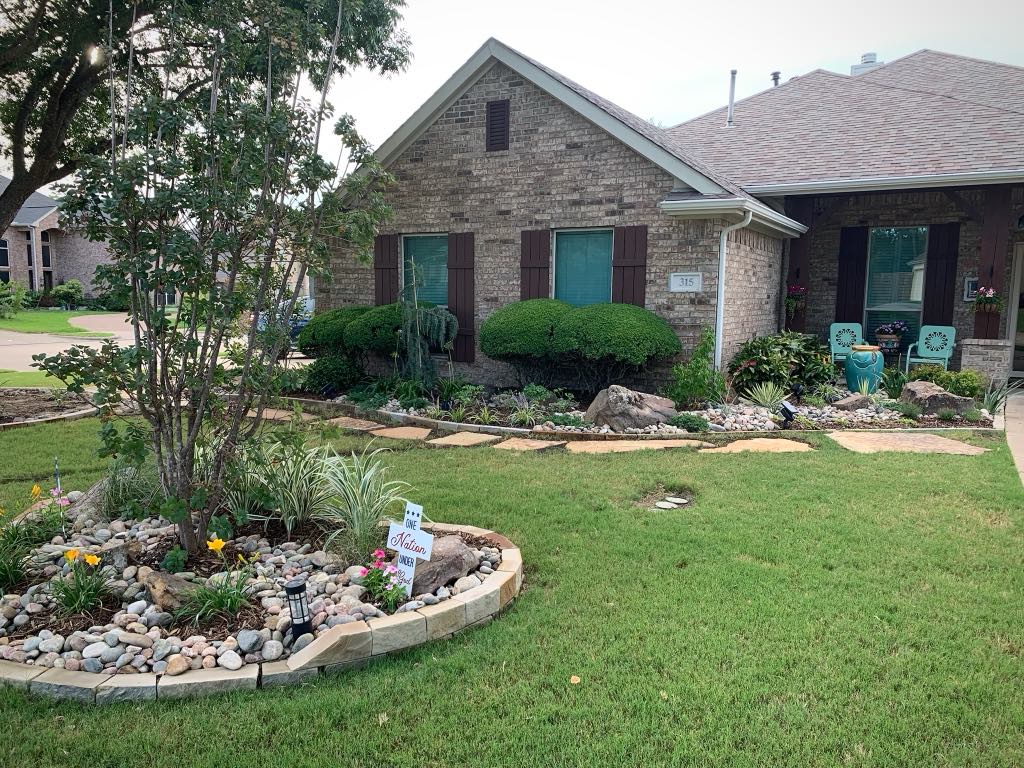
Storm cleanup can feel urgent, especially when you want the yard back to normal for guests or everyday use. The problem is that a quick cleanup often misses the underlying issues that cause problems later. Here are the most common mistakes we see during landscape removal projects in Plano, TX.
- Removing everything without checking irrigation: If sprinkler components are damaged, you can end up with dry zones or muddy areas after repairs.
- Digging into saturated soil: It can widen the disturbed area and delay stabilization for replanting or turf.
- Leaving buried debris in beds: Twigs, branches, and wet clippings can trap moisture and contribute to plant stress.
- Ignoring low spots and runoff routes: If water has nowhere to go, it will keep collecting even after you “finish” the cleanup.
- Skipping bed edge resets: Beds that are not re-established can look uneven and will keep getting messy during the next rain.
If you are unsure whether your situation needs removal only or removal plus repair, start with a walkthrough. A clear plan helps you avoid redoing work after you discover drainage or irrigation issues.
Need Landscape Removal Help in Plano?
Get a practical cleanup plan for storm-damaged beds, debris, and damaged areas. Call Plano Landscaping Company for guidance on what to remove now and what to address before rebuilding.
Explore Landscape RemovalCustomer Checklist
Use this checklist to stay organized while you plan your storm cleanup in Plano, TX. It is designed to help you communicate clearly and avoid missing the details that affect the rebuild.
- Walk the property and mark the damaged zones (front beds, side yards, near downspouts, and along pathways).
- Note any pooling water areas and where runoff appears to slow down.
- Check for obvious irrigation damage: knocked heads, exposed fittings, and broken spray patterns.
- Identify what is uprooted, buried, or broken so removal can be targeted.
- Plan your rebuild sequence: cleanup first, then repairs, then replanting or turf restoration.
- If you are restoring lawn areas, review turf options like sod installation so you know what the next step requires.
Representative Scenario
A Plano homeowner reported that after a storm, their front yard mulch was washed into the lawn and three shrubs were bent and partially buried. They also saw water collecting along the walkway after rain. The cleanup started with clearing debris and resetting the bed edges, then inspecting the irrigation area for misalignment. Once the site was stable, they planned the next step of restoration so the yard could return to a clean, intentional layout instead of repeating the same mess during the next weather event.
Frequently asked questions
If you are dealing with storm damage, you probably have a few practical questions about what removal includes and how to prepare for restoration. Here are the most common ones we hear from homeowners in Plano, TX.
How do I know whether I should remove plants or try to salvage them?
Start with the obvious signs: uprooted plants, broken stems, and anything buried under debris usually needs removal so it does not trap moisture or stall the rebuild. If a plant is only bent or slightly damaged, it may recover depending on how far the roots were disturbed. After a quick inspection, you can separate salvageable items from those that should come out to keep your beds healthy and even looking.
Should I worry about drainage before I rebuild my landscape?
Yes. If water pools in the same spot after rain, the site needs attention before you reinstall beds, turf, or hardscape. Even a good-looking cleanup can fail if runoff cannot move where it should. Clearing debris is the first step, but identifying low spots and runoff paths helps you avoid repeating the problem.
What irrigation issues can storm debris cause?
Storms can knock sprinkler heads out of position, expose fittings, and disrupt spray patterns. Debris can also cover parts of the system, making it harder to spot problems later. If you are planning replanting or turf work, it is smart to inspect irrigation first so the rebuilt landscape does not suffer from dry areas or overwatering.
Can I do landscape removal myself?
You can handle small, light debris, but storms often leave tangled plant material, uneven surfaces, and irrigation or drainage concerns. If the cleanup involves uprooted shrubs, disturbed beds, or areas near irrigation, professional removal can reduce the risk of making the site worse. A targeted approach also helps you prepare the ground correctly for the next phase of restoration.
What should I plan for after removal?
After removal, plan your rebuild sequence: address drainage and irrigation concerns, then restore beds and lawn surfaces. Depending on what was damaged, you may be looking at landscape installation, turf restoration, or hardscape resets. If you want to add structure outdoors, you can also coordinate with projects like pergola installation or fence installation so the cleanup and base work support your final layout.
Ready to Reset Your Yard in Plano?
Get help planning landscape removal after storm damage, then move forward with restoration that fits your property. Call Plano Landscaping Company at (214) 624-6011 or review our service page.
Start with Landscape Removal
About Plano Landscaping Company
Plano Landscaping Company provides landscaping services across Plano, TX and Collin County, TX, including landscape removal and restoration, irrigation installation, landscape installation, lawn care maintenance, and outdoor upgrades like patios, pathways, and pergolas.