
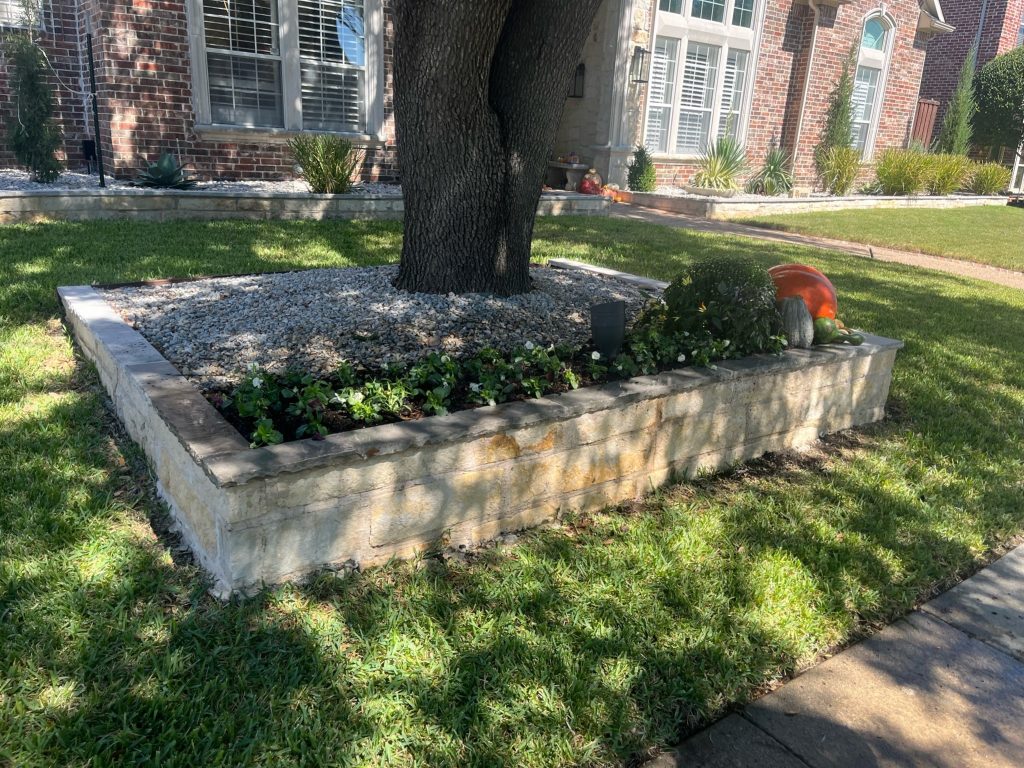
Lawn Care Maintenance for Patchy, Uneven Grass Growth
If your Plano lawn has thin spots, uneven color, or grass that grows in “islands,” it usually is not one problem. It is often irrigation coverage, soil conditions, traffic wear, or patch damage that keeps repeating after mowing.
One common situation we see in Plano is a yard that looks fine from the street, but up close you can spot scab-like bare areas, uneven height, and patches that never seem to “fill in.” The homeowner waters, fertilizes, and reseeds, but the pattern keeps coming back.
This guide helps you identify what is most likely causing patchy, uneven growth, what to check first, and when it makes sense to switch from quick fixes to a maintenance plan that actually matches your lawn’s real needs.
- Quick answer
- What to check first
- Main things customers should understand
- Why this matters in Plano
- Common mistakes to avoid
- Customer checklist
- Frequently asked questions
Quick Answer
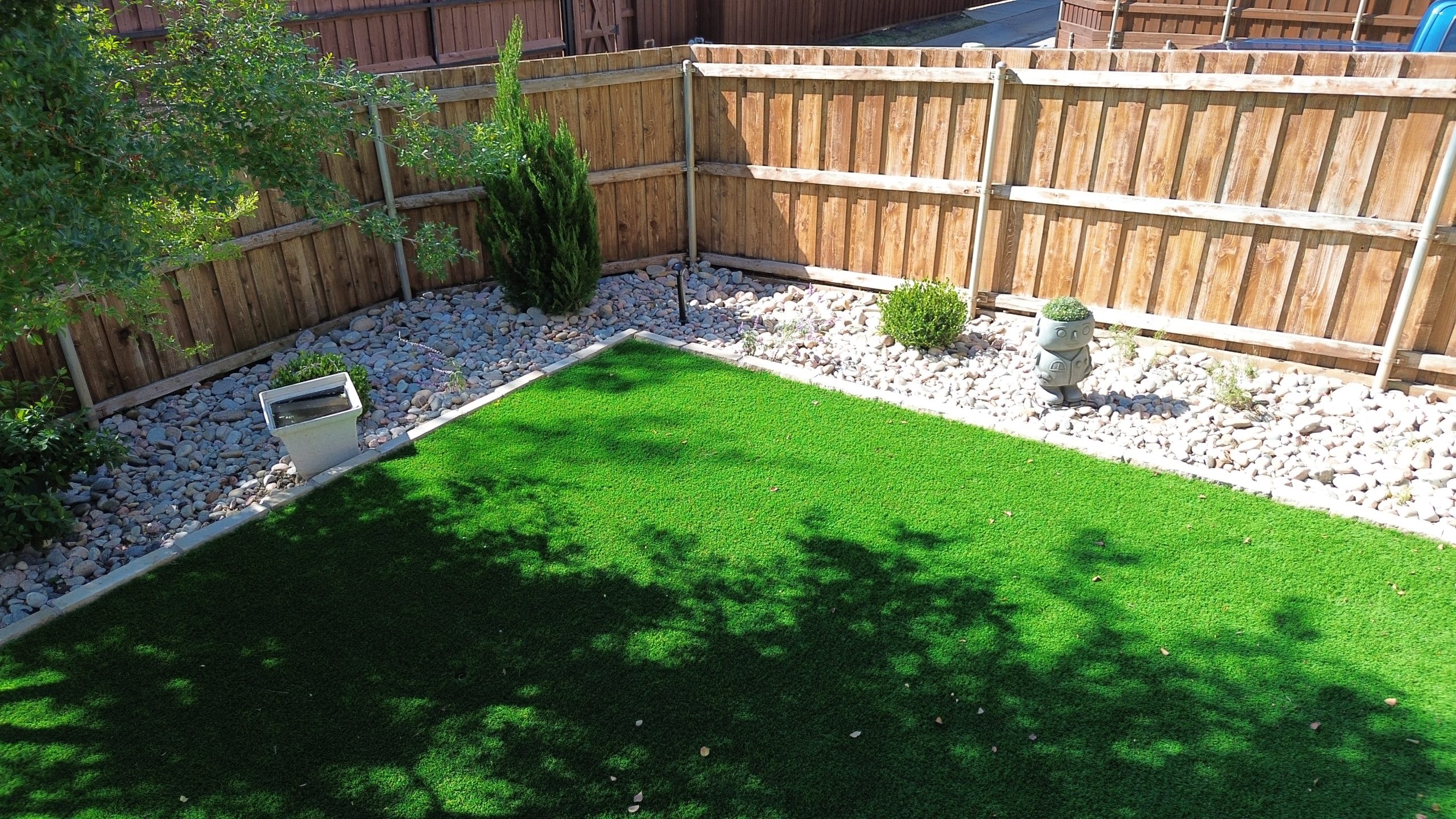
Patchy, uneven grass in Plano is usually a coverage problem (watering too much in one spot and too little in another) or a recurring soil issue like compaction or poor drainage. Start by observing irrigation runoff and dry zones, then inspect mowing height and turf density where the pattern repeats. If the lawn still looks uneven after you correct watering and traffic, you may need targeted renovation such as overseeding, sod replacement, or soil preparation before new growth can fill in evenly. For the best results, pair maintenance changes with a localized repair plan rather than blanket treatments.
What to Check First
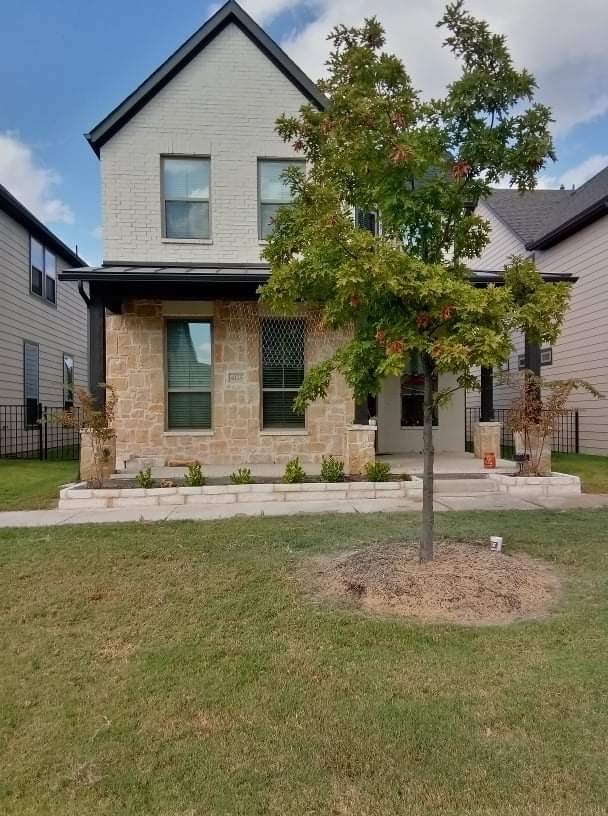
Before you add seed or fertilizer, look for the “why” behind the pattern. Patchy lawns usually tell a story: the same areas stay thin, the same corners stay bare, and the same strips grow unevenly. Those repeat patterns often point directly to irrigation coverage, turf competition, or physical wear.

- Watch irrigation behavior: run a zone and look for dry circles, overspray, and runoff paths.
- Inspect mowing patterns: check if some areas are consistently scalped or left taller due to uneven ground.
- Look for compaction: press with your foot or walk the yard and note where turf feels “tight” and thin.
- Check for thatch buildup: if you can’t see soil between blades, nutrients and water may not reach roots evenly.
- Identify traffic wear: pay attention to play areas, walk gates, and mowing lanes that never seem to recover.
- Confirm drainage behavior after rain: note where water pools and where water disappears quickly.
Main Things Customers Should Understand
In real yards across Plano, the most common reason for uneven growth is that the lawn is not getting consistent water and root conditions across the whole area. When irrigation coverage is uneven, new seed or sod can germinate and establish in one zone but struggle in another, even with the same mowing and feeding schedule.
1) Uneven irrigation coverage
Sprinkler heads that shift, clogged nozzles, or mismatched zones can create alternating green and thin stripes. The fix is not just “more watering.” It is correcting coverage and runtime so every area gets enough moisture without runoff.
2) Soil that limits rooting
Compaction and thick thatch can keep roots near the surface, where heat and drying happen faster. That is when you see patches that look greener briefly and then thin again in the next hot stretch.
3) Repair methods that do not match the damage
Light overseeding works for thin spots, but bare, worn areas often need more preparation. If the base is not ready, seed can sit and fail to blend. Sometimes sod installation or targeted soil work is the cleaner path to even growth.
Professional observation: Patch patterns often match irrigation layout and foot traffic, not fertilizer brand. When we plan lawn care maintenance in Plano, we start by mapping those repeating zones so the repair matches the cause.
While mowing and watering matter, a lot of “uneven” lawns are actually “uneven foundation.” If you have persistent low spots that collect water or dry pockets that never hold moisture, the maintenance plan has to address drainage solutions and irrigation installation details, not just topdressing. If you are exploring water system updates, you can review sprinkler system installation and irrigation for a clearer idea of what coverage improvements look like.
Why This Matters in Plano
Plano lawns live through cycles of heat, heavy sun, and periods where rain hits unevenly across neighborhoods. That is exactly when a small irrigation mismatch shows up as a big visual difference, especially in yards with older sprinkler layouts or uneven grade. If you have turf that grows tall in some strips and stays short in others, it is often because the roots are getting different moisture and oxygen levels across the same mowing pass.
Another local detail we see is that many homeowners focus on the “top” of the lawn while the real bottleneck is soil movement and turf density. Even small changes in maintenance timing can help, but consistent coverage and proper lawn repair sequencing usually do the heavy lifting. If you plan to renovate more than just a few thin areas, it can also help to understand options like lawn care maintenance and sod installation for a smoother, more uniform finish.
| What you notice | Most likely cause | Maintenance-minded next step |
|---|---|---|
| Thin spots in the same locations every year | Recurring irrigation coverage gap or traffic wear pattern | Verify sprinkler coverage and adjust, then target overseeding or repair prep |
| Uneven height after mowing | Low/high ground or compaction holding roots shallow | Address soil conditions before expecting new grass to blend evenly |
| Dry-looking patches that stay bare | Dry zones, clogged heads, or runoff redirecting water away | Correct irrigation installation details and re-check coverage under normal flow |
| Patchy growth after reseeding | Seed placed on a base that is too compacted or too thatchy | Prepare the area, then use the right renovation method for the damage level |
| Bare areas near edging or hardscape lines | Heat reflection, irrigation overspray gaps, or soil boundaries that dry faster | Coordinate edging and water coverage, then plan targeted lawn repair |
Need a maintenance plan for uneven growth?
Plano lawns can improve fast when the repair matches the cause. If you want help mapping the patch pattern and choosing the right maintenance approach, call (214) 624-6011.
Call Plano Landscaping CompanyCommon Mistakes to Avoid
When grass is patchy and uneven, it is tempting to keep adding “more of everything.” In practice, that often makes the lawn look worse because the underlying cause stays in place. Here are the most common missteps we see with lawn care maintenance in Plano.
Common mistake: Throwing seed or fertilizer at the problem without correcting watering coverage. If one area stays dry or gets runoff, new growth will not blend.
- Overwatering to “help” bare patches: This can encourage shallow roots and create algae or disease pressure where water pools.
- Changing multiple things at once: If you reseed, fertilize, and adjust sprinklers in the same week, it becomes hard to tell what actually worked.
- Mowing too low: Scalp stress makes thin areas thinner and can slow recovery during hot Plano stretches.
- Ignoring recurring traffic wear: If the same area gets stepped on or turned into a play lane, it needs a plan for durability, not just growth.
- Skipping base preparation: Seed on compacted or thatch-heavy soil often germinates inconsistently and contributes to patchiness.
Customer Checklist
Use this quick checklist to organize what you know before scheduling lawn care maintenance. It helps your provider target the right work instead of guessing.
- Record where the lawn is thin, bare, or uneven by walking the yard and noting repeating zones.
- Confirm whether the pattern matches sprinkler layout, mowing paths, or foot traffic.
- After running sprinklers, note any runoff, dry circles, or overspray onto hard surfaces.
- Take a mental inventory of lawn history: reseeding attempts, changes in watering schedule, and any major yard changes.
- Check drainage behavior after rain by observing where water pools and where it drains quickly.
- Decide whether you are aiming for light repair (overseeding) or a more complete renovation for larger bare areas.
Representative Scenario
A homeowner in Plano noticed that their lawn developed patchy growth along a side yard strip that also received the least consistent sprinkler coverage. The grass in that area stayed short and thin even after reseeding. After reviewing the watering pattern, the team corrected sprinkler coverage and addressed the base condition so new growth could root evenly. Within the next maintenance cycle, the lawn started to blend more uniformly because the “cause” zone was treated first, not just the visible top growth.
Frequently asked questions
How long should I expect patchy grass to improve after adjusting irrigation?
After correcting sprinkler coverage, you usually see changes in the next mowing cycles, because new growth and recovery depend on consistent moisture. The exact timing varies by turf density, heat exposure, and whether the base is compacted or thatchy. If the patches are bare and the soil is limiting rooting, you may need targeted repair work before improvement looks even across the yard.
Is overseeding enough for uneven, patchy growth?
Overseeding can work well for thin areas where the lawn still has a living base. If the patch is truly bare or repeatedly fails to fill in, you often need more than seed. Soil preparation, drainage considerations, and irrigation coverage corrections usually come first so new grass can establish and blend. For larger or more persistent bare areas, sod installation may be the more practical choice.
Why do some patches look worse right after mowing?
Scalping or cutting too low can stress thin zones, especially when roots are already shallow due to thatch or compaction. Uneven ground can also cause some areas to be cut shorter than others. If you notice the same locations struggling after every mow, review mowing height and check for base issues rather than immediately adding more seed or fertilizer.
Can drainage solutions help with patchy lawns?
Yes. Patchy lawns can be caused by inconsistent moisture, including areas that stay too wet or dry after rain. When drainage solutions and yard drainage solutions are addressed, the lawn roots get more consistent conditions, which makes maintenance easier. If you are seeing pooling water or fast-drying pockets, it is worth evaluating landscape drainage and irrigation coverage together.
What is the best maintenance approach for a lawn that keeps repeating the same bare spots?
A repeating pattern usually points to a repeating cause, such as irrigation coverage gaps, clogged sprinkler heads, traffic wear, or soil that needs preparation. The best approach is to correct the cause first, then repair the affected zones in a way that matches the damage level. That is how lawn care maintenance transitions from temporary fixes to lasting, more even growth.
Get your Plano lawn back to even growth
If your grass keeps coming back patchy or uneven, you do not have to guess. Plano Landscaping Company can help you evaluate lawn conditions and plan practical lawn care maintenance steps that match your yard’s needs.
Explore Lawn Care Maintenance
About Plano Landscaping Company
Plano Landscaping Company provides landscaping services for homeowners and property owners in Plano, TX and Collin County, TX. From lawn care maintenance and sod installation to irrigation installation and landscape installation, we focus on practical, cause-first solutions that help yards look and grow more evenly.