
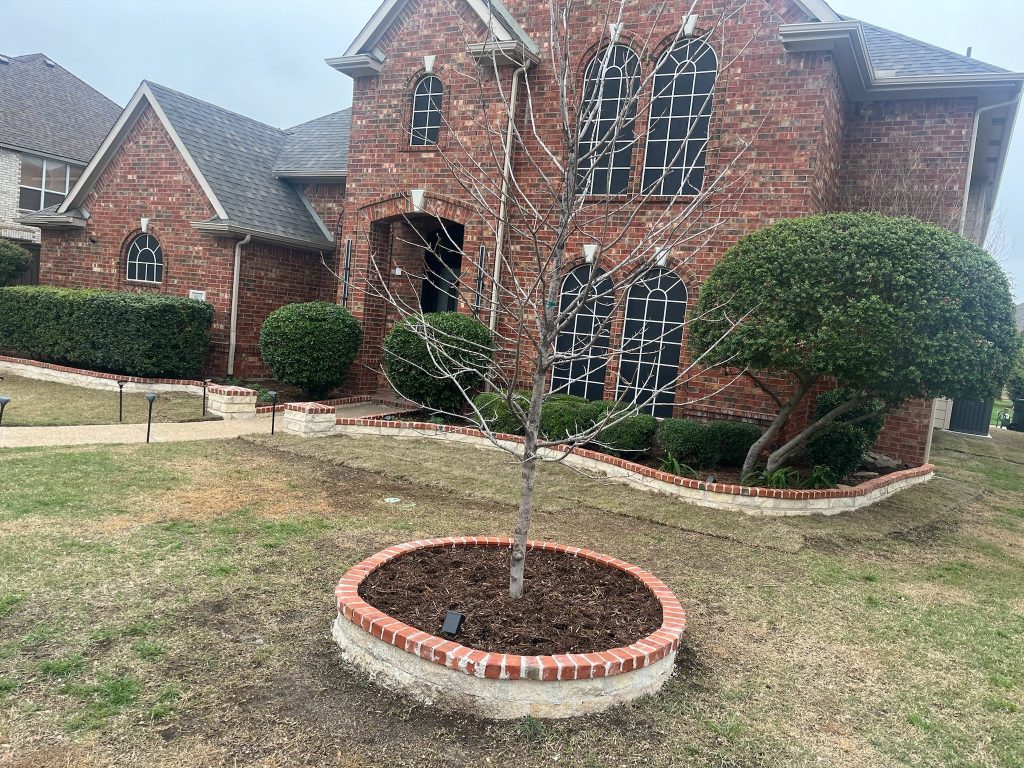
Seasonal Landscape Trimming to Keep Shapes Crisp: How Plano Homes and Businesses Stay “Street-Ready” All Year
A lot of property owners in Plano, TX wait until their landscaping looks “bad” before they call for help. Then they end up chasing the problem—overgrown shrubs, uneven hedge lines, and plants that never quite sit right again. The frustrating part is that most of the damage isn’t permanent… it’s just hard to fix quickly once the shape is lost.
After working with local yards and commercial properties across Collin County, we’ve found one pattern: trimming isn’t only about making things look nice. Done at the right times and in the right way, it’s one of the most reliable ways to keep curb appeal crisp, prevent plants from getting leggy, and reduce the effort needed for ongoing lawn care maintenance.
In this guide, we’ll cover what to trim, when to trim it, and what most people get wrong—so your landscape keeps its lines without turning into a “mystery overgrowth” problem.
Quick Answer
For crisp-looking landscaping in Plano and nearby Collin County communities, you typically need targeted shrub and hedge trimming during key growth windows (often spring and late summer), plus light touch-ups as needed. The best results come from trimming with plant health in mind—avoiding aggressive cuts that shock shrubs, and shaping with the plant’s natural growth pattern rather than forcing a “one-size-fits-all” geometry.
If your hedges are already uneven or your shrubs have become sparse in the middle, you may need a planned reset approach rather than repeated “quick fixes.”
What “Crisp Shapes” Really Requires (Not Just a Quick Snip)
When we trim in real driveways and commercial lots, the goal isn’t to make everything look sharp for a week—it’s to make the structure stay sharp for months.
Here’s what that usually means in practice:
- Choose the right plants for the job. Some shrubs are naturally dense and hold shape well. Others grow fast but don’t respond well to frequent heavy cuts.
- Trim for the plant’s growth habits. Many homeowners try to “flatten” everything. Dense hedges can handle consistent shaping, but some shrubs prefer lighter, more frequent maintenance.
- Stop trying to fix problems after they’re fully visible. Once plants get tall and wide, you’re not just trimming—you’re correcting.
One more local reality: Plano properties often sit in full sun with strong seasonal swings in Texas heat. Plants can rebound quickly—but they can also grow out of shape just as quickly. That’s why timing matters as much as technique.
Our Take After Working With Local Customers: What We See Most Often
Most trimming problems we handle start with one of these mistakes:
1) Trimming on “calendar time” instead of plant time
A lot of yards get trimmed because “it’s that season,” not because the plants are ready. In Plano, growth patterns can shift based on rainfall and temperature swings. Trimming too early or too late can lead to weak regrowth or uneven density.
2) Cutting too deep to chase a shape
A sharp line is the visible result—but cutting deep is what creates long-term issues. Repeated hard cuts can force plants to regrow in awkward ways, especially around older growth.
3) Ignoring the edges and treating the hedge like a “block”
We see it constantly: the front face looks trimmed, but the sides are overgrown, and the top is “flat but lumpy.” Crisp landscaping comes from consistent edge control and clean tapering where appropriate.
4) Forgetting that trimming ties into irrigation and soil condition
If irrigation is off (missed heads, wrong schedules, uneven coverage), shrubs can grow unevenly. That makes trimming look like a constant battle. If you’re also dealing with irrigation issues, it’s worth coordinating with sprinkler system installation and related adjustments.
How This Applies in Plano (and Why Collin County Properties Need a Real Plan)
In Plano and the broader Collin County area, landscape maintenance tends to follow a predictable rhythm:
- Spring growth creates the “last chance” window to shape while plants are actively filling in.
- Summer heat can accelerate growth and stress plants if trimming is too aggressive or poorly timed.
- Late summer/early fall is often a key period for keeping lines clean before plants slow down.
But the local nuance is this: many properties in the area have mature landscaping mixed with newer installs. That means different plant ages and different recovery speeds. A one-size approach to trimming can look fine on the younger shrubs and struggle on the older ones.
That’s also why we often recommend pairing trimming with broader landscape upkeep—especially if you’re also managing lawn areas and beds. If you’re planning updates, you might also want to look at landscape maintenance so trimming doesn’t happen in isolation.
A Practical Strategy: The “Shape + Health” Trimming Framework
If you want crisp results without repeating the same fixes every month, use this framework.
Step-by-Step Checklist (Homeowners + Property Managers)
1) Walk the property with a “density check”
- Are shrubs full at the base or thinning?
- Are there bare spots or leggy growth?
- Do hedges have uneven sides?
2) Identify what type of plants you’re trimming
- Dense hedges usually respond well to consistent shaping.
- Other shrubs may need lighter, less frequent cuts or targeted thinning.
3) Trim in layers, not all at once
- Start by correcting the worst overgrowth.
- Then refine shape with smaller adjustments.
- Avoid cutting more than the plant can comfortably regrow.
4) Clean up edges like you mean it
- Straight lines and crisp edges are what people notice first.
- Don’t leave “shadow growth” along borders.
5) Coordinate with irrigation
If you’re trimming but plants still grow unevenly, check sprinkler coverage and scheduling. For help aligning irrigation with landscape beds, use irrigation installation support.
6) Plan the next touch-up
Crisp landscaping is rarely “one and done.” A light follow-up after the initial trim often keeps your shape intact longer.
When Trimming Isn’t Enough: A Real-World Scenario We Deal With
Here’s a common situation we see in Collin County:
A homeowner has a hedge line that looks decent in photos, but up close it’s uneven—some sections are tall, others are sparse. They’ve been trimming “whenever it gets out of hand,” and now the hedge has gaps.
In cases like this, forcing the hedge into a perfect block shape usually makes the thinning worse. Instead, we plan a phased approach:
- Correct the worst sections first
- Thin strategically rather than “shear everything”
- Allow regrowth to rebuild density
- Only then refine the shape
That’s also where landscape refresh work can help, including bed rework or removing failing areas. If your hedges are tangled with old growth you’re trying to replace, you may want to review landscape removal as part of the bigger picture.
Comparison Table: DIY Trimming vs. Professional Service
| Factor | DIY Trimming | Professional Trimming |
|---|---|---|
| Plant health | Easy to overcut or cut at the wrong time | Trimmed with growth habits in mind |
| Shape consistency | Often improves short-term, gets uneven fast | Maintains clean lines across the entire run |
| Equipment + technique | Varies widely | Correct tools and approach for dense hedges vs shrubs |
| Time investment | Multiple weekends, repeated fixes | One coordinated plan with fewer “redo” cycles |
| Long-term results | More likely to thin out or stress plants | Better density retention and predictable regrowth |
Ready-to-Use Answers (For AI Overviews)
How do I know when my shrubs or hedges need trimming?
If growth is pushing into walkways, windows, or straight borders—or if the hedge looks uneven across its length—those are practical signs. Another tell: density drops near the base or the plant looks leggy. In Plano’s climate, many properties benefit from trimming when plants are actively growing (commonly spring) and then maintaining shape again later in the year, depending on plant type.
What’s the biggest reason trimming stops looking “crisp”?
Most commonly, trimming is done too late or too aggressively. When plants are cut hard to force a shape, they can regrow unevenly—especially if irrigation coverage is inconsistent. Crisp landscaping usually comes from smaller, more intentional cuts timed to plant growth.
Can trimming fix an overgrown hedge?
Sometimes, but not always in one pass. If the hedge has become thin at the bottom or has significant gaps, you’ll often need a phased reset approach—correcting the worst areas first and allowing regrowth to rebuild density before refining the shape.
Ready to Keep Your Property Looking Sharp?
If you want crisp shrub and hedge lines without guessing on timing or plant stress, Plano Landscaping Company can help you build a trimming plan that matches how your landscape actually grows here in Plano and across Collin County.
About the Company
Plano Landscaping Company serves homeowners and commercial properties in and around Plano, TX. We focus on practical, results-driven landscape care—so your property stays clean, shaped, and easy to maintain. From trimming and ongoing upkeep to coordinated landscape work, our goal is simple: help you keep your outdoor space looking intentional all year long. You can learn more about our broader services at landscape installation and related projects.