
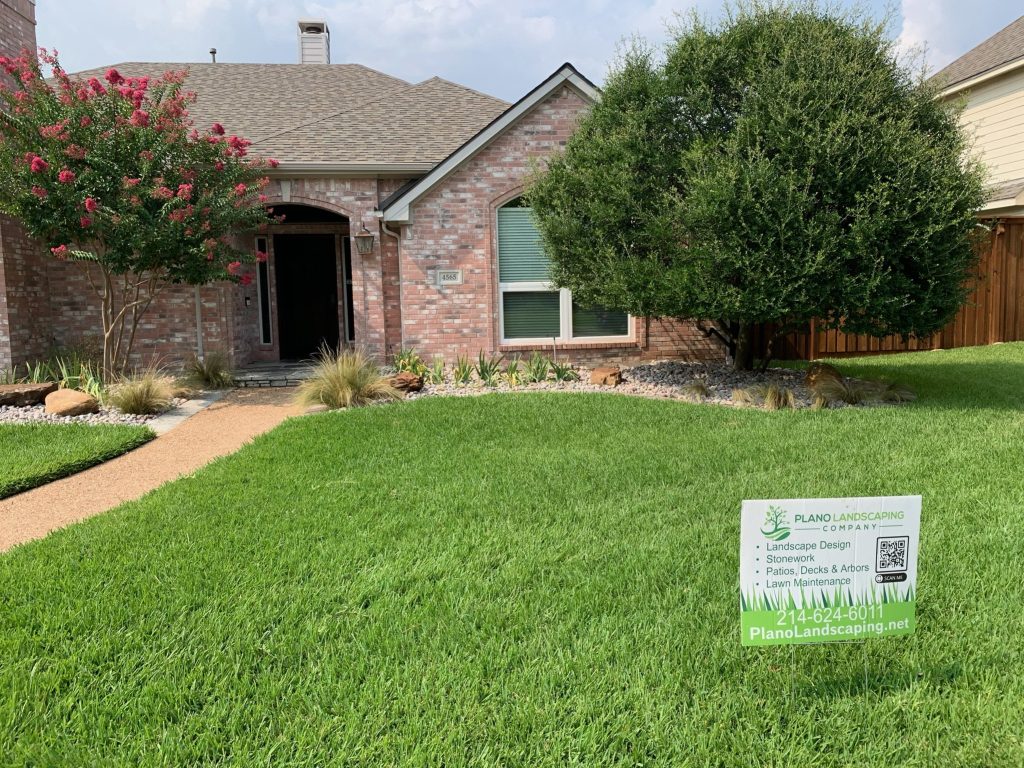
Careful Landscape Removal to Prepare for New Design in Plano, TX
The first time we meet a homeowner (or a property manager) for a redesign, there’s usually a moment of honesty: “We want it to look better—but we don’t want surprises once we start tearing things out.”
That’s exactly where careful landscape removal matters in Plano, TX. If old plantings, edging, irrigation lines, or hardscape aren’t removed with a plan, you can end up with uneven bases, damaged sprinkler components, lingering drainage problems, and a new design that never quite performs the way it should. And in a climate like North Texas—where soil movement and seasonal watering can be unpredictable—those “small” mistakes compound fast.
In this guide, Plano Landscaping Company explains how we approach removal so the next phase of work (landscape installation, irrigation changes, pavers, turf, lighting, and more) starts on solid ground.
Quick Answer
Careful landscape removal means more than hauling debris away. It’s identifying what’s underground (sprinklers, wiring, drainage), protecting what should be reused (where appropriate), and removing old materials in a way that preserves the base and grading for your new design. For most Plano-area projects, the biggest wins come from:
- avoiding unnecessary damage to irrigation and electrical lines
- preventing base and drainage issues from being “covered up”
- creating clean, level, properly compacted areas for new installation
What “Careful Removal” Actually Looks Like on a Real Project
When people hear “landscape removal services,” they often picture a skid steer and a dumpster. That can be part of it—but the quality difference is in what happens before the first bucket hits the ground.
Here’s how we typically plan removal with homeowners and businesses:
1) We map what’s there before we disturb it
In Plano and across Collin County, TX, many properties already have a mix of older sprinkler runs, low-voltage landscape wiring, drainage rock, and buried edging. Even if lines “seem” inactive, they may be tied into zones you still use—or they may be connected to irrigation controller wiring.
Our approach includes:
- identifying sprinkler components and likely route paths
- checking for low-voltage landscape lighting lines
- locating signs of drainage systems (and where water actually goes)
2) We remove materials in the right order
For example, if you’re replacing sod or artificial grass, we don’t treat removal like a single step. We consider:
- how the existing base was built
- whether old roots and organic buildup will interfere with new grading
- how much soil needs to be removed to get a stable foundation
3) We protect the subgrade and grading
A common problem we see after “quick removal” jobs is the new install sits on a rough, uneven, or overly loose base. That leads to:
- turf that sinks or lifts
- paver patio areas that shift
- drainage that pools where it used to run
Even if the top looks fine initially, the underlying grading usually tells the truth within a season.
What Most Customers Get Wrong About Landscape Removal
This is where we’ll be a little opinionated: most removal problems don’t happen because the crew is “careless.” They happen because the plan was unclear.
Mistake #1: “Just rip it out” without checking irrigation or wiring
You’d be surprised how often sprinkler heads or wiring get damaged because nobody verified locations. If you later discover broken lines, you’re paying twice—first for the removal, then for the repairs.
If you’re updating irrigation, it’s smarter to coordinate removal with irrigation installation and sprinkler system installation decisions early.
Mistake #2: Covering drainage issues instead of fixing them
When water doesn’t move the way it should, new landscaping becomes a bandage. Removal should expose the problem—then you can choose real drainage solutions rather than hiding the symptoms.
You may need help aligning grading with lawn care maintenance practices, especially if the area will be planted or sodded again.
Mistake #3: Treating old hardscape and edging like disposable clutter
Old borders, retaining segments, and landscape edging can influence how water flows and where soil settles. If those materials are removed without considering what the finished design requires, you can end up with unexpected gaps, shifting edges, or weak transitions.
Mistake #4: Ignoring root systems and organic buildup
For turf and planting areas, “surface removal” isn’t the same as removing what’s undermining performance. Old roots, thatch, and organic debris can create uneven settling and inconsistent moisture behavior.
Plano and Collin County: Why Local Site Conditions Change the Removal Plan
In Plano, we routinely deal with the realities of older subdivisions, established landscaping, and mixed-use properties. That means removal work has to account for:
- varied soil conditions across neighborhoods
- existing irrigation layouts from earlier sprinkler installations
- mature landscaping (shrubs, hedges, and trees) that may require careful trimming and selective removal
- tight schedules—homeowners want the work done before heat ramps up, while businesses need minimal downtime
If you’re in nearby communities across Serving Nearby Areas, you’ll likely see similar patterns: properties with layered planting years, hardscape added in phases, and irrigation that’s been modified more than once.
Also, local weather swings affect how removal and next-stage installation should be timed. If the ground is too wet or too dry, excavation and base prep won’t behave the same. We plan around that so you don’t get a “looks good now” situation that fails later.
Choosing the Right Scope: Removal vs. Repair vs. Replacement
One of the most common conversations we have is about scope. People want a clean slate, but sometimes “removal” isn’t the only answer.
Here’s a practical way to decide what should happen during the removal phase:
| Situation you’re seeing | What most homeowners assume | What usually works better |
|---|---|---|
| Broken sprinkler heads after teardown | Replace everything | Locate and isolate lines first, then repair only what’s affected |
| Water pools near the house after old landscaping comes out | New plants or turf | Address grading and drainage solutions before the new install |
| Uneven paver patio area after demo | Contractor will “fix it later” | Confirm base prep during removal so the foundation is correct |
| Turf looks patchy after re-install | Poor turf quality | Remove organic buildup/roots properly and rebuild base correctly |
If your project includes hardscape, you’ll also want the removal plan tied to the final material requirements. For example, paver patio installation depends heavily on what’s underneath—not just what’s on top.
A Step-by-Step Strategy for Landscape Removal That Sets Up Your New Design
Use this framework when you’re planning your project timeline or talking through options with a landscape contractor in Plano.
Step-by-step checklist
1. Document what exists now
- take photos of plant beds, edging lines, and hardscape borders
- note where water pools or where irrigation runs seem ineffective
2. Identify underground systems
- confirm irrigation zones and likely sprinkler routing
- check for low-voltage landscape lighting lines
- locate drainage rock, cleanouts, or runoff paths
3. Define what gets reused vs. what gets removed
- sometimes certain edging or materials can be repurposed
- other items should come out because they’re undermining the base or grading
4. Remove in an order that protects the base
- start with areas that will be regraded first
- keep transitions clean so new installs don’t sit on uneven soil
5. Plan for disposal and cleanup
- confirm what goes to the dumpster vs. what’s hauled off for appropriate handling
- protect nearby landscaping that you’re keeping
6. Coordinate removal with installation
- removal should feed directly into landscape installation and the rest of the build, not sit idle for weeks
How Landscape Trimming Fits Into Removal (Especially for Mature Properties)
For many Plano properties, the “removal” phase isn’t full demolition—it’s more of a controlled reset. If you have established shrubs or hedges, you may not need to remove everything. You might need the right balance of:
- landscape trimming for shape and density
- shrub trimming and hedge trimming to restore clean lines
- selective removal where plants are blocking drainage, sunlight, or pathways
When trimming is done well, it can reduce how much new material you need and help your new design look intentional instead of “patched.”
If the project includes new outdoor structures, it’s also worth aligning the removal plan with pergola installation and any related site clearing.
Ready to Plan Removal That Protects Your Investment?
If you want your new design to look sharp—and perform through the seasons—start by getting the removal phase right. A good landscape removal plan prevents expensive rework later, whether you’re upgrading turf, adding paver patio installation, installing new pathways, or revising irrigation.
The fastest way to get clarity is to schedule a site review with Plano Landscaping Company. We’ll talk through what’s underground, what needs to come out, what can stay, and how to set up your next steps.
About the Company
Plano Landscaping Company serves homeowners and property owners across Plano and the surrounding Collin County area. Our team approaches projects the way we’d want ours handled: with a practical plan, careful site work, and coordination between removal and installation so your landscaping investment doesn’t get undermined by rushed demo. From removal and installation coordination to irrigation and outdoor upgrades, we focus on results you can see—and performance you can measure.
External References (Helpful Context)
- University of Georgia Extension: guidance on turfgrass establishment and the importance of site preparation (including base/soil considerations). https://extension.uga.edu
- EPA: basic landscaping and water efficiency information that supports smarter irrigation practices. https://www.epa.gov
- U.S. Department of Energy—WaterSense: irrigation-related best practices for water efficiency. https://www.epa.gov/watersense
FAQ
How do I know if I need full landscape removal or selective removal?
If the existing beds and hardscape are mostly intact but overgrown, selective removal (plus trimming) is often enough. If you see drainage failures, uneven bases near pavers, or repeated irrigation problems in the same spots, full removal may be the cleaner path. The deciding factor is usually what’s happening underground—especially irrigation lines and grading—so a site walkthrough matters.
What should I ask a landscaping company before they start removing anything?
Ask them how they’ll handle underground systems (irrigation and low-voltage lighting), whether removal includes base/grading prep, and how they’ll coordinate with the next installation phase. Also request a clear timeline so removal doesn’t happen weeks before installation, leaving the site exposed and unsettled.
Why does landscape removal cost more than I expected?
Quality removal includes more than hauling debris. It often involves identifying and protecting irrigation/wiring, removing roots and organic buildup properly, and preparing stable subgrade conditions for what comes next. If your project involves drainage fixes or paver/turf foundation work, the added effort is what prevents recurring problems later.