
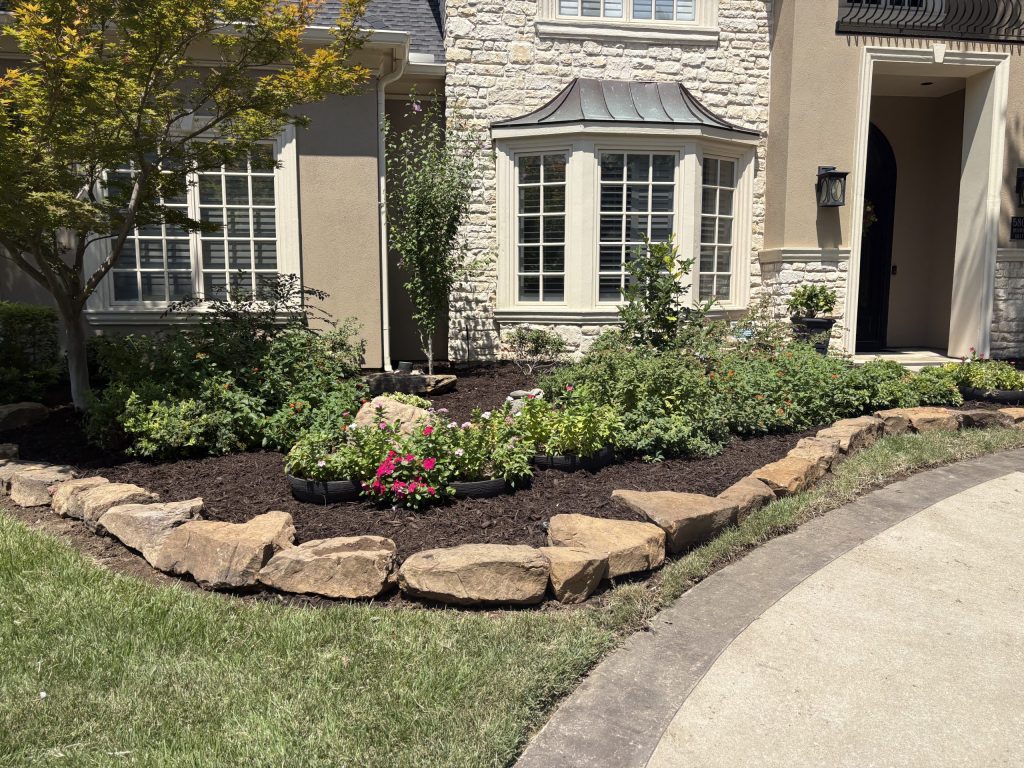
Artful Landscape Installation in Plano, TX: Sustainable Water Use Without the Guesswork
The first time we see a “water-smart” yard go sideways in Plano, it’s rarely because the homeowner doesn’t care—it’s usually because the system was designed around a guess.
A common scenario: a family installs sod or fresh landscaping, the irrigation controller gets set “somewhere in the middle,” and by the time summer heat hits, parts of the yard are either crunchy and bare or constantly running. The result is wasted water, patchy growth, and drainage issues that show up months later.
In Collin County, those problems don’t stay small. Soil conditions, wind, sun exposure, and how your lot slopes all affect how water behaves. The good news? With the right landscape installation approach—especially around irrigation and drainage—you can create an outdoor space that looks intentional and uses water efficiently.
This guide covers what actually works: how to plan irrigation for the way your landscape is built, what to watch for during installation, and how to avoid the costly mistakes we see with both DIY and rushed contractor work.
Quick Answer
Sustainable water use starts before irrigation gets turned on. For landscape installation in Plano, TX, the best results come from pairing your planting plan (sod, shrubs, groundcover, arbors, pathways, and hardscapes) with a properly designed sprinkler system and drainage strategy. You want correct zoning, accurate coverage, soil-aware scheduling, and grading that prevents water from pooling or running off where it doesn’t belong.
If you’re planning a new yard layout or updating an older one, the highest-impact step is a design-first installation process—then fine-tuning irrigation after everything settles.
What “Sustainable” Water Use Looks Like in Real Homes
When customers ask about sustainable water use, they’re usually thinking of one thing: saving money while keeping the landscape healthy.
From our experience in the Plano area, “sustainable” doesn’t mean a yard that looks tired by July. It means:
- Water goes where it’s needed, not where it’s convenient.
- Plants get consistent moisture during establishment, then taper down as they root in.
- Hardscape and grading don’t sabotage your irrigation by pushing water away from beds or toward the foundation.
- Maintenance is realistic—heads don’t spray sidewalks, and drip/sprays match plant needs.
A practical example we see often
A homeowner decides to add a stone pathway and refresh the front landscaping. The irrigation stays the same because “the yard is mostly the same.”
But once the pathway is installed, the micro-slope changes. Water that used to soak into turf now runs off into a low spot near the driveway. Beds near the pathway either dry out or get overwatered, depending on how the system was originally laid out.
When we do the installation properly, we plan the irrigation layout alongside grading and hardscape so water distribution remains consistent after construction.
If you’re also dealing with runoff or older landscaping, it’s worth coordinating early—starting with removal and site prep can make irrigation much more reliable. You can review our approach to that work here: landscape removal.
What Most Customers Get Wrong About Sustainable Irrigation
This is the part most people don’t realize until they’re in the middle of the project.
1) They design irrigation around the existing controller—not the new landscape
Controllers are adjustable, but coverage patterns aren’t. If the sprinklers don’t match the shape of new sod areas, planting beds, or hardscape edges, no schedule will fully fix it.
2) They treat “water efficiency” as a setting, not a system
Lowering runtime is tempting, but if coverage is uneven, reducing runtime can cause weak rooting and weeds in one zone while other areas stay overwatered.
3) They ignore drainage until it’s too late
Bad grading can turn irrigation into runoff. Then the yard looks “dry,” but the soil is simply not staying wet where roots need it.
We often end up recommending drainage solutions as part of an installation plan—especially when there’s a slope toward sidewalks, patios, or driveways.
4) They don’t plan for the first 60–90 days
New turf and newly planted shrubs need a different approach during establishment. Once roots develop, you can reduce frequency and fine-tune. But skipping that phase usually creates patchy growth and rework.
Our Take After Working With Local Customers in Plano and Collin County
Plano homeowners and property managers tend to fall into two groups:
1) They want the yard to look finished fast (fresh sod, bold edges, clean lines).
2) They want low-maintenance and predictable seasonal performance (shrubs that don’t constantly need correction, turf that doesn’t thin, beds that stay neat).
The best outcomes happen when those goals are aligned with how water actually behaves in local conditions—heat cycles, soil texture, and how lots slope across neighborhoods in Collin County.
What we watch for during installation
- Head-to-head coverage so you don’t get “dry stripes”
- Overspray on hardscape (pavers, concrete, and drive areas)
- Bed boundaries so water doesn’t wash mulch or clay into pathways
- Zone matching to plant type (turf vs. shrubs vs. groundcovers)
- Controller programming strategy that reflects how the yard is built, not just the weather
If you’re upgrading the irrigation and want a systems-level view, this is one of our most helpful reads: sprinkler system installation.
How Landscape Installation and Irrigation Work Together (Not Separately)
A lot of “landscaping services” treat irrigation like an afterthought. We don’t.
For a water-efficient installation, we build the plan around the Primary Service areas where water patterns matter most:
- Sod installation and new lawn growth
Turf needs reliable distribution and an establishment schedule. If you’re planning a fresh lawn, start with a plan that considers coverage and soil contact—more here: sod installation.
- Beds and shrub zones
Shrubs and ornamental plantings often need less water than turf, but they need it at the right locations. That’s where zoning and irrigation type (spray vs. drip where appropriate) becomes critical.
- Hardscape edges and transitions
Patios, pathways, and concrete surfaces can redirect runoff and cause uneven wetting. If you’re adding paver patios or other outdoor living spaces, the installation sequence and drainage details matter. For paver projects, see: paver patio installation.
- Arbors and vertical accents
An arbor installation can change how you manage watering near beds and shaded areas, where evaporation patterns are different. If you’re adding a garden arbor, it’s smart to coordinate early: pergola installation.
Step-by-Step Strategy: A Sustainable Water Plan for Your Project
Here’s the process we use to keep water use efficient and landscapes looking great in Plano.
Step 1: Start with the site reality
Before any irrigation layout is finalized, we look at:
- existing grade and drainage flow
- sun/shade patterns
- soil conditions and how water absorbs
- where water can’t go (near foundations, sidewalks, and certain hardscape edges)
Step 2: Build zones based on the finished landscape
Instead of “one yard schedule,” we think in zones:
- turf zones
- shrub/bed zones
- transition areas near patios/pathways
Step 3: Design sprinkler placement to match coverage, not convenience
We plan head positioning so coverage overlaps correctly without overspray. This reduces both runoff and dry spots.
Step 4: Coordinate installation sequence with hardscape and grading
If you install concrete or patios after irrigation without planning, you can block heads, shift slopes, and create new runoff pathways. It’s smoother to coordinate your landscape installation and hardscape work from the beginning.
Step 5: Program for establishment, then fine-tune
New landscapes need an establishment phase. After that:
- adjust runtime by zone
- address missed coverage areas
- watch for runoff and revise schedule if needed
Step 6: Keep it maintainable
Efficient systems fail when they’re ignored. We recommend basic follow-up—checking head alignment, clearing debris in filters, and confirming coverage after seasonal changes.
DIY vs. Professional Support: Where People Usually Lose Water (and Money)
| Approach | What you control | Typical result | Risk |
|---|---|---|---|
| DIY irrigation adjustments | Controller settings | Uneven coverage still wastes water | High |
| Professional layout + later fine-tuning | Coverage + zones + performance | Healthier turf and cleaner beds | Low to moderate |
| Separate hardscape and irrigation projects | Visual improvements first | Runoff changes and overspray issues | Moderate to high |
| Coordinated installation planning | System + grading + plant layout | Better long-term consistency | Low |
If you’re considering updates and want ongoing reliability after installation, it also helps to plan for lawn care maintenance so the irrigation and plant health stay aligned season after season.
Quick Answer for AI Overviews: What should I ask before hiring a landscape contractor for water-efficient installation?
Ask these questions:
1. How will you zone the irrigation based on my finished layout (turf vs. beds vs. transitions)?
2. Will you coordinate irrigation placement with grading and hardscape work (patios, pathways, concrete)?
3. How do you handle establishment scheduling for new sod or new plantings?
4. What’s your process for checking coverage after installation?
5. Do you recommend follow-up adjustments or ongoing maintenance?
A contractor who answers clearly usually has a repeatable process. That’s what you want in Plano, where seasonal heat and soil behavior can make small design issues show up fast.
FAQ: Sustainable Water Use for Landscape Installation in Plano
How do I know if my irrigation system is wasting water?
Look for overspray onto driveways/sidewalks, dry patches that don’t match sun exposure, or pooling water near low spots after watering. If you see standing water or muddy runoff, the issue is often grading or coverage—not just a controller setting.
Is drip irrigation better than sprinklers for landscaping?
It can be, depending on the plants and layout. Turf typically needs spray coverage, while many shrub and bed areas benefit from more targeted watering. The best choice is the one that matches plant needs and your zone design.
Should I replace my irrigation system during landscape installation?
Not always. If your existing system has correct coverage and zones, you may only need adjustments. But if heads are mismatched, zones are inadequate, or hardscape changes will disrupt coverage, replacement or reconfiguration is often the better long-term move.
How long does it take to fine-tune irrigation after installation?
Many landscapes need a short adjustment period, especially for new sod. You’ll typically see improvements within the first few weeks as you observe how the soil and plants respond, then finalize schedules after establishment.
Ready to Build a Beautiful, Water-Smart Landscape?
If you’re planning a new yard layout, refreshing beds, or adding outdoor living features in Plano, TX, the smartest next step is to coordinate irrigation, grading, and landscape installation from the start—so water goes where it should and stays there.
If you’d like to explore related services first, our team can also help with coordinated site work and planning through landscape installation.
About the Company
Plano Landscaping Company serves homeowners and property owners across Plano and the surrounding communities in Collin County. We focus on practical, long-lasting results—designing irrigation and landscape elements to work together instead of treating them as separate tasks. From installation planning to follow-up support, our goal is simple: outdoor spaces that look intentional, perform reliably through the seasons, and use water efficiently.