
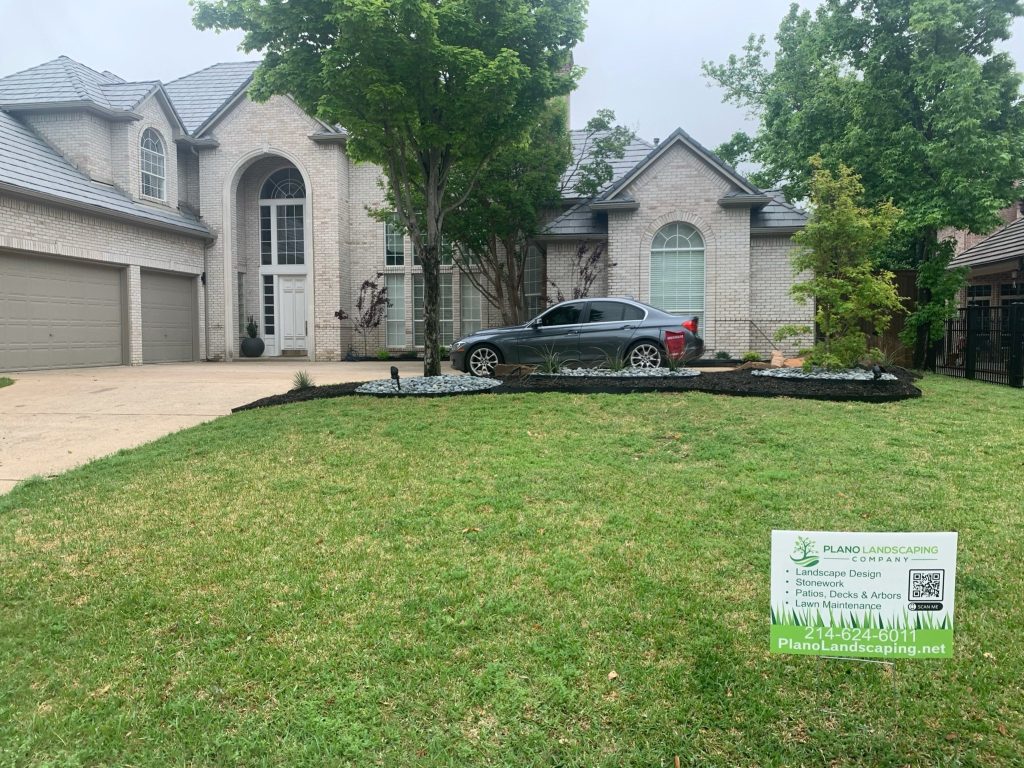
Reliable Lawn Care Maintenance Tailored to Plano Seasons? Here’s What Works in Plano (and Why)
If you’ve ever walked outside in Plano after a hot, dry stretch and noticed the lawn turning dull, thinning in patches, or developing crunchy edges—then you already know the problem isn’t just “grass.” It’s timing, water habits, soil conditions, and mowing routines that either build resilience or quietly stress your yard all season long.
At Plano Landscaping Company, we see the same pattern with local properties: homeowners and property managers try to “catch up” after damage shows up. By then, the grass has already used up its reserves, weeds have gained ground, and repairs take longer than they would have with a simple, seasonal maintenance plan. In this guide, I’ll walk you through what we recommend for lawn care maintenance in Plano and how to keep your yard looking intentional—not reactive.
Quick Answer
For dependable lawn care in Plano, TX, use a seasonal routine built around three priorities:
- Mow correctly and consistently (height matters more than frequency alone).
- Water based on the season and turf needs (avoid shallow, frequent watering).
- Stay ahead of edge and shrub pressure (landscape trimming and hedge trimming reduce competition and curb disease spread).
A professional service also adds value by spotting early issues—like thinning patterns, compaction, irrigation coverage gaps, and drainage concerns—before they turn into full-yard renovations.
What We Do (and Notice) That Most People Miss
When we inspect lawns for lawn maintenance services, we’re not just looking at “how green it is.” We’re looking for patterns:
- Thin bands or irregular browning often point to irrigation coverage issues, soil compaction, or traffic patterns (kids, pets, driveway runoff).
- Weed pockets that keep returning usually mean the mowing/edge routine is inconsistent or the turf is too stressed to outcompete weeds.
- Uneven growth can be a hidden drainage problem—especially in places where water flows toward low spots after storms.
One common scenario we see in Plano-area yards: a homeowner waters more during heat because the grass looks dry. But if the irrigation schedule is already shallow or uneven, the additional watering can worsen surface rooting while still leaving deeper soil dry. The lawn looks busy—sprinklers running—but it’s not improving resilience.
A practical example from local service calls
A few summers ago, we worked on a property where the front yard looked fine for about two weeks after mowing, then started browning near the edges. The backyard was worse. The “obvious” fix was more fertilizer. Instead, we found:
- sprinkler heads weren’t matching the turf footprint
- mowing height was slightly too low for the warmest weeks
- shrub trimming around the perimeter was overdue, creating shade pockets and airflow reduction
Once we adjusted mowing height, improved irrigation coverage, and handled the perimeter trimming, the lawn recovered without an aggressive, expensive reset.
What Most Customers Get Wrong About Lawn Care Maintenance
Here’s the part many people only learn after a season of frustration: lawn problems don’t always start with the lawn.
The most common mistakes we see locally
| Mistake | What it causes | Better approach |
|---|---|---|
| Cutting too short during heat | Turf stress, slower recovery, more weeds | Keep a consistent mowing height suited for the season |
| Watering “when it looks bad” | Shallow roots and uneven recovery | Use a schedule based on weather and turf response |
| Ignoring edges and perimeter competition | Weeds and patchy growth spread from the borders | Regular landscape trimming and edge upkeep |
| Fertilizing without fixing stress | You “feed” stressed grass that can’t use it well | Address mowing, irrigation, and compaction first |
| Waiting until bare spots appear | Weeds establish and soil dries/compacts | Spot-fix early with maintenance and targeted upgrades |
If you want the yard to look dependable, you need a plan that prevents stress from stacking up. That’s the difference between “maintenance” and “damage control.”
How This Looks in Plano (and Nearby Areas)
Plano weather can be sneaky: winter can be mild enough that lawns stay active, but spring transitions fast, summer heat arrives quickly, and occasional storms bring heavy runoff. In Collin County, many lawns also sit near:
- streets and driveways that create runoff patterns
- established trees that create shade zones
- irrigation systems that were installed long ago and slowly drift out of alignment
So while the general principles of turf care apply everywhere, the local execution matters.
Local insight we plan around
- Season transitions happen quickly: spring grooming and summer mowing/irrigation adjustments need to happen on schedule, not “whenever.”
- Perimeter management is crucial: lawns often struggle near landscaping beds where roots, shade, and airflow change.
- Drainage affects turf more than people think: even a small low spot can create recurring thin areas year after year.
If you’ve noticed the same “bad area” returning after every storm, you may need yard drainage solutions—not just more water. In some cases, we coordinate lawn care with broader property updates, including irrigation and drainage-related improvements.
If you’re also dealing with irrigation upgrades, explore lawn care maintenance and our irrigation work at sprinkler system installation.
Seasonal Strategy: A Simple Framework for Ongoing Success
Instead of a one-size-fits-all calendar, we recommend a routine that follows the lawn’s needs. Here’s a practical framework you can use to evaluate whether your current plan is actually working.
Step-by-Step Checklist (Use this to guide your season)
1) Mowing rhythm
- Keep mowing consistent and avoid cutting too low in heat.
- Watch how the lawn responds after mowing—stressed turf often rebounds slowly.
2) Watering accuracy
- Confirm coverage (especially corners and edges).
- Water deeply enough to encourage healthier rooting, not just surface wetting.
3) Perimeter and bed coordination
- Stay current with shrub trimming and hedge trimming so turf isn’t trapped in shade or airflow gaps.
- Trim in a way that supports airflow around the lawn line.
4) Soil and compaction awareness
- If foot traffic or equipment use leaves worn areas, plan for recovery time.
- Consider professional turf recommendations when compaction is repeating.
5) Spot issues early
- Patchy thinning, persistent weeds, or recurring discoloration should be addressed before they expand.
When Lawn Care Maintenance Needs More Than Maintenance
There are times when mowing and watering won’t fix the root cause. A yard might need re-establishment or a rework of the landscaping layout so the lawn can perform.
Common examples:
- Large dead zones where sod replacement is more cost-effective than trying to “nurse” weak turf.
- Overgrown or outdated beds that push too much competition onto the lawn.
- Irrigation limitations where coverage and pressure don’t support healthy growth.
If you’re at that point, it can help to look beyond routine lawn care and consider related property improvements, like:
- sod installation services for new lawn establishment
- landscape removal if old landscaping is blocking proper layout and maintenance access
- landscape installation to refine beds and turf boundaries so maintenance is easier long-term
(Those links connect to the bigger picture—because the best-looking lawns usually have a system behind them.)
Quick Answer: How Do I Know I Need Professional Ongoing Support?
If you’re asking yourself whether your lawn needs more than a DIY routine, use these signals:
- You mow weekly but still see thinning or recurring weeds.
- Watering “seems right,” but patches stay dry or turn brown.
- Your lawn edges look rough even after trimming.
- You’ve tried fertilizer, but the lawn doesn’t improve meaningfully.
- You’re planning outdoor living spaces (patios, pathways, lighting) and want the lawn to stay healthy during upgrades.
Professional lawn maintenance services can help by coordinating mowing, trimming, irrigation awareness, and seasonal timing so your yard doesn’t fall behind between visits.
Ready to Keep Your Plano Lawn Looking Intentional?
If you want a maintenance plan that fits Plano’s seasonal rhythm (and doesn’t require you to guess what went wrong), Plano Landscaping Company can help you get back on track with a routine designed for long-term performance.
If you’d like a related next step, you may also find it useful to review our lawn care maintenance options and how we approach ongoing yard health.
About the Company
Plano Landscaping Company provides landscaping and outdoor property services for homeowners and businesses in Plano, TX and surrounding parts of Collin County. Our work is grounded in practical field experience: we pay attention to how lawns actually respond to mowing height, watering patterns, trimming around the perimeter, and the day-to-day conditions that influence turf health.
Whether you need consistent landscape maintenance, help planning improvements, or support for irrigation and lawn recovery, our team focuses on solutions that hold up season after season—so your yard looks good now and stays that way.