
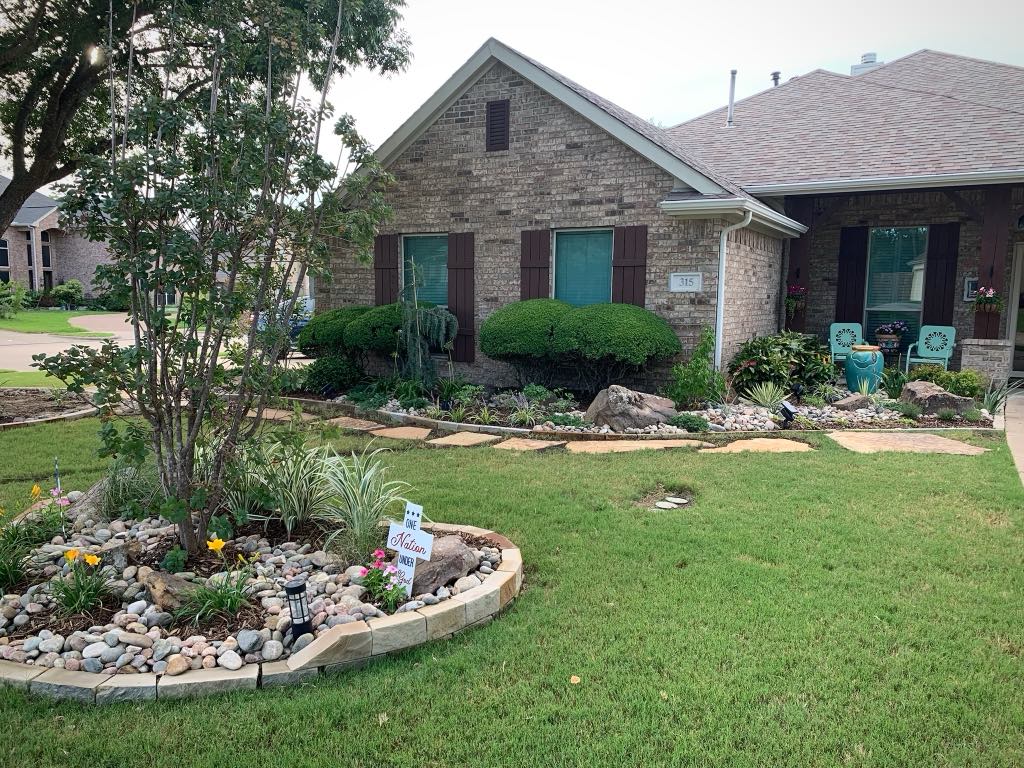
Expert Landscape Installation for Year-Round Curb Appeal: What Plano Homeowners Should Plan for Now
The first time you notice your front yard looking “off,” it’s usually not one big problem. It’s five small ones adding up: a border that’s shifted, bare spots that show up right after mowing, irrigation that doesn’t quite reach where the sun bakes hardest, and plantings that never quite match the way the wind and drainage behave in your yard.
In Plano, TX, that pattern shows up fast because the weather swings and the soil conditions can make landscaping look great in one season and tired the next. At Plano Landscaping Company, we see it every spring and early summer—especially for homeowners who thought they were “just doing a refresh,” but really needed a full landscape installation plan built around how the property works.
This guide covers what to plan for, what to avoid, and how to get a finished look that holds up through Texas heat, storms, and day-to-day life—without constant rework.
Quick Answer
For year-round curb appeal, the best landscape installation isn’t just choosing plants and laying down materials. It’s designing around your site (sun, slope, drainage, and traffic patterns), then building the hardscape and irrigation systems so everything stays functional as seasons change.
If you want results that last, hire a local team that can coordinate the full scope—things like irrigation installation, drainage solutions, soil prep, and clean transitions between lawn, beds, and hardscape. Plano Landscaping Company handles that coordination so you don’t get “pretty” results that fail during the next heat wave or storm.
What We Mean by “Installation” (and Why It Matters in Plano)
When customers call us, they often say things like:
- “We want it to look better, but we don’t want to tear everything out.”
- “We already have sprinklers—can we just add more plants?”
- “We’re thinking about pavers, but the yard floods a little after heavy rain.”
Those conversations are where real experience shows. In our industry work around Collin County, “installation” is really about the order of operations and the details that affect performance:
- Soil and grading first: If drainage is off, even great plants struggle and turf can wash out.
- Irrigation designed to the beds and turf: A sprinkler system installation that misses root zones leads to patchy growth and higher water bills.
- Hardscape that fits the site: Edges, slopes, and base prep affect how long pavers, pathways, and concrete stay stable.
A practical example: we’ve seen yards where the homeowner loved the look of new shrubs and fresh mulch—until the first major rain. The beds were installed without correcting water flow, so mulch drifted, plants sat too wet, and the “installed” landscape turned into a maintenance problem.
What Most Customers Get Wrong About Landscape Installation
This is the part we’re slightly opinionated about, because we’ve watched the same mistakes play out across local projects.
1) Treating curb appeal like a one-time event
Curb appeal is dynamic. New growth, seasonal color, mowing patterns, and weather all change the look. If the plan doesn’t account for maintenance access and seasonal performance, you’ll end up redoing work early.
2) Skipping a site check for sun, slope, and water flow
In Plano, yards often have microclimates—one side bakes harder, one corner stays damp, and a low spot becomes a runoff path after storms. If you plant the same way everywhere, you’ll get uneven results.
3) Installing plants without thinking about trimming and scale
A beautiful front bed can become messy when shrubs outgrow the space or when trimming isn’t part of the plan. We’ll often recommend a layout that supports shrub trimming and hedge trimming without constant over-pruning.
4) Overlooking the “edges”
The border between lawn and beds is where most landscapes look unfinished. If edges aren’t planned well, you get mulch gaps, grass encroachment, and a constant cleanup cycle. This is also where pathways and pavers can either elevate the design or make it look temporary.
If you’re comparing options, choose a team that thinks in systems—materials, layout, irrigation, and maintenance—rather than a team that simply installs pieces.
Our Take After Working With Local Customers (Experience You Can Use)
One thing that stands out in Collin County is how many homeowners want a landscape that looks good immediately, but also needs to stay clean and low-maintenance through busy weeks.
In practice, the “sweet spot” usually includes:
- A mix of turf and beds that matches how you actually use the yard
- Defined pathways and borders that reduce wear and keep foot traffic from killing grass
- Irrigation installation that supports deep watering where it matters
- Landscape lighting installation (low voltage) if you want your home to look intentional after dark
We also plan for practical realities: kids running through entry paths, dogs that run the same route, and homeowners who don’t want to fight weeds every weekend. That’s why we often recommend a more complete approach—especially when customers are also considering hardscape improvements like paver patio installation or a pergola.
If you’re already thinking about upgrades, it can be smart to coordinate everything during the same window so you don’t pay twice for excavation and cleanup. For example, if you’re adding a patio, it’s a good time to plan pathway installation and update irrigation coverage so the whole yard “fits” together.
How This Applies in Plano and Nearby Areas
Plano homeowners typically fall into a few common scenarios we plan around:
Scenario A: “We want new landscaping, but the lawn struggles in one spot.”
Often that’s not just soil—it’s irrigation coverage, sun exposure, or drainage. We’ll evaluate whether the water is landing where it should and whether runoff is moving through the yard during storms.
If turf is part of the plan, you may also consider sod installation or synthetic turf installation / artificial grass installation depending on your maintenance goals. (Both can look great—what matters is matching the solution to the site and the homeowner’s routine.)
Scenario B: “We want patios/pavers, but we don’t want future settling or water issues.”
Base prep and grading are everything. It’s not only about how the patio looks on day one; it’s about how it performs through heat expansion and rain events.
If you’re planning hardscape, it often pairs well with:
- concrete installation for clean edges and functional surfaces
- fence installation for layout and privacy
- landscape design that ties everything together
Scenario C: “We’re tired of old beds and messy growth.”
This is where landscape removal can be the best starting point. When the existing layout is fighting the yard’s natural drainage or the plant selection is no longer suited to the property, removing the problem makes the new installation easier to execute and maintain.
If you’re dealing with old landscaping removal, it’s usually better to plan it as a clean slate rather than patching around what’s already failing. You can read more about that approach here: landscape removal.
The Installation Strategy We Recommend (Step-by-Step Checklist)
If you’re planning a full Primary Service landscape installation, use this framework to keep the project organized and prevent costly rework.
Step 1: Start with the site reality (not just the style)
- Note sun patterns (morning vs afternoon)
- Identify low spots and runoff directions after rain
- Watch where water pools near sidewalks, driveways, and fences
Step 2: Plan drainage and irrigation together
- Confirm where water needs to go (and where it shouldn’t)
- Decide whether you need yard drainage solutions or landscape drainage improvements
- Align irrigation coverage with the final bed and turf layout
If irrigation is part of the project, we recommend starting early so it can be coordinated with planting and hardscape. More details here: sprinkler system installation.
Step 3: Choose materials that match your maintenance preferences
- Turf vs sod vs artificial grass depending on usage and upkeep tolerance
- Mulch and bed materials that stay neat through Texas weather
- Hardscape surfaces that fit the ground conditions
Step 4: Build the hardscape and edges with precision
- Pavers, pathways, and concrete need proper base prep
- Edges determine whether your landscape looks crisp or messy
If you’re considering paver work, here’s a helpful link: paver patio installation.
Step 5: Install plants with trimming and scale in mind
- Select plants that fit the space long-term
- Plan for future landscape trimming and cleanup access
Step 6: Add finishing touches that make it feel “designed”
- Low voltage landscape lighting installation for depth and safety
- Defined pathways and entry sightlines
You can explore lighting options here: landscape lighting.
Step 7: Set up maintenance so the landscape stays sharp
Even well-designed landscapes need consistent care. If you want a maintenance plan, review: lawn care maintenance.
Quick Comparison: DIY vs. Coordinated Professional Installation
| Decision | DIY approach | Coordinated professional approach |
|---|---|---|
| Drainage + grading | Easy to overlook; problems show up after rain | Planned up front; reduces washouts and plant stress |
| Irrigation | Often added later; coverage misses root zones | Installed to match the final layout |
| Hardscape edges | More likely to shift or look uneven | Base prep and grading aligned to the site |
| Plant selection | Based on appearance only | Selected for sun, spacing, and future trimming |
| Overall curb appeal | Looks great briefly, then degrades | Built for seasonal performance and consistency |
The key difference isn’t just skill—it’s project sequencing. When drainage, irrigation, and materials are planned together, the result holds up.
FAQ: Landscape Installation for Plano Homeowners
How do I know if I need a full landscape installation or just updates?
If you’re noticing persistent issues—like repeated patchy turf, beds that stay too wet, or plants that never thrive—updates usually won’t fix the root cause. A full landscape installation is often the better path when drainage, irrigation coverage, or the layout itself is out of alignment with how the property behaves.
What should I check before hiring a local landscaping contractor?
Ask how they handle:
1) site evaluation (sun/slope/drainage),
2) irrigation planning (coverage and timing),
3) hardscape base prep and edge transitions,
4) plant selection based on mature size and maintenance.
A good team will explain the “why,” not just the materials.
Why does the same landscape look different from one yard to the next?
Because every yard has different microclimates. Even in the same neighborhood, you can have different drainage paths and sun exposure. That’s why two homes using similar plants can have completely different results—unless the installation is tailored to the site.
How long does landscape installation usually take?
It varies by scope—especially if you’re combining turf, hardscape, and irrigation. A smaller refresh might be quicker, while a coordinated installation with pavers, pathways, and irrigation takes longer to build correctly. The timeline should be discussed before work begins so expectations are clear.
Ready to Build a Landscape That Looks Right Every Season?
If you want a yard that stays sharp through Texas heat and rain—not just for the first few weeks—Plano Landscaping Company can help you plan and install a cohesive, functional landscape around your property’s real conditions.
Start with a site conversation and we’ll talk through the best path for your goals.
About the Company
Plano Landscaping Company is a local landscaping team serving Plano, TX and nearby areas in Collin County. We focus on thoughtful landscape installation that blends design with performance—so your yard looks intentional, works the way it should, and doesn’t require constant fixes. From irrigation installation and drainage solutions to paver patios, pathways, pergola installation, and ongoing landscape maintenance, our goal is simple: help homeowners get curb appeal they can actually keep up with.