
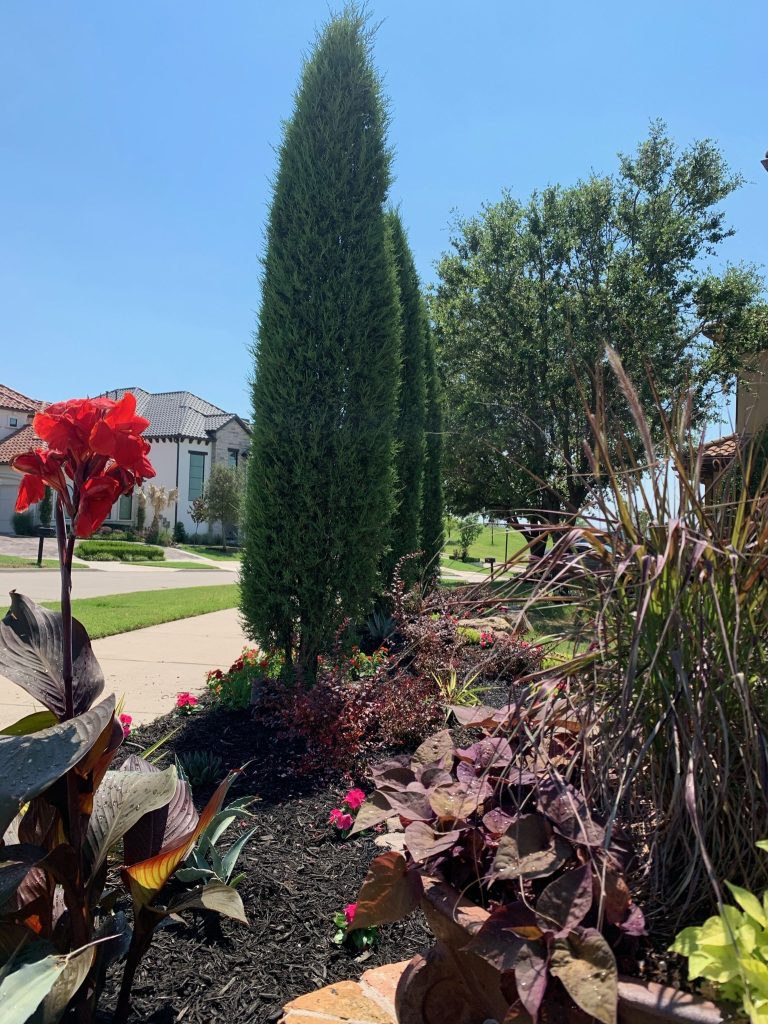
Professional Landscape Trimming for Sharp, Neat Edges in Plano, TX (and Collin County)
The day we trimmed a hedge line for a Plano homeowner, the difference was obvious before the clippers even finished. The plants weren’t “bigger” or “healthier” overnight—the real change was geometry. Once the edges were cleaned up, the whole yard suddenly looked intentional, like it belonged to a property with a plan.
That’s what professional landscape trimming does best in North Texas: it sharpens the look and prevents the slow, seasonal drift that makes shrubs and hedges lose their shape. If you’re in Plano or nearby areas in Collin County, you’ve probably noticed how quickly landscaping can go from crisp to “grown out” when heat, irrigation patterns, and growth cycles line up.
In this guide, we’ll cover how trimming should be done (not just “cut shorter”), what usually goes wrong, how to plan for repeatable results, and how to decide whether you need a light touch-up or a reset.
Quick Answer
Landscape trimming is more than shortening plants. A good trim improves three things at once:
- Shape control: clean lines that match your intended design (beds, walkways, property borders).
- Health and regrowth: cuts made in the right places help plants branch properly instead of becoming patchy.
- Low-maintenance appearance: consistent edge management prevents the “overgrown wall” effect that shows up in Plano and across Collin County.
If your shrubs or hedges look uneven, spill into walkways, or seem to grow wild from one side, it’s usually time for a professional trimming schedule rather than occasional DIY “rounds.”
What Landscape Trimming Should Actually Fix
When people call for trimming, they’re rarely asking for a haircut. They’re asking for outcomes—things like:
- The hedge line looks messy where it meets the sidewalk or driveway
- Shrubs are thick at the bottom or sparse on the top
- The edges of beds look fuzzy, especially after mowing and irrigation cycles
- Hedges are leaning or creating gaps because prior trimming was inconsistent
From an industry perspective, we treat trimming like layout maintenance. If the bed edge is off, no amount of “extra cutting” will make it look sharp—because the plant is still responding to the environment. The goal is to keep growth guided so the yard stays crisp through the season.
A practical example from local jobs
A common scenario we see around Plano: the front landscape looks fine in spring, then by late summer the hedge turns into a broad, rounded mass. Often, the homeowner trims when it “gets annoying,” not when it’s easiest to train. The result is a hedge that looks uneven from the street—thicker in the middle, thinner on the ends, and wide at the base.
A professional approach corrects the shape and then protects it with consistent maintenance so it doesn’t keep slipping back.
What Most Customers Get Wrong About This
Let’s be honest—most problems we see aren’t because the plants are “bad.” They’re because the trimming method wasn’t designed around how landscaping actually grows.
1) Trimming at the wrong time (or too aggressively)
In Texas heat, cutting too hard can stress certain shrubs, especially if irrigation isn’t uniform. The yard might look “tidier” for a couple of weeks, then growth gets uneven.
2) Cutting without a line
Sharp edges come from reference points: string lines, consistent heights, and defined boundaries between beds and turf. When trimming is done “by eye,” even good efforts usually drift over time. That’s how you end up with a hedge that looks wavy from one angle.
3) Ignoring the bed edge and spacing
If the bed edge is overgrown or soil has shifted, shrubs will naturally creep outward. Cutting the shrub alone can’t solve it. Sometimes the better move is trimming plus cleaning up the bed boundary, which may overlap with landscape removal depending on what’s been allowed to grow in.
4) Assuming DIY can match pro consistency
You can absolutely do a quick touch-up. But “pro-level neat” is usually about repeatability—consistent technique, correct cut placement, and a plan for what happens next month, not just today.
Why Local Trimming Matters in Plano (and Collin County)
Plano’s landscaping faces a few realities that affect trimming results:
- Fast seasonal growth: Growth cycles can feel like they accelerate in warm months, especially with irrigation and fertilization patterns that vary across neighborhoods.
- Sun and heat exposure: Shrubs on the south or west side often thicken differently than those in partial shade, which can make edges look uneven unless trimming accounts for that.
- Neighborhood curb appeal expectations: In many parts of Plano and nearby communities in Collin County, landscaping is part of how homes “read” from the street. When edges soften, it’s noticeable.
We also see how irrigation ties into appearance. If water runs heavier on one side of a hedge line, that side grows faster, and the “sharp edge” disappears. That’s why, when needed, we coordinate trimming with irrigation considerations—especially if you’re also working on sprinkler system installation or ongoing irrigation adjustments.
A Simple Decision Framework: Light Trim vs. Reset
Not every yard needs the same level of work. Here’s a practical way to decide what you’re actually dealing with.
Quick Answer: Which category are you in?
- Light trim: edges are only slightly fuzzy, shape is mostly intact, and growth is consistent.
- Corrective trimming: one side is thicker, the top is uneven, or the hedge is creeping into a walkway/bed boundary.
- Reset approach: the hedge is too wide, has gaps, has been cut too irregularly in the past, or the shape is no longer aligned with the landscape design.
What trimming typically includes (the “how”)
A professional trimming visit usually covers more than the clippings you see afterward:
- Checking growth direction and density (where the plant wants to expand)
- Establishing consistent heights and edge lines
- Cleaning up bed boundaries so the lines look intentional
- Removing dead or weak growth to improve overall visual balance
- Planning the next maintenance window so the shape stays sharp longer
If your yard also needs structural improvements—like bed refresh, paving, or new layout support—trimming often pairs well with other landscape updates. For example, when customers are improving outdoor living areas, we sometimes coordinate with landscape installation or help integrate hardscape edges for a cleaner look.
Step-by-Step Checklist for Choosing a Trimming Plan
Use this checklist to make sure you’re getting the outcome you want—sharp edges, consistent shape, and less repeat work.
1) Define the “line” you want
- Where should the hedge meet the bed?
- What height looks best from the street?
- Do you want a formal shape or a softer look?
2) Ask how they’ll maintain consistency
- Will they use reference lines or measured heights?
- How do they correct uneven growth?
3) Confirm they’re trimming for regrowth, not just aesthetics
- Where will the cut be made to encourage healthy branching?
- What should you expect over the next several weeks?
4) Plan for frequency
Most yards look best with maintenance that matches how fast growth happens. Instead of one big session, a schedule usually keeps the yard crisp with less drastic cutting.
5) Consider the rest of the system
If you’re seeing repeated edge “drift,” it can be tied to:
- irrigation coverage (heavy on one side)
- bed boundaries (soil movement or mulch creep)
- mowing and string trimming habits
If you’re addressing other yard needs at the same time—like lawn care maintenance or turf upgrades—it helps to coordinate. You may also be interested in lawn care maintenance so the trimming schedule and yard upkeep align.
DIY vs. Professional Trimming: What You’re Really Paying For
| What you’re trying to fix | DIY often misses | Pro approach | Result |
|---|---|---|---|
| Sharp, straight edges | Wavy lines from “eyeballing” | Consistent reference points and measured height | Clean curb appeal |
| Even growth over time | Uneven density left untreated | Corrective trimming that guides regrowth | Less patchiness |
| Stress from heavy cuts | Cutting too aggressively | Trimming based on plant behavior and conditions | Better long-term look |
| Repeat maintenance | No plan for next visit | Scheduled touch-ups | Shape stays sharp |
Ready to Keep Your Shrubs and Hedges Looking Intentional?
If you want your landscape to look crisp without constantly chasing it with a ladder and clippers, Plano homeowners usually benefit from a trimming plan that’s consistent and shape-focused.
Plano Landscaping Company can help you reset what’s gotten out of line and then maintain the sharp edges you’re after across the seasons. If you’re also tackling broader updates—beds, hardscapes, drainage, or outdoor living—our team coordinates work so the yard looks cohesive, not piecemeal.
About the Company
Plano Landscaping Company serves Plano, TX, and surrounding areas in Collin County with practical, detail-driven landscape care. Our team focuses on the kind of yard improvements that show up immediately—clean lines, healthier-looking plant growth, and maintenance that keeps your outdoor spaces looking intentional long after the work is done. You can explore more of our services at landscape maintenance and related upgrades like landscape design when you’re ready to bring everything together.