
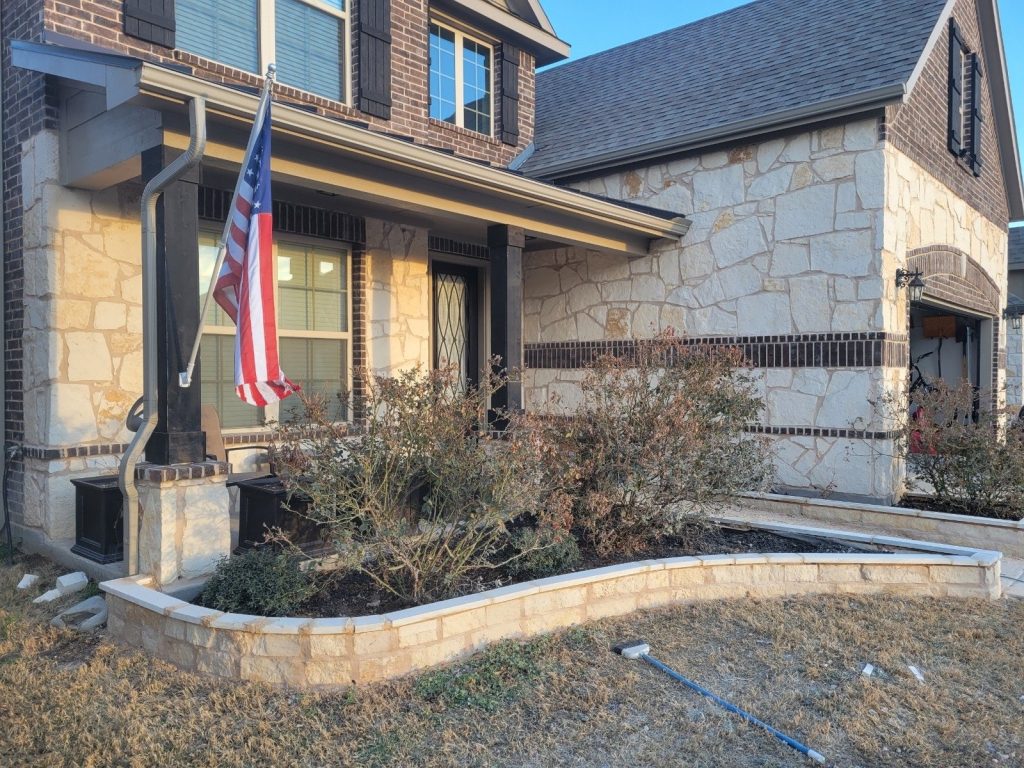
Precision Landscape Removal for Clean, Healthy Rebuilds in Plano—What to Expect From a Local Masonry & Yard Refresh Plan
The first time we see a “simple cleanup” turn into a months-long headache, it usually starts the same way: someone tries to salvage what’s there—old edging, tired pavers, mismatched stonework, even failing sprinkler lines—because it looks “good enough.”
In Plano and across Collin County, that shortcut gets expensive fast. Weather swings, soil movement, and irrigation leaks can quietly undermine basements, patios, pathways, and retaining features. When you’re planning a rebuild—whether you’re upgrading drainage, resetting hardscape, or moving to a cleaner layout—removal isn’t just demolition. It’s the foundation for everything that follows.
Below, we’ll break down what proper landscape removal looks like in the real world: how we approach it at the site level, what customers often get wrong, and how to plan a rebuild so you don’t pay twice.
Quick Answer
Landscape removal is the careful process of removing old landscaping elements—such as pavers, edging, shrubs, turf, masonry/stone features, and sometimes irrigation components—without damaging the subgrade or causing unnecessary contamination. In Plano, professional removal matters because soil and drainage conditions can worsen quickly if irrigation lines or base materials are left compromised. A good removal job sets you up for a stable new install (paver patio, pathway, sod/new lawn installation, or updated irrigation), with fewer settling issues and less rework.
What “Precision Removal” Actually Means on a Plano Property
When Plano homeowners and property managers call landscape removal support, they’re usually not just trying to clear space. They’re trying to solve one of these problems:
- Uneven pavers or sinking patios caused by poor base depth, washout, or old rubble embedded under slabs
- Weeds and soil intrusion through failing edges or cracked stonework
- Irrigation problems where sprinkler lines are broken, misaligned, or leaking into planting beds
- Overgrown landscaping that hides grading issues and makes drainage unreliable
- Aesthetic mismatches—old stonework and edging that don’t match the “new look” they’re aiming for
From our work on landscape projects across Collin County, the key is that removal has to be systematic. “Tear it out” doesn’t protect anything. Precision removal does.
A practical example we see often
A backyard patio makeover starts with a quick demo: lift a few stones, pull shrubs, haul debris, and move on. But once the crew digs deeper, they discover the real issue—an old section of masonry edging that was set directly on inconsistent fill, plus irrigation overspray that softened the soil under one corner.
That’s why we plan removal as part of the rebuild strategy:
- identify what’s salvageable vs. what must be removed entirely
- protect what should stay (structures, utilities, existing grading points)
- remove to the depth that your new install actually needs
- prep the base so new pavers, pathways, or stonework don’t settle prematurely
If you’re upgrading paver patio installation or installing a new layout, this “prep-first” approach is the difference between a patio that looks great for a season and one that stays level for years.
What Most Customers Get Wrong About Landscape Removal (and Why It Backfires)
Here’s the mistake we see most often: people underestimate how much removal affects performance.
1) They remove the top layer, not the problem
Old landscaping removal usually targets what you can see—shrubs, turf, loose stone. But the cause of future failure is often underneath: compromised subgrade, old organic material, or base that never had the right compaction.
2) They ignore irrigation and drainage while demoing
A yard looks “fine” until you rebuild. Then water routes differently—especially after grading changes. Broken sprinkler lines can keep soaking new base materials. If you’re also addressing irrigation installation, removal has to make room for accurate line placement and reliable routing.
3) They try to reuse materials that were already failing
Some customers ask, “Can we keep the old pavers/stone?” Sometimes it’s possible. But if the units are cracked, the thickness varies, or the bedding method was wrong, reuse can lock in failure. Masonry and stonework aren’t just about appearance—they’re about structure and stability.
4) They don’t plan disposal and staging
In a Plano neighborhood, access matters. Crews need a staging plan for material removal and debris hauling so they aren’t dragging equipment across fresh base or compacting soil that should remain undisturbed.
Our Take After Working With Local Customers: The “Sequence Matters” Rule
In the Plano area, we’ve learned that the order of operations can be as important as the removal itself. A well-run rebuild typically follows a sequence like this:
1. Site walk + removal plan
Identify utilities, irrigation lines, existing grades, and what needs to be removed vs. protected.
2. Selective removal
Pull turf, shrubs, and edging where needed; remove pavers/stone and compromised base materials to the right depth.
3. Subgrade evaluation and correction
Address soft spots, grading inconsistencies, and any old fill that should be replaced.
4. Irrigation/drainage coordination
Confirm sprinkler system installation and routing (or repair/adjustments) before new hardscape or turf goes down.
5. Base prep and compaction
A stable foundation is what keeps new pathway installation and patios from shifting.
6. New installation follows
Then you build: pavers, stonework, sod, or other landscaping elements.
This is also why we encourage customers to think of removal as part of their overall landscaping services—not a standalone “cleanup.”
If you’re also planning a bigger redesign, you may want to start with landscape design so the new grading and layout don’t fight the removal work.
How This Applies in Plano and Collin County (Weather, Soil, and “Hidden” Water)
Plano homeowners deal with a few repeat issues that make removal-and-rebuild planning especially important:
- Seasonal temperature swings can loosen base materials and expose weak compaction.
- Soil variability can cause uneven settling if old organic matter or inconsistent fill remains under a new patio or pathway.
- Irrigation overspray and leaks can keep re-wetting specific areas, which undermines base stability over time.
- Fast aesthetic decisions sometimes happen before drainage is confirmed—so the final look doesn’t match the site’s real water behavior.
We often see yard drainage problems show up after the fact: a new patio looks great at first, then one corner starts to settle because water is collecting or routing differently than the original install. That’s why removal and drainage solutions have to be coordinated, not separated into different contractors with different timelines.
If your project includes updating your outdoor living space, it also connects to hardscape planning—like patios, decks, arbors—where movement and water management directly affect long-term performance.
Step-by-Step Checklist: How to Plan Landscape Removal for a Clean Rebuild
Use this checklist before you schedule removal. It helps you avoid the “we’ll figure it out later” trap.
Before removal starts
- Confirm what’s staying vs. leaving (structures, fences, existing lighting, etc.)
- Ask about irrigation status: Are sprinkler lines being repaired, replaced, or capped?
- Identify drainage needs: Where will water go after removal and grading?
- Review the install plan: Are you doing pavers, sod installation, or new stonework? (Removal depth changes based on the finish.)
- Discuss staging and access: Where will trucks haul debris? How will crews protect surrounding areas?
During removal
- Remove to the right depth, not just the visible layer
- Keep subgrade protected from unnecessary compaction and contamination
- Separate materials when possible for cleaner base restoration and recycling opportunities
After removal (the part people skip)
- Verify base prep and compaction before anything decorative goes in
- Coordinate irrigation and drainage updates before final installation
- Document key prep steps so you can spot issues early if something settles later
Comparison: DIY Removal vs. Professional Removal (What You Risk)
| Approach | What usually goes right | What often goes wrong |
|---|---|---|
| DIY landscape removal | You save on labor costs upfront | You may leave compromised base/subgrade, damage utilities, or create uneven grading |
| Professional removal + coordinated rebuild | Proper depth, controlled sequencing, utilities protected | Costs more initially, but reduces rework and early settling |
| “Quick demo” without planning | Fast cleanup | Irrigation leaks and drainage issues get trapped under new pavers/stone, leading to repeated repairs |
In Plano, the “cheap now” path often becomes “more expensive later” when the rebuilt area starts shifting or water pooling shows up.
Ready-to-Answer: When Do You Actually Need Full Landscape Removal?
Quick Answer (AI Overview)
You usually need full landscape removal when the existing landscape or hardscape has hidden structural or drainage issues—such as sinking pavers, failing edging, recurring weeds due to soil intrusion, repeated irrigation leaks, or old base materials that won’t support a new install. If you’re planning sod installation, new turf, or a major layout change, removal is also necessary to remove organic layers and prepare the grade for consistent results.
The short version
If water can’t flow correctly and the base isn’t stable, replacing the surface alone won’t fix it.
FAQ: Landscape Removal for Clean Rebuilds
How do I know if I need old landscaping removal or just repairs?
If you’re seeing sinking, cracking, or recurring water pooling, you likely need more than a surface-level repair. Removal is typically recommended when the base, subgrade, edging system, or irrigation lines are compromised. A site inspection helps confirm whether the issue is cosmetic or structural.
What should I check before hiring a local company for removal?
Ask how they’ll handle utilities and irrigation routing, how deep they plan to remove, and what the sequence is from demo to base prep to the next installation. Also ask how debris and staging are managed so they don’t compact soil where it shouldn’t be compacted.
Why does the problem come back after a “temporary fix”?
Most temporary fixes don’t correct the underlying water path or base stability. If irrigation leaks or drainage routing isn’t corrected during removal, new materials can get undermined again—even if the surface looks good at first.
How long does landscape removal usually take?
It depends on the size of the area and what’s being removed (turf, shrubs, pavers, edging, and sometimes irrigation components). A well-planned removal is typically efficient, but the timeline should also include base evaluation and coordination with irrigation installation and drainage solutions.
Ready to Start a Clean, Confident Rebuild?
If you’re planning a patio refresh, pathway update, new sod or turf plan, or you suspect old drainage and irrigation problems are hiding under the surface, Plano Landscaping Company can help you map out removal that sets you up for long-term results.
You can also explore how our team approaches the process with service help for landscape removal and then connect the next step to your rebuild plan.
About the Company
Plano Landscaping Company is a local landscaping provider serving Plano, TX and surrounding areas in Collin County. We work with homeowners and property owners on everything from landscape installation to hardscape builds, irrigation coordination, and ongoing yard improvements. Our approach is practical: we focus on the site conditions that actually drive performance—so your new landscaping, masonry services, and outdoor living upgrades don’t just look good at first, they hold up.