
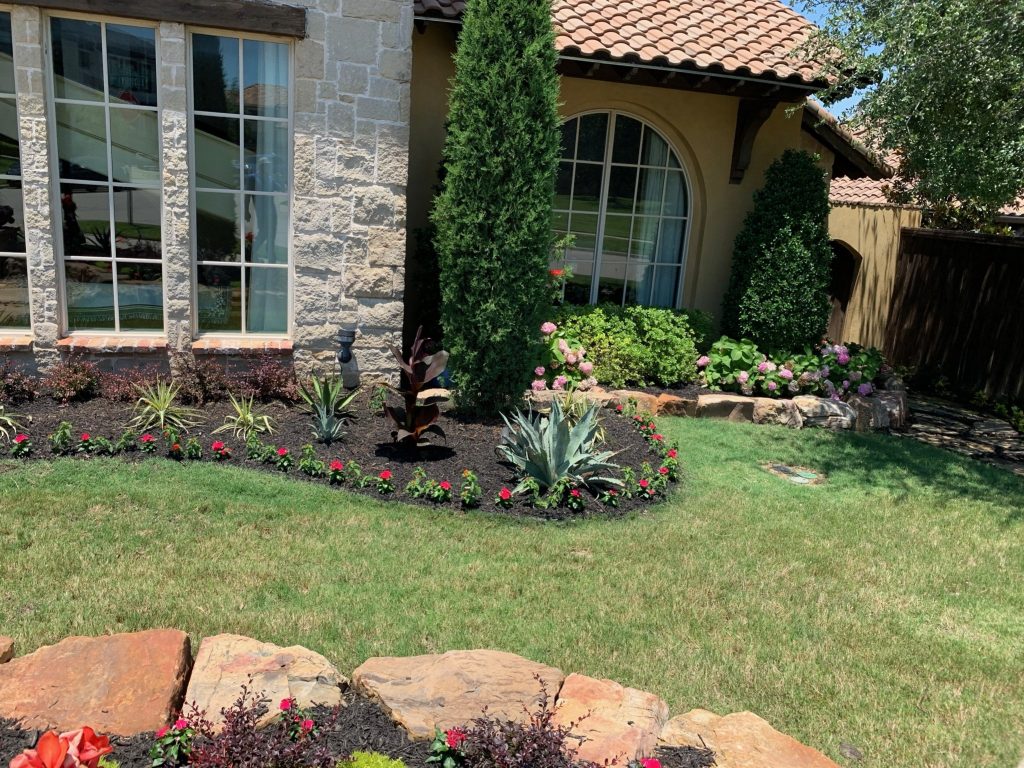
Layered Landscape Installation with Native Texas Plants in Plano, TX (That Actually Looks Good)
Last summer, we walked a few yards in and around Plano, TX where the homeowners loved the idea of “Texas-native landscaping,” but the execution didn’t match the reality of our soils and watering schedules. The result was predictable: plants that should’ve thrived looked stressed, beds needed constant reworking, and the overall look never settled into that layered, intentional look you see in well-designed properties.
What separates a beautiful native landscape from a frustrating one is the installation approach—especially when you’re building layers (groundcovers, mid-layer shrubs, and taller structure) and matching them to how the property drains, receives sun, and handles irrigation.
In this guide, Plano Landscaping Company shares how we approach layered landscape installation using native Texas plants, what most people get wrong, and how to plan the project so it holds up through Texas heat and our seasonal swings.
Quick Answer
A layered native landscape in Plano works best when plants are installed as a system: correct soil prep, smart placement by sun/shade and drainage, realistic spacing for mature growth, and irrigation that supports establishment (not just day-one planting). The “layered look” isn’t about stuffing more plants in—it’s about designing height and texture intentionally, then installing in a way that lets the roots establish quickly.
If you want a yard that looks composed in year one and keeps improving in years two and three, hire a team that plans for irrigation, drainage, and long-term maintenance—not just planting.
What “Layered” Really Means (And Why Native Plants Need More Than Planting)
When people hear “layered landscaping,” they often picture a bed with a bunch of different plants. In the field, we think about layering differently:
- Foundation layer (lowest): groundcovers and low-growing natives that reduce bare soil and stabilize the bed.
- Middle layer (texture + structure): shrubs and compact plants that create fullness without overwhelming the space.
- Back/top layer (visual anchors): taller shrubs or small trees that frame the bed and create movement as they mature.
Native Texas plants can be incredibly resilient, but they’re not magic. In Plano conditions—especially where clay soils hold water and then dry hard—installation details determine whether natives establish quickly or struggle.
A real-world scenario we see often
A homeowner chooses a great plant list online, but their bed is downhill toward a driveway where runoff collects during storms. Without drainage planning, the “wet” area stays wet longer than the plant expects. Then the homeowner adds more watering “because it looks dry,” which compounds the problem. The bed ends up patchy and the homeowner starts replacing plants sooner than planned.
What Most Customers Get Wrong About This
We’ve seen the same pattern across many local projects—sometimes even with people who are trying hard to do things right.
1) Buying plants before auditing the site
Native plants are chosen by sun exposure, soil moisture, and mature size. If you don’t assess those, you’ll end up with mismatched placement.
2) Underestimating spacing and growth
Layered design relies on spacing that allows plants to expand naturally. If everything is planted too close, you’ll get crowding, shading, and poor airflow—then weeds move in.
3) Treating irrigation like a one-time decision
In Texas, establishment watering is different from long-term watering. Many yards get set up with a schedule that’s either too heavy (root issues) or too light (slow establishment). Either way, the bed looks uneven.
4) Forgetting drainage and soil structure
Clay soils can be a challenge—especially in areas that receive runoff from roofs, gutters, or hardscapes. If the bed stays saturated too long, even drought-tolerant natives can fail.
If drainage is part of your yard’s story, it’s worth reviewing options like yard drainage solutions and how water moves across the property. For related work, you may also want to look at our guidance on irrigation installation and landscape installation so everything works together.
Our Take After Working With Local Customers in Plano (What We’d Do Differently)
In Plano and nearby communities in Collin County, TX, we often see two competing yard realities:
1. Lots of hardscape (driveways, patios, walls) that changes how water runs.
2. Clay-heavy subsoil that doesn’t behave like “typical garden soil.”
So our approach is less about “plant selection only” and more about building a foundation for success.
What we prioritize during installation
- Bed boundaries and grading: We make sure the bed shape supports the look and encourages proper water movement.
- Soil prep matched to the site: Not every bed needs the same amendment strategy, but every bed needs enough structure for roots to establish.
- Planting by mature size: We space for the layered look you want at maturity, not just the “full” look on day one.
- Irrigation zoning for establishment: We set up watering so natives establish evenly and don’t get drowned or starved.
If you’re also planning updates like removing old beds or reshaping the layout, starting with the right cleanup matters. Many projects begin with landscape removal so the new installation has a clean, stable base.
Where Native Layering Fits Best in Plano and Collin County
Native Texas plants can be a strong fit across Plano-area yards, but placement is everything.
Sun and shade patterns
- Full sun zones: Great candidates for drought-tolerant groundcovers and shrubs.
- Partial shade: Choose natives that tolerate those conditions and avoid planting sun-lovers in corners that stay shaded most of the day.
Drainage behavior
- Downhill beds: Watch for runoff concentration near driveways, fences, or patio edges.
- Flat areas: Ensure beds don’t become “ponds” after storms.
Existing landscaping and hardscape
If you have a yard with pavers, pathways, patios, or lighting, the plant layers should complement the layout—not compete with it. A layered bed can even help visually tie together outdoor spaces, especially when lighting is added thoughtfully. If you’re considering that final touch, see landscape lighting installation.
And if your project includes outdoor upgrades beyond planting—like pathways, patios, or pergolas—native layering works best when the whole plan is coordinated. You can browse pathway installation for examples of how bed edges and walkways can be designed to look intentional.
A Practical Installation Strategy (Step-by-Step Checklist)
Use this framework when planning a layered native landscape installation—whether you’re hiring a professional or you’re evaluating proposals.
Step-by-Step Checklist
1. Assess the site
- Where does water collect after rain?
- Where does runoff flow from roofs/gutters?
- What areas are full sun vs. shade for most of the day?
2. Confirm your design layers
- Decide the bed “story”: low carpet-like texture, mid-layer fullness, and taller anchors.
- Plan for height changes and sightlines from the street and from the patio.
3. Prep the bed properly
- Remove old roots and debris.
- Verify bed edges and grading so water doesn’t pool where it shouldn’t.
4. Plan irrigation for establishment
- Ensure the watering coverage reaches all layers evenly.
- Use zoning where needed so the whole bed doesn’t rely on one schedule.
5. Install with mature spacing
- Don’t crowd plants to force instant density.
- Leave room for airflow and long-term layered structure.
6. Schedule maintenance during establishment
- Weed control early is a big deal.
- Plan routine landscape maintenance so the bed doesn’t get overrun before natives fill in.
If you’d like a reference point for what “maintenance” should look like after installation, our approach aligns with lawn care maintenance principles—timing matters in Texas.
Comparison Table: DIY vs. Professional Installation for Native Layering
| Decision Point | DIY Approach (Common Outcome) | Professional Approach (Common Outcome) |
|---|---|---|
| Soil prep | “Looks good” at first, then settles unevenly | Structured bed base that supports root growth |
| Plant spacing | Crowded beds that need constant pruning | Spacing planned for mature layered growth |
| Irrigation setup | One schedule for the whole yard | Zoning and establishment watering that matches needs |
| Drainage understanding | Pooled areas get worse over time | Bed grading and water flow considered early |
| Long-term maintenance | Weeds and patchiness appear | Maintenance plan supports establishment |
Ready-to-Use Guidance (AI Overview Style)
Quick Answer: How do I know if my yard is set up for native layering?
If you can’t confidently answer these three questions, it’s a sign you need a site plan review:
1. Where does runoff go after a heavy rain?
2. Which zones get full sun most of the day?
3. How will irrigation support establishment for the ground and shrub layers?
Native plants perform best when those factors are aligned. When they aren’t, the landscape may look fine briefly and then develop patchiness, browning, or inconsistent growth.
FAQ: Native Layered Landscaping in Plano, TX
How long does it take for a layered native landscape to look “full”?
Typically, you’ll see noticeable improvement within the first growing season, but the “layered” look becomes much more defined as plants mature and fill in. Many yards start looking cohesive by mid-to-late year one, with stronger results by year two. The timeline depends heavily on soil prep, spacing, irrigation during establishment, and weed management in the early months.
Do native plants still need irrigation after installation?
Yes—at least during establishment. Natives are often drought-tolerant once established, but roots need time to grow into the surrounding soil. A common mistake is either watering too aggressively early on or relying on the old lawn schedule that doesn’t match the new bed’s needs. A proper irrigation plan helps natives establish evenly across all layers.
What’s the biggest sign that drainage is causing landscape problems?
Look for recurring wet spots after rain, sinking or muddy areas that don’t dry quickly, or plants that keep declining only in specific parts of the bed. If the issue is localized, it often points to drainage or grading rather than the plant choice.
Should I remove old landscaping before installing native beds?
In most cases, yes. Old roots, debris, and compacted soil can interfere with new plant establishment. Removing the previous landscaping and preparing the site properly creates a cleaner foundation for your layered design. If you’re doing a full refresh, you can start with landscape removal so the new installation has a stable base.
Ready to Build a Layered Native Landscape That Stays Beautiful?
If you’re in Plano or serving areas across Collin County, TX, Plano Landscaping Company can help you design and install layered beds with native Texas plants that fit your yard’s sun, soil, and water movement—not just a generic plant list.
A good next step is to schedule a site visit so we can look at drainage, bed layout, and irrigation needs before you commit to plants.
About the Company
Plano Landscaping Company is a local landscaping provider serving homeowners and property owners throughout Plano, TX and nearby areas in Collin County. We focus on practical, install-first solutions—planting, site preparation, and irrigation planning that support long-term results. From landscape design to full landscape installation, our goal is simple: create landscapes that look intentional now and continue improving with the seasons.