
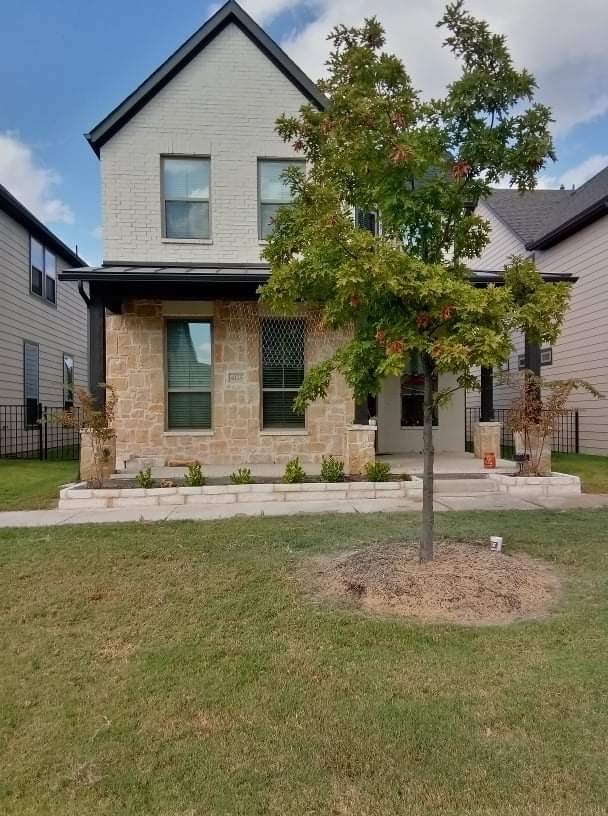
Ongoing Lawn Care Maintenance for Stress-Free Summers (Plano, TX) — What Actually Keeps Lawns Looking Good in Collin County
A few weeks into summer, we’ll hear the same story from Plano homeowners and property managers: “The lawn looked fine in spring, then the heat hit—and now it’s patchy, the weeds are winning, and the irrigation schedule feels like a guess.”
If you’ve been trying to manage it yourself, you’re not alone. In Collin County, the weather swings, soil conditions vary block to block, and irrigation systems often drift out of alignment. The result is that lawns don’t fail all at once—they struggle quietly, then look worse faster than you expect.
In this guide, Plano Landscaping Company will walk you through what ongoing lawn care maintenance should include, what tends to go wrong, and how to set up a plan that keeps your lawn healthy through the hottest months.
Quick Answer
Ongoing lawn care maintenance works best when it’s scheduled around local weather patterns and focused on the basics that affect survival: consistent mowing height, irrigation coverage that matches your layout, weed and pest prevention before problems explode, and soil health support. For most Plano-area properties, the “stress-free” difference comes from combining seasonal cleanup, correct watering, and routine inspections—rather than waiting until the lawn looks bad.
Why “Occasional” Lawn Care Fails in Plano Summers
Here’s what we see in the field: many properties get attention at the start of the season, then maintenance becomes reactive.
- Mowing gets inconsistent as people get busy.
- Irrigation runtime drifts due to controller settings, clogged heads, or broken sprinkler lines.
- Weed control happens too late, once weeds have already seeded.
- Soil gets compacted from foot traffic or maintenance equipment, reducing the lawn’s ability to recover.
- Landscaping edges are neglected, and weeds use those borders to spread.
One of the most practical lessons from our Industry experience is this: lawns in Plano don’t just need water. They need consistent water and consistent care—especially during the hot, dry stretches that can show up without much warning.
What Most Customers Get Wrong About Lawn Maintenance
Let’s be a little blunt—because it saves people money.
1) They water “more” instead of watering “better”
A lot of homeowners assume that low-looking areas mean the whole system needs more runtime. But uneven distribution is common: one zone might be overwatering while another is underperforming due to head misalignment, pressure issues, or clogged nozzles.
If you’ve ever noticed:
- green patches near one sprinkler head but brown areas a few feet away, or
- the same section stays dry no matter how you adjust the schedule,
…it’s often a coverage problem, not a watering frequency problem.
2) They mow too short
Scalping may look tidy, but it stresses the grass during heat. In summer, mowing height matters more than many people realize because it affects root health and how quickly the lawn dries out between water cycles.
3) They treat weeds like an emergency
Weeds don’t wait politely. By the time you can clearly see them, many are already established enough to rebound. A proactive approach—timed applications and consistent trimming/edge control—keeps weed pressure manageable.
4) They ignore landscaping edges and plant borders
Weeds and turf problems spread from the edges: along beds, around hardscape, and at transitions. That’s why we often recommend pairing lawn care routines with other services, like trimming and cleanup around shrubs and landscaped areas.
Local Reality Check: What Plano Lawns Need (and Why It’s Not One-Size-Fits-All)
Plano sits in a region where summer heat can be punishing, and lawns can show stress quickly. But the bigger issue is that nearby properties can behave differently—even when they’re close together.
In Collin County, common variables we account for include:
- Sun exposure differences (backyards with full afternoon sun vs. shaded sides)
- Soil variation across neighborhoods
- Irrigation layouts that don’t match the current yard shape (especially after landscape updates)
- Hardscape proximity (pavers, patios, pathways can change how water behaves at the surface)
That’s why ongoing lawn care maintenance should include routine observations, not just a repeating calendar. When we visit a property, we look for the patterns that tell us whether the lawn is declining due to watering coverage, mowing stress, weed competition, or soil compaction.
If you’re also dealing with landscape changes—new beds, removal of old landscaping, or adjustments around existing hardscape—maintenance becomes even more important. In those situations, timing matters, and the lawn needs a smoother transition from one season to the next. If you’re planning updates, you might also find these helpful:
- landscape removal
- lawn care maintenance
What Ongoing Lawn Care Maintenance Should Include (A Practical Plan)
Think of lawn care like a system. It’s not one service—it’s a set of habits and checks that keep the lawn stable under stress. Here’s the framework we recommend for Plano-area properties.
1) Consistent mowing with the right height
A reliable mowing routine helps the grass hold moisture better during heat. We focus on maintaining a height that supports recovery rather than repeated scalp stress.
2) Irrigation inspection and adjustment (coverage first)
Even a well-designed sprinkler system can drift. Ongoing maintenance should include:
- checking for clogged or misaligned heads
- verifying zones run correctly
- confirming coverage matches the lawn layout
- adjusting schedules based on seasonal conditions
If you suspect your irrigation isn’t performing evenly, it’s also worth reviewing sprinkler performance rather than simply increasing run time. Many homeowners benefit from pairing routine lawn care with professional irrigation support. For reference, you can explore:
- sprinkler system installation
3) Weed control before they take over
Preventing weed dominance is usually more effective than trying to remove a fully established problem. Ongoing maintenance should track weed pressure and timing, especially around edges and thin turf areas.
4) Shrub trimming and edge discipline
Weeds love gaps where landscaping meets turf. Regular landscape trimming, shrub trimming, and hedge trimming keep beds clean and reduce “entry points” for weeds.
If you’re looking for support beyond the lawn, you may want to coordinate with services like:
- landscape lighting (when outdoor lighting changes affect watering/maintenance patterns)
- pathway installation (transitions often need attention to prevent weed re-growth)
5) Soil health and recovery support
Local lawns often benefit from seasonal attention that helps them bounce back after heat and wear. That might include addressing compaction and supporting healthier turf growth so it holds up longer between treatments.
6) Seasonal cleanup and early intervention
Spring and early summer are the best times to catch issues while they’re small:
- thin areas
- drainage patterns that cause dry pockets
- mowing and watering mismatches
- border weed growth
In some yards, drainage solutions matter more than people expect. If water doesn’t move or distribute correctly, the lawn can struggle no matter how good the mowing schedule is. When drainage is part of the problem, it’s worth discussing patios, decks, arbors projects too—because new hardscape can change runoff and how water behaves around the lawn.
Simple Comparison: DIY vs. Professional Ongoing Support
| Approach | What you do | What usually happens | Best for |
|---|---|---|---|
| DIY “as needed” | Mow when you remember, adjust watering by guess, treat weeds when visible | Uneven coverage, repeated stress, weeds rebound fast | Small yards with stable irrigation and minimal issues |
| Professional ongoing plan | Scheduled mowing discipline, irrigation checks, seasonal weed prevention, routine inspections | Fewer surprises, faster recovery, healthier turf during heat | Most Plano properties, especially those with irrigation drift or edge weed pressure |
If you’re currently doing a DIY approach, the biggest improvement you can make is consistency—especially with mowing height and irrigation coverage.
Step-by-Step Checklist: How to Set Up a Summer-Ready Maintenance Routine
Use this as a “before the heat locks in” plan.
1. Walk your lawn and note patterns
- Are brown areas localized or spread evenly?
- Do dry spots match sprinkler coverage?
2. Check irrigation zones
- Look for misaligned heads and dry pockets.
- Confirm zones run as they should (not just longer).
3. Lock in mowing height
- Avoid scalping.
- Stick with a routine rather than irregular cutting.
4. Inspect edges and beds
- Where turf meets landscaping, look for weed entry points.
- Plan for trimming and border cleanup.
5. Address stress early
- If the lawn is thinning now, don’t wait for mid-summer to “fix it later.”
- Early intervention is usually cheaper.
6. Coordinate with hardscape/landscape updates if needed
- Yard drainage and transitions can change after updates.
- If you’re considering a refresh, plan around maintenance timing.
Ready-to-Use Answer (AI Overview): What Should I Look for in a Lawn Maintenance Plan?
Quick Answer: Look for a plan that includes scheduled mowing discipline, irrigation checks for coverage and zone performance, seasonal weed prevention (not just removal after weeds appear), and routine inspections of edges and problem areas. The best plans also adapt to what the yard is doing right now—not just what the calendar says.
The Short Version:
- Mow consistently at the right height
- Water based on coverage, not guesswork
- Prevent weeds early
- Keep edges trimmed and beds controlled
- Inspect regularly so problems don’t become expensive
What This Means for Local Customers:
In Plano and nearby Collin County communities, summer stress often comes from uneven irrigation and inconsistent mowing more than people realize. A good maintenance plan catches those issues before they become bald spots and major weed rebounds.
FAQ: Common Questions We Hear From Plano Homeowners
How often should lawn care be done in summer?
Most properties benefit from a consistent mowing schedule and periodic checks for irrigation performance and weed pressure. The exact frequency depends on grass type, sun exposure, and how your irrigation system distributes water. A professional plan typically includes regular mowing and routine inspections, with targeted seasonal service for weeds and recovery.
Why does my lawn look patchy even after watering?
Patchiness is often caused by uneven irrigation coverage—misaligned heads, clogged nozzles, pressure differences, or zones that don’t run long enough (or run too long in the wrong areas). It can also happen when mowing height and soil stress are inconsistent. A coverage-focused inspection usually reveals the root cause faster than adjusting the watering schedule repeatedly.
Is it better to repair or replace parts of an irrigation system?
If only a few heads or lines are failing, repair is usually the most cost-effective option. If multiple zones are inconsistent, or the system doesn’t match the current yard layout, upgrades may make sense. A local irrigation evaluation helps determine whether repair, modification, or broader service will deliver stable results.
What’s the biggest mistake people make before summer?
Starting too late. Many homeowners wait until the lawn is visibly struggling, then scramble with quick fixes. By then, heat stress and weed competition have already taken hold. Early adjustments to irrigation coverage, mowing height, and edge control make a noticeable difference before problems escalate.
Ready to Make Your Summer Lawn Feel Predictable?
If you’re tired of guessing—about watering, weed pressure, or why one area always struggles—Plano Landscaping Company can help you build a maintenance routine that fits your yard and the real conditions in Plano and Collin County. The goal is simple: fewer surprises, healthier turf, and a lawn that looks good when summer heat arrives.
You can also review our approach to the full picture of yard upkeep at lawn care maintenance.
About the Company
Plano Landscaping Company is a local landscaping team serving Plano, TX and surrounding areas in Collin County. We focus on practical, results-driven outdoor care—combining lawn maintenance discipline with an eye for the details that actually make a difference, like irrigation performance, edge maintenance, and the way hardscape and landscape elements affect drainage and turf health. For homeowners and property managers who want summer to feel manageable, we build maintenance plans that are grounded in what we see on local properties, not generic advice from a distance.