
Need Landscape Trimming? Signs Your Yard Looks Untidy
If your curb appeal feels “almost there” but not quite, the issue is often not mowing or watering. It is frequently uneven growth in shrubs, hedges, and edging that makes the whole landscape look neglected. This guide helps you spot the trimming cues that matter most in Plano, TX.
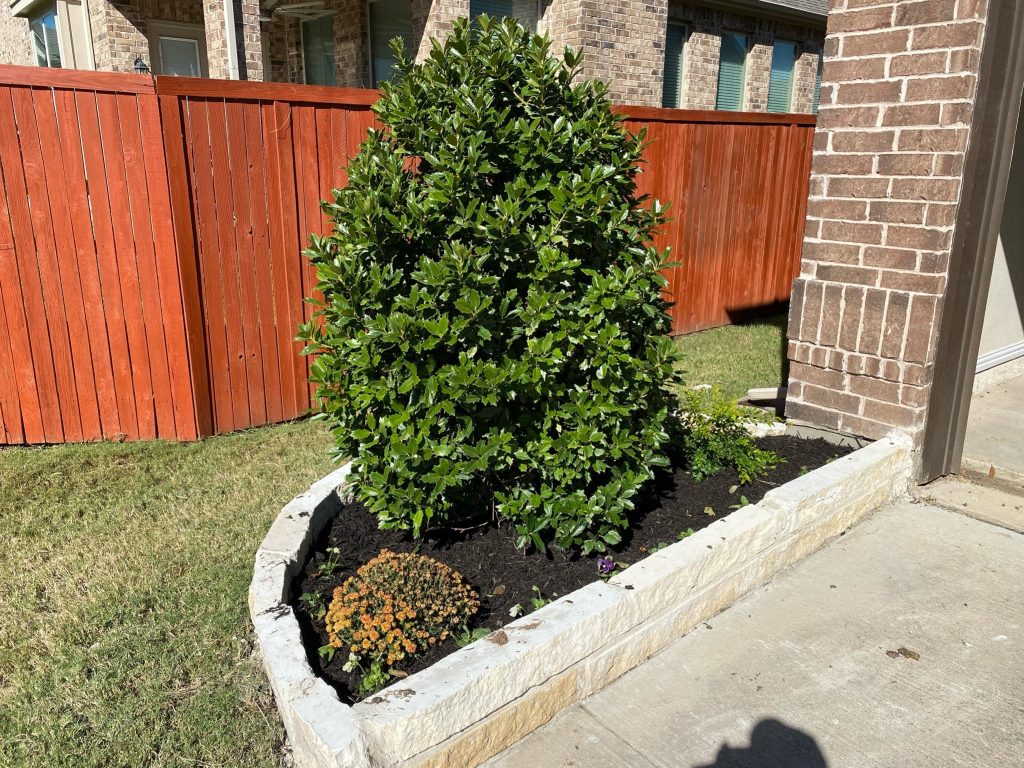
Maybe you keep up with lawn care, but right near the walkway or front entry, the landscaping looks messy. The shrubs may be getting tall on one side, hedges can look “puffy” at the edges, and the bed line may blur into the grass.
In Plano, TX, growth can ramp up fast during warm stretches, so a yard can go from tidy to untidy without you realizing it until guests arrive. This guide will help you understand what trimming really fixes, what to check first, and when it is worth calling a local team.
- Quick answer
- What to check first
- Main considerations
- Local factors
- Common mistakes
- Customer checklist
- Frequently asked questions
Quick Answer
If your landscaping looks uneven, the fastest visual fix is often landscape trimming: shrub trimming, hedge trimming, and cleanup along bed edges and walkways. Look for overgrowth that blocks sight lines, “leggy” hedges, or beds that blend into the lawn. Before you cut, check whether the growth is general and healthy or whether you are seeing dieback. If you want a crisp shape without stressing plants, schedule professional landscape maintenance so trimming is done at the right time and with clean lines.
What to Check First
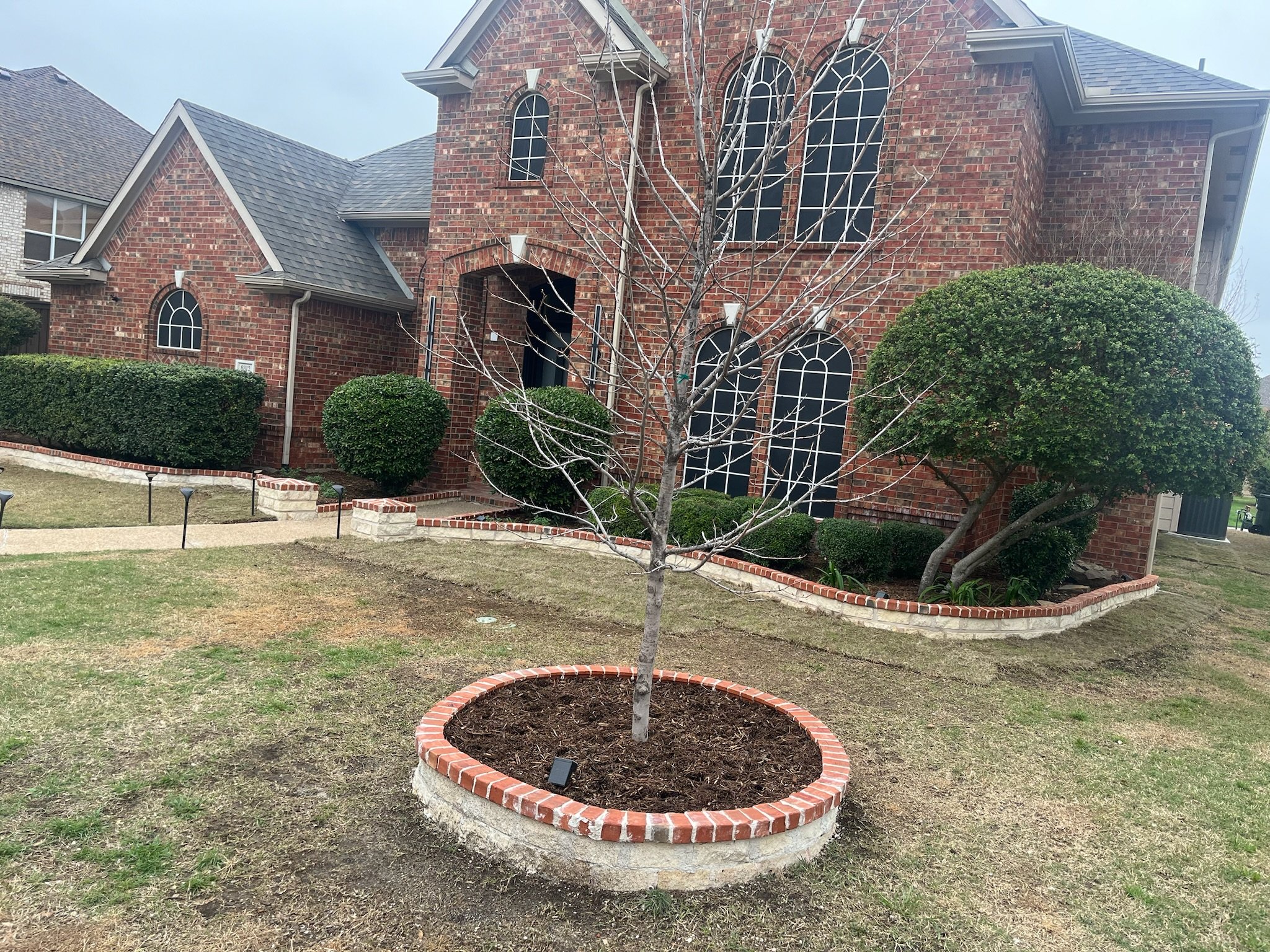
Start with a quick walk-through from the street. Untidy yards usually show up as three patterns: uneven plant height, messy bed edges, and a “soft” look where shrubs should be defined. Grab a phone and note where the eye lands first, like the front foundation area, the side yard, or the space between pavers and lawn.
Professional observation: The most common reason a yard looks unkempt is not that plants are failing. It is that growth has drifted out of its intended shape, so the whole property reads “overgrown” even when everything is alive.
1) Bed edges that have softened
Grass creeping into mulch or mulch sliding into turf makes the landscape look unfinished. Fresh edging and a clean trim line makes everything look intentional.
2) Shrubs and hedges that look “one-sided”
If one section grows faster, the hedge or foundation planting can look crooked. That is a trimming frequency and technique cue.
3) Overgrowth near high-traffic areas
When plants start brushing walkways, entry steps, or driveway borders, it reads untidy. Trimming restores clearance and safety for daily use.
Main Things Customers Should Understand
Trimming is not just about making plants shorter. It is about maintaining structure so your landscaping stays neat between maintenance visits. In practice, that means understanding how your plants respond to cuts, keeping a consistent outline, and removing what is crowding the shape.
Here is what usually drives the “untidy” look and what trimming can fix:
- Uneven heights: When hedges grow taller in one area, the eye catches it immediately from the street.
- Jagged or inconsistent lines: DIY trimming can leave uneven edges, especially around corners and near hardscape.
- Thick growth that blocks light: Crowded shrub interiors can look dull or sparse on the outside because the plant is not balanced.
- Seasonal growth surges: Warm-weather growth can outpace your schedule, so a “quick mow” is not enough to keep everything looking crisp.
Professional observation: When customers ask for “landscape trimming,” they often really need a reset of shapes near the driveway, walkway, and foundation plantings so the whole yard reads clean in one glance.
Why This Matters in Plano, TX
In Plano and the surrounding Collin County area, landscaping is often a mix of newer hardscape and established plantings. That combination can make trimming even more noticeable because pavers, pathway lines, and foundation edges create strong visual boundaries. If shrubs and hedges drift beyond those boundaries, the yard can look untidy even when everything is generally maintained.
Keeping trims consistent helps your outdoor spaces look finished, whether you spend time on a patio, walking a pathway, or just pulling into the driveway. If your landscaping includes irrigation and sprinkler system installation, trimming also helps keep plant growth from interfering with spray patterns and coverage areas.
| What you notice | Likely cause | Best next step |
|---|---|---|
| Hedges look “puffy” or uneven | Growth has drifted out of a consistent outline | Schedule shrub trimming or hedge trimming with a defined shape |
| Plants overhang walkways | Trimming interval is too long for your growth rate | Book trimming focused on clearance and safety |
| Mulch and grass lines look messy | Bed edges have softened over time | Ask about landscape maintenance that includes cleanup and edging |
| Foundation plants look dull | Overgrowth is crowding the plant’s structure | Request a balanced trim rather than random cuts |
Get your yard looking sharp again
If your shrubs, hedges, or bed edges are overdue, Plano Landscaping Company can help you restore clean lines and a tidy outline. We focus on practical trimming that supports a well-kept landscape appearance.
Contact Plano Landscaping CompanyCommon Mistakes to Avoid
Even when homeowners want to help, a few common trimming mistakes can make the yard look worse or take longer to bounce back. These are easy to avoid once you know what to watch for.
- Cutting without a shape plan: Random “snips” often create visible unevenness, especially along foundation lines and near walkways.
- Trimming too aggressively: Removing too much at once can leave plants looking thin while they regrow.
- Ignoring bed-edge cleanup: A hedge can be trimmed perfectly, but if grass has invaded the mulch line, the overall yard still reads untidy.
- Forgetting clearance needs: Plants that overhang stairs, paths, or driveway edges can look messy and create daily hassles.
- Assuming lawn care alone is enough: Mowing helps the grass, but landscape trimming is what restores crisp plant structure.
Customer Checklist
Use this checklist before you schedule landscaping services. It helps you describe what you see and ensures the trimming plan targets the real problem areas.
- From the street, do you see uneven hedge height or irregular shrub shapes?
- Are bed edges (mulch-to-grass lines) blending instead of looking crisp?
- Do plants overhang walkways, entry areas, or driveway borders?
- Are there thin or sparse sections on the plant’s outer edge that suggest imbalance?
- Have you noticed growth that is faster than your usual maintenance schedule?
- Do you want trimming that matches existing landscape design lines and hardscape boundaries?
Representative Scenario
A homeowner in Plano, TX keeps up with mowing and watering, but after a warm stretch the foundation shrubs started growing taller on one side. The walkway border looked crowded, and the mulch line near the pavers had softened into the grass. Instead of trying a weekend of random trimming, they scheduled landscape trimming focused on restoring a consistent outline, cleaning bed edges, and improving clearance. The result was a cleaner look from the street and easier maintenance going forward.
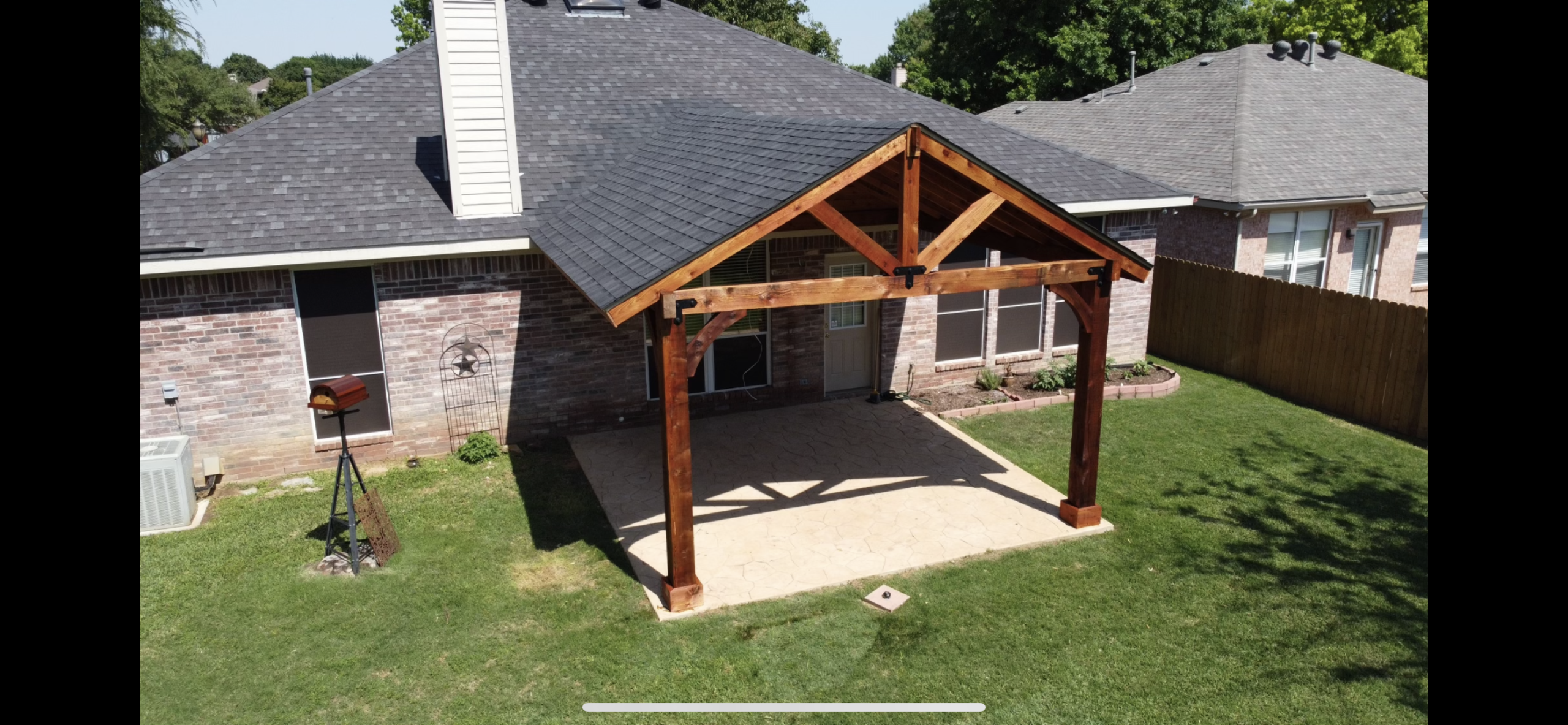
When you are trying to decide what to prioritize, it helps to understand related services that may pair well with trimming. For example, if you are updating hardscape or reworking outdoor living spaces, you may also want to review your plan for pathway installation or paver patio installation so the landscape lines match the new layout.
Helpful next read
Lawn care maintenance can support the “clean line” look when trimming and mowing are coordinated.
Pairing options
Landscape lighting installation can make trimmed shapes stand out after dark, especially along pathways and entry borders.
Hardscape alignment
Pathway installation often benefits from trimming that respects the edge boundaries of walkways.
Frequently asked questions
Here are practical answers to common questions homeowners ask before scheduling landscape trimming in Plano, TX.
How often should I plan landscape trimming?
Most yards need trimming when growth starts to drift beyond the intended shape. If you notice hedges looking uneven, shrubs overhanging walkways, or bed edges blending into grass, it is usually a sign that trimming intervals have slipped. In Plano, TX, warm-weather growth can accelerate, so many homeowners find that consistent maintenance prevents the “untidy” look from piling up.
Is shrub trimming different from hedge trimming?
Yes. Shrub trimming focuses on maintaining the natural structure of shrubs while keeping them tidy and balanced. Hedge trimming is more about maintaining a uniform outline and keeping growth from getting lopsided. Both are part of landscaping services that support a clean, intentional look around the foundation, entry areas, and property borders.
What should I do if plants are already overgrown?
If plants have grown past their shape, the goal is usually to reset the outline without cutting randomly. A professional approach is more likely to restore structure while avoiding overly harsh cuts. Start by identifying whether the issue is general overgrowth or actual dieback. If you see unhealthy sections, discuss that before trimming so the plan matches what the plant can handle.
Can trimming fix blurred bed edges and messy mulch lines?
Trimming helps the plants look crisp, but blurred bed edges often need cleanup along the mulch-to-grass boundary. That is why many homeowners pair hedge or shrub trimming with broader landscape maintenance focused on edge definition and cleanup. When bed lines are refreshed and plants are shaped to match the area, the yard usually looks more organized right away.
Will trimming interfere with irrigation or sprinkler system coverage?
It should not, but it can if plants grow into or close to sprinkler heads and spray patterns. If your property has irrigation installation or an existing sprinkler system installation, trimming can actually reduce interference by restoring clearance. If you are unsure, mention where sprinkler coverage seems affected so the trimming plan considers those areas.
Ready for a neater look in Plano?
Plano Landscaping Company provides landscaping services designed to keep plants shaped, bed edges clean, and your outdoor space looking intentional. Tell us what areas look untidy and we will help you map the right trimming focus.
Call (214) 624-6011
About Plano Landscaping Company
Plano Landscaping Company delivers professional landscaping services for homeowners and property managers across Plano, TX and Collin County. Our focus is practical, customer-friendly maintenance that supports clean curb appeal, well-kept plant structure, and outdoor spaces that look finished.