
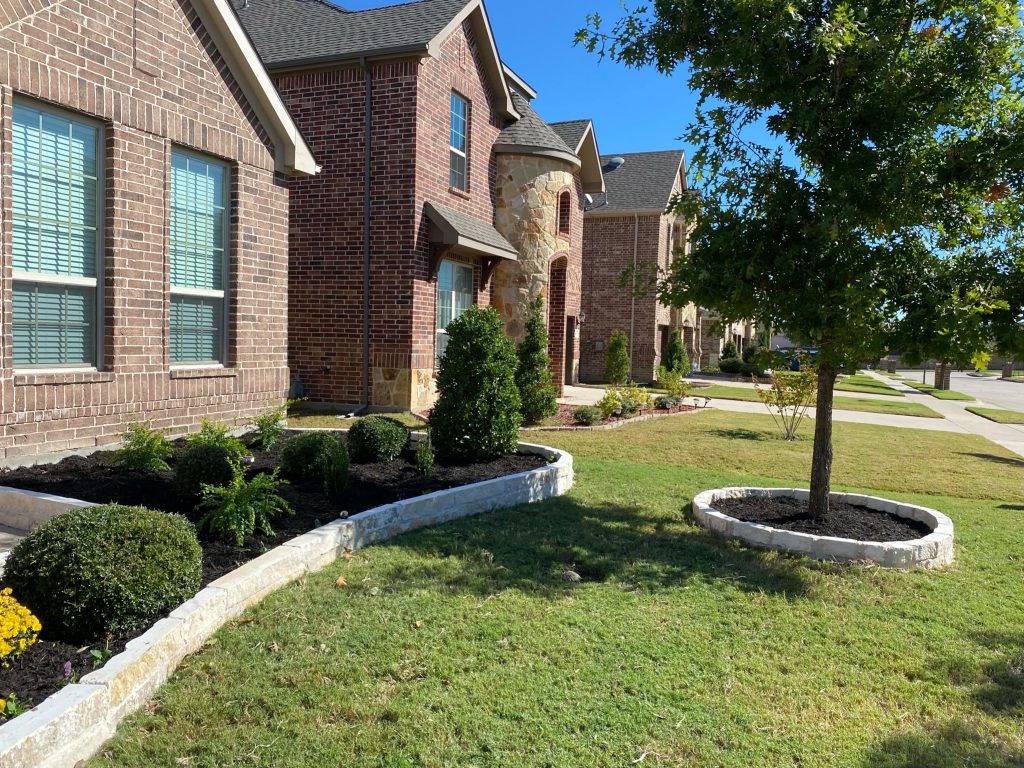
Signs You Need Professional Landscape Installation Services
If your yard looks “almost right” but still feels uneven, drains poorly, or keeps needing patchwork, the issue is often the installation, not the plants. For homeowners in Plano, TX, getting the base, drainage, and layout right matters just as much as choosing materials.
You finally decide to upgrade the look of your property in Plano, TX. The problem is, the first season after a DIY install can feel like a reset button: sod thins out, pavers shift, mulch washes away, or water pools where you do not want it.
Those symptoms usually point to missing steps in the installation process, especially around site prep, grading, irrigation planning, and correct material setup. This guide helps you spot the moments when professional landscape installation services are the safer choice for a cleaner, longer-lasting result.
- Quick answer
- What to check first
- Main factors that affect outcomes
- Why this matters in Plano
- Common mistakes
- Customer checklist
- Frequently asked questions
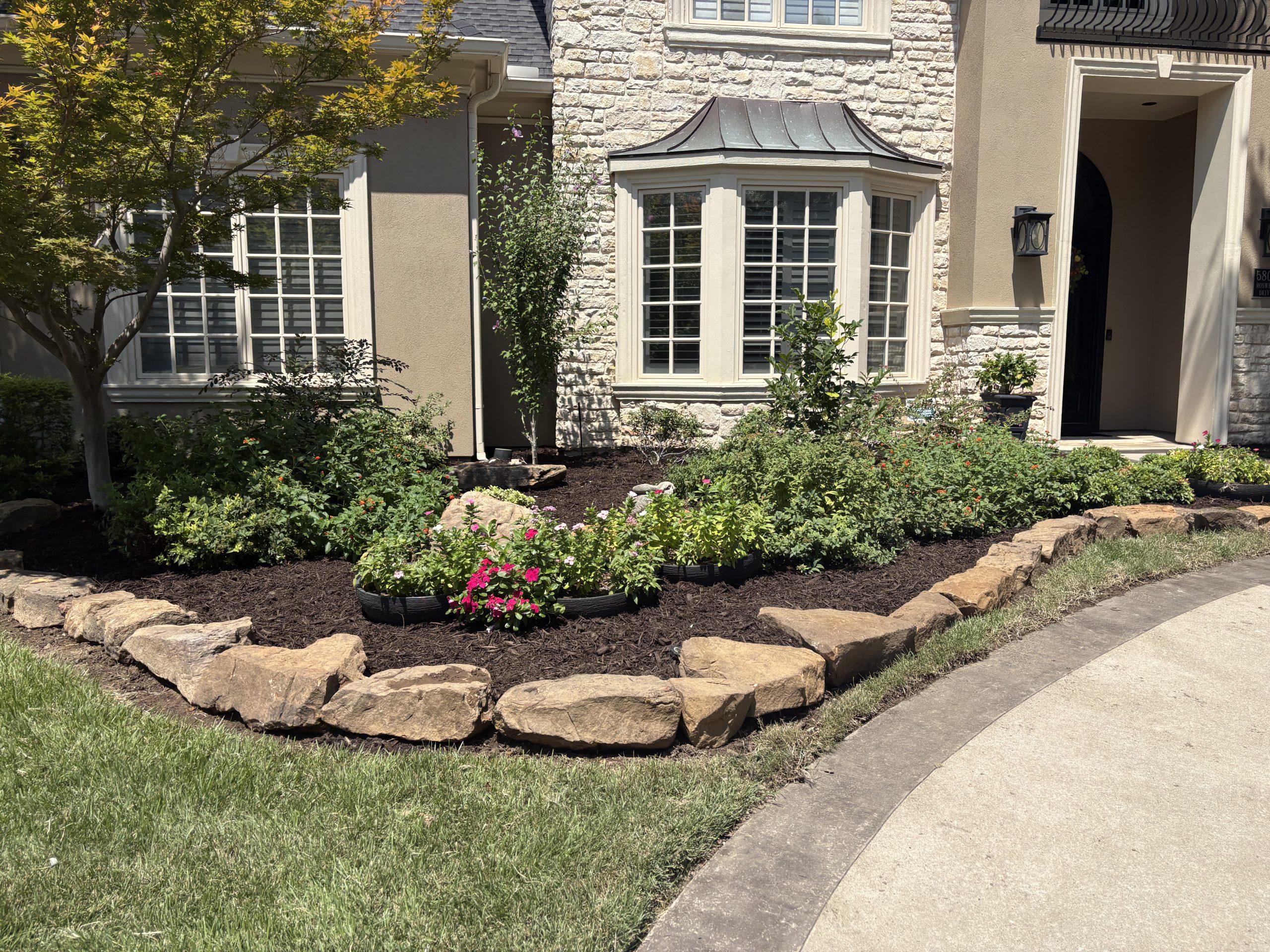
Quick Answer
You likely need professional landscape installation services when the “problem” is repeating after you try to patch it, or when the yard struggles with grading, drainage, or irrigation coverage. If water pools, plants don’t establish evenly, or hardscape elements shift or sink, the underlying installation steps were probably incomplete. A practical next step is to have a contractor review the site conditions and your intended layout before you start. For help with irrigation, removal, and installation planning, contact Plano Landscaping Company at (214) 624-6011.
What to Check First
Before you assume you need new plants or a bigger makeover, look for signs that the ground work and systems are not set up correctly. Start with where water goes, how surfaces meet (grass to pavers, soil to edging, downspouts to beds), and whether your irrigation plan matches the layout you want. If those basics are off, even high-quality materials can wear out faster than expected.
Water behavior
Check for standing water, muddy ruts, or erosion lines after rain. Pooling is a grading and drainage clue, not a “plant problem.”
Surface stability
Walk hardscape areas. If pavers or pathways feel uneven or rock underfoot, the base or compaction steps may need correction.
Irrigation coverage
Look for dry spots and overwatering zones. Inconsistent watering often traces back to sprinkler placement and system layout.
Main Things Customers Should Understand
Landscape installation is more than placing materials. In Plano-area properties, the “invisible” work is what determines how your yard performs through seasons. When you are deciding between DIY and professional help, focus on whether the installer can address foundation needs like removal, site prep, drainage solutions, and irrigation installation. These decisions affect everything from turf establishment to paver patio longevity.
Professional observation: If you are planning landscape installation but the plan starts with materials instead of site conditions, you may be skipping the steps that prevent future repairs.
1) You need proper landscape removal and site prep
If you have old landscaping in the way, leaving contaminated soil or unmanaged debris can lead to uneven base conditions. Professional removal helps create a clean, consistent starting point so new beds, turf installation, or hardscape work can sit correctly. For older areas that need to be cleared the right way, review landscape removal services.
2) Irrigation planning is part of the install, not an afterthought
Many yards fail to establish because the sprinkler system installation does not match the layout. A pro can coordinate coverage zones, head placement, and controller setup so water reaches the right areas at the right time. If you are considering a renovation, exploring sprinkler system installation can help you avoid patchy results.
3) Drainage solutions protect both landscaping and hardscape
When water is not guided away from beds, patios, and pathways, it can erode mulch, soften soils, and undermine foundations. That is when you see shifting edges, sinking pavers, or turf that never fully fills in. If drainage is a concern, ask how your installer will handle yard drainage solutions and landscape drainage as part of the project.
4) Hardscape needs the right base and installation sequence
Whether you are adding paver patio installation, pathways, or other outdoor surfaces, stability depends on correct leveling and compaction. If you notice rocking, uneven lines, or gaps appearing soon after installation, it is often a base setup issue. For projects that include paving, see paver patio installation for what a well-planned build considers.
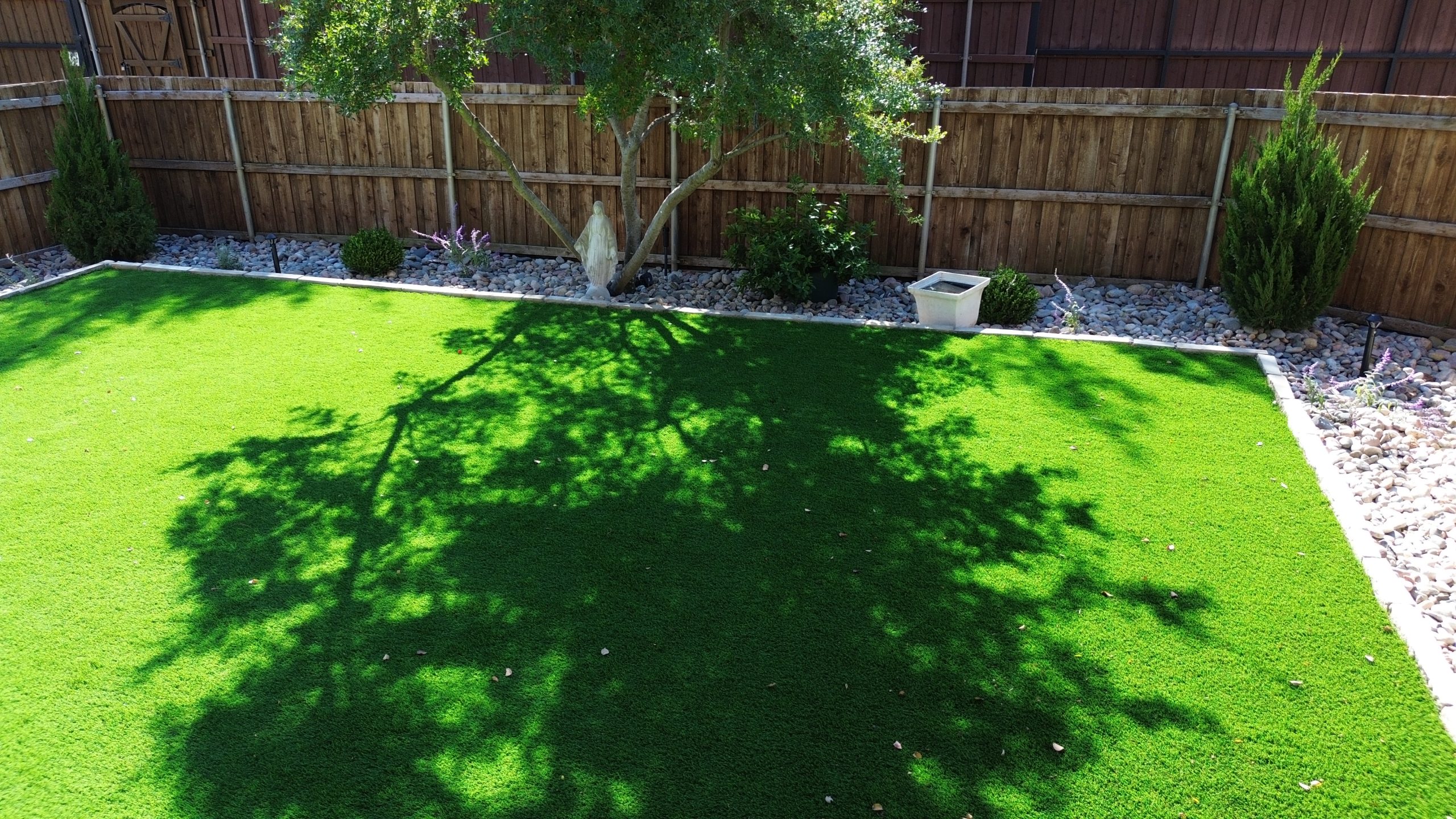
5) Turf, beds, and finishing work must be coordinated
Turf installation and landscaping maintenance go together. If sod installation is done without proper prep, or if trimming and edging are inconsistent, the yard can look uneven and wear faster. If you are aiming for a clean, maintained look, it helps to plan beyond the first day of install, including ongoing care. You can also explore lawn care maintenance for support after installation.
Signs it is time to upgrade to professional installation: Water pooling, repeated patch repairs, uneven surfaces that worsen, irrigation coverage problems, and landscaping that looks fine for a short time but deteriorates quickly.
Why This Matters in Plano, TX
In Plano, TX and across Collin County, TX, yard projects can be affected by rapid swings between dry periods and heavier rain. That makes good site prep and drainage more than a “nice to have.” When installation does not account for how water moves across your property, you can end up redoing sections sooner than expected. A professional installation approach helps your hardscape and landscaping hold up under real local conditions, not just ideal days.
| Situation you notice | What it usually indicates | Best next step |
|---|---|---|
| Water pools near beds or between hardscape edges | Grading and drainage solutions were not installed or coordinated | Ask how drainage solutions will be handled during landscape installation |
| Dry patches and uneven turf growth | Irrigation installation and sprinkler coverage do not match the layout | Have an irrigation plan reviewed before starting new turf |
| Pavers or pathways shift, sink, or feel uneven | Base prep and compaction steps may be incomplete | Get a stability assessment before you re-lay materials |
| Old landscaping keeps causing trouble after clearing | Removal and site prep did not create a consistent base | Plan landscape removal as part of the full installation sequence |
Need help planning your next landscape installation?
Get practical guidance for your Plano-area property, including how removal, irrigation installation, and site prep affect the final result.
Explore landscape installationCommon Mistakes to Avoid
DIY or rushed installs often fail for the same reasons: skipping prep, misunderstanding drainage, or assuming irrigation is “easy to adjust later.” Here are common mistakes homeowners make that can lead to extra work, additional material waste, and an uneven finished look.
- Skipping landscape removal and cleanup: Leftover roots, debris, or inconsistent soil can create uneven performance under new turf or beds.
- Installing without a clear drainage plan: If you do not address where water flows, you can get erosion, soft spots, and shifting hardscape.
- Assuming irrigation coverage will be “close enough”: Dry corners and overly wet areas usually mean sprinkler system installation needs alignment to your layout.
- Underestimating base prep for patios and pathways: Even attractive paver patio installation can fail early if the foundation is not built correctly.
- Finishing too soon: Edging, trimming, and consistent maintenance are part of keeping your landscaping looking intentional.
Customer Checklist
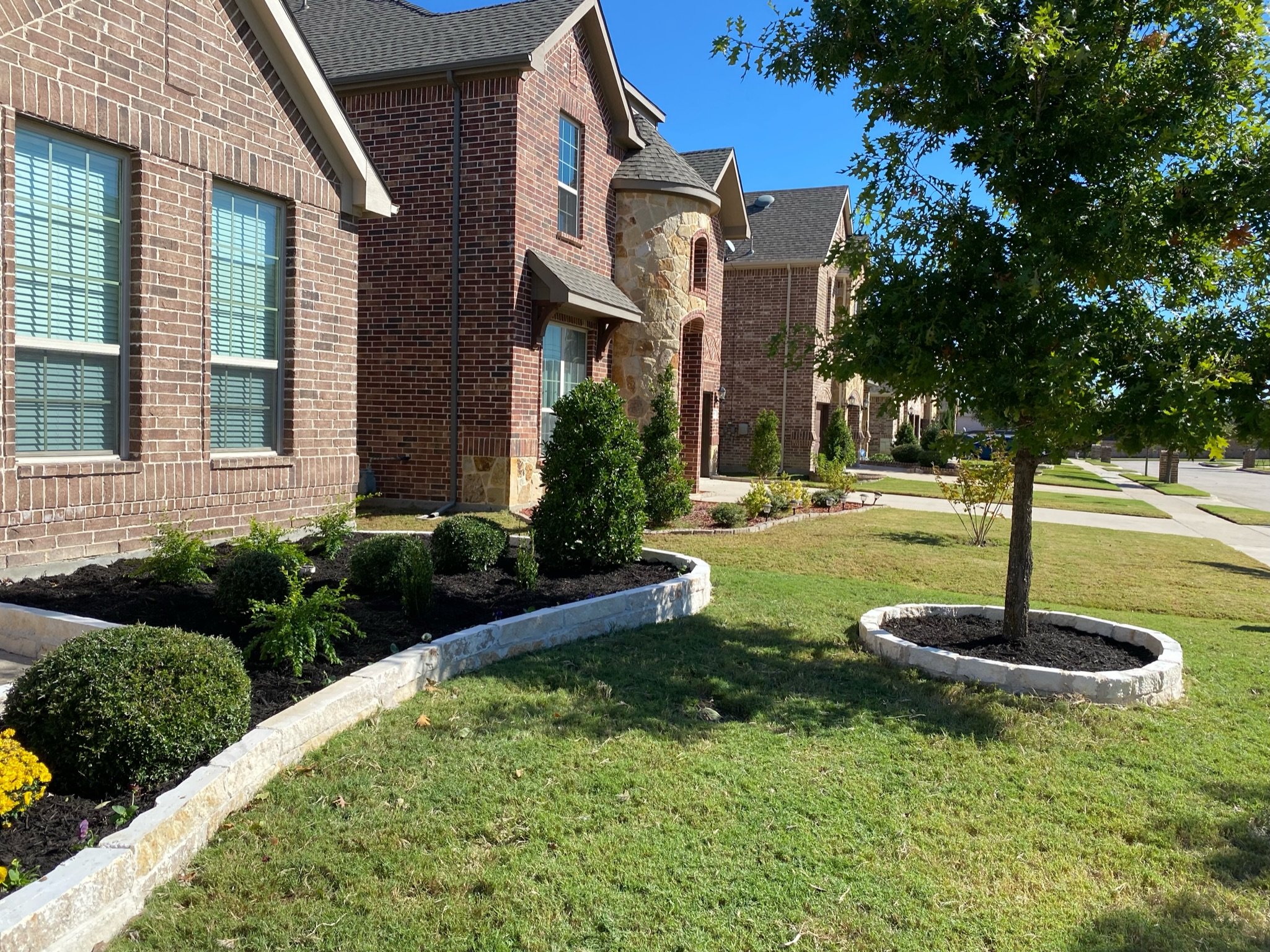
Use this checklist before you commit to materials or schedule work. If you can check most items below, you are setting yourself up for a more reliable outcome. If you cannot, that is a strong signal to bring in professional landscaping support.
- I know where water goes on my property after rain, and I have a plan to manage it.
- My installation sequence accounts for landscape removal and proper site prep.
- I have a clear irrigation plan (or I am getting one) that matches my layout.
- Hardscape areas have the right base preparation for stability and long-term wear.
- I understand what “finishing work” includes, such as edging and ongoing landscape maintenance.
- I can explain what success looks like for my yard after the first season.
Representative Scenario
A Plano homeowner replaces an old front walkway with a new pathway and adds mulch beds around it. After the first heavy rain, muddy streaks appear where the beds meet the walkway, and the edges start to look uneven. The homeowner also notices that the turf in the nearby area stays thinner than the rest. A pro review finds that the drainage and irrigation coverage were not coordinated with the new layout. Fixing the grading and sprinkler coverage improves water movement, helps the turf establish more evenly, and prevents the edging from shifting further.
Frequently asked questions
If you are weighing professional installation versus doing it yourself, these questions can help you get clarity quickly.
How do I tell whether the problem is drainage or the plants?
When does irrigation installation matter most?
Can pavers or pathways fail even if they look level at first?
Do I always need landscape removal before installing something new?
What should I ask during an initial landscape installation consultation?
Ready for a cleaner, more reliable installation plan?
Call Plano Landscaping Company to discuss your Plano-area property and get practical guidance on landscape installation, irrigation installation, and removal planning.
Call (214) 624-6011
About Plano Landscaping Company
Plano Landscaping Company provides landscaping services for homeowners and property owners in Plano, TX and surrounding areas in Collin County. Their team focuses on practical installation planning, including landscape removal, irrigation installation, and landscape installation support designed to help your yard look great and perform well over time.