
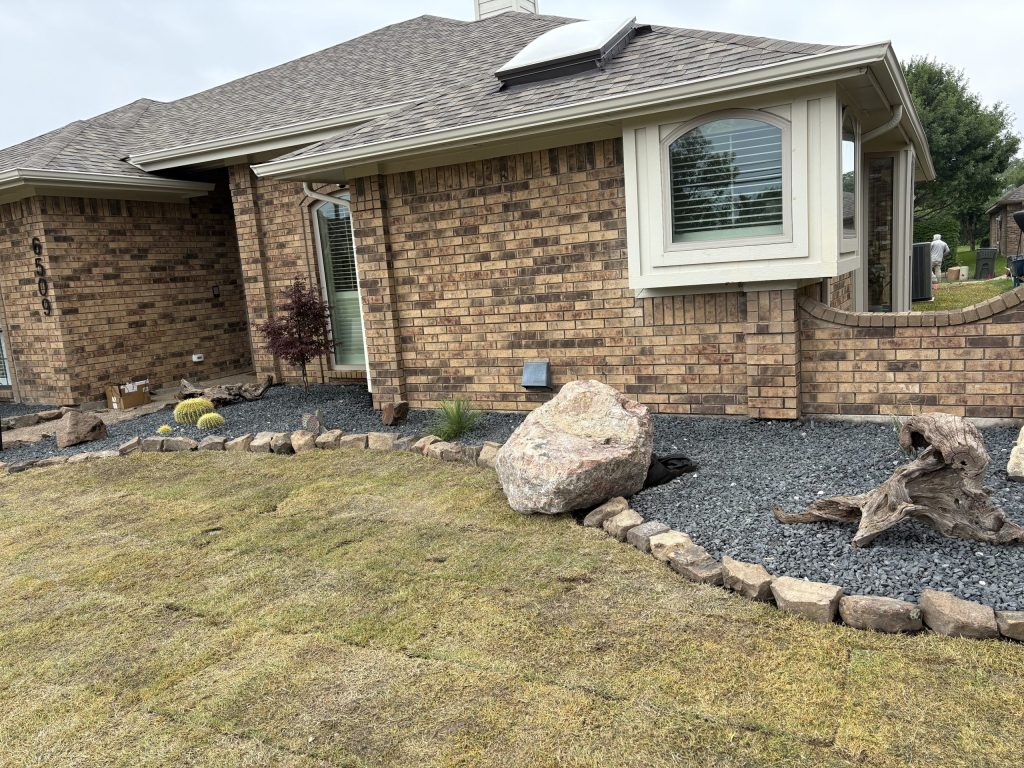
Landscape Trimming Services for Neat Shrubs and Trees
If your shrubs look overgrown or your hedges have lost their shape, it usually shows up fast in Plano yards and front entrances. The good news is that careful trimming can restore clean lines, improve curb appeal, and keep plants healthy when it’s done for the right reasons.
Maybe you notice branches creeping into walkways, hedge gaps that make the whole bed look messy, or shrubs that have started growing unevenly after a missed maintenance window. That’s a common moment when homeowners in Plano, TX decide whether they want a quick cleanup or a more deliberate shaping plan.
This guide walks you through what to check before trimming, what “neat” really means for different shrub and tree types, and how to avoid the mistakes that can cause regrowth problems. You’ll also find a simple checklist you can use when scheduling landscape maintenance or planning a more complete refresh.
Quick Answer
For neat shrubs and trees, start by identifying what needs shaping versus what needs corrective thinning, then trim based on the plant’s growth pattern and the season. If hedges are uneven or branches are encroaching, a trimming plan that balances form and airflow usually looks better and reduces the chance of regrowth issues. For most Plano properties, the practical next step is to schedule a service visit focused on landscape trimming and hedge trimming, with cleanup included so beds and edges look crisp immediately.
What to Check First
Before anyone makes cuts, take a quick walk around your yard and look for three things: growth direction, clearance, and overall bed condition. This helps you avoid trimming “blind” and ending up with a shape that doesn’t match your space.
- Growth direction and density: Is the shrub getting taller only in one corner, or is it filling in evenly? Uneven growth often means a shaping approach, not just a simple height cut.
- Clearance around pathways and entryways: Pay attention to shrubs near steps, driveways, and walkways. Trimming should keep access comfortable and maintain safe sightlines.
- Bed edges and surrounding features: If mulch lines, edging, or irrigation coverage looks inconsistent, trimming can expose the gaps. Consider pairing trimming with other maintenance so the whole area looks finished.
Professional observation: The neatest-looking trims usually come from a plan that respects each plant’s natural form. Random “shorten everything” cuts often create bare spots and a lopsided look over the next growing cycle.
Main Things Customers Should Understand
“Neat” is not one haircut style for every plant. Shrub trimming, hedge trimming, and tree trimming each require a different mindset, especially when you want the results to hold up in changing seasons across Plano, TX.
1) Shrub trimming for clean lines
Shrubs usually benefit from frequent, controlled shaping that keeps the profile even. When growth has stretched, trimming should gradually restore the shape rather than removing too much at once.
2) Hedge trimming for consistent thickness
Hedges look best when the face stays uniform and the interior gets enough airflow. That means thoughtful thinning and shaping so the hedge doesn’t end up flat on one side or sparse at the bottom.
3) Tree trimming for form and access
For trees, trimming is often about clearance and structure. The goal is to reduce interference with property edges while maintaining a natural look, not forcing a rigid outline.
Decision table: trimming approach by what you’re seeing
| What you notice | What it usually means | Recommended trimming focus |
|---|---|---|
| Hedges look uneven from one end to the other | Growth pattern imbalance and inconsistent shaping over time | Shaping + selective thinning to even out the face |
| Shrubs are overgrown into beds or near edges | Clearance and bed encroachment | Targeted trimming for access, plus cleanup so beds look crisp |
| Branches interfere with walkways or entry lighting | Clearance needs and structure control | Pruning for clearance while preserving natural form |
| Plants look dense but dull or sparse underneath | Airflow and interior light issues from past cuts | Airflow-focused thinning to encourage healthier structure |
Professional observation: On many Plano properties, trimming results look “off” when irrigation coverage or bed borders were already inconsistent. When you tidy shrubs and hedges without addressing edging or maintenance details, the cut lines can highlight the rest of the area.
If you’re also seeing irrigation concerns, you may want to review sprinkler installation and irrigation so plants stay in good shape after trimming.
Why This Matters in Plano, TX
In Plano, TX, homeowners often balance curb appeal with practical yard use. Shrubs and hedges are typically positioned near driveways, sidewalks, and property lines, where they can quickly become visually messy when growth runs ahead. Trimming that restores clean lines helps your front yard read “intentional” instead of “neglected.”
Another local factor is how quickly landscaping can look different after a heavy growth period. When plants get too dense, the outer growth can mask what’s happening inside, making it harder to see which areas need shaping versus thinning. A planned approach keeps your shrubs and trees looking neat without turning the yard into a one-time “reset” that needs repeating sooner.
If you’re also preparing for a wider refresh, you can coordinate trimming with broader landscaping work like lawn care maintenance or bed updates so the entire outdoor space looks unified.
Want Neat Shrubs and Trees Without Guesswork?
A quick assessment can help match trimming to your plant types, space constraints, and desired look for your Plano, TX property.
Call Plano Landscaping CompanyCommon Mistakes to Avoid
These are the trimming issues we see most often when a yard ends up looking uneven again soon after a cleanup.
- Cutting for height only: If you shorten everything but don’t shape the face, the hedge can look “flat” and uneven as it regrows.
- Ignoring clearance needs: Shrubs that creep into walkways or near entry areas can force repeated trims. Plan for practical access so you don’t fight the same problem every season.
- Trimming without considering the interior: Dense plants often need selective thinning to improve airflow and reduce the look of a thick outer layer with sparse interior structure.
- Forgetting cleanup and bed edges: Even a great trim can look messy if clippings are left behind or if edging is inconsistent. Cleanup and finishing touches matter.
- Overcorrecting: Removing too much at once can leave bare areas. A more gradual approach usually supports a steadier, neater appearance over time.
Customer Checklist
- Walk the property and identify the top 3 areas where shrubs or trees look overgrown or uneven.
- Confirm clearance needs near walkways, steps, and entry points so trimming supports daily use.
- Note which plants need shaping (face and profile) versus thinning (interior airflow and structure).
- Look at bed edges and mulch lines, since trimming can make gaps more noticeable.
- Decide on the target look: “maintained and tidy” or “reset and reshape,” then keep trimming consistent with that goal.
- Plan for cleanup so the yard looks finished right after trimming.
Representative Scenario
A homeowner in Plano, TX had two front hedges that grew faster on one side, creating a noticeable dip in the middle. They also had a few branches encroaching toward the walkway, making the entry look cluttered. Instead of a one-time height cut, the trimming plan focused on shaping the hedge face to even out the profile, then selectively thinning to improve interior structure. After cleanup, the bed edges looked sharper, and the hedges held a more consistent look as new growth started.
FAQs
How do I know whether my shrubs need shaping or thinning?
When trimming is finished, why do hedges sometimes look messy again quickly?
Can landscape trimming be part of a bigger yard refresh?
What should I do if branches are near outdoor lighting or entry features?
Do I need to schedule trimming year-round in Collin County?
Schedule Landscape Trimming in Plano, TX
If your shrubs and trees are losing their shape, Plano Landscaping Company can help you plan a neat, practical trimming approach for your property in Plano, TX.
Explore Landscape Design ServicesPrefer to talk it through? (214) 624-6011