
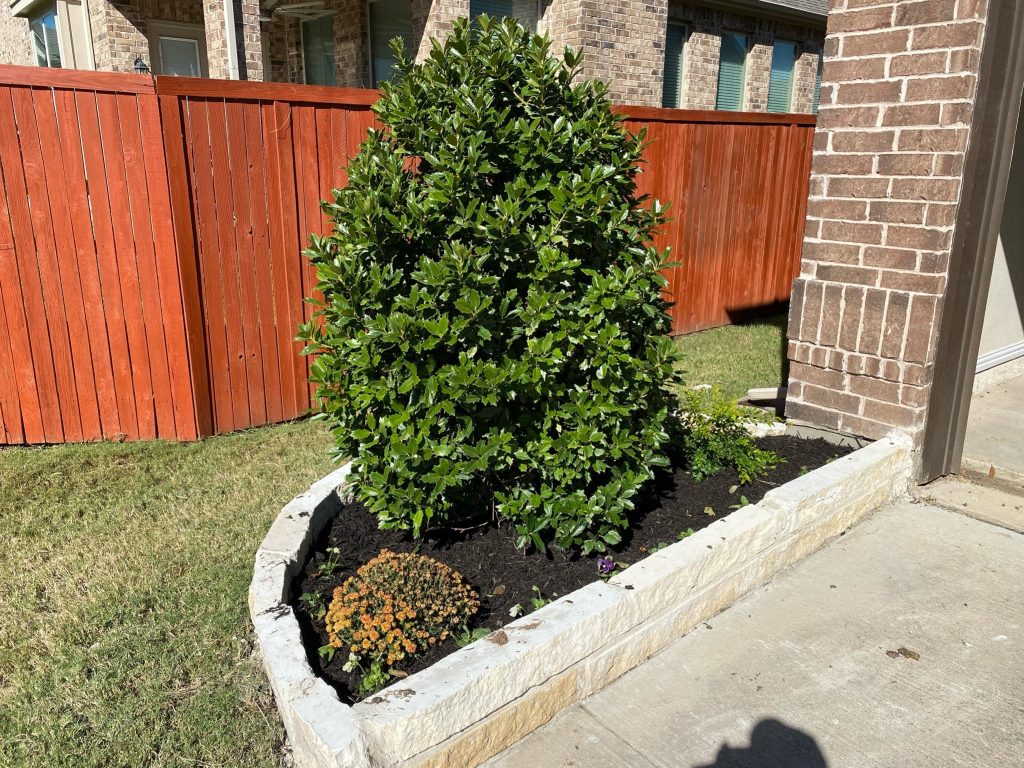
Landscape Installation with Smart Drainage and Beauty
If you’ve ever watched water pool after a storm, or noticed your new sod or pavers start shifting, the landscaping problem is usually bigger than the surface. A smart landscape installation pairs clean design with drainage solutions so your yard stays attractive and usable through the seasons in Plano, TX.
You pick out a fresh look for your front yard, schedule lawn care maintenance, and get everything ready for the big reveal. Then a heavy rain hits Plano, TX, and you see it: muddy runoff, soggy low spots, and water drifting toward the foundation or collecting along a walkway.
Before you spend time and money replacing materials, you want to understand what “smart drainage” means in a landscape installation. This guide explains what to check, where drainage systems fit, and how to plan the installation so your landscaping services hold up long-term.
Quick Answer
If your yard stays wet, washes out, or develops low spots after rain, you likely need drainage solutions built into the landscape installation, not just a new surface. Start by identifying where water collects and how it flows across your property. Then plan the installation sequence so excavation, grading, and irrigation installation or sprinkler system installation (if needed) happen with drainage in mind. A practical recommendation is to ask for a drainage-focused plan before committing to paver patio installation, pathway installation, sod installation, or artificial grass installation. That way, your landscaping services look good and function correctly in Plano, TX.
What to Check First
Before you choose materials or schedule lawn care services, walk your property with a simple goal: trace the water. In Plano, TX, the same yard can look fine in dry weather and behave completely differently after a storm. You want to catch the patterns early.
Where does water collect?
Look for puddles near downspouts, low corners of the yard, or along the edge of a driveway or walkway. Mark the spots so you can discuss them during your landscape design.
Where does it flow next?
Check how runoff travels after it starts moving. If it heads toward the foundation, that is a clue that yard drainage solutions may be needed.
What is already there?
Note irrigation installation, old lawn areas, and any existing drainage features. If you are planning landscape removal, it is often the moment to fix grading and drainage.
Professional observation: The most expensive-looking landscaping issues often start underground. If grading and drainage are off, pavers, sod installation, and even landscape lighting installation can end up looking uneven or settling early.
Main Things Customers Should Understand
Smart drainage is not one product. It is the way your landscape installation is planned, graded, and built so water moves where you want it to go. Below are the main factors that help residential landscaping last.
| Decision point | What it affects | Customer-friendly way to think about it |
|---|---|---|
| Grading and slope | How water travels across the yard | Even a beautiful paver patio installation can fail visually if water keeps pooling or running in the wrong direction. |
| Drainage solutions | Where runoff is captured or redirected | Yard drainage solutions should connect to a practical plan for directing water away from problem areas. |
| Irrigation and sprinkler system installation | How much water you add intentionally | If irrigation is misaligned, it can create wet zones that mimic drainage problems. |
| Surface choice | How the top layer handles moisture | Choose sod installation, artificial grass installation, or synthetic turf installation with the underlying drainage plan already set. |
| Installation sequence | Whether drainage gets buried correctly | Drainage and excavation usually come before materials like pathway installation, walkway installation, patio installation, or outdoor living spaces features. |
Practical recommendation: If you are planning a full landscaping project in Plano, TX, consider reviewing your plan for landscape design services early. A drainage-first layout helps avoid rework when you later add pergola installation, fencing, or landscape lighting.
Why This Matters in Plano, TX
In Plano, TX, storms can leave yards with sudden puddling and runoff, especially where older grading meets new materials. When drainage is treated as an afterthought, you may see washouts near curbs, soggy turf zones after lawn maintenance services, or settling under concrete installation or deck installation areas.
A local insight we often see is that homeowners focus on curb appeal first. That is a great start. The best results happen when the installation supports both beauty and performance, so the landscape contractor plan accounts for how water behaves on your exact property.
Firsthand-style industry observation: During landscape installation projects, the “small” low spot that looks harmless dry often becomes the biggest issue after rain. Once sod installation or patio pavers are set, fixing the grading means lifting and resetting materials. Planning drainage solutions up front reduces that kind of disruption.
Common Mistakes to Avoid
Most drainage-related landscaping problems are preventable. Here are common mistakes customers run into during landscape installation decisions in Plano, TX.
Mistake: going surface-first
Choosing paver patio installation, pathway installation, or sod installation before addressing grading can lead to uneven settling and recurring puddles.
Mistake: treating irrigation as separate
If sprinkler system installation is tuned without considering drainage, you can accidentally create wet zones that look like yard drainage solutions are failing.
Mistake: skipping landscape removal when it matters
Old landscaping removal can be necessary so excavation and drainage solutions are installed correctly. If you keep problematic layers, the new design may not perform as expected.
Customer Checklist
Use this checklist to guide your conversations and decisions for landscaping services and landscape installation in Plano, TX.
- Walk the yard and mark where water pools after rain, especially near downspouts and along walkways.
- Confirm the plan includes drainage solutions and yard drainage solutions, not just surface upgrades.
- Ask how grading will be handled before paver patio installation, pathway installation, patio installation, or concrete installation work.
- Review irrigation installation and sprinkler system installation placement so it does not create wet spots.
- If you have older areas, discuss whether landscape removal is needed for proper installation depth and drainage performance.
- Plan the sequence so drainage features are installed and covered correctly before sod installation, artificial grass installation, or synthetic turf installation.
- Ask how runoff will be directed away from areas you want to protect, including outdoor living spaces and deck installation zones.
A Representative Scenario (Plano, TX)
One Plano homeowner wanted a backyard patio installation with a clean walkway installation line from the driveway. After a few storms, water consistently collected along the edge of the old lawn and flowed toward the patio area. Instead of replacing only the surface, the project plan focused on grading and drainage solutions first, then moved into the patio pavers and adjacent hardscape.
Because the drainage plan was settled before the final materials, the homeowner ended up with a yard that looked intentional and stayed more usable after rain. The final result supported outdoor living spaces without the recurring muddy transitions.
Ready for a drainage-first landscape plan?
Get help planning your landscape installation with smart drainage
If you are seeing pooling, runoff, or uneven settling in Plano, TX, contact Plano Landscaping Company to discuss your goals and what needs to happen first.
Contact Plano Landscaping CompanyHelpful Related Services (Explore)
These areas often connect directly to drainage performance and installation quality. If your project includes any of the items below, reviewing them now can help you plan the order of work.
- Landscape installation
- Sprinkler system installation & irrigation
- Paver patio installation
- Landscape removal
- Landscape design
FAQs
Do I need drainage solutions if my yard only puddles occasionally?
Occasional puddling is still useful information. If water pools in the same area after storms, it usually indicates a consistent flow path or low spot. Even if it clears later, that pattern can stress turf and cause uneven settling under hardscape over time. A drainage-focused plan helps prevent the “repeat cycle” where the surface looks fine until the next storm.
How does sprinkler system installation affect yard drainage solutions?
Irrigation can create wet zones that look like drainage problems. If sprinkler heads are aimed toward low areas or hardscape edges, you may see persistent dampness even when rainfall is not heavy. That is why smart planning treats irrigation installation as part of the overall landscape installation design, not something added afterward.
Should I choose sod installation or artificial grass installation first?
It is usually better to finalize grading and drainage first, then choose the surface. Sod installation, synthetic turf installation, and synthetic turf installation services can all be successful, but the top layer performs best when the underlying water movement is already controlled. If drainage is corrected after installation, you may end up redoing work.
What is the best time to plan landscape removal for a drainage upgrade?
Landscape removal is often the right step when you are addressing existing layers that interfere with proper excavation and grading. If you are seeing washouts, shifting, or recurring pooling, removing problematic materials can help create the correct base for drainage solutions and long-lasting installation. Discuss your plan before materials go in so the project sequence stays efficient.
Can a drainage-first plan still include decorative features like pergola installation and outdoor lighting?
Yes. A drainage-first approach supports the entire yard layout. Once grading and water direction are planned, you can build around it with features like pergola installation, fencing, and landscape lighting installation. That way, the visual elements and the functional water management work together instead of fighting each other.
Take the next step with Plano Landscaping Company
Plan your landscape installation for beauty that lasts
When drainage solutions are built into the installation, your landscaping services are more likely to stay level, clean, and easier to maintain. If you are in Plano, TX or serving Collin County, TX, contact Plano Landscaping Company to review your goals.
Call (214) 624-6011