
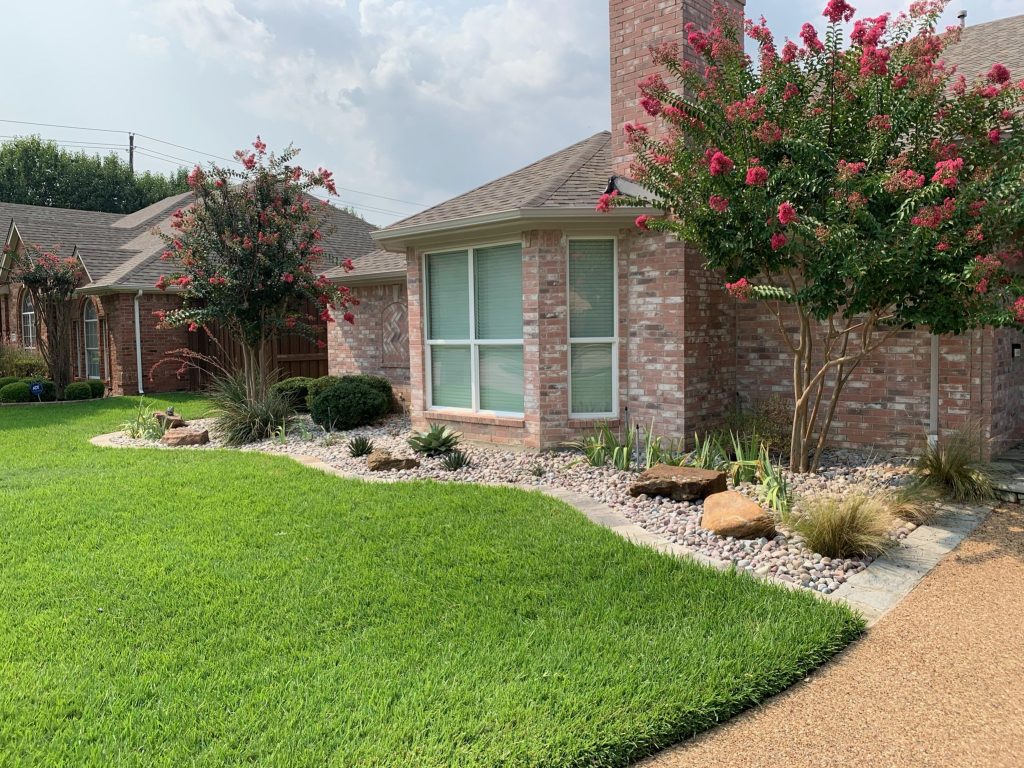
Sod Installation Tips for Lush, Fast Rooting Results
If your new sod looks great for a week but starts thinning or lifting, it is usually not the grass itself. It is almost always something that happened before, during, or right after installation.
A homeowner in Plano recently told us their sod “took off” visually, then the edges began to curl. They had watered, but the lawn still seemed uneven and a few seams stayed loose.
The good news is that you can prevent most of those problems with a few practical checks. This guide walks you through what matters most for fast rooting, how to spot trouble early, and what to plan for in the Plano, TX climate.
Quick Answer
For lush, fast rooting results, focus on three things: correct soil prep, tight seam contact, and watering that keeps the sod consistently moist during establishment. After installation, avoid foot traffic and check that the edges do not lift. If you can gently lift a corner and the soil underneath looks dry or the roots are not taking hold, adjust your watering schedule and give the lawn a few more days to root. A practical next step is to review your irrigation coverage before install so you are not relying on hand watering alone.
What to Check First
Before you worry about “how often” to water, verify the basics that determine whether sod can anchor quickly.
1) Soil contact
Sod roots need consistent contact with the soil beneath. If the base is uneven, compacted in spots, or has leftover debris, the turf can dry out at seams and edges.
2) Seam tightness
Gaps between rolls create drying points. Those seams can also become channels where irrigation misses or runs off instead of soaking in.
3) Watering coverage
“Watered” is not the same as “soaked.” In Plano, TX, coverage and timing matter because heat can dry the top layer quickly.
Main Things Customers Should Understand
Here is what we see most often when sod either roots quickly or struggles to establish. Think of it like a simple chain: prep leads to contact, contact leads to rooting, and rooting leads to a lawn that stays uniform.
Professional observation: Fast rooting usually comes down to how the sod base is prepared and whether the watering plan matches the lawn’s real coverage, not just the sprinkler’s settings.
| Area to verify | What “good” looks like | If it is not right |
|---|---|---|
| Prep and leveling | Even surface with solid base contact under the rolls. | Edges lift sooner; seams dry first; the lawn can look patchy. |
| Roll placement | Tight seams, staggered where possible, and no obvious low spots. | Gaps invite drying and slow rooting at the edges. |
| Rolling/pressing | Light pressure helps sod sit flat and contact soil. | Air pockets can form, slowing root establishment. |
| Moisture in the first days | Consistent moisture at the sod surface and just beneath it. | Grass can stay alive but not root firmly, especially in hot afternoons. |
| Traffic and handling | Minimal walking while roots establish. | Footprints can separate seams and create uneven drying zones. |
If you are planning a full landscape refresh in Plano, TX, sod performance improves when the surrounding work does not disrupt the base after installation. For example, if you are also updating irrigation and sprinkler coverage, it is best to align the timing so sod is installed with a watering plan that is already working.
For irrigation planning, you may find it helpful to review sprinkler installation and irrigation so your new lawn gets the coverage it needs during establishment.
Why This Matters in Plano, TX
Plano, TX lawns often face strong sun and drying conditions soon after installation. Even if you water “enough” overall, the top layer can dry before moisture reaches the soil under the sod, especially on sloped areas or near hardscape where water runoff can happen.
Another local factor is typical property layout: many yards border driveways, walkways, patios, or paver areas. If those adjacent surfaces create runoff paths, the sod near transitions may dry faster than the rest of the lawn. Addressing drainage and irrigation coverage together helps new sod root more uniformly.
Professional observation: When sod struggles in Collin County, TX, it is frequently the “micro-zones” at seams, edges, and transitions that fail first. Watching those areas for early lift is one of the quickest ways to catch a problem.
If your project includes more than sod, you can also coordinate the broader landscape build with landscape installation so the base is consistent from start to finish.
Common Mistakes to Avoid
These are the problems we see most often when homeowners want quick results but the lawn does not establish as expected.
- Letting seams dry out: Gaps between rolls can become drying points that slow rooting.
- Assuming one watering equals “soaked”: Sprinklers can wet the surface without reaching the moisture depth sod needs to anchor.
- Walking on new sod: Foot traffic can separate seams and create uneven contact.
- Installing over debris or uneven areas: Even small leftover material can prevent tight soil contact.
- Not planning for nearby removal or base changes: If old landscaping is still present, it can interfere with a consistent base. Reviewing landscape removal early can help avoid rework.
Customer Checklist
- Confirm the base is level and provides solid contact under each roll.
- Check that seams are tight and rolls are placed without leaving gaps.
- Ask how the sod will be pressed or rolled to improve contact.
- Plan watering for establishment so moisture stays consistent during the first days.
- Keep foot traffic off the lawn while it roots.
- Inspect edges and corners daily for early lifting or curling.
- Watch transitions near patios, pathways, and driveways where runoff can happen.
Representative Scenario: What a Fast-Rooting Install Looks Like
Imagine a typical Plano, TX backyard where the homeowner wants a clean, new lawn for outdoor living. The crew preps the surface, removes old material where needed, and installs sod with tight seams. The irrigation plan is reviewed so watering coverage reaches the lawn evenly. In the first few days, the homeowner avoids walking on the new turf and checks corners for any lift. By the time the lawn is ready for regular care, the sod sits flat and the seams hold tight because the soil contact and establishment moisture were managed from day one.
Need help getting your sod established?
If you want a plan that fits your Plano, TX yard layout and irrigation setup, sod installation services can help you start with the right prep and after-install steps.
Contact Plano Landscaping CompanyFAQs
How soon should new sod start rooting?
Rooting is gradual, but you can usually tell within the early establishment window whether the sod is staying flat and holding tight at seams and edges. If the lawn remains loose or curls quickly, it usually means moisture or contact is not consistent. The goal during establishment is steady moisture and solid soil contact so roots can anchor instead of drying out at the surface.
What should I watch for if the edges are lifting?
Lifted edges often point to drying points, gaps between rolls, or uneven base contact. Walk your property and look for curled corners, visible seams, or areas that look lighter or dull compared to the surrounding turf. Addressing the issue early is key, because those zones can expand. In Plano, TX, heat can make edge problems show up faster, so quick daily checks help.
Do I need to adjust irrigation after sod installation?
In many cases, yes. Even if your sprinkler system is working, establishment watering often needs more consistent coverage so moisture reaches the soil beneath the sod. The right approach depends on your layout, sprinkler heads, and how water flows around hardscape. Reviewing your irrigation plan before and during installation is a practical way to reduce dry spots and seam issues.
Can I install sod over an old lawn area without removing everything?
Sod performs best when the base is clear and consistent. Leftover material, debris, or uneven patches can prevent tight soil contact, which slows rooting. If your project involves old landscaping removal, coordinating that step helps you start with a clean, stable base. For related planning, you can review landscape removal.
How long should I avoid mowing after sod is installed?
The safe approach is to wait until the sod is established and can handle normal lawn care without lifting or separating. Mowing too early can pull at seams and slow root anchoring. Because the timing depends on moisture conditions and how well the sod is taking hold, it is best to follow the installation plan and watch for signs that the turf is stable across the entire yard.
Call for sod installation guidance in Plano, TX
If you are planning new lawn installation or want help improving establishment results, Plano Landscaping Company can support your project from start to finish across Collin County, TX.
Call (214) 624-6011