
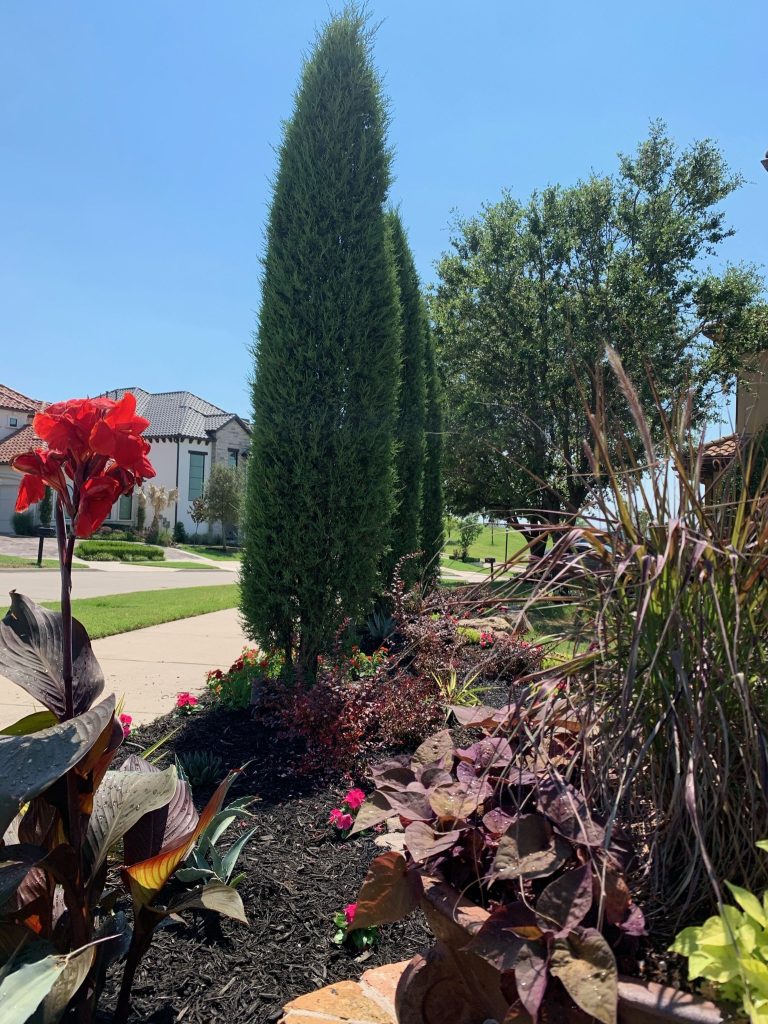
Landscape Trimming Near Me for Overgrown Bushes
If your shrubs look bigger every week and your front yard feels messy, trimming can quickly restore curb appeal. In Plano, TX, fast-growing landscaping and seasonal growth cycles often lead to bushes getting out of shape, blocking walkways, and hiding beds. This guide helps you plan the trim you need, avoid common damage, and choose the right approach for overgrown shrubs and hedges.
One week you notice a few branches hanging over the sidewalk. The next week, your hedge is swallowing the edge of the mulch bed, and the lower leaves look sparse and uneven. In Plano, TX, this often happens after periods of strong spring and summer growth, especially when trimming has been delayed.
If you search “landscape trimming near me” hoping for a quick fix, the biggest risk is choosing the wrong cutting approach. Cutting too much, trimming at the wrong time, or ignoring irrigation and drainage can turn a simple cleanup into a longer landscaping problem.
This guide walks you through what to check, how to decide between trimming versus removal, and what a homeowner-friendly plan looks like for overgrown bushes and hedges.
- Quick answer
- What to check first
- Main things customers should understand
- Why this matters in Plano, TX
- Common mistakes to avoid
- Customer checklist
- Frequently asked questions
Quick Answer
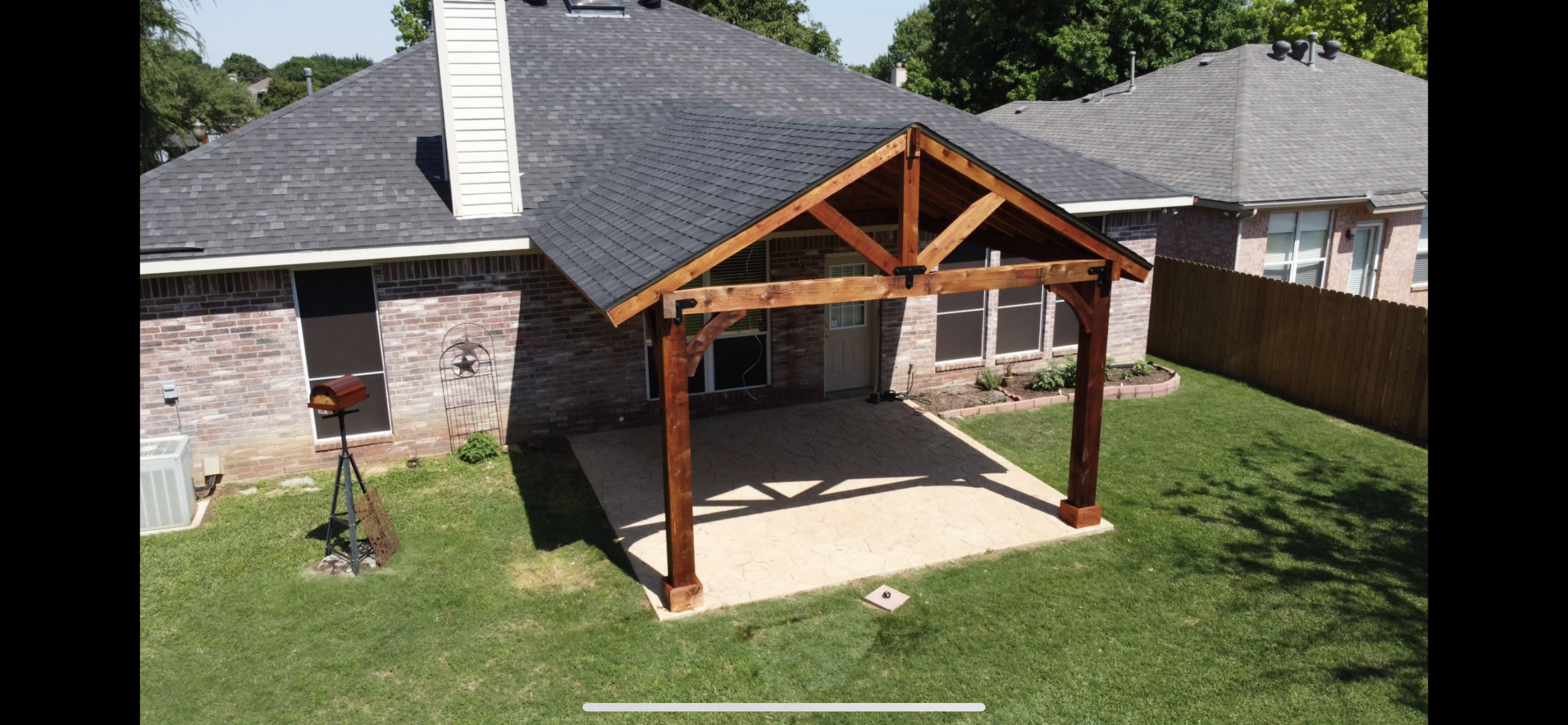
If your bushes are overgrown, start by identifying what you have (hedge vs. individual shrubs), measuring how far they’ve grown, and checking whether irrigation lines or walkways are being blocked. For most cases, a professional trim focuses on shaping and thinning, removing dead or crossing branches, and restoring clear lines to paths and beds. If the shrub is mostly dead, tangled, or repeatedly comes back too dense, landscape removal may be the better long-term option. For Plano, TX homes, schedule trimming around local growth cycles so you get a cleaner look without stressing the plants.
What to Check First
Before you schedule “trimming near me,” take a quick walk around the shrub line and check for three practical issues: access, plant condition, and site constraints. This helps you avoid cutting blindly and helps your landscaper target the exact problem, not just the visible mess.
1) Measure the problem
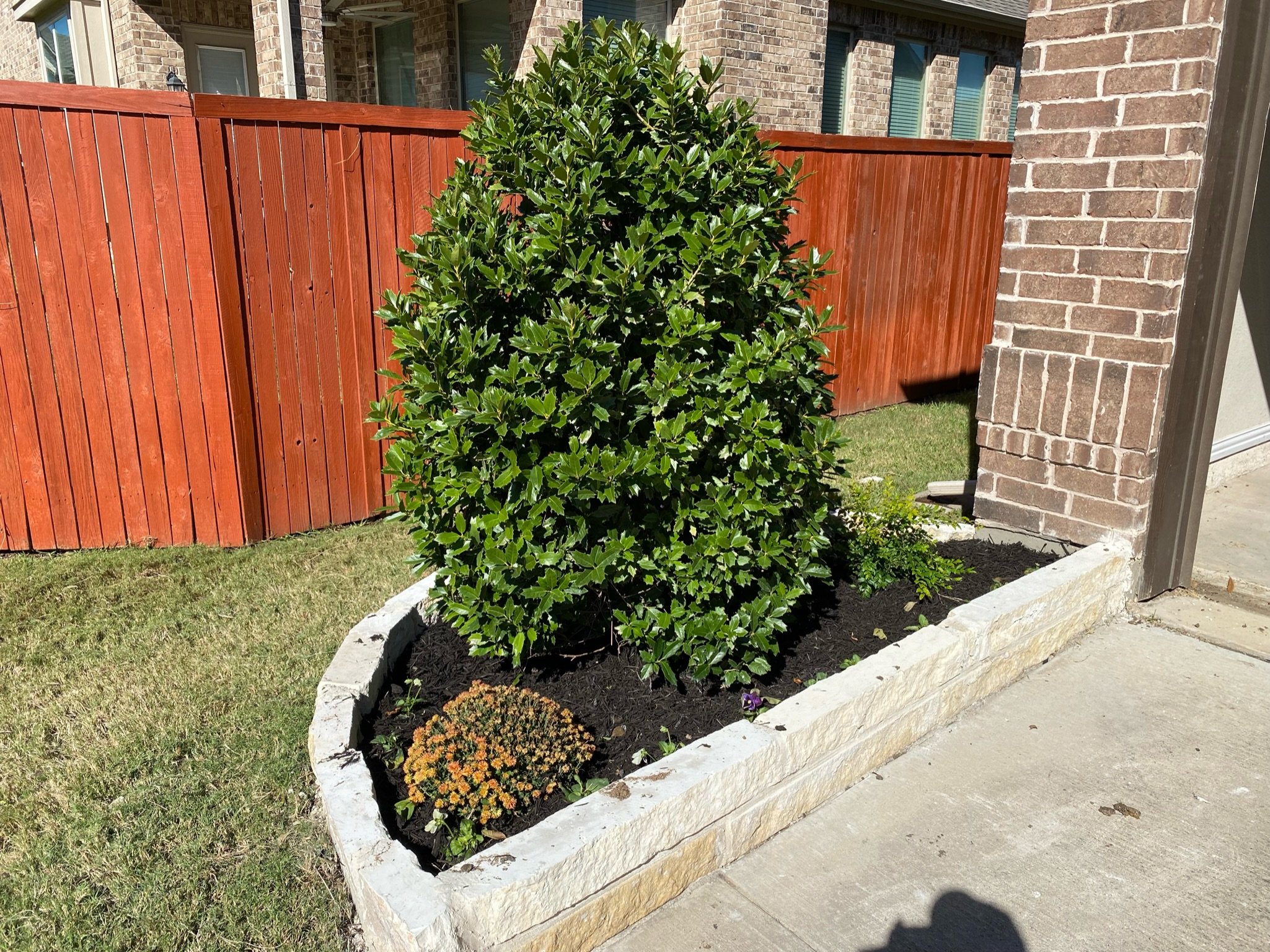
Note the height and width, and whether branches are reaching sidewalks, driveways, windows, or fence lines. Overgrown shrubs often need shaping plus thinning, not just “shorter.”
2) Look for dead and crossing growth
If you see dead tips, tangled stems, or branches rubbing each other, trimming should remove the problem wood first. Thinning improves airflow and helps the plant fill out more evenly.
3) Check for irrigation and drainage conflicts
Trim lines that hit sprinkler heads or drip emitters can create future issues. Also watch for soggy areas around the bed, since drainage matters for healthy landscaping.
Main Things Customers Should Understand
Overgrown bush trimming is not one-size-fits-all. The right approach depends on shrub type, density, how far it has grown past its intended edge, and how the plant reacts to hard cuts. A careful plan usually aims to restore shape while keeping enough healthy growth to regrow.
Professional observation: When shrubs are neglected, many people try to “reset” them by cutting back hard in one session. For many common landscape shrubs, that can leave bare sections longer than expected. A better strategy is often shaping plus selective thinning, with a second pass only if needed.
Trimming vs. removal: how to decide
Sometimes trimming can solve the issue quickly. Other times, the plant has become too dense, too sparse, or too overgrown to reshape neatly. If the shrub is repeatedly pushing into walkways or the bed is no longer the right size for its mature form, removal may be the cleanest path to a healthier, easier-to-maintain landscape.
| Situation you notice | More likely option | What that usually means for your yard |
|---|---|---|
| Hedge looks uneven, but there’s plenty of live growth | Landscape trimming and shaping | Selective thinning and shaping to restore straight lines and clear access to paths and beds. |
| Branches are tangled, rubbing, or blocking sprinkler coverage | Thinning-focused trimming | Removing crossing stems and dead wood first so the plant can breathe and fill in more evenly. |
| Plant is mostly dead, or it keeps regrowing in a messy mass | Landscape removal | Removing old landscaping so you can reset the bed and plan the next planting or installation. |
| Bushes are outgrowing the bed and pushing into hardscape | Trimming plus a long-term plan | Trimming now, then adjusting layout through landscape installation or landscape design if needed. |
How trimming supports other landscaping work
Once the bushes are shaped, it’s easier to maintain the rest of the property. Clean edges make mowing and lawn care maintenance simpler, and it’s easier to spot drainage issues or irrigation conflicts. If you’re also updating the yard, trimming can be scheduled before new beds, sod, or hardscapes so everything lines up properly.
For related services that often pair well with trimming, you can explore lawn care maintenance and landscape lighting installation to highlight your refreshed shrubs after cleanup.
Why This Matters in Plano, TX
In Plano, TX, landscaping growth can feel fast because seasons shift and yards often get multiple growth bursts during the warmer months. Bushes that were trimmed “good enough” last year can quickly become overgrown, especially along fence lines, entryways, and foundation plantings. Clear access matters too, since homeowners want walkways and driveways to stay usable without constantly trimming back branches.
Local tip: If your bushes sit near irrigation zones, trimming should be coordinated with sprinkler system installation timing. That way, sprinkler coverage and head placement stay consistent instead of being repeatedly adjusted after the plants fill in.
If you’re thinking about irrigation changes alongside trimming, review sprinkler installation and irrigation so your watering plan and your landscape maintenance plan match.
Common Mistakes to Avoid
Overgrown bushes can be frustrating, but a few common choices usually make the situation worse. The goal is to reduce stress on the plant and prevent a “cut, regret, and repeat” cycle.
- Cutting everything to the same height without thinning. This often creates a dense outer layer with less healthy interior growth.
- Trimming too aggressively in one session. Hard cuts can leave long gaps and uneven regrowth, especially on shrubs that need time to refill.
- Ignoring dead and crossing stems. If you skip dead wood and rubbing branches, the plant stays tangled and looks uneven again sooner.
- Forgetting the site details like walkways, windows, sprinkler heads, and drainage patterns. Trimming should restore clear lines, not create new conflicts.
- Not planning for what comes next. If you remove old landscaping, reinstalling thoughtfully through landscape installation or landscape design helps the new layout stay easier to maintain.
Customer Checklist
Use this quick checklist before you call for landscape trimming. It gives your provider the details needed to assess whether trimming is enough or if yard removal services are the better long-term direction.
- I know where the bushes are blocking access (sidewalk, driveway, entry path, or windows).
- I can describe how it got overgrown (missed trimming schedule, plant outgrew the bed, or new growth after watering changes).
- I checked for dead tips and tangled growth and can point out the worst areas.
- I noted any irrigation conflicts around sprinkler heads or drip areas.
- I’m open to a plan, not just “shorter.” I want shaping and thinning that looks natural and stays manageable.
- If needed, I’m ready to discuss landscape removal for old landscaping that can’t be reshaped cleanly.
Representative Scenario
A homeowner in Plano, TX noticed their front hedge was growing wider each season and started brushing the sidewalk. The lower leaves looked sparse, and the hedge had a dense shell with tangled stems inside. Instead of cutting everything down evenly, the plan focused on thinning the interior, removing crossing branches, and restoring straight lines along the bed edge. After trimming, the homeowner could clearly see the landscaping again, and routine lawn care maintenance became simpler because the hedge no longer overhung the mowing path.
Need help deciding between trimming and removal?
Tell us what’s overgrown and where it’s affecting your walkways or beds. Plano, TX homeowners use landscape removal when a reset is the cleanest option, and trimming when shaping is enough.
Call Plano Landscaping CompanyFrequently asked questions
How do I know if my bushes just need trimming or if they should be removed?
If the shrub has healthy growth and you can still see live stems throughout, trimming is often the right first step. If the plant is mostly dead, tangled in a way that cannot be reshaped neatly, or repeatedly overgrows the bed and blocks access, removal may be the practical option. A professional assessment usually looks at density, live growth, and how the shrub fits the intended space in your Plano, TX yard.
What’s the difference between shrub trimming and hedge trimming?
Shrub trimming focuses on shaping individual plants and encouraging a balanced, natural look. Hedge trimming usually emphasizes consistent lines, clearer edges, and thinning for airflow so the hedge doesn’t become overly dense on the outside. Both can include removing dead or crossing branches, but hedge trimming often requires more attention to straight growth patterns and the boundaries of your bed.
Will trimming make my bushes grow back uneven?
Trimming doesn’t have to cause uneven regrowth, but the approach matters. Cutting everything to one height without thinning can create a lumpy outer layer. Selective thinning and shaping typically produce a cleaner result. If a shrub has been neglected for a long time, you may need a measured plan rather than a hard reset in one visit.
Can overgrown bushes affect irrigation or drainage?
Yes. Bushes can grow into sprinkler coverage zones, forcing frequent adjustments or creating missed watering areas. Dense growth can also make it harder to spot soggy sections in the bed, which can point to drainage issues. Coordinating trimming with irrigation planning helps keep your landscape maintenance routine more consistent over time.
Do I need to remove old landscaping before trimming?
Not always. If shrubs are still healthy and can be shaped, trimming can be done without first removing the landscaping. However, if the beds are filled with debris, the plantings are too outdated, or the area needs a full reset, yard removal services may be the better start. In that case, a new landscape installation plan can help you avoid repeating the same overgrowth problem.
Ready for cleaner lines and healthier-looking shrubs?
Plano, TX homeowners turn to Plano Landscaping Company when bushes and hedges have gotten away from them. Get a practical plan for landscape trimming, or discuss landscape removal if a reset is the better move.
Schedule Trimming Help
About Plano Landscaping Company
Plano Landscaping Company provides landscaping services for homeowners and property managers in Plano, TX and throughout Collin County, TX, including landscape trimming, landscape removal, irrigation installation, lawn care maintenance, and outdoor improvements like patios, pathways, pergolas, and more. If your yard needs a cleaner look and a more maintainable setup, we help you choose the right next step.