
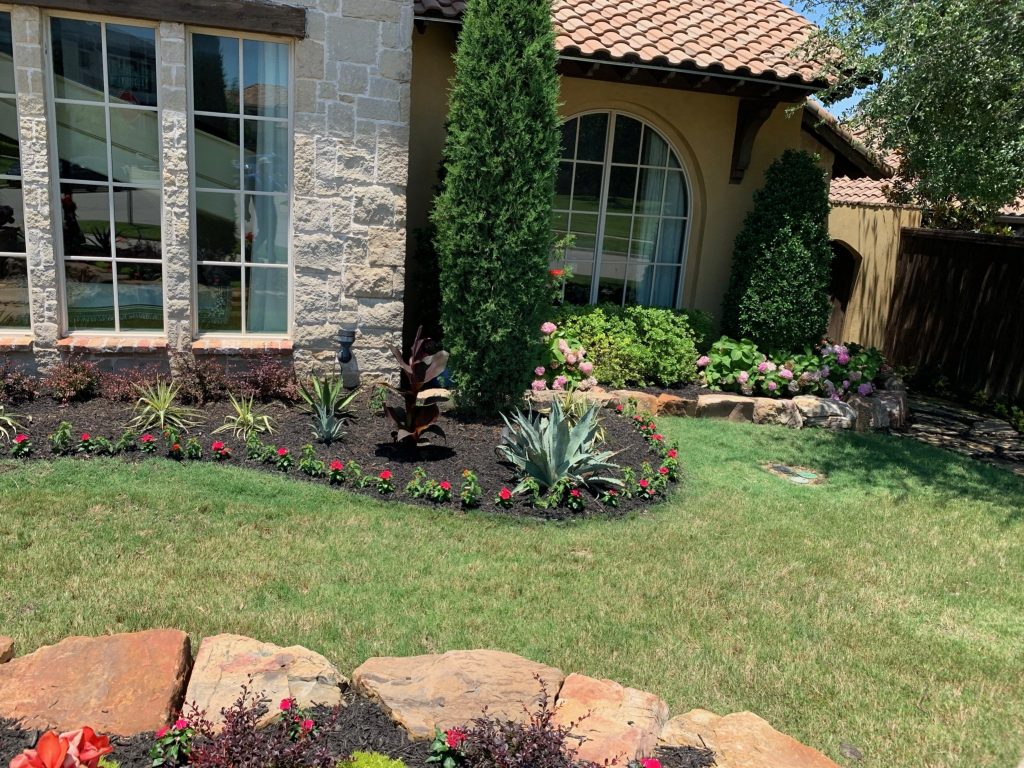
Landscape Installation After Dead Sod or Grading Problems
If your yard already has dead patches, uneven turf, or water pooling after grading, installing new landscaping is more than swapping sod. In Plano, TX, the prep steps you skip today show up as soft spots, gaps, and drainage complaints later.
Last summer you had new sod put down, and by the next heat wave it started to thin out in patches. Now you are staring at bare spots, uneven edges, and a yard that looks “level” until it rains.
Or maybe the issue started after a grading change: low areas hold water, runoff runs toward the foundation, and the soil surface feels bumpy underfoot. Either way, the question is the same in Plano, TX: should you install new sod and hope, or fix what caused it?
This guide explains how to evaluate dead sod and grading problems before you move forward with landscape installation, what to check first, and how to plan a repair-ready prep so your new lawn and hardscape look right for the long term.
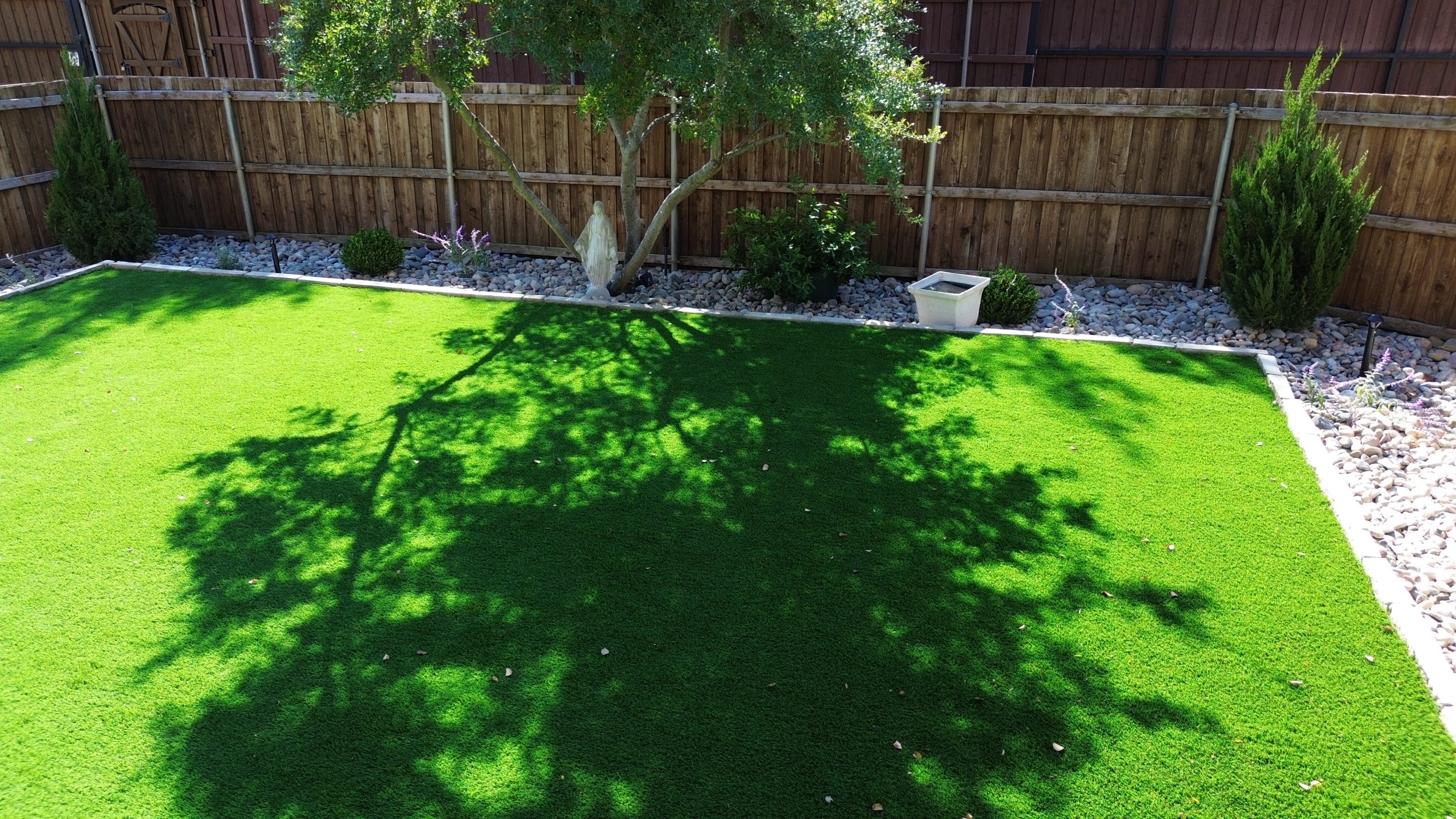
Quick Answer
If the sod is dead or the surface is uneven, installing new landscaping on top without fixing the cause usually leads to repeat failure. Start by identifying why it died: poor drainage, incorrect grading, compacted soil, irrigation issues, or old landscaping that was not removed. Then correct the grade and prep the base before installing sod or planting. In Plano, TX, a careful removal and re-leveling step often matters more than the type of grass you choose. For the most reliable outcome, ask a landscaping contractor to inspect drainage and irrigation before installation.
What to Check First
The fastest way to waste money is to treat symptoms. Before any landscape installation, walk your yard and look for patterns: dead zones that match sprinkler coverage, soft or sunken areas, and low spots where water gathers after rain. Those clues point directly to drainage solutions, irrigation installation, or grading corrections.
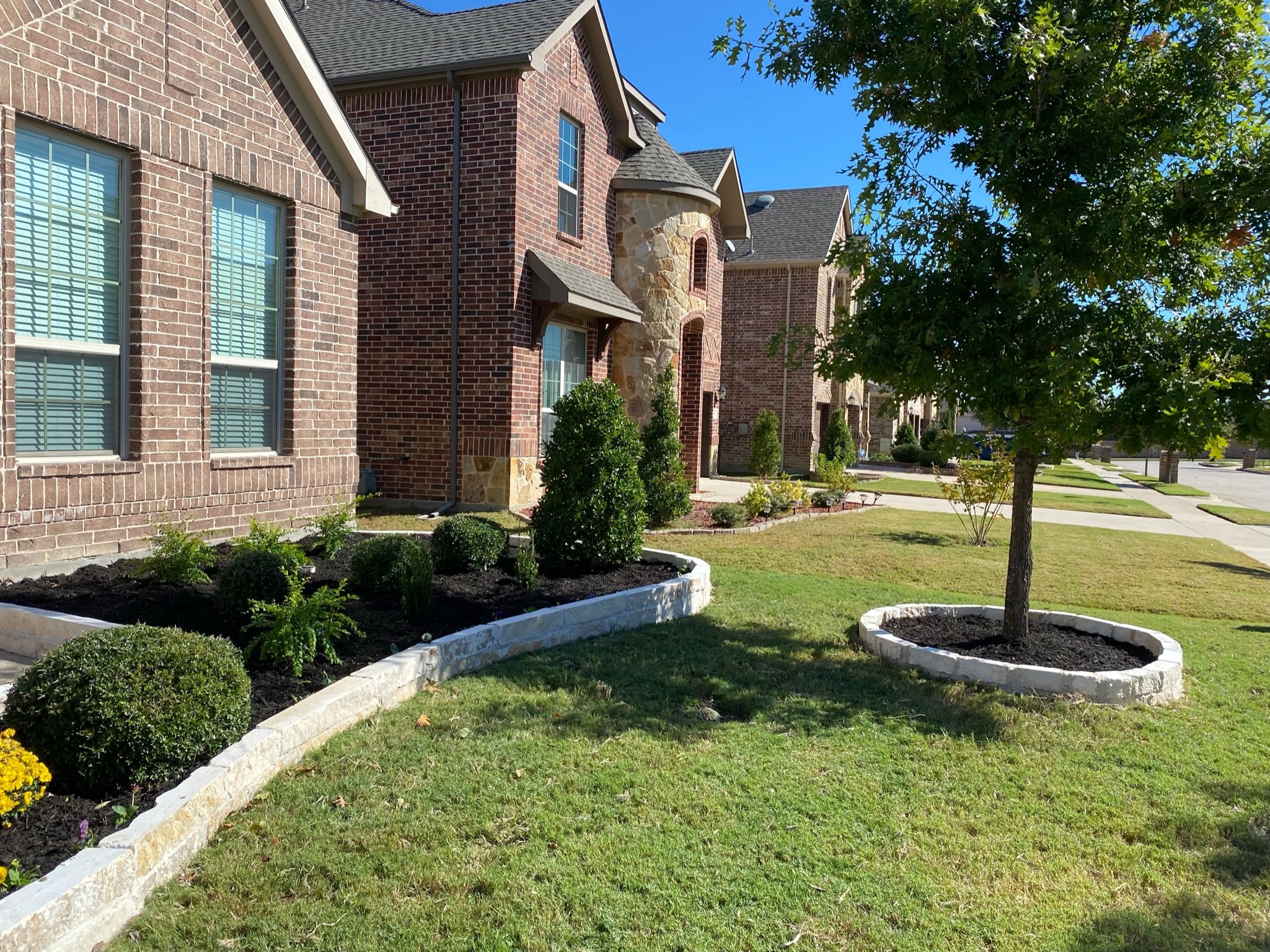
1) Check drainage behavior
After a storm, watch where water sits. If it ponds or lingers in the same spots, the grade or base may be off. That can also undermine neighboring areas over time.
2) Check irrigation coverage
Dead patches that line up with sprinkler heads can mean uneven water distribution. If you recently had irrigation work, verify sprinkler system installation before re-sodding.
3) Check the base under the sod
Lift a small corner (or inspect if it is already peeling). If the soil is compacted or the surface is inconsistent, new sod may not root evenly.
Professional observation: When we see dead sod return quickly in Plano, TX, it is often because the yard was re-covered without addressing drainage and base prep. Fix the grading and water movement first, then install.
Main Things Customers Should Understand
When you are planning landscape installation after dead sod or grading problems, the real decision is how much prep you need. A clean, level base gives sod and plantings the best chance to establish. That often includes removal, regrading, and sometimes adjustments around irrigation and drainage.
Key idea: New sod needs a stable, correctly pitched base. If the base stays uneven or drains poorly, the new lawn can fail even if the grass is installed correctly.
1) Removing old landscaping the right way
If your yard has lingering dead material, uneven edges, or leftover landscaping layers, new sod can end up sitting on debris or inconsistent height. For yards that require yard removal services or old landscaping removal, start with a proper landscape removal plan. You can review landscape removal options before you schedule installation.
2) Fixing grading so water moves where you want it
Grading problems usually show up as water pooling, runoff that travels the wrong direction, or visible bumps after installation. The goal is a consistent surface with appropriate slope so water does not collect in the same low areas. For customers dealing with surface corrections, it helps to coordinate grading with the areas you plan to sod, seed, or hardscape.
3) Coordinating irrigation installation with the new layout
In Plano, TX, sprinkler system installation details matter because sprinkler coverage can shift when grades change. If you are reworking turf areas, it is smart to align irrigation installation and turf installation to avoid dry zones and waterlogged zones. Explore sprinkler installation and irrigation to plan coverage before final grading.
4) Choosing the right installation sequence
A common “start over” path looks like this: removal of dead sod and debris, correction of grade and base, irrigation and drainage checks, then landscape installation. If you also plan hardscaping, sequence matters. For example, paver patio installation and pathway installation can affect how turf drains at edges. Consider planning hardscape and turf together, especially in areas with backyard patio installation plans.
| Yard condition you notice | Likely underlying issue | Prep focus before new installation |
|---|---|---|
| Dead sod in the same band or near sprinkler heads | Uneven irrigation coverage or irrigation lines affected by grading | Verify irrigation installation coverage and adjust before sod installation |
| Soft, sunken spots or dips where water collects | Incorrect grading or compacted/unstable base | Regrade and rebuild the base so the surface is stable and correctly pitched |
| Gaps along edges or turf shrinking away from borders | Height mismatch at transitions (hardscape, beds, or edging) | Confirm transition heights and plan edges so turf has consistent contact |
| New sod looks fine at first, then thins after rain and heat | Water movement problems plus base prep issues | Correct drainage solutions and prep the base before installing landscaping |
Why This Matters in Plano, TX
In Plano, TX, yards often face cycles of intense heat and heavy rain. If grading is off, water can pond in low areas and stress the new sod. If irrigation is misaligned, you can end up with dry patches in one zone and waterlogged soil in another. That is why landscape installation after dead sod usually needs a coordinated approach, not just fresh turf.
One firsthand-style scenario we see: a homeowner replaces dead sod, but the installer kept the existing base because it looked “mostly fine.” After the next storm, water collected along the same seam lines, and the new sod started lifting. The fix was not a different grass choice. It was correcting the surface pitch and addressing drainage movement so the yard stayed consistent after rainfall.
Where Plano homeowners usually benefit most
- Backyard areas where downspouts or runoff can concentrate near turf edges.
- Front yard landscaping where visible unevenness is easiest to spot, but drainage issues can be subtle.
- Properties with existing hardscapes that create transitions where turf can dry out or stay too wet.
Need help planning a re-install that lasts?
Talk with Plano Landscaping Company about what to address first in your Plano, TX yard, including drainage solutions, yard removal services, and landscape installation sequencing.
Call (214) 624-6011Common Mistakes to Avoid
Most repeating failures come from a small set of preventable steps. If you want your new sod or landscaping to establish well, avoid these common mistakes in Plano, TX.
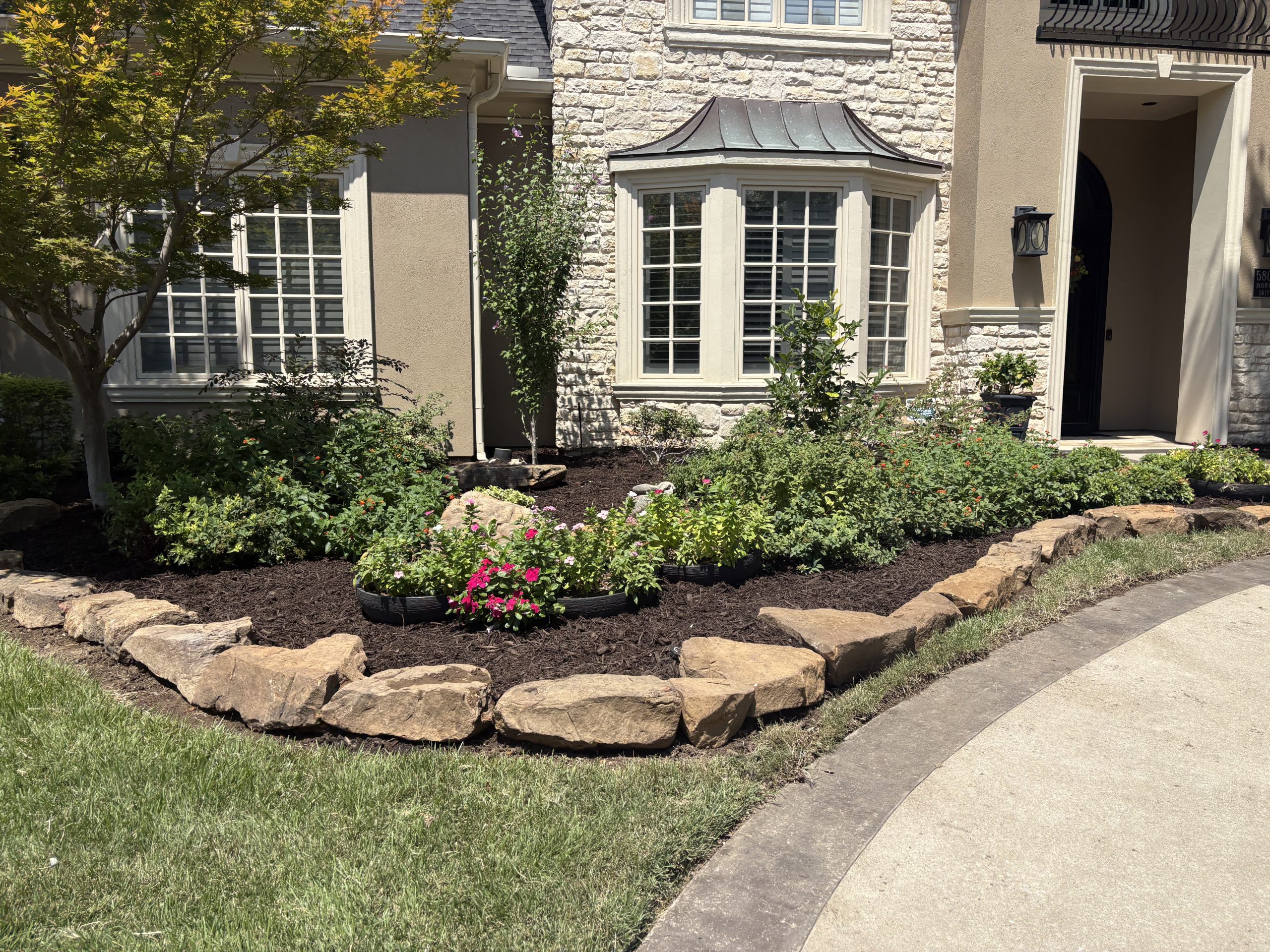
- Installing new sod over dead material without proper landscape removal and base cleanup.
- Re-sodding a yard that has pooling water because grading was never corrected.
- Ignoring irrigation coverage issues after grade changes, which can create dry zones and overwatering.
- Skipping transition planning at borders, beds, or hardscape edges, which can cause gaps and uneven contact.
- Choosing an installation date without considering how quickly the base will settle and how rain will affect the surface.
Customer Checklist
Use this checklist to prepare for a site visit or to get your questions answered before landscape installation begins. It is designed to help you confirm the prep steps that matter most for dead sod and grading problems.
- Identify where the dead patches and soft spots are located, and note whether they match sprinkler coverage.
- Observe water behavior after rain: where it ponds, where it runs, and how long it takes to clear.
- Confirm whether any yard removal services or old landscaping removal is needed before installation.
- Ask how the crew will correct grading so the surface pitch stays consistent.
- Verify that irrigation installation will be checked or adjusted after any grade changes.
- Discuss whether you are also planning related projects like sod installation, pathway installation, or paver patio installation so transitions drain correctly.
Representative Scenario: “Fixing the Grade Before New Turf”
A homeowner in Plano, TX noticed their yard had thin grass and a low area near the edge of the lawn. After a heavy rain, water lingered there, and the surface felt slightly spongy. Instead of laying new sod on top, they scheduled a removal and grading-focused plan. The team corrected the surface pitch, confirmed irrigation alignment for the updated grade, and then completed landscape installation when the base was ready. The result was a smoother surface that looked even and drained more predictably after subsequent rain.
Frequently asked questions
Should I replace dead sod right away, or test for the cause first?
Testing for the cause usually saves money. Dead sod often points to drainage issues, compacted or unstable base, or irrigation coverage problems. If you re-install before correcting grading or water movement, the new turf can fail in the same spots. Start by looking for patterns and checking how water behaves after rain, then plan removal and prep around what you find.
How do grading problems show up after landscape installation?
Grading issues usually show up as pooling water, runoff that travels the wrong direction, and uneven surfaces that feel different underfoot. You may also see turf edges lift or shrink away if transition heights are inconsistent. Correcting grade is not just about making the lawn look level, it is about creating a base that drains properly and stays stable as it settles.
Can irrigation issues cause sod to die even if the grass type is good?
Yes. If sprinkler system installation is misaligned or coverage is uneven, some areas can stay too dry while others stay too wet. That stress can appear as dead patches that match sprinkler patterns. When grading changes, irrigation coverage can shift too, so it is smart to coordinate irrigation installation with your new surface plan.
What projects should be planned together with turf installation?
If you are adding hardscaping or changing layout, coordinate it with turf installation. For example, paver patio installation, pathway installation, and other outdoor living spaces can create transitions that affect how water moves at the edges of the lawn. Planning the sequence helps prevent gaps, uneven settling, and drainage issues at borders.
Where can I learn more about related services for re-install prep?
You can review service pages that match your situation, such as landscape installation for overall project planning, sod installation for turf-specific workflows, and lawn care and maintenance for post-install care.
Ready to get your Plano yard back on track?
If you are dealing with dead sod or grading problems, Plano Landscaping Company can help you plan the prep steps that make landscape installation work. Start with a conversation about what you are seeing and what needs fixing first.
Schedule Landscape Installation
About Plano Landscaping Company
Plano Landscaping Company provides professional landscaping services in Plano, TX and across Collin County, TX. Their team helps homeowners plan and complete landscape installation, sod installation, landscape removal, and related outdoor improvements like irrigation installation, paver patio installation, pathway installation, pergola installation, and landscape lighting installation.