
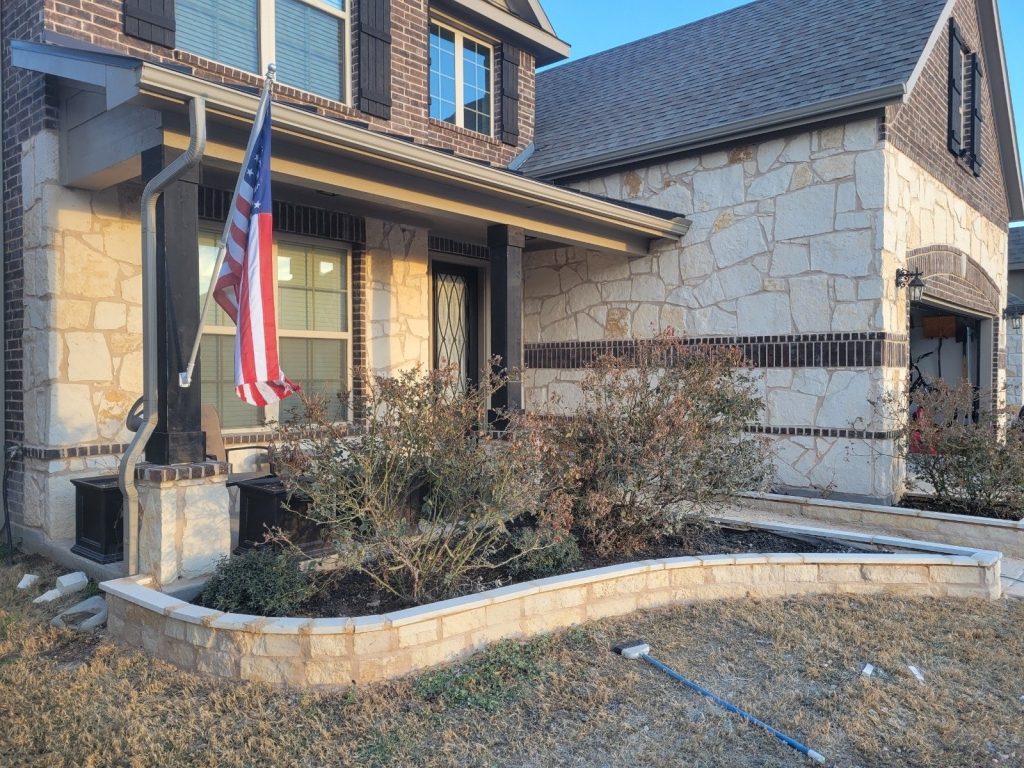
Landscape Removal Near Me: Clear Overgrown Yard Fast
If your Plano, TX yard has gone from “a little messy” to thick weeds, tangled shrubs, and old landscaping that feels impossible to manage, you are not alone. This guide helps you figure out what to remove first, what to protect, and how to plan the next step so your outdoor space looks clean again.
You booked a weekend to “get it under control,” but the weeds keep spreading and the shrubs have grown into pathways. Now you are worried the yard will stay that way until you find help, or even worse, that you will start pulling things the wrong way and damage irrigation or landscape features.
Landscape removal is more than cutting back. In many Plano properties, the biggest wins come from doing a proper first pass: removing overgrowth, clearing debris, and preparing the ground for what you want next.
- Quick answer
- What to check first
- Main things customers should understand
- Why this matters in Plano, TX
- Common mistakes to avoid
- Customer checklist
- Frequently asked questions
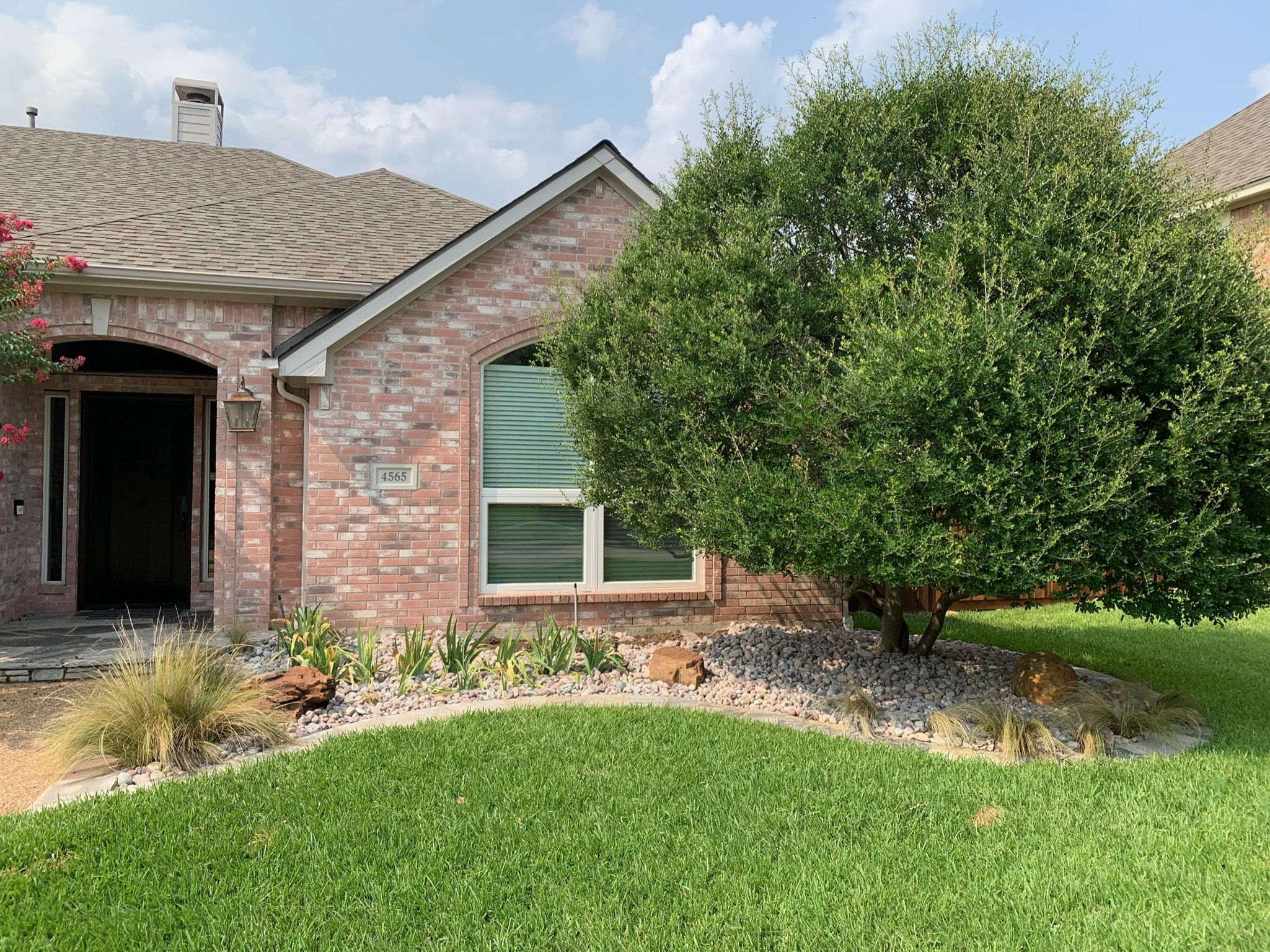
Quick Answer
If you need landscape removal near you in Plano, TX, start by identifying what is actually overgrown versus what is worth saving, like irrigation components, edging, and drainage paths. Clear the yard in stages: cut back vegetation, remove shrubs and old landscaping, then address debris and ground prep. For a faster result and fewer surprises, hire a landscaping team that can handle landscape removal and coordinate with installation work right after. This approach helps your yard look clean quickly and sets you up for the next project.
What to Check First
Before anyone starts trimming, make a quick walk of your property and note what is blocking access, what is growing into walkways, and what looks like it may be connected to other systems. In Plano, many homes have older beds, mature shrubs, and irrigation lines that can be easy to disturb if the removal plan is rushed.
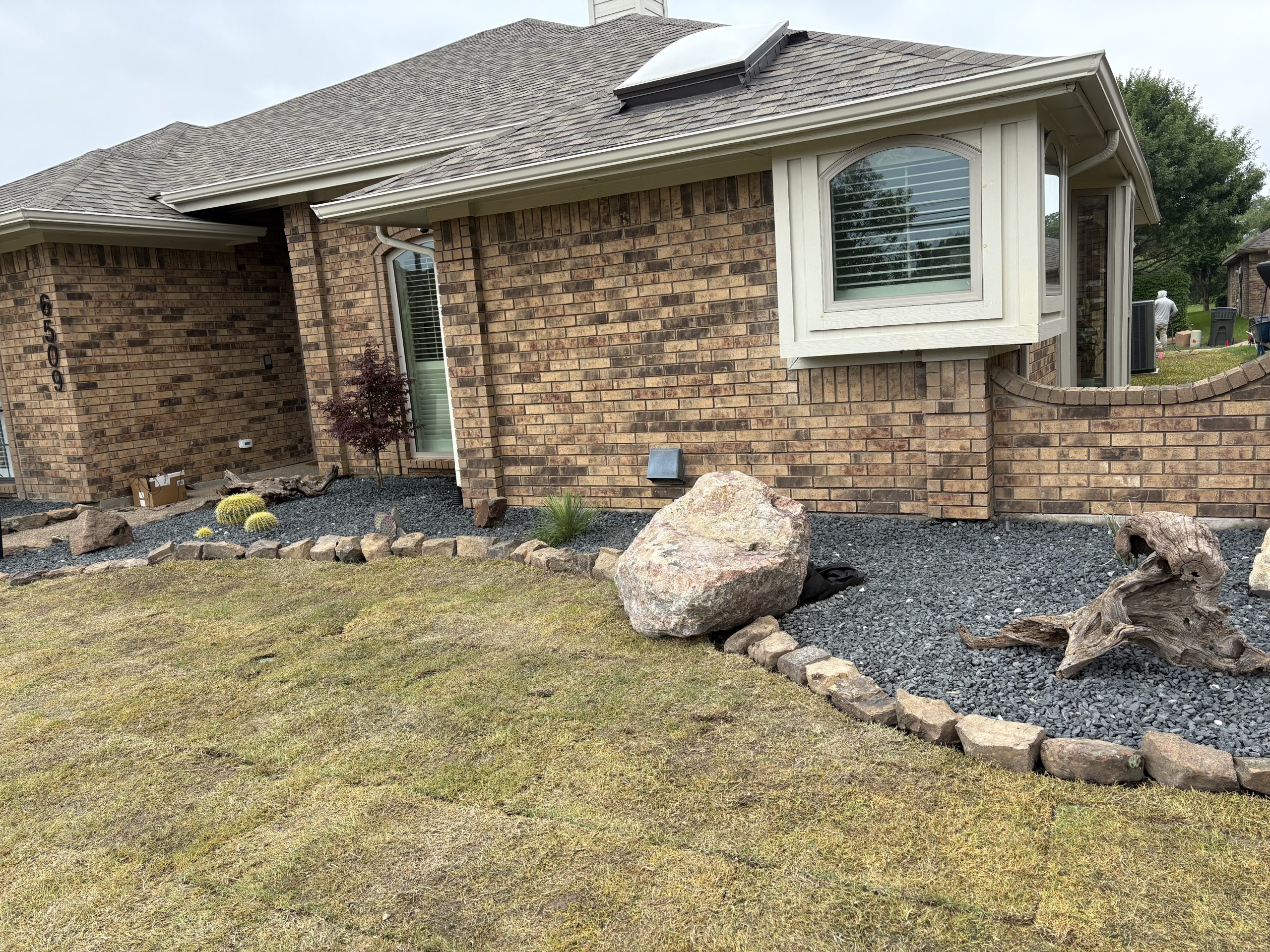
1) Locate utilities and irrigation
Look for sprinkler heads, valve boxes, and wiring conduits. If you suspect the yard is still watered automatically, removal should be coordinated to avoid breakage.
2) Decide what stays
Some plants are worth keeping and reshaping. Others should go. Separate “trim-able” growth from “remove and replace” beds so you do not overwork the wrong areas.
3) Measure the debris load
Overgrown yards generate mixed waste: branches, leaves, old edging, and sometimes turf. Plan for proper hauling so the cleanup is actually finished.
Professional observation: When yards get neglected, the hardest part is not only cutting growth. It is clearing the “in-between” items like old edging, tangled roots, and debris that hides under plants, mulch, and turf.
Main Things Customers Should Understand
Landscape removal can be straightforward for small beds, but it becomes a real project when multiple zones overlap, like front yard shrubs, side-yard growth, and back patio beds. Think about removal as preparation for what you want next, whether that is a cleaner lawn, fresh landscaping, or new hardscape.
Here are the most common factors that affect speed and results in Plano properties:
Removal zones matter: Split the yard into sections (front entry, side yard, backyard beds) so each area is fully cleared before moving on. That reduces rework and makes it easier to see what you have after cleanup.
- Vegetation type: Shrubs, hedge-like growth, and dense weeds behave differently. Some areas need trimming and shaping; others need full removal.
- Old landscaping materials: Beds may include outdated edging and compacted debris. Clearing those layers helps new landscape installation look intentional.
- Ground condition: After removal, the soil surface may need leveling or fresh material before you install sod, seed, or new beds.
- Next-step compatibility: If you plan landscape installation soon, removing the right things now prevents uneven grading and hidden obstructions later.
If your goal is a cleaner, easier-to-maintain yard, you may also be deciding between turf options. For example, some homeowners choose sod installation after removal, while others explore synthetic turf. Either way, starting with proper yard clearing is what makes the finish look neat.
Why This Matters in Plano, TX
In Plano, TX and across Collin County, the yard can swing quickly between “manageable” and “out of control” as growth accelerates. Many properties also sit close to driveways, sidewalks, and entry paths, so removal needs to restore access while keeping the rest of your landscaping intact. A careful removal plan helps protect irrigation and drainage-related areas, especially when you are preparing for a fresh look.
| What you have now | What removal should focus on | What to plan next |
|---|---|---|
| Overgrown shrub beds near entryways | Clear tangled growth and remove old bed layers that block edging lines | Consider reset landscaping with landscape design or new installation |
| Weeds and degraded lawn patches | Remove unwanted turf and debris so the surface is ready for new grass | Plan for lawn care maintenance after removal |
| Backyard areas with old landscaping | Clear growth so hardscape and pathways can sit correctly | Coordinate with pathway or patio work such as paver patio installation |
Need old landscaping removed so your yard looks clean again?
Plano homeowners often want the fastest path to a yard that looks cared for. If you are ready to clear overgrowth and plan what comes next, contact Plano Landscaping Company.
Request Landscape RemovalCommon Mistakes to Avoid
When people search for landscape removal near me, they often focus on speed. The problem is that quick starts can create bigger cleanup later. These are the most common mistakes we see around Plano, TX properties.
- Removing everything without a plan: If you pull plants that were meant to stay, you may end up with uneven beds and more work than necessary.
- Ignoring irrigation and sprinkler components: Cutting back overgrowth without checking for sprinkler heads and lines can lead to repairs right after cleanup. That slows your timeline.
- Leaving debris in beds: Old roots, clippings, and compacted layers can interfere with new mulch lines, sod, and edging. A “looks clean” yard can still cause installation problems.
- Skipping ground prep: If you plan new landscaping installation, the surface needs to be ready. Otherwise, your new materials may shift or sit uneven.
- Not thinking about the next project: If you are planning irrigation installation, drainage solutions, or outdoor living improvements, it is smarter to coordinate the removal so the follow-up work fits.
Customer Checklist
Use this checklist before you schedule removal in Plano, TX. It helps you communicate clearly and ensures the cleanup is complete, not just “trimmed.”
- Identify sprinkler heads, valve boxes, and any visible irrigation lines.
- Walk the property and mark problem zones (front beds, side yard growth, backyard areas).
- Decide what you want removed versus what you want to keep for trimming or reshaping.
- Check for debris stuck under plants or mulch, not just on top.
- Confirm how you want the area prepped for your next step (lawn care maintenance, new landscaping, or turf installation).
- Plan for follow-up work if you want irrigation installation or new hardscape after removal.
Representative Scenario
A Plano homeowner had a front yard that looked “fine” last season, then weeds and overgrown shrubs took over the bed edges. They wanted yard removal services without turning the property into a multi-week mess. The plan started with clearing the most obstructive growth around the entry path, then removing old landscaping debris so the bed lines were visible again. After the cleanup, the homeowner was able to decide on the next step with a clean, prepared surface rather than guessing what was underneath the overgrowth.
Frequently asked questions
Here are practical answers to common questions about landscape removal in Plano, TX.
How do I know if I need full landscape removal or just trimming?
If growth has filled in bed lines, blocked pathways, or tangled into areas where you want a clean layout, full removal is usually the better reset. Trimming is often enough when the plant structure is still healthy and you mainly want shape and control. A quick walkthrough helps match the right approach to the zone so the yard looks better right away.
Will landscape removal affect my irrigation or sprinkler system?
It can, if removal work is done without checking for sprinkler heads, valve boxes, and visible lines. The safest approach is to coordinate removal so the team knows what is part of your irrigation system. If you are also planning sprinkler system installation or irrigation work afterward, planning the removal and next steps together helps prevent rework.
What should I do with old mulch, weeds, and debris after removal?
Debris should be cleared from the beds, not just piled in place. Hidden clippings and compacted layers can create uneven surfaces and interfere with new mulch lines, turf, or landscaping installation. Ask for cleanup that fully resets the area so you can move forward with your lawn care maintenance or new landscape plan.
Can I schedule landscape removal and lawn care maintenance together?
Yes. Many homeowners in Plano prefer to handle yard removal first, then follow with lawn care maintenance so the surface is ready for the next phase. Coordinating the timeline helps the yard transition from overgrown to neat without long gaps that allow weeds to return.
What is the best way to prepare for removal day?
Before the crew arrives, walk the property and point out key concerns like entry access, irrigation components, and areas with heavy debris. If you know which zones you want cleared first, share that. Having a simple plan helps the work stay organized and reduces the chance of missed spots.
Clear the overgrowth. Get your Plano yard back under control.
If you are searching for landscape removal near me, start with a reset that prepares your yard for what comes next. Plano Landscaping Company can help you plan the cleanup and move forward with confidence.
Call (214) 624-6011
About Plano Landscaping Company
Plano Landscaping Company provides professional landscaping services for homeowners and property owners in Plano, TX and throughout Collin County, TX. From landscape removal to new landscape installation and related outdoor improvements, the goal is a clean, well-prepared yard that sets you up for long-term curb appeal and easier maintenance.