
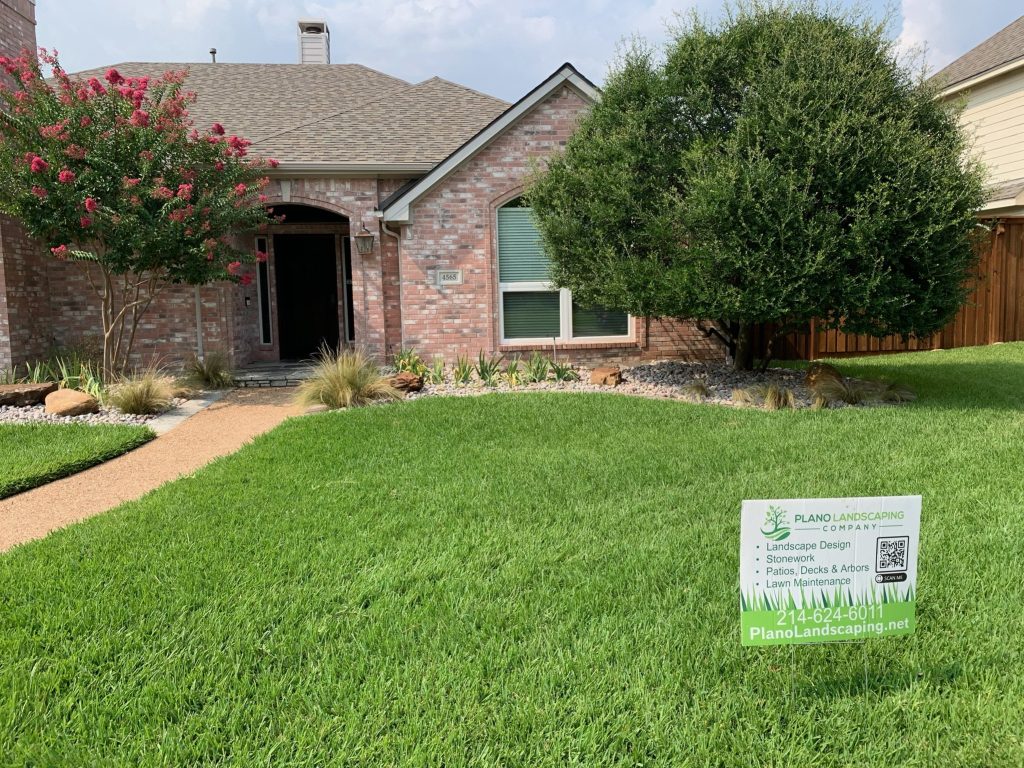
Emergency Sod Installation Near Me for Patchy Lawns
If you have bare spots showing up in your Plano, TX yard, you need more than a quick fix. This guide explains what to check first, how patchy areas can be different from new lawn installs, and how to plan the right sod repair so it blends with the rest of your lawn.
A delivery truck tore up a section of your lawn, or a sprinkler line failed and left a muddy, uneven patch. By the time you notice the damage around your driveway or backyard, the surrounding grass looks thin, dry, or worn down.
In Plano, TX, that kind of lawn damage can turn into patchy, uneven coverage fast because homeowners are dealing with heat swings, irrigation issues, and foot traffic right when the grass needs steady conditions. This guide helps you understand what “emergency” sod installation should include, what to inspect before the crew arrives, and what common mistakes cause patchy results.
- Quick answer
- What to check first
- Main things customers should understand
- Local insight
- Common mistakes to avoid
- Customer checklist
- Frequently asked questions
Quick Answer
For patchy lawns, “emergency” sod installation should start with diagnosing why the area failed, not just laying grass. In Plano, TX, the most common causes are irrigation coverage problems, soil disruption from removal or repairs, and uneven grading that leaves low spots. Before installation, confirm the irrigation line and sprinkler coverage are working correctly, then make sure the base is leveled and firm. After sod goes down, keep watering consistent and avoid traffic until the roots establish. If you need help, contact Plano Landscaping Company for sod installation services or call (214) 624-6011.
What to Check First
Before you request sod installation for patchy spots, take a quick walk around the affected area and look for clues. Are the bare patches clustered around sprinkler heads, or do they appear where equipment or vehicles drove over the lawn? Noticing the pattern helps match the repair to the cause, which is what keeps the sod from failing again.
1) Check irrigation coverage
Low or dry zones often show up where sprinkler heads miss or where water pressure drops. If the patch is near a sprinkler, verify the head is aligned and watering evenly.
2) Check grade and drainage
If the area stays soggy or forms puddles, sod won’t root evenly. Uneven grading can create a “bathtub” that delays recovery.
3) Check what happened to the soil
If landscaping removal, old turf, or repairs were done, the base may be loose or uneven. Sod repair works best when the subgrade is prepared and compacted.
Main Things Customers Should Understand
Patchy lawn repairs are different from full lawn installation. With emergency sod installation near me, the goal is to blend the repaired area into existing turf, which requires careful edge prep, matching the soil height, and addressing the underlying cause. A good crew will treat the patch like a “repair area” rather than a standalone project.
Professional observation: The patch usually fails because the conditions underneath are still wrong, even if the sod looks good on day one.
How emergency sod repair typically gets planned
When sod installation is used for a damaged or patchy lawn, the process is usually centered on base prep, edge clean-up, and watering coverage. If irrigation is involved, it may connect to broader irrigation installation and sprinkler system installation so the new turf gets consistent moisture.
What “blending” looks like in real yards
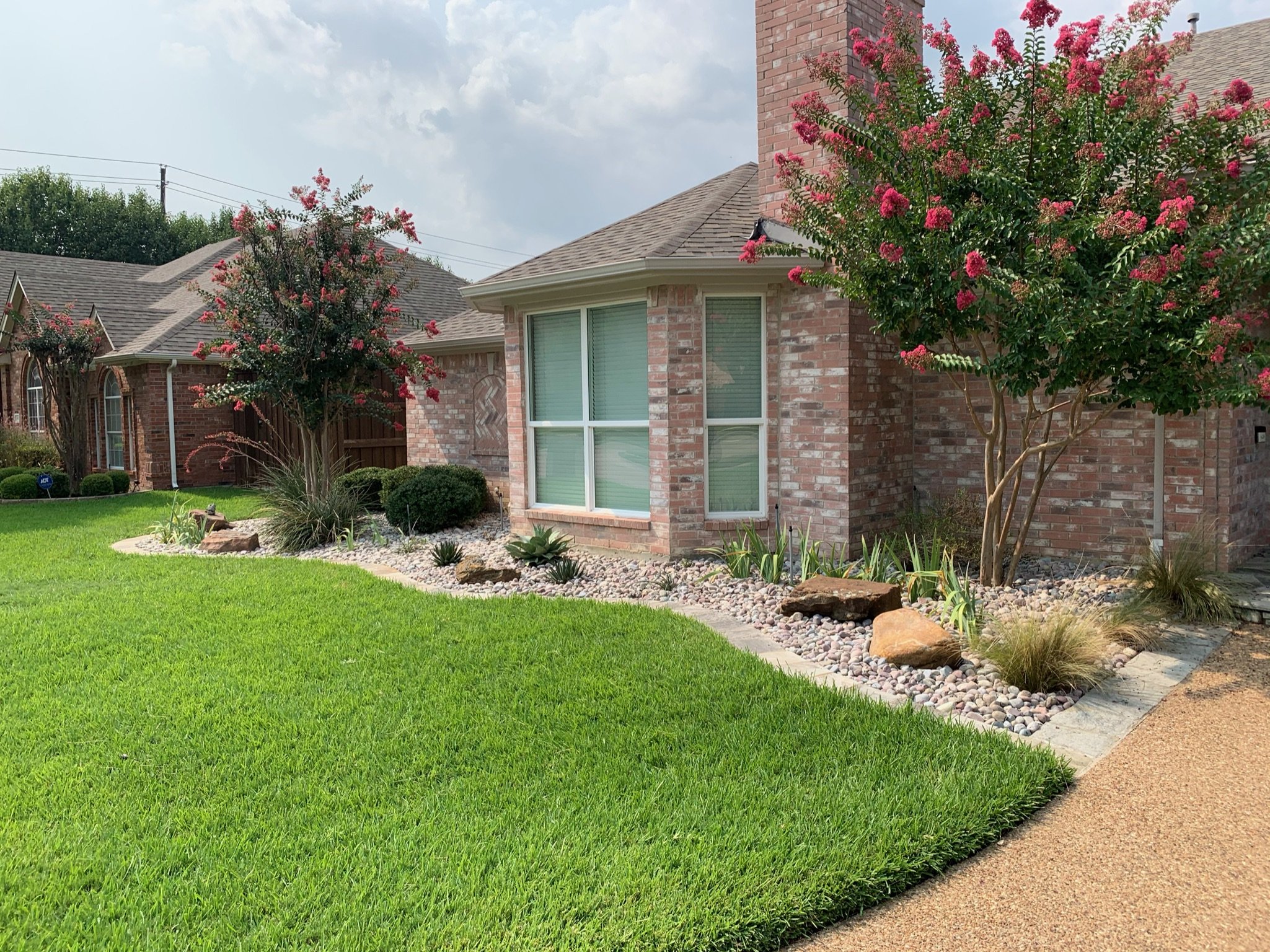
In Plano, TX, lawns often have visible transitions where soil was disturbed near patios, pathways, or driveway edges. Blending is about making the sod seams disappear by matching soil level and smoothing the transition so mowing and watering don’t stress the repair line.
When lawn repair is tied to other landscaping work
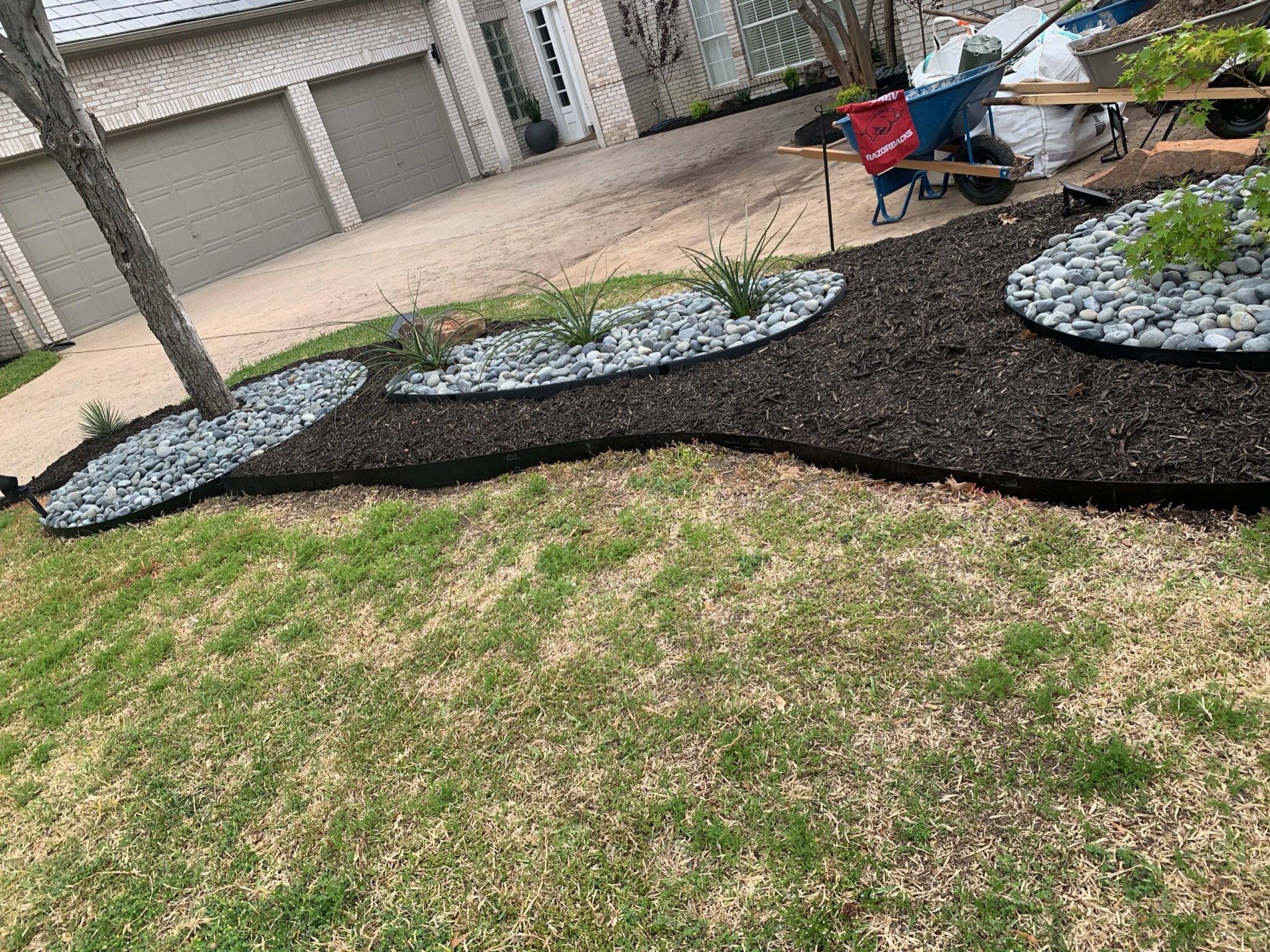
If the damaged area came from old landscaping removal, the base may need cleanup and re-prep. For projects that start with removal, homeowners often benefit from pairing sod repair with landscape removal so the subgrade is ready for new turf.
Practical recommendation: Before the sod goes down, ask the crew to confirm the affected area is level, firm, and receiving the right irrigation coverage. That one step prevents most “patchy again” call-backs.
Why This Matters in Plano, TX
Plano lawns can be especially sensitive to irrigation changes and soil disturbance because homeowners commonly rely on sprinkler systems and established watering patterns. When a patch develops near sprinkler heads, or after yard drainage issues or repairs, the new turf needs consistent moisture and stable grade to root in evenly. Addressing irrigation and base prep in Plano, TX helps the repair area stay uniform instead of turning into multiple smaller bare spots.
Need help with patchy sod repairs in Plano?
Get local guidance for emergency sod installation and related lawn prep. Call (214) 624-6011 or reach out through our sod installation page.
Contact Plano Landscaping CompanyCommon Mistakes to Avoid
Most patchy lawn problems are avoidable. The repair may look correct at first, but it won’t hold up if the base is wrong, watering is inconsistent, or the repair area is rushed. Here are the most common issues we see homeowners run into when they need emergency sod installation for patchy lawns.
| Situation you’re seeing | Common mistake | Better approach |
|---|---|---|
| Dry patch near a sprinkler head | Laying sod without confirming coverage or alignment | Verify irrigation coverage and address sprinkler system installation needs before or during sod repair |
| Soggy area or puddling | Installing sod over soft or uneven base | Level and firm the subgrade so water doesn’t pool and stress the repair seam |
| Uneven height at the patch edges | Leaving the disturbed soil higher or lower than surrounding turf | Match soil height at the seam so mowing and watering don’t create a stress line |
| Foot traffic too soon | Walking, mowing, or letting pets use the area immediately after install | Keep traffic off the repair until the sod establishes for a more consistent blend |
Customer Checklist
Use this quick checklist when you’re preparing for emergency sod installation. It helps you communicate clearly with your landscaper and gives you the right details to support good results.
- Identify where the patch is (near sprinklers, driveway, pathway, or patio edges).
- Check whether the area stays wet or dries out faster than the rest of the lawn.
- Note any recent work done in the yard, like landscape removal or irrigation repairs.
- Confirm the sprinkler heads in the area turn on and water evenly.
- Clear the repair area of loose debris and avoid mowing right before install.
- Plan to limit foot traffic on the sod after installation until it establishes.
Representative scenario
A homeowner in Plano, TX noticed a thin, patchy strip along the edge of a backyard pathway after a repair to an underground line. The sod looked uneven and started to break apart at the seam. Instead of re-sodding the same section repeatedly, the next step was confirming irrigation coverage and preparing a firm, level base so the new sod could root evenly. With the repair area prepped correctly and watered consistently, the lawn blended better with the surrounding turf over time.
Frequently asked questions
Here are common questions homeowners ask when they’re searching for emergency sod installation near me for patchy lawns in Plano, TX.
How quickly can sod be installed for a damaged patch in Plano?
Emergency sod installation focuses on getting the repair area stabilized quickly, but the timing depends on what caused the damage and whether the base needs prep. If the issue involves irrigation coverage or subgrade leveling, the crew may need to address those factors first so the new sod can root evenly. When you call (214) 624-6011, share where the patch is located and what changed recently so the plan can be built around your yard.
Why does my lawn look patchy even after I water?
Patchiness usually comes from something underneath the turf, like uneven grade, irrigation coverage gaps, or soil disturbance from yard work. Even if you water regularly, a sprinkler head that misses a corner or an area that drains poorly can create inconsistent moisture. That’s why the best approach pairs sod repair with confirming irrigation and preparing a firm, level base so the repair seam does not keep failing.
Should I fix irrigation issues before sod installation?
Yes, if the patch is connected to sprinklers or uneven watering, it’s worth addressing irrigation before (or as part of) the sod repair. Consistent moisture is the foundation for healthy sod establishment. If the sprinkler system isn’t delivering water evenly, the repair area can stay dry or get overwatered. You can review related services through sprinkler installation and irrigation when planning your repair.
Can emergency sod repair be blended with the existing lawn?
Blending is usually achievable when the sod seams are prepped correctly. That means matching soil height at the edges, cleaning up the disturbed border, and ensuring the repair area is level and firm. When the base is right and watering coverage is correct, the repaired section is less likely to show a raised or low line after mowing. For removal-related damage, pairing repair with landscape removal can also help the base be properly prepared.
What should I avoid right after sod is installed?
To protect the repair, avoid heavy foot traffic and avoid mowing too soon. If the sod is disturbed before it roots in, it can separate at the seam and look patchy again. Keep pets off the area and follow the watering plan provided by your installer. If you notice that parts of the repair area are drying unevenly, stop and confirm sprinkler coverage before trying to “overcompensate” with extra watering.
Get patchy lawn repair help from a local landscaping company
If your Plano, TX lawn has bare spots that keep coming back, the fastest path is usually diagnosing the cause and preparing the base correctly before installing sod. Call (214) 624-6011 to talk through your patch and repair goals.
Contact Plano Landscaping Company
About Plano Landscaping Company
Plano Landscaping Company provides landscaping services for homeowners and property owners in Plano, TX and throughout Collin County. Their team focuses on practical, job-ready solutions like lawn care and maintenance and sod installation services, helping yards recover from damage and stay looking consistent.