
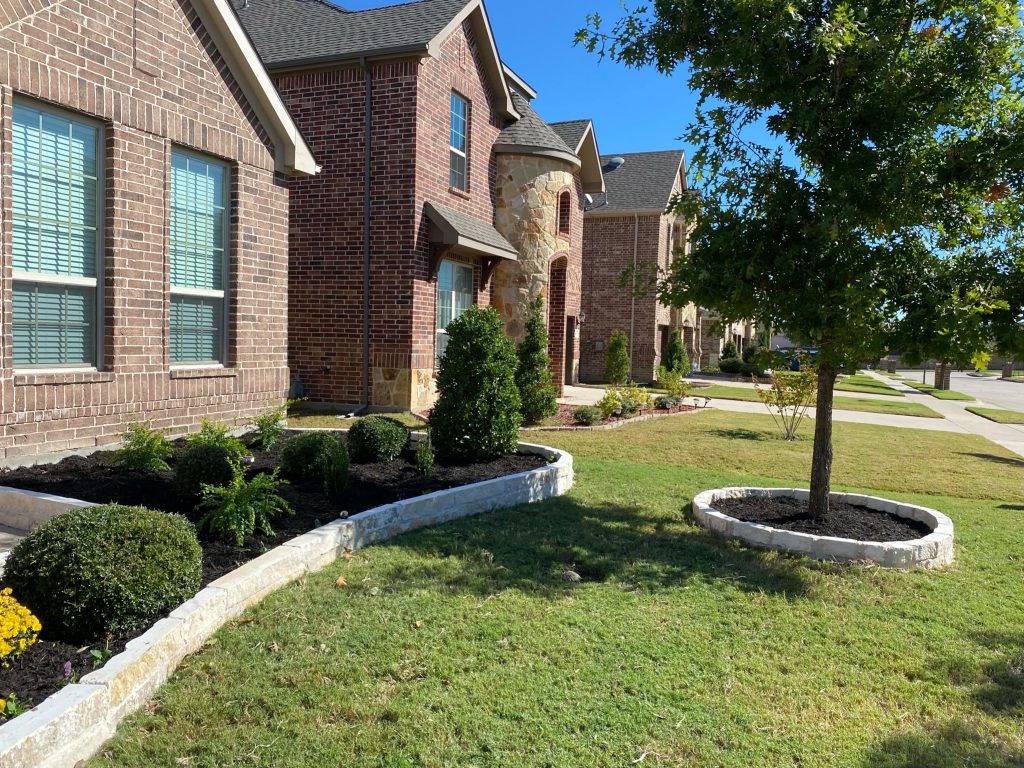
Softer Curb Appeal: Landscape Trimming That Delights
If your shrubs look a little overgrown or uneven along your front walk in Plano, TX, you are not alone. Trimming is one of the fastest ways to refresh your property, but it is also where many homeowners accidentally “shape” the wrong way.
Maybe you have noticed hedges getting tall near the driveway, or your foundation shrubs are creeping into walkways and making the whole entry look “busy.” Or perhaps you tried trimming yourself and ended up with bare spots, lopsided growth, or branches that still do not sit right in the landscape.
This guide helps you understand what to check first, what trimming should accomplish, and how to keep your yard looking clean without stressing plants. You will also see common mistakes, a practical checklist, and when it makes sense to bring in experienced help from Plano Landscaping Company.
Quick Answer
Landscape trimming should do three things: clean up overgrowth, restore the shape you want to see from the street, and keep plants healthy for future growth. Start by checking plant types (hedges, foundation shrubs, ornamental growth), looking for dead or crossing branches, and measuring how far growth has encroached into walkways or beds. For Plano, TX properties, trimming timing and frequency matter because spring growth can get fast. If you want a polished look without trial-and-error, request a trimming plan that matches your yard’s plants and your preferred curb lines.
What to Check First
Before you pick up shears, take a few minutes to “read” your landscape. Trimming looks best when it respects natural growth patterns and the way your home is viewed from the driveway, sidewalk, and front porch.
1) Where does it look messy?
Stand at the curb and at the front door. Identify the exact spots that pull attention: tall hedge corners, uneven foundation lines, or shrubs spreading into mulch beds.
2) What plant types are involved?
Different shrubs and hedges respond differently to cutting. Knowing whether you are dealing with a true hedge, ornamental shrub, or flowering plant helps you avoid harmful cuts.
3) What needs clearance?
Check for growth that touches walkways, hides landscape lighting, or crowds irrigation components. Trimming is also about maintaining safe access and function.
Professional observation: A “softer” curb appeal is usually less about extreme shaping and more about consistent lines, clean edges, and removing the few growth points that throw off the whole look.
Main Things Customers Should Understand
Landscape trimming is not just removing length. When done well, it supports form, improves visibility, and reduces the chance of plants getting stressed by poor airflow or tangled growth.
| Landscape area | What good trimming achieves | Common “wrong” outcome |
|---|---|---|
| Hedges & shrub borders | Even height, clean curb lines, and better shape consistency across the run. | Blotchy growth after overcutting or an uneven profile that looks “patchy.” |
| Foundation shrubs | Balanced spacing from the house, tidy edges against beds, and a refined entry view. | Plants creeping too close to siding or windows, making the front feel cluttered. |
| Near pathways & driveways | Clear walkways, safe sightlines, and less constant “bumping” into growth. | Overgrown branches that force repeated trimming or create a tripping hazard. |
| Areas with lighting or irrigation | Visibility of features and maintenance access for irrigation installation and irrigation-related work. | Lights getting blocked or spray/coverage issues from mismanaged plant placement. |
If you are also planning updates beyond trimming, it helps to think in “layers”: first remove what is no longer working, then establish the right landscape installation, and finally maintain the look with regular landscape maintenance. If you are considering a cleanup first, you can review landscape removal options to better understand how old growth and clutter can be handled.
Practical tip: When hedges or shrubs sit near irrigation emitters, trimming that is too aggressive can lead to awkward regrowth patterns and make coverage look uneven. A coordinated approach keeps irrigation installation and plant growth working together.
Why This Matters in Plano, TX
In Plano, TX, curb appeal gets tested by fast seasonal growth and the way front yards are used year-round. When shrubs and hedges grow unchecked, the front elevation can shift from “welcoming” to “overgrown” quickly. Trimming also helps keep the landscape looking intentional during peak outdoor months, when you are more likely to host, park in the driveway often, and notice details like edges, corners, and symmetry.
One firsthand-style detail we see often: homeowners focus on trimming the center of a hedge, but the corners are what make the whole line look off from the street. Small adjustments at the ends can make the entire border appear more balanced without drastic cutting.
Common Mistakes to Avoid
These are the trimming patterns that tend to create more work later, especially when the goal is a softer, polished look.
- Cutting everything to the same “shape” without checking plant type. Different shrubs grow differently, so one technique does not fit all.
- Ignoring clearance near hardscape. If growth reaches walkways or driveway edges, you end up doing frequent “emergency” trims instead of steady maintenance.
- Over-trimming right before the most active growth. Timing affects how plants rebound. In Plano, TX, spring growth can escalate quickly.
- Forgetting the corners and transitions. The ends of hedges and the change from one bed to the next often need the most attention for curb appeal.
- Not coordinating with irrigation or lighting. When trimming blocks or crowds landscape features, the yard can look good initially but fail to stay functional.
Keep borders clean
If your beds are shifting or looking uneven, pairing trimming with lawn care and maintenance can help your whole yard stay visually consistent.
Refresh hardscape edges
When trimming is not enough because the layout feels outdated, consider reviewing pathway installation for a cleaner front-to-back flow.
Upgrade outdoor structure
For homes that need a more inviting entry, you can also explore pergola installation to create a focal point that works with trimmed landscaping.
Customer Checklist
Use this quick checklist to plan your next trimming visit or to communicate clearly what you want improved in your front yard in Plano, TX.
- Take photos from the curb and from the walkway so you can compare before and after.
- Mark the areas where growth is encroaching into walkways, mulch beds, or foundation lines.
- Identify hedge or shrub types (and any flowering plants) to avoid cutting the wrong way.
- Look for dead, crossing, or tangled branches that reduce airflow and visual neatness.
- Plan for corner shaping so the whole border reads as one clean line.
- Check landscape lighting and irrigation placement so trimming supports function, not blocks it.
Representative Scenario
A Plano homeowner called about a front hedge that looked “too tall and uneven” along the driveway side. The trimming request was simple, but the yard had multiple growth points: one corner had thick, dense branching, while the center looked fine until spring growth pushed outward. The solution was a targeted trim that restored consistent curb lines, removed crossing branches, and maintained a softer profile without overcutting the entire hedge run. The result was a cleaner look from the street and less constant follow-up trimming.
Need landscape trimming that looks intentional?
If you want your hedges and shrubs to look tidy from the street without guesswork, reach out to Plano Landscaping Company. We can help plan a trimming approach that fits your plants and your curb goals in Plano, TX.
Contact Plano Landscaping CompanyFAQs
How often should landscape trimming be done in Plano, TX?
Is hedge trimming the same as shrub trimming?
What should I do if my shrubs look patchy after trimming?
Can trimming help with landscape lighting and irrigation?
When should I consider landscape removal instead of trimming?
Get a cleaner look without overcutting
For softer curb appeal in Plano, TX, trimming should be planned, targeted, and consistent with how your plants grow. If you would like help setting up a trimming approach for your yard, call (214) 624-6011 or visit planolandscaping.net.
Call (214) 624-6011