
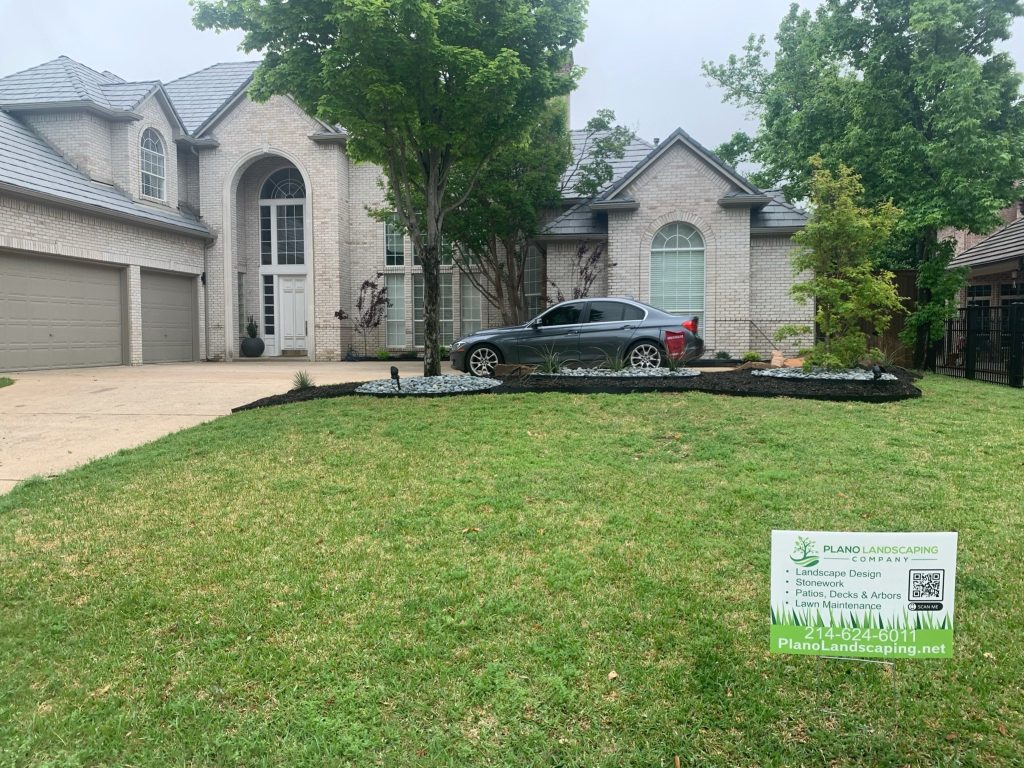
How Often to Replace Sod for Best Results
If your sod in Plano, TX is thinning, lifting, or looking patchy, the real question is usually not “How often can I replace it?” It is “What’s causing it, and should I repair or re-sod?” This guide helps you make the right call so your yard looks full without wasting time or materials.
A few weeks after a hot spell or a heavy rain, many homeowners notice their sod looking uneven. In Plano, TX, that can mean a patch that stays darker, another that dries out faster, and a few areas where the turf seems to “lift” at the edges.
It is tempting to replace everything right away. But in most cases, the better question is whether the sod is failing because of drainage, irrigation, soil contact, or maintenance issues. This post will help you spot the difference and decide when replacement is truly the best route.
- Quick answer
- What to check first
- Main things customers should understand
- Local factors in Plano, TX
- Common mistakes to avoid
- Customer checklist
- Frequently asked questions
Quick Answer
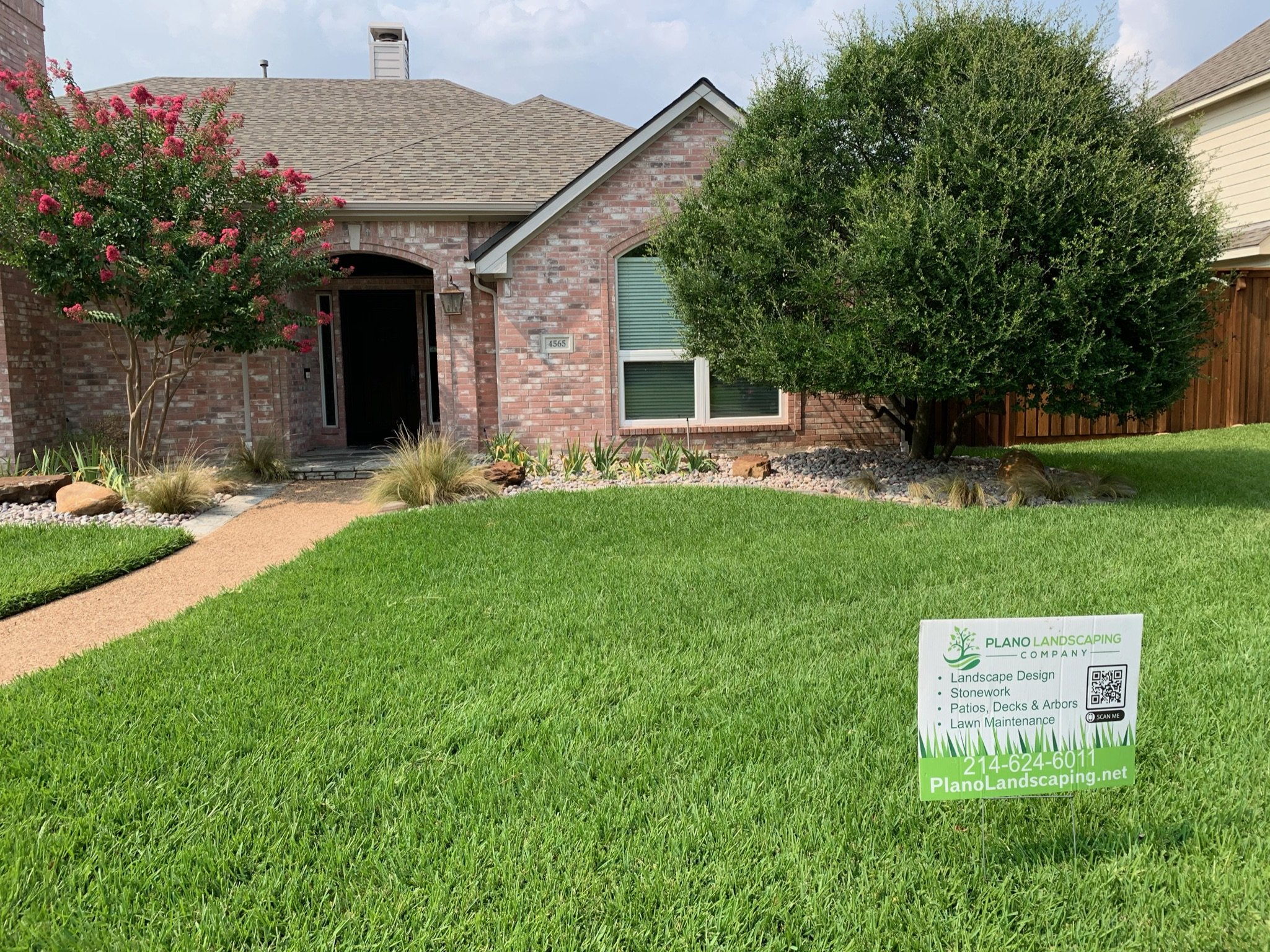
There is no single “right” replacement schedule for sod because performance depends on soil prep, irrigation coverage, drainage, and how the turf is maintained. Many lawns can be repaired (re-laying small sections, addressing irrigation or compaction, and improving soil contact) instead of full replacement. Replace sod when it consistently lifts, shows widespread thinning that cannot be corrected, or fails to root after you fix the underlying cause. If you see repeated problems in the same spots, plan a targeted repair and address irrigation or drainage first for best results.
What to Check First
Before you measure “how old” your sod is, check whether it is failing for a fixable reason. Start by walking the yard and noting patterns: are the weakest areas clustered in low spots, along sprinkler lines, or near edges where mowing or traffic pulls up the turf? Then look at the surface and the root zone.
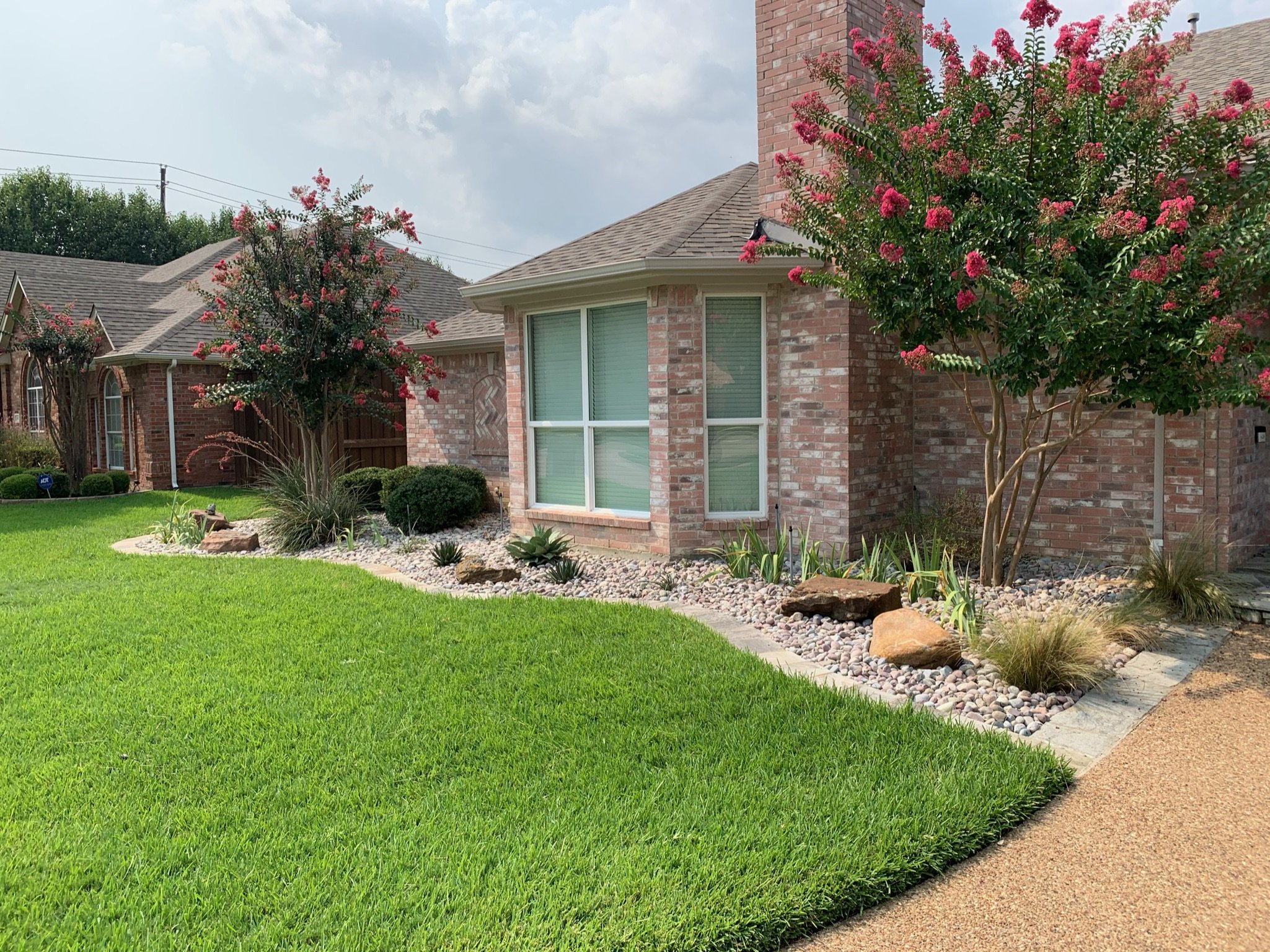
Professional observation: If the problem is repeating in the same layout (for example, directly under one sprinkler head or in the same corner that stays wet), replacement alone usually will not solve it. The cause is typically irrigation coverage, drainage flow, or soil contact, not the turf itself.
Main Things Customers Should Understand
When customers ask about replacing sod, the real decision is whether the turf has a “structural” issue or a “maintenance” issue. Structural issues tend to show up as persistent lifting, weak rooting, or uneven growth that does not improve after watering and mowing adjustments.
Rooting and soil contact
Even good sod can struggle if the base is uneven or if the turf was not pressed into firm contact. If you can lift sections easily or see gaps beneath the blades, plan to correct the contact before re-sodding.
Irrigation coverage
Inconsistent watering can cause “islands” of stress. Some areas stay too wet while others dry out. That is a common driver of patchy thinning and uneven color.
Drainage and yard flow
Low spots, poor slope, or clogged pathways can leave portions of your lawn staying damp too long. That can weaken turf and make replacement feel like a repeating cycle.
One firsthand-style pattern we see in Plano yards is this: homeowners replace sod in the “ugly” area, but the surrounding zone keeps the same watering or drainage behavior. The new turf then faces the same conditions and declines again. That is why a repair-first approach is usually more efficient than re-sodding everything at once.
| What you notice | Likely cause | Best next step |
|---|---|---|
| Small patches that lift at the edges | Soil contact or localized traffic impact | Targeted repair and re-laying those sections after addressing contact |
| Ring-like dry areas near sprinkler zones | Watering coverage gaps or misaligned spray | Review irrigation and sprinkler system installation before re-sodding |
| Depressions that stay damp after rain | Drainage flow issues | Focus on drainage solutions and yard drainage solutions, then replace only where needed |
| Widespread thinning with no clear pattern | Maintenance mismatch, compaction, or soil build-up | Pair lawn care maintenance with a plan to restore healthy growth |
Why This Matters in Plano, TX
Plano’s seasonal swings can stress turf. Hot periods increase evaporation, and heavy rains can change how water moves across the yard. When sod is already vulnerable, those swings highlight weak irrigation patterns and drainage weak points quickly. The most cost-effective approach is to fix the conditions that cause stress, then replace only what truly needs it.
While sod replacement is one part of landscaping services, it often works best alongside broader yard improvements. If your lawn struggles because water is not moving the way it should, working with a team that can handle landscape installation, irrigation installation, and drainage solutions gives you a more complete result than turf alone.
Local tip: If you are planning new features or reworking the yard layout, consider coordinating your plan so sod is installed after major ground-impact work. That helps you avoid rework where old turf gets disturbed during landscaping repairs.
Common Mistakes to Avoid
Most “my sod is failing again” situations come from skipping the cause. Here are the most common mistakes homeowners make, and what to do instead.
- Replacing without checking irrigation: If only one zone looks worse, the issue is often sprinkler coverage or timing. Address irrigation first so new sod is not set up to fail. For related work, see sprinkler system installation.
- Ignoring drainage flow: If water collects in the same low spots, turf will struggle even after re-sodding. Prioritize yard removal services when old materials block proper grade and drainage.
- Overwatering or underwatering during recovery: New or repaired sod needs consistent establishment, not guessing. Use your watering schedule as a baseline and adjust based on how the turf responds.
- Replacing the visible patch only: If the surrounding area creates the same stress, the patch is likely to return. Consider a repair boundary that follows the actual failing zone.
Customer Checklist
Use this checklist to decide whether you should repair or replace sod. If you can answer “yes” to several items, a targeted plan is usually the fastest path to a healthier lawn in Plano, TX.
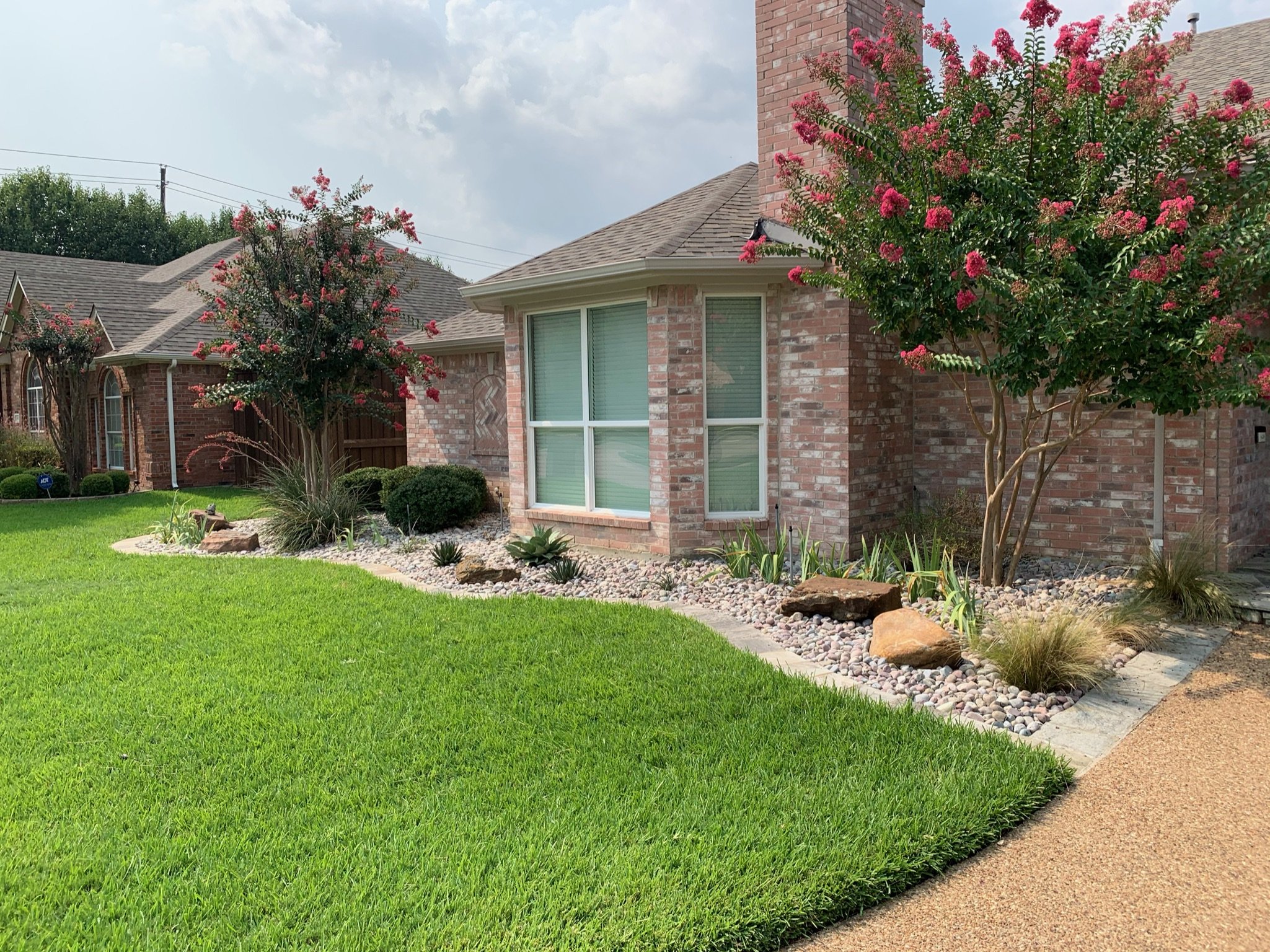
- I notice the problem repeating in the same spots (near sprinkler lines, low areas, or edges).
- The sod lifts easily in sections, or there are visible gaps where turf meets the base.
- Areas look consistently too wet or too dry compared to the rest of the lawn.
- Weeds or thinning spread outward instead of improving after normal watering.
- Major landscaping work happened recently, and sod was installed before the yard was fully settled.
- I want a repair-first approach and can coordinate irrigation and lawn care maintenance changes.
Representative Scenario
A Plano homeowner noticed a strip of sod that stayed darker and then thinned out over the next couple of weeks. The patch was always located where the spray pattern overlapped and where water seemed to linger after rain. Instead of replacing the whole front lawn, they focused on the failing zone, adjusted how water was delivered, and then restored the turf in the area that truly needed it. The rest of the lawn filled in because the underlying watering pattern and yard moisture behavior were corrected.
Frequently asked questions
How do I know if my sod needs replacement or just repair?
Look for patterns and root behavior. If sod lifts easily, has persistent gaps, or thinning keeps returning in the same spots, replacement or targeted re-laying is usually the right move. If the lawn is uneven but responds to watering adjustments, you may be able to repair and improve maintenance first. A repair-first approach is especially useful when the issue is localized, such as along edges or within one irrigation zone.
Will patchy sod come back on its own?
Sometimes, but not consistently. Patchiness can be caused by uneven irrigation coverage, drainage flow, soil contact, or heavy foot traffic. If the same areas continue to look worse after you maintain a steady watering routine, it is a sign that the underlying cause is still present. In that case, targeted repair and correcting the condition causing stress typically gets better results than waiting.
Should I replace sod before or after irrigation work?
Whenever possible, coordinate irrigation changes first. Installing or adjusting sprinkler system installation can affect grade, coverage patterns, and where water lands. If you re-sod before irrigation is corrected, the new turf may receive too much or too little water. Working irrigation adjustments and turf repair as one plan helps you avoid rework and improves consistency across the lawn.
What’s the best time of year to re-sod in Plano, TX?
In Plano, the best timing is usually when you can establish the turf with consistent watering and avoid extended stress from extreme heat or prolonged wet conditions. Because every yard’s drainage and irrigation setup differs, the safest approach is to plan based on how your lawn is currently performing and whether the underlying cause is being corrected. A site assessment can help match the timing to your specific conditions.
Can landscaping removal help if my sod keeps failing?
Yes, in situations where the base or surrounding materials are contributing to the problem. For example, old materials or disturbed ground can affect grade, drainage, and soil contact. If the failure areas line up with where yard removal or old materials are present, addressing those issues can improve how new sod roots. That is why many lawn recovery plans include coordinated landscape installation and yard cleanup, not turf replacement alone.
Get a repair-first sod plan for your Plano lawn
If you’re seeing recurring dry or lifting spots, Plano Landscaping Company can help you identify what is driving the problem and recommend targeted next steps.
Request Landscaping ServicesReady to restore your lawn?
If you want sod that stays rooted and looks even across your yard, start by addressing irrigation coverage, drainage flow, and soil contact. Plano Landscaping Company serves homeowners and property owners across Plano and Collin County, TX with landscaping services focused on long-term results.
Talk to Plano Landscaping Company
Call to discuss your sod concerns and whether repair, re-laying, or broader landscape installation makes the most sense for your property.
Call (214) 624-6011
About Plano Landscaping Company
Plano Landscaping Company provides professional landscaping services in Plano, TX and throughout Collin County, TX. From sod installation to sprinkler system installation, landscape installation, yard drainage solutions, and outdoor living upgrades like paver patio installation and pergola installation, we help homeowners build healthier, more attractive outdoor spaces with a repair-first mindset when turf problems repeat.
Helpful internal reads: sod installation, lawn care maintenance, and landscape installation.