
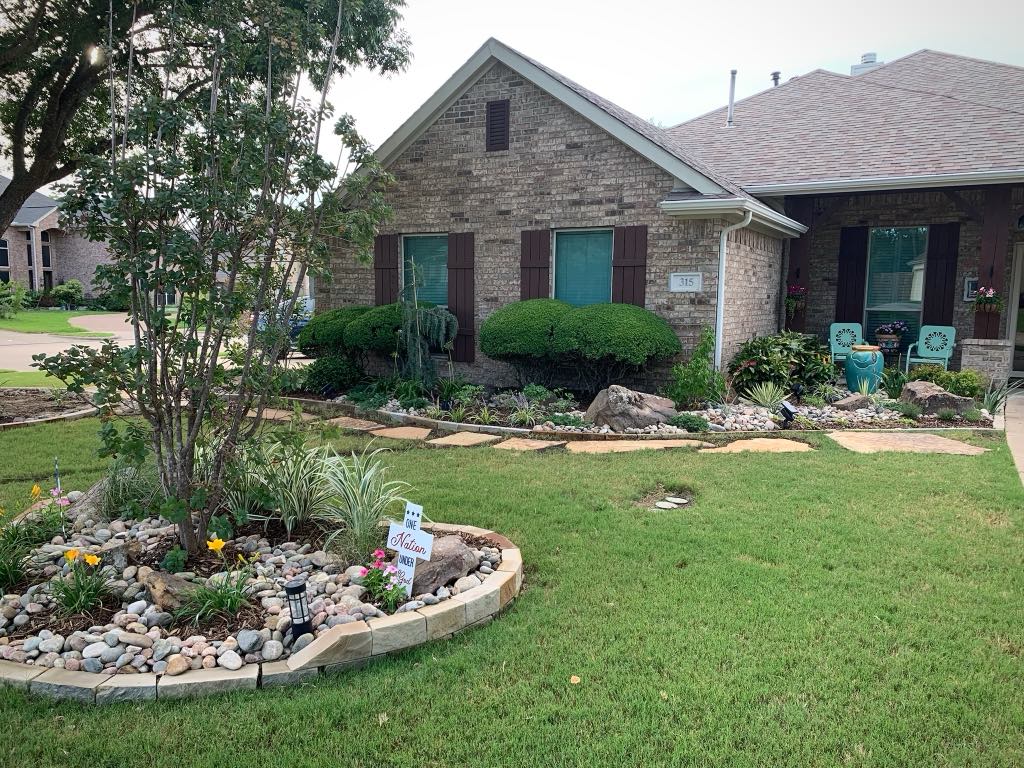
Landscape Removal Safety Tips and Prevention for Owners
If you are planning old landscaping removal in Plano, TX, the biggest risks usually show up before you ever touch a shovel. Hidden sprinkler lines, buried drainage, stubborn tree roots, and outdated hardscape edges can turn a “quick cleanup” into property damage or personal injury.
Imagine you are clearing a front yard in Plano, TX after deciding to replace tired beds and overgrown shrubs. You start digging, and you suddenly hit something that does not behave like soil. A sprinkler line, a buried cable, or a drainage run can be deeper than expected, especially in older yards.
This guide helps you spot the safety and prevention issues that commonly come up during yard removal services and old landscaping removal. You will also get practical steps to prepare the site so the next phase of landscape installation goes smoother.
- Quick answer
- What to check first
- Main things customers should understand
- Why this matters in Plano
- Common mistakes to avoid
- Customer checklist
- Frequently asked questions
Quick Answer
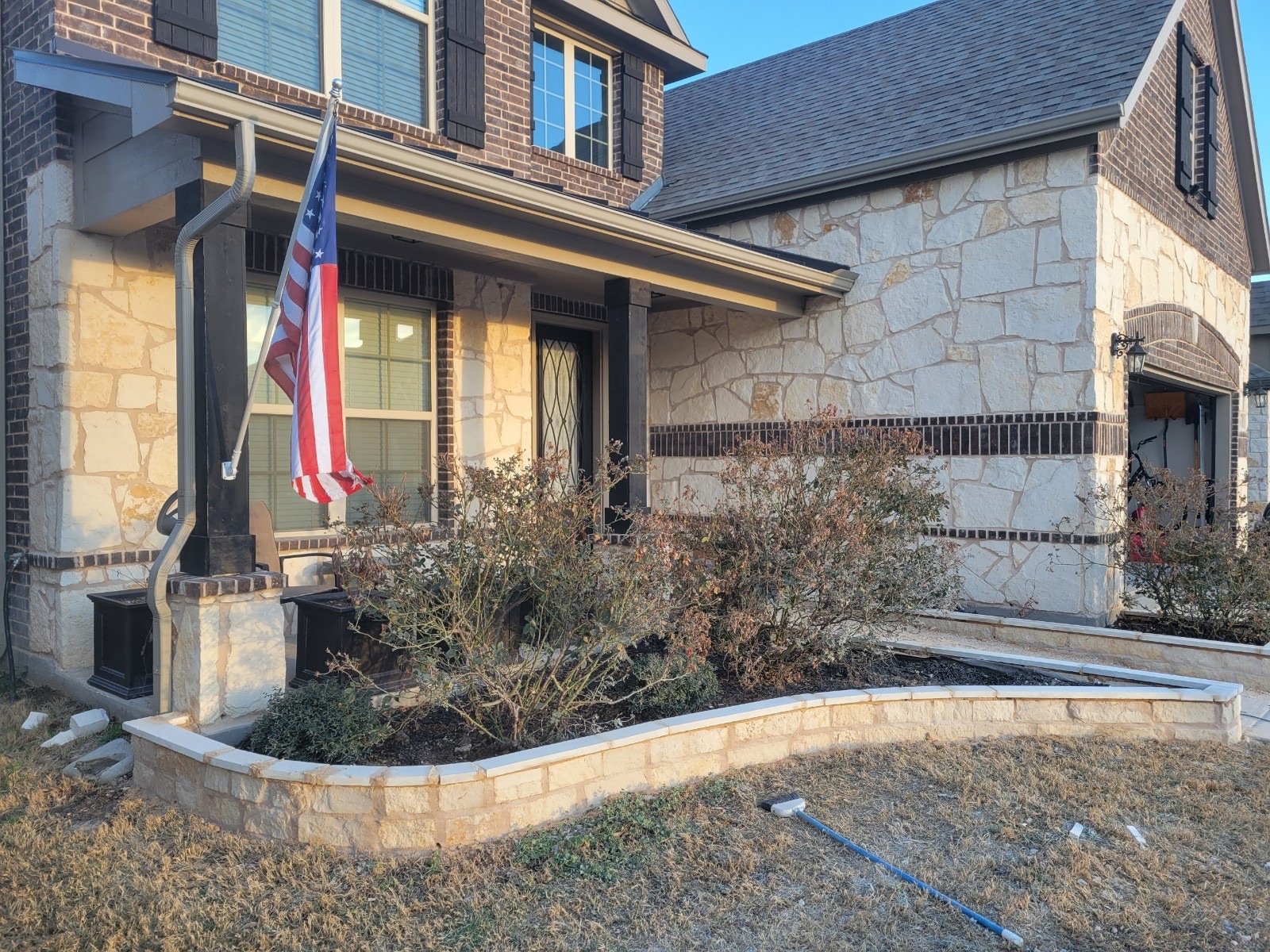
For safe landscape removal, start with utility and irrigation awareness, then control the work zone before digging. Identify sprinkler heads, irrigation lines, and any drainage paths, and avoid random digging near those areas. Use proper PPE, keep heavy equipment away from unstable edges, and remove plants in a way that does not tear up unseen infrastructure. If you are unsure about what is buried or how the sprinkler system is routed, pause and get a professional site plan. For many owners, the safest path is to handle removal and install prep with an experienced landscaping team in Plano, TX.
What to Check First
Before you move soil, walk the property and map what is already there. In Plano, TX yards, buried irrigation and drainage solutions often influence where you can safely dig and how you should stage materials.
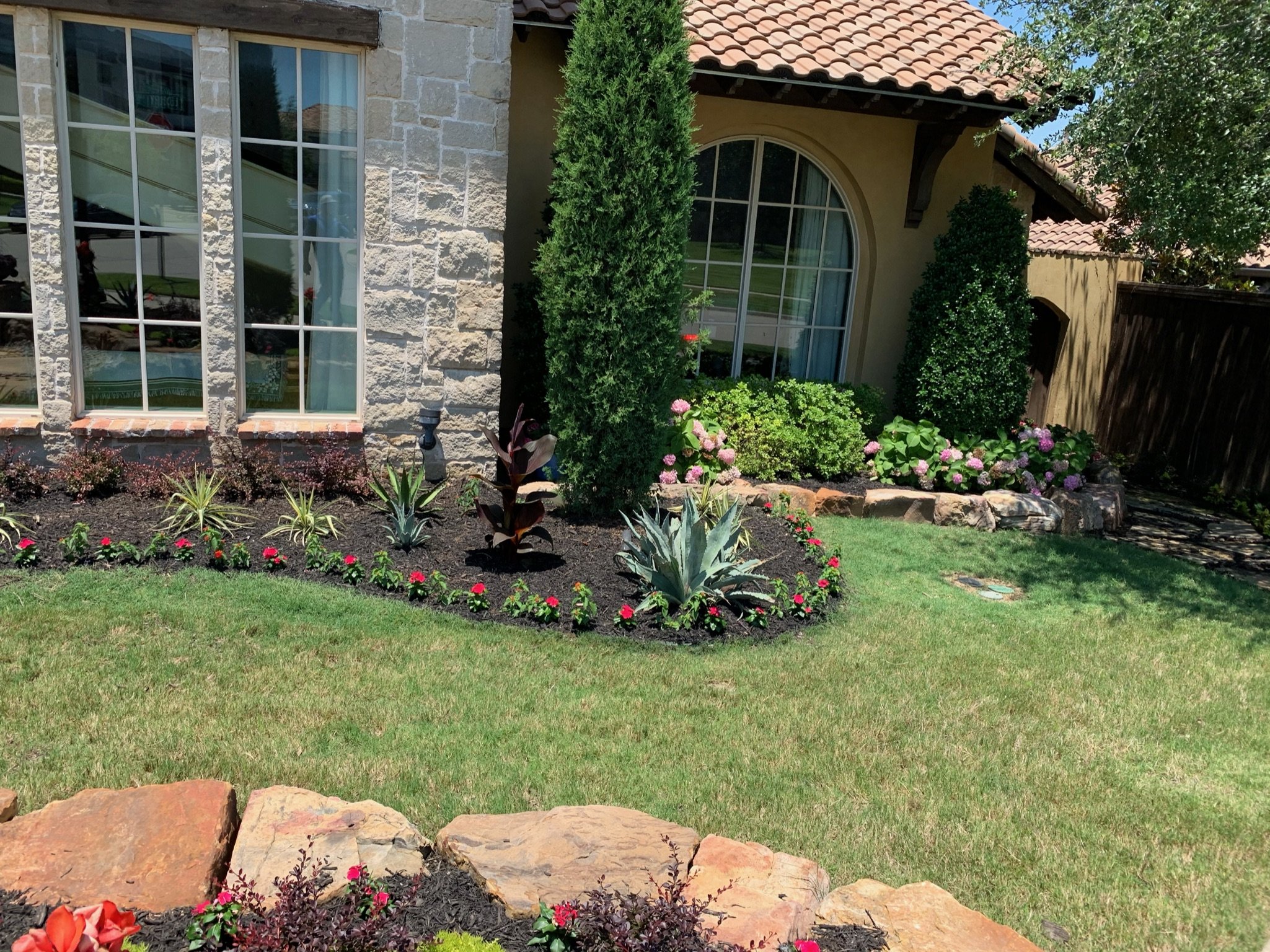
Find the irrigation layout
Look for sprinkler heads, valve boxes, and any above-ground indicators. If your yard has irrigation installation or a sprinkler system installation history, assume lines may run under beds you want removed.
Consider reviewing how your system is designed with sprinkler installation and irrigation.
Know where water goes
If you have standing water, soggy low spots, or frequent washouts after storms, think about yard drainage solutions and landscape drainage before you disturb the ground.
When you plan drainage solutions later, prep decisions during removal matter. It helps to coordinate with your next steps toward landscape installation.
Plan the demolition zone
Set boundaries for pets, kids, and foot traffic. Clear the area of tripping hazards, and keep debris contained so you do not scatter material into walkways or drive lanes.
If you are removing hardscape as part of the job, it often overlaps with concrete and adjacent surfaces.
Professional observation: Most removal incidents happen when owners dig “just to loosen the soil,” but the real risk is under the top layer. Treat the yard like it has hidden utilities until proven otherwise.
Main Things Customers Should Understand
Safe landscape removal is not just about pulling plants. It is about controlling risk around roots, edges, and underground systems so your yard is ready for the next phase, whether that is new lawn installation, sod installation services, or fresh landscape maintenance.
Prevention principle: Work from the “known” to the “unknown.” Start with visible elements, then confirm what is below grade before you commit to cutting or digging.
| Situation you will see | Why it can be risky | Safer way to approach it |
|---|---|---|
| Sprinkler heads in beds | Lines can run under the soil and break when you pry roots or lift rocks | Work around heads first, then uncover carefully and re-check routing before deeper digging |
| Old bed borders or stonework | Edges can shift and damage nearby surfaces or buried lines | Remove in sections, keep heavier pieces controlled, and avoid “pulling” that tears the base |
| Tree roots near a patio or walkway | Roots can lift slabs, and aggressive cutting can spread debris | Loosen and remove gradually, and coordinate demolition with your next patios, decks, and arbors plan |
| Drainage low spots | Disturbing drainage paths can worsen pooling after removal | Preserve the intended flow route and plan drainage solutions before final grade work |
One firsthand-style pattern we see in Plano is that yard removal services often start with good intentions, but the pace increases once a section looks “easy.” That is when people start rushing around sprinkler lines, irrigation installation runs, and the edges of established plants. Slower, staged work reduces the chance of damaging what you cannot easily repair.
Why This Matters in Plano, TX
Plano properties frequently combine mature landscaping with irrigation and hardscape features like paver patio installation, pathway installation, and perimeter edging. During hot stretches, soil can be dry and compact, which makes digging feel harder and encourages levering tools near buried utilities. During wetter periods, disturbed soil can also move, exposing lines you did not expect to be shallow.
Protect irrigation during planning
If you are planning irrigation contractor work later, removal prep should support clean re-routing and alignment for sprinkler system installation.
For owners who want a coordinated approach, start by reviewing landscape removal.
Keep hardscape edges stable
If your removal includes near existing patios or walkways, unstable edges can make it harder to rebuild smooth transitions later.
A helpful next step for planning is pathway installation.
Plan for the “after” look
Removal is only half the job. If you want the next landscape installation to look intentional, plan how you will replace ground cover, shrubs, or turf once debris is gone.
You can align your goals with lawn care maintenance.
Need help planning safe landscape removal in Plano?
If you want your old landscaping removal to be cleaner, safer, and easier to build on afterward, Plano Landscaping Company can help you evaluate the site and plan the next steps.
Contact Plano Landscaping CompanyCommon Mistakes to Avoid
Even careful homeowners run into predictable problems during landscape removal. These are the missteps that most often cause delays, extra cleanup, or preventable damage in Plano, TX.
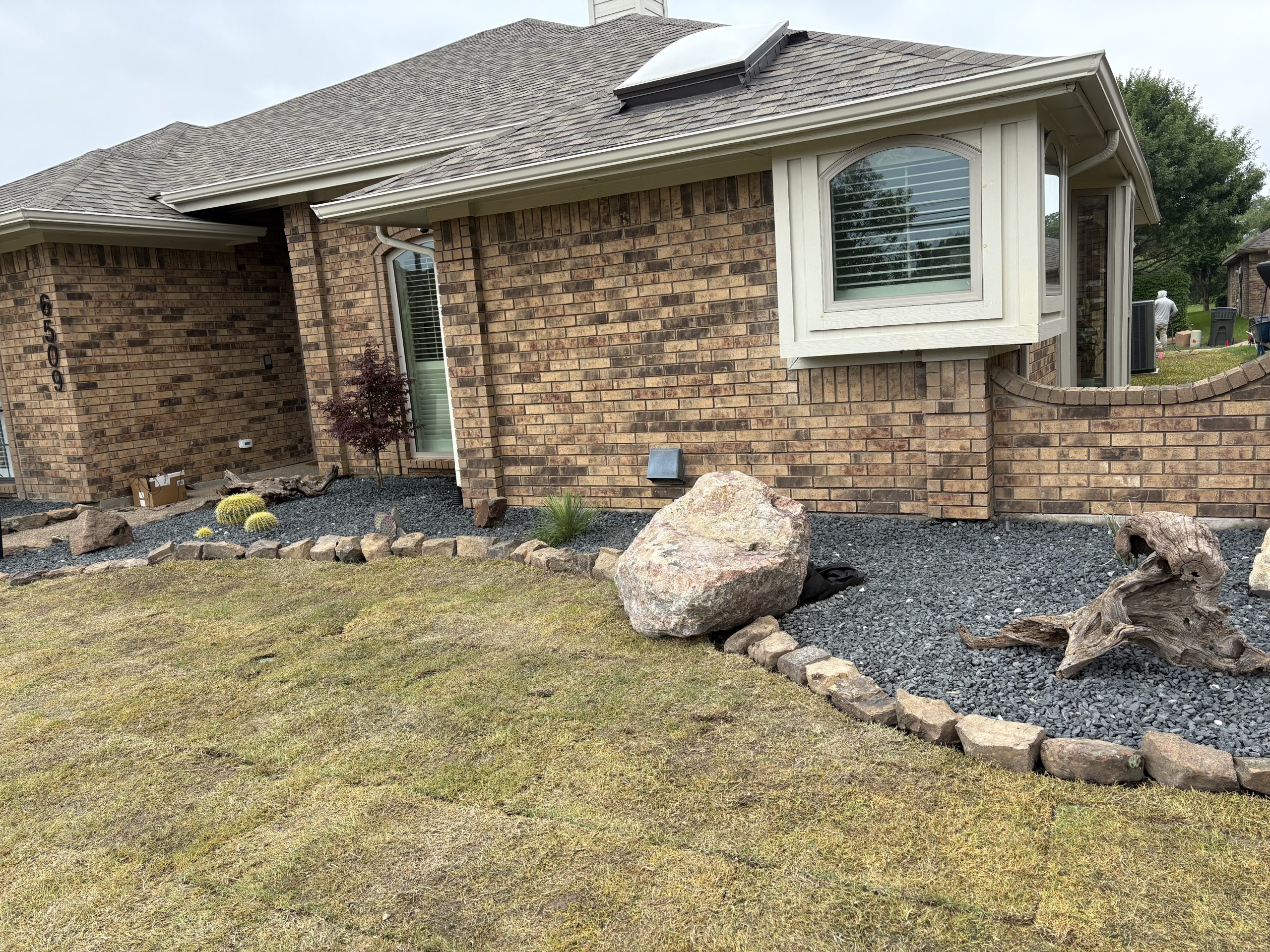
- Digging too close to sprinkler heads or valve areas without confirming where lines run
- Removing hardscape borders in one aggressive pull, which shifts the base and creates uneven edges
- Working in a cluttered zone where debris, tools, and hoses create trip hazards
- Ignoring drainage patterns during yard removal services, then wondering why pooling worsens afterward
- Rushing root removal near established structures, which can lead to more debris and unstable surfaces
A practical way to prevent problems is to treat removal like a preparation phase. When you keep the site organized and preserve the intended flow of water, your next landscape installation choices become easier and more predictable.
Customer Checklist
Use this checklist before you start old landscaping removal. It is designed to help you reduce risk, avoid rework, and keep your yard ready for what comes next.
- Survey the area and note sprinkler heads, valve boxes, and any visible irrigation lines
- Identify low spots and likely drainage paths so you do not disturb water flow
- Clear pets and children from the work zone and set firm boundaries
- Wear appropriate PPE, including eye protection and sturdy footwear
- Stage debris so it does not block walkways, driveways, or existing hardscape edges
- Remove plants and edging in manageable sections to avoid unexpected movement of soil or base materials
- If you find unknown obstructions, stop and reassess before continuing digging
Representative Scenario: What Safe Removal Looks Like
Consider a Plano homeowner replacing old bed borders and overgrown shrubs along the front walk. They start by trimming and clearing visible growth, then they protect nearby sprinkler heads and work around irrigation zones instead of prying from the center of the bed. Only after they confirm what is below grade do they remove the old edging in sections. Once the debris is out, the homeowner can plan a smoother transition into new ground cover and future landscape maintenance without unexpected pooling or damaged irrigation.
Frequently asked questions
These questions come up often when homeowners plan landscape removal in Plano, TX and want to avoid preventable damage.
How do I avoid damaging my sprinkler system during landscape removal?
Is it safe to remove old landscaping borders and stonework myself?
What should I do if I hit something unexpected while digging?
How can I prevent pooling after yard removal services?
Should I plan removals differently for patios, pathways, or paver projects?
Ready to plan a safer removal in Plano, TX?
If your project includes old landscaping removal, sprinkler system considerations, or prep for new landscape installation, Plano Landscaping Company can help you map the work and avoid unnecessary risk.
Call (214) 624-6011
About Plano Landscaping Company
Plano Landscaping Company provides landscaping services across Plano, TX and surrounding areas in Collin County, TX, helping homeowners prepare and improve outdoor spaces. Our focus includes safe landscape removal planning and supporting next-step projects such as landscape installation, irrigation installation, lawn care maintenance, and hardscape-ready site preparation.