

How often should lawn care maintenance be scheduled seasonally?
If your lawn in Plano, TX is looking uneven, growing too fast in spurts, or struggling after heat waves, you are not alone. Scheduling lawn care maintenance around the seasons helps you stay ahead of weeds, stress, and irrigation issues without wasting time or effort.
Last spring, many Plano homeowners tell us the same story: the lawn looked great for a few weeks, then weeds showed up, color faded, and mowing suddenly felt like a constant chore. Often, the problem is not just “missing one task.” It is that maintenance was scheduled too rarely, or the timing did not match what the grass and soil are doing at that time of year.
This guide explains a practical seasonal rhythm for lawn care maintenance in Plano, TX. You will learn how to set a schedule that fits Texas weather swings, what to check first before adding more work, and how to avoid the common traps that can make problems harder to fix later.
- Quick answer
- What to check first
- Main things customers should understand
- Why this matters in Plano, TX
- Common mistakes to avoid
- Customer checklist
- Frequently asked questions
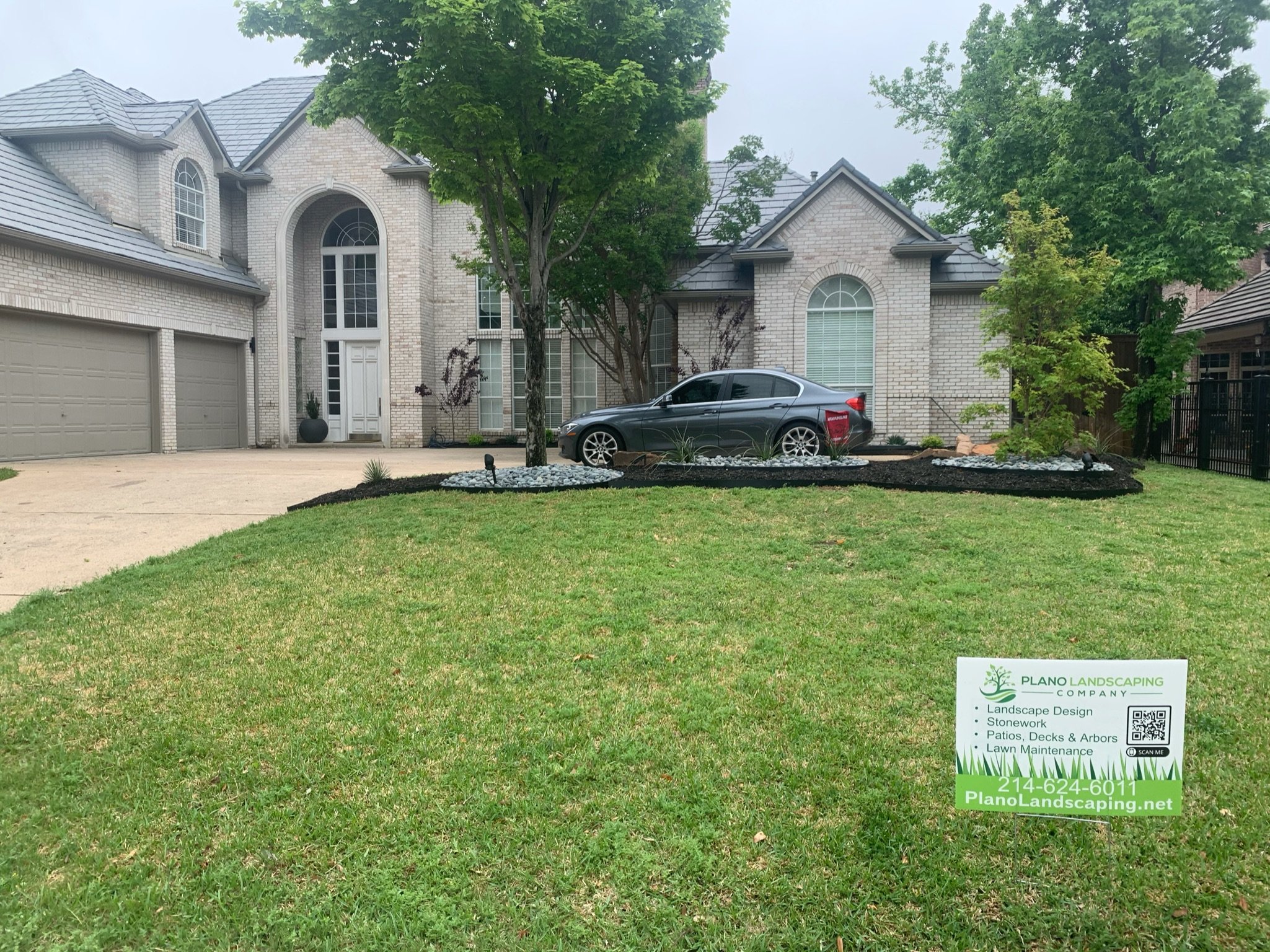
Quick Answer
For most Plano lawns, a seasonal maintenance schedule works best when you plan at least four “anchor” visits per year, then add spot follow-ups based on what you see. Think spring prep, mid-summer upkeep, early-fall strengthening, and a winterizing check. If your irrigation system is inconsistent, or if you have high shade, traffic, or drainage challenges, you may need extra attention outside the standard cadence. A practical approach is to schedule core seasonal work, then adjust frequency by lawn condition rather than a fixed calendar alone.
What to Check First
Before you decide how often to schedule lawn care maintenance, confirm what is driving the lawn’s performance. Start with visible stress areas (thin spots, patchy color, rough texture), then check whether the issue repeats in the same zones. Those patterns often point to irrigation coverage gaps, mowing height inconsistencies, or drainage problems. If you are also dealing with overgrown edges, trimming needs, or yard removal services from older landscaping removal, address those factors first so the grass can respond to proper care.
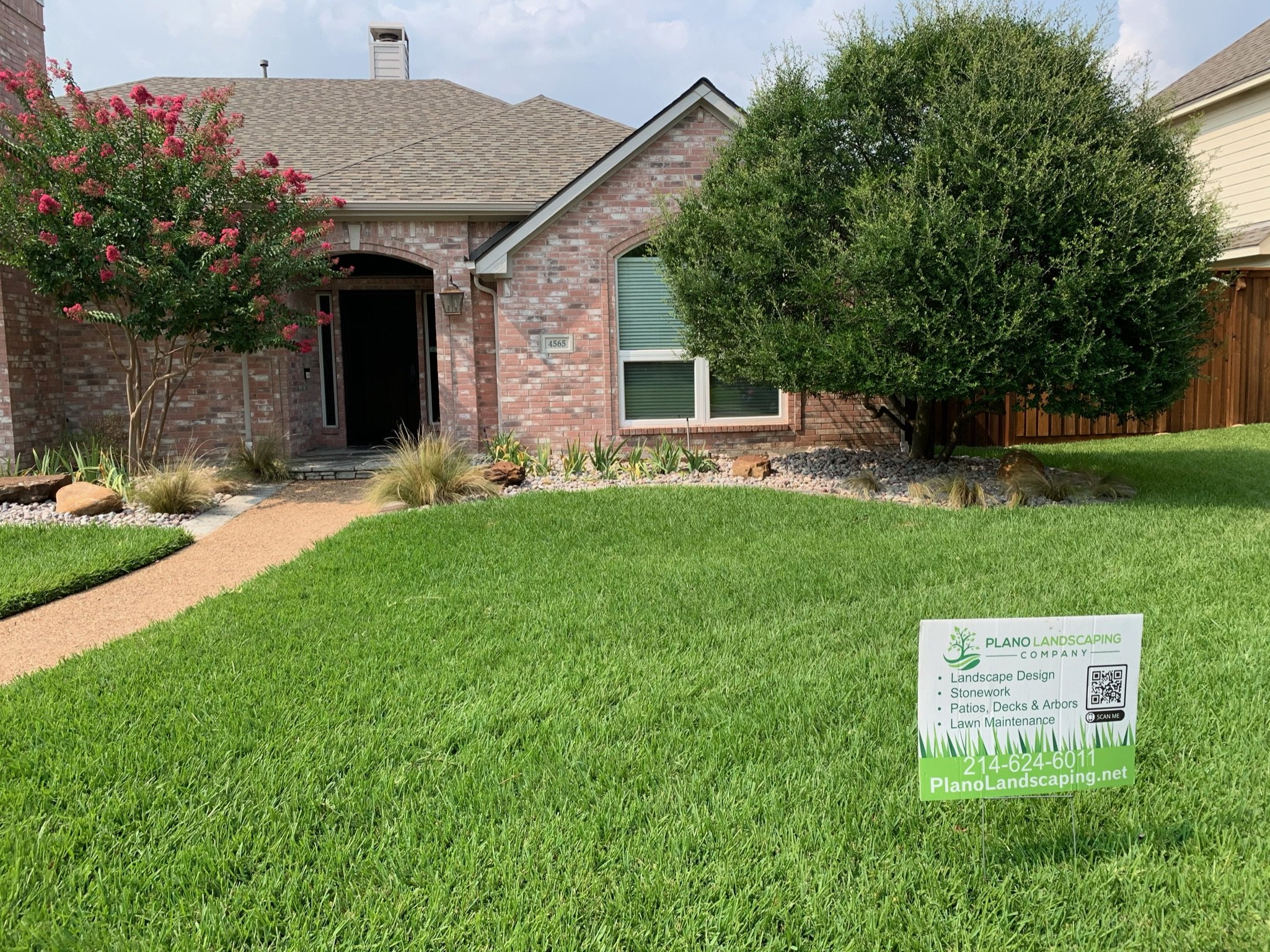
Professional observation: In many Plano yards, the “schedule” is not the only variable. Uneven watering and delayed cleanup after spring growth can make even a good plan look ineffective.
Main Things Customers Should Understand
Seasonal scheduling works because grass growth changes through the year. In general, you want your lawn care maintenance to match three goals: set the lawn up for active growth, maintain it through the most stressful stretch, and prepare it for the next season. The exact frequency varies by lawn type, sun exposure, and how your property is set up, but the planning logic stays the same.
Spring: establish momentum
Plan maintenance that focuses on getting the lawn ready to grow strong. This is also when you can spot early weed pressure and patchy areas that will need more attention than the rest of the yard.
Summer: prevent stress spirals
Heat and irregular watering can quickly turn minor thinning into obvious bare spots. Scheduling mid-season upkeep helps you keep mowing and watering aligned with how the grass is responding.
Fall: strengthen for resilience
Early fall is often the best window to focus on recovery. If your lawn got worn down during summer, this is when you can help it bounce back before winter slows growth.
If you have irrigation installation needs or your sprinkler system coverage is not consistent, maintenance frequency alone will not solve everything. Ensuring proper irrigation installation and sprinkler system installation helps reduce the “work harder, not smarter” cycle. For related projects, you can review sprinkler installation and irrigation.
Why This Matters in Plano, TX
In Plano, TX and across Collin County, seasonal swings can be abrupt. That is why a schedule that is only “once in spring and once in fall” often leaves a gap during the period when lawns are most vulnerable. Many homeowners also have mixed conditions, such as shaded areas under mature trees, sun-baked corners near hardscapes, or yard drainage challenges that keep certain zones wetter for longer. When you schedule lawn care maintenance seasonally with those property realities in mind, the lawn is more likely to stay even and easier to manage.
Local tip: If your yard has water pooling or consistently damp patches after storms, address drainage solutions as part of your plan. Otherwise, mowing and seasonal treatments may not get the results you expect.
Some properties also have landscape edges that require consistent upkeep, such as shrub trimming, hedge trimming, or landscape trimming around beds and walkways. If you are planning broader landscaping work, exploring landscape installation can help you coordinate lawn care maintenance with the rest of your yard’s structure.
| Seasonal timing | What you’re trying to accomplish | Typical maintenance approach | When to add extra visits |
|---|---|---|---|
| Spring (setup) | Kickstart healthy growth and reduce early weed pressure | Core seasonal maintenance to get the lawn “back in rhythm” | Thinning, patchy color, or persistent weed pockets |
| Summer (upkeep) | Maintain lawn stress control during peak heat | Regular upkeep aligned with how fast the grass is growing | Irrigation coverage issues, browning edges, or repeated dry zones |
| Early fall (recovery) | Strengthen the lawn before slower winter growth | Seasonal maintenance focused on recovery and consistency | High traffic areas, worn patches, or uneven growth |
| Winter (check & prepare) | Reduce surprises and set up a smoother next season | Light maintenance and inspection planning | Drainage problems that show up during colder wet periods |
Want a seasonal plan that fits your Plano yard?
If you are unsure how often to schedule lawn care maintenance for your specific lawn condition, Plano Landscaping Company can help you map out a practical approach that matches what you are seeing.
Review lawn care maintenanceCommon Mistakes to Avoid
Most lawn problems do not come from one bad week. They come from small scheduling decisions that stack up. Here are the mistakes we commonly see when homeowners try to manage lawn care maintenance without a seasonal plan. Avoid these, and you will usually see the lawn respond faster and stay more even through the year.
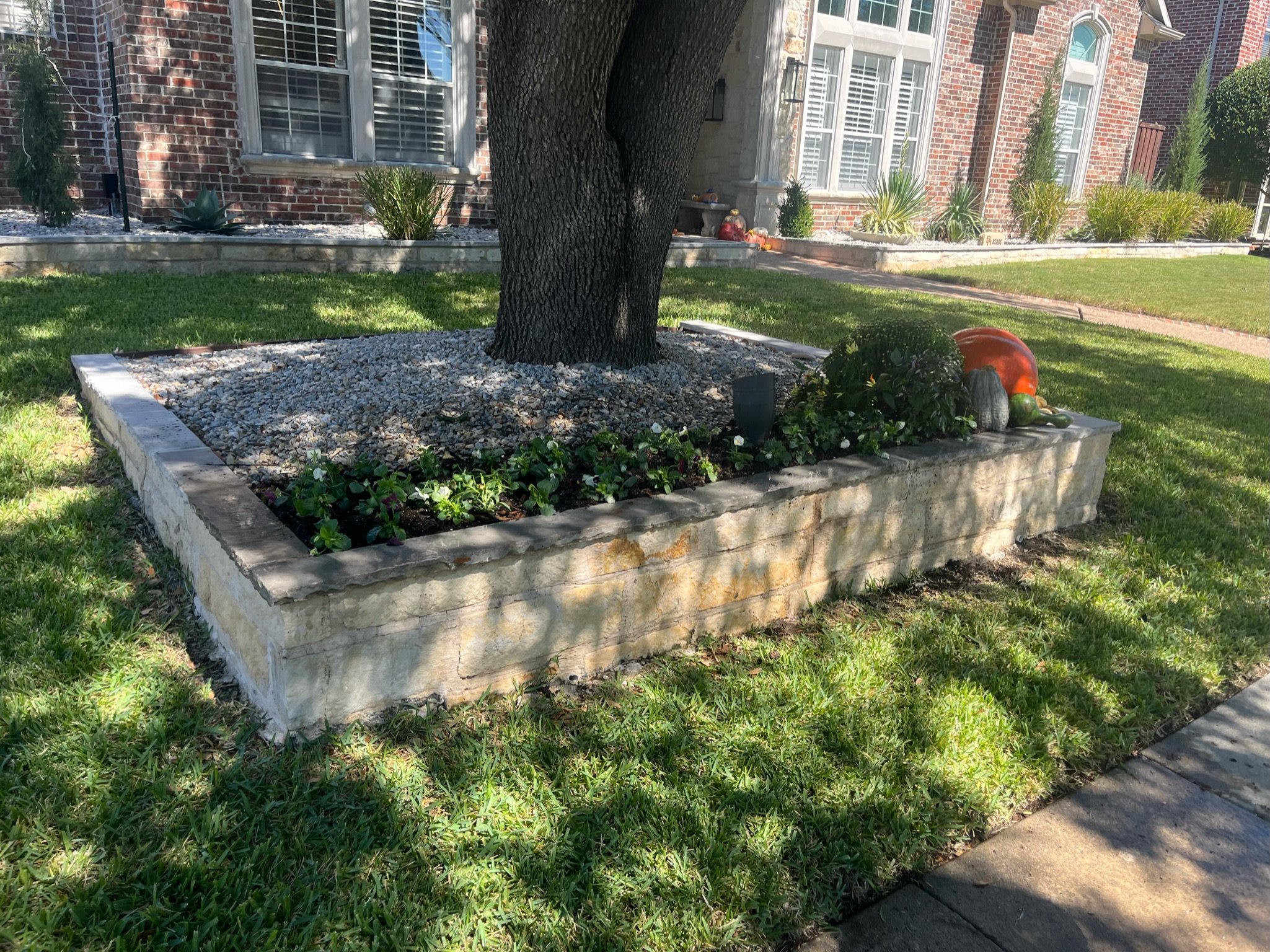
- Scheduling only by the calendar. If your irrigation or growth rate changes, your maintenance rhythm should change too.
- Ignoring repeat problem zones. Thin or patchy areas that return in the same spots often need targeted attention.
- Waiting too long to clean up after heavy spring growth. Delayed trimming and edge cleanup can make the lawn look worse than it is.
- Overcorrecting with too many changes at once. If you adjust multiple factors, it gets harder to tell what is actually helping.
- Leaving drainage and yard removal needs until later. When older landscaping removal is involved, the lawn needs a clean slate before maintenance can work effectively.
For example, consider a representative Plano scenario: a homeowner schedules lawn care maintenance twice in spring and once in fall, but their sprinkler system coverage is inconsistent in one side yard. By the time they notice browning and weeds, the grass has already been stressed for weeks. A more effective plan would have included seasonal core work plus earlier checks of irrigation coverage, so the lawn stayed healthier during the most sensitive part of the year.
Customer Checklist
Use this checklist before you lock in your seasonal scheduling. It helps you decide how often to schedule lawn care maintenance and what to prioritize first so your lawn gets the most improvement per visit.
- Walk your yard and mark thin spots, weeds, and browning edges.
- Note whether the same areas struggle every season.
- Check mowing consistency and whether you are keeping height appropriate for the season.
- Verify irrigation coverage patterns and watch for dry or overly wet zones.
- Inspect drainage areas and look for pooling after rain.
- Plan core seasonal visits, then schedule follow-ups based on what you observed.
Frequently asked questions
Homeowners often ask about scheduling frequency because Texas seasons can feel unpredictable. These answers focus on the practical factors that determine how often lawn care maintenance should be scheduled seasonally in Plano, TX.
How many times per year should I schedule lawn care maintenance in Plano?
For many Plano lawns, planning at least four seasonal “anchor” visits is a solid starting point: spring setup, summer upkeep, early fall recovery, and a winter check. After that, add follow-ups only when you see symptoms that match the need, such as recurring weeds, patchy thinning, or persistent dry zones. If your irrigation coverage is inconsistent or your yard has drainage challenges, you may need more frequent attention during the most stressful periods.
Why does my lawn look uneven even when I mow regularly?
Mowing helps, but it does not fix underlying drivers like uneven watering, soil saturation in low spots, or repeated stress in the same zones. In Plano, sudden weather swings can also make some areas recover faster than others. If uneven growth repeats in the same spots, prioritize checks of irrigation coverage and drainage solutions before increasing general maintenance frequency. Targeted seasonal adjustments usually create more improvement than adding extra mowing alone.
Should I schedule lawn care maintenance more often during summer?
Often, yes. Summer is when lawns can show stress quickly, especially if watering patterns do not match grass needs. Instead of “more no matter what,” adjust frequency based on what you see: browning edges, rapid growth requiring more frequent mowing, or areas that stay too dry. A practical approach is to keep the core seasonal schedule and add visits only for the zones that need attention.
Does irrigation installation affect how often I need maintenance?
It can. If sprinkler system installation and irrigation coverage are uneven, the lawn may struggle in specific areas even when you schedule seasonal care. That often leads to a cycle of extra visits just to manage symptoms. Improving irrigation installation can make seasonal lawn care maintenance more consistent, which usually reduces how often you feel you need to “catch up.” If you want to coordinate projects, review sprinkler installation and irrigation.
What should I do first if I am also cleaning up older landscaping?
If you are dealing with older landscaping removal, yard removal services, or heavy debris, start with clearing and cleanup before relying on seasonal lawn care maintenance to fix the lawn. A lawn cannot fully recover when competing problems remain in the background, like leftover material, rough edges, or bed overgrowth. After removal, you can schedule the right seasonal steps so the grass has the best chance to respond and look even.
Get help planning lawn care maintenance for your Plano property
If you want a seasonal schedule that reflects your yard’s actual conditions, Plano Landscaping Company can help you map out next steps for lawn care maintenance, irrigation, and related landscaping services across Collin County, TX.
Call (214) 624-6011
About Plano Landscaping Company
Plano Landscaping Company provides landscaping services for homeowners and property managers in Plano, TX and Collin County, TX. From lawn care maintenance and irrigation installation to landscape removal and outdoor upgrades, we focus on practical, season-ready care that helps yards look better and stay easier to manage.