

Landscape Trimming for Safety: Prevent Overgrowth Hazards
If your shrubs are starting to swallow walkways or your hedges are creeping toward windows and entryways, it can feel like a small issue until it becomes a real safety problem. In Plano, TX, seasonal growth and Texas heat can make overgrowth happen faster than you expect.
Maybe you noticed branches rubbing the siding, a walkway that feels narrower than it used to, or a spot where the mower keeps catching on taller growth. Or perhaps the lighting around your yard looks dim because plants have grown in front of the fixtures.
This guide helps you understand what to check for first, why trimming matters for safety, and how to plan practical maintenance for your residential property in Plano. You will also find a simple customer checklist you can use before scheduling landscape maintenance.
- Quick answer
- What to check first
- Main things customers should understand
- Why this matters in Plano
- Common mistakes to avoid
- Customer checklist
- Frequently asked questions
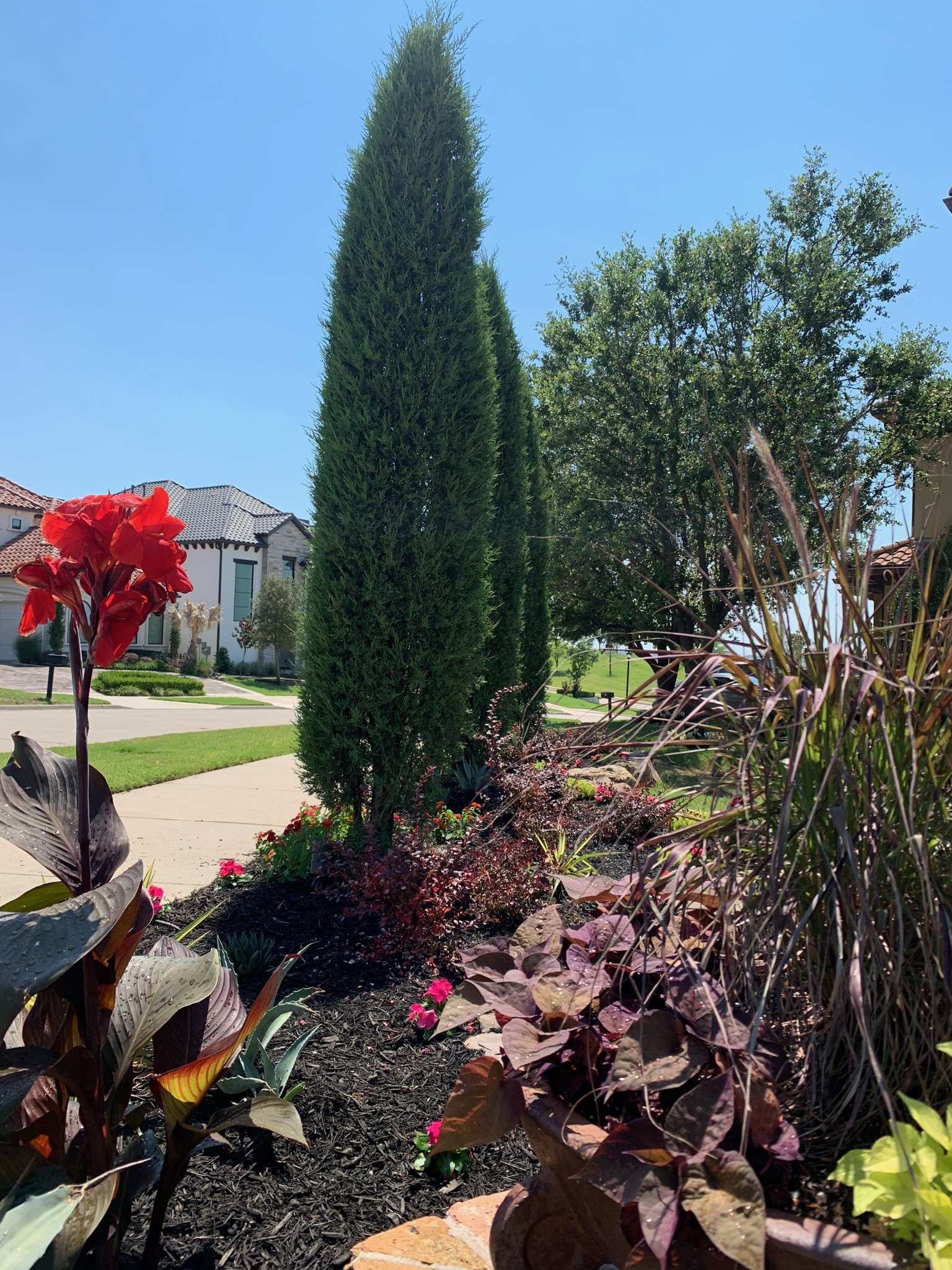
Quick Answer
For safety, start by trimming anything that blocks sight lines, reduces clearance, or creates trip-and-catch risk along paths and entryways. Look for overgrown hedges near sidewalks, shrubs encroaching on stairs, and branches that interfere with outdoor lighting or irrigation heads. A practical next step is to schedule landscape trimming before growth becomes dense, especially in the hottest months when plants rebound quickly. If you are unsure what can be cut back safely, have a local landscaping pro assess your beds and choose a trimming plan that protects plant health and daily access.
What to Check First
Walk your property and focus on “traffic zones” first: entry doors, garage access, walkways, and the path from the driveway to the front door. Overgrowth becomes hazardous when it narrows the route, hides uneven ground, or forces people to step around branches.
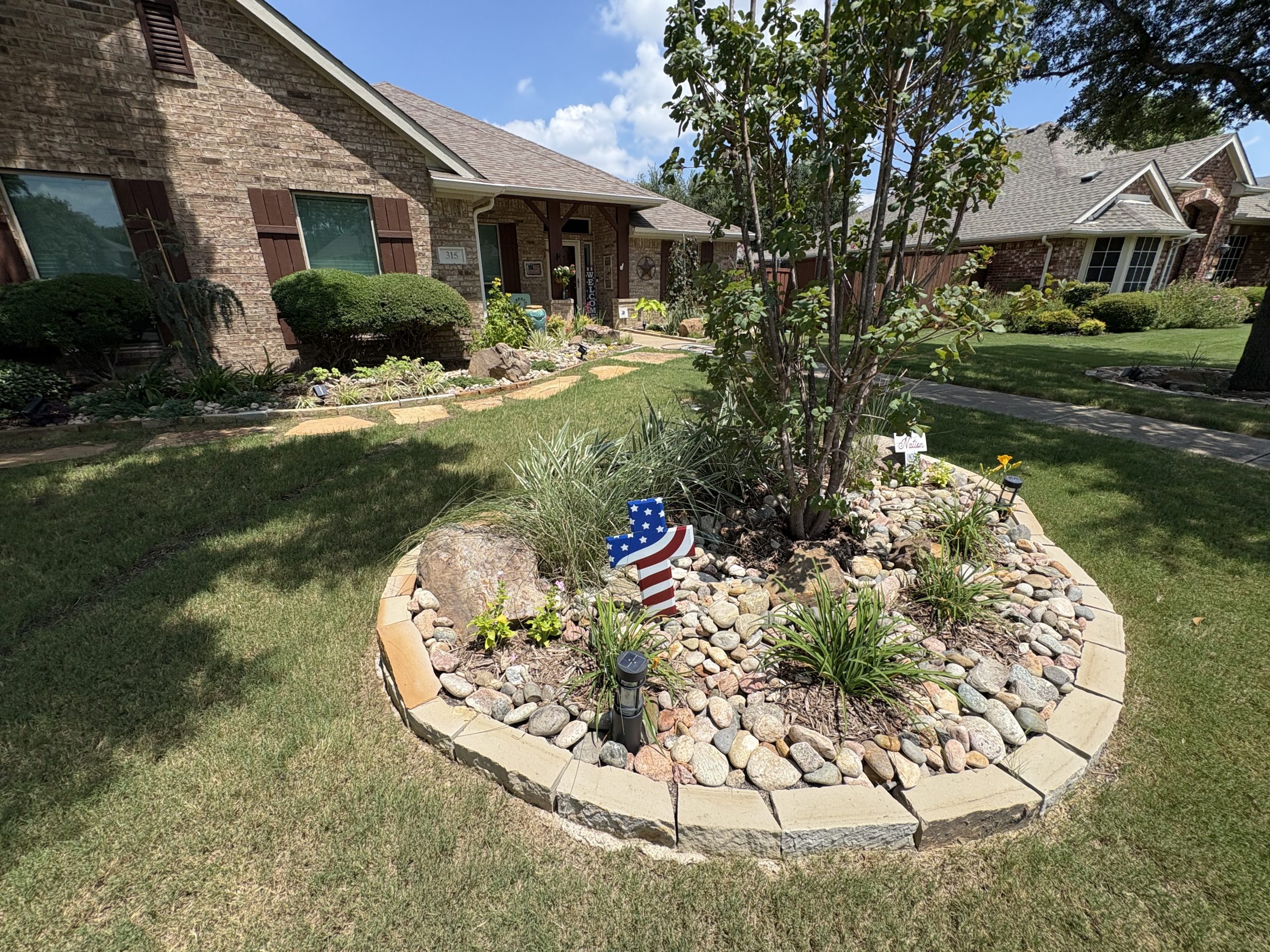
Professional observation: Overgrowth hazards usually show up where people move most, not where the landscaping looks “messiest.”
Next, check around hardscape edges. When shrubs or hedges creep toward pavers, pathways, patios, or fences, you can get rubbing, snagging, and accelerated wear on both plants and surfaces. If you are planning updates to your outdoor layout, you can also coordinate trimming timing with pathway installation so new routes stay clear.
Main Things Customers Should Understand
Landscape trimming is not just about appearance. It is also about controlling how far growth spreads and how it interacts with your daily routines. In Plano, Texas summers can drive fast regrowth, so you generally get better safety results from more frequent, lighter trimming rather than waiting for plants to become unmanageable.
Clearances people actually use
Trim to maintain comfortable walking width, especially beside steps and along the sides of your home where people brush past daily.
Sight lines and entry access
Keep hedges and taller shrubs from blocking views of sidewalks, windows, and porch areas. This helps reduce “surprise” obstacles at night and in rain.
Equipment and maintenance safety
Overgrown growth can force people to edge too close, causing impacts to plants, mulch, and hardscape. Trimming first makes routine upkeep safer.
One firsthand-style detail homeowners often miss: thick, overgrown hedges can become harder to trim cleanly because the interior branches get shaded and sparse. That is when you see uneven cuts, branch tearing, and “patchy” regrowth. Staying ahead of growth helps you maintain a neater shape and reduces the risk of accidental damage to nearby structures.
Practical recommendation: If your hedges or shrubs are already encroaching on a walkway, do a targeted trimming pass first, then reassess after regrowth starts.
If your yard includes irrigation, trimming also matters around sprinkler zones. Branches, tall growth, and dense beds can interfere with spray patterns and coverage. When you schedule maintenance, consider coordinating with irrigation installation or a related system check so heads are not blocked.
Why This Matters in Plano, TX
In Plano and across Collin County, homeowners deal with strong seasonal plant growth and the reality that yards are used year-round. When hedges, shrubs, and vines expand toward entry points, they can create hazards during everyday routines: carrying groceries, walking pets, and moving items in and out of the garage.
Another local factor is how people design their outdoor living spaces. Many Plano properties include patios, arbors, pergolas, and lighting that looks great when plants are kept in bounds. If vegetation grows into the area, it can reduce light output and make outdoor seating less comfortable. If your property includes pergola features, you may want to plan trimming around pergola installation so clearance stays consistent.
| Situation you notice | What trimming usually solves | When removal may be the better call |
|---|---|---|
| Hedges overhanging walkways | Restores clearance and reduces snag risk | If plants are severely damaged or too far gone to reshape |
| Shrubs blocking driveway visibility | Improves sight lines and access | If root systems or structure location makes safe trimming impossible |
| Plants growing into beds repeatedly | Controls spread and supports regular maintenance | If beds are overcrowded and need a layout reset |
| Old landscaping that won’t stay under control | May help if the plants can still be shaped | If you need to start fresh with landscape removal |
Need a safety-focused trimming plan for your Plano yard?
Tell us where plants are encroaching and which areas feel tight or risky. Plano Landscaping Company can help you map a practical trimming approach as part of your ongoing lawn care maintenance rhythm.
Call (214) 624-6011Common Mistakes to Avoid
When homeowners try to “fix it fast,” the results can create new problems. A careful trimming schedule helps avoid damage to plants, hardscape, and the safety goals you are trying to achieve.
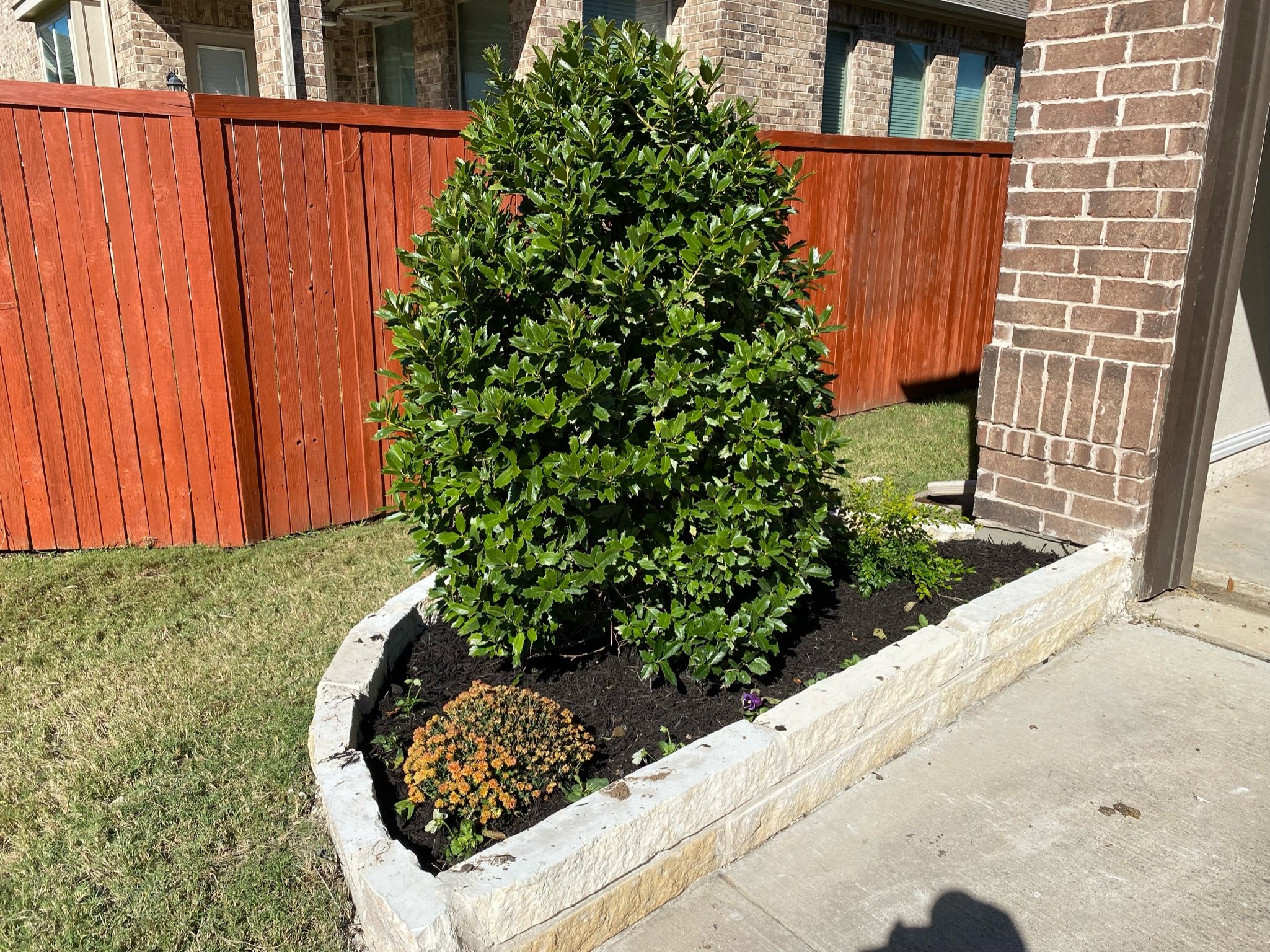
- Trimming too late and letting growth become dense and hard to shape.
- Cutting back without checking clearance around steps, walkways, and entry points.
- Forgetting lighting and utilities that can be blocked by overgrown shrub lines.
- Over-trimming one area and leaving other hazards untouched, like corners or side yard sight lines.
- Trying to force shape when a bed is overcrowded and needs a layout reset.
If you are dealing with old landscaping that has grown into places it should not be, it may be more efficient to remove select sections rather than trimming repeatedly. That is where a professional assessment can save time and protect the look of your yard while improving safety.
Customer Checklist
Use this checklist before scheduling landscape trimming. It helps you describe the exact hazards you are seeing and makes the visit more productive. If you can, take a quick walk around your property and note each item you find.
Safety checklist: Keep it simple and focus on access, visibility, and clearance.
- Walk the route from driveway to front door and check for narrow spots or snag points.
- Look for shrubs or hedge branches touching siding, windows, or doorways.
- Check corners for blocked sight lines along sidewalks and near the street-facing side of your home.
- Inspect areas near steps and stairs for growth that forces people to step around branches.
- Confirm sprinkler heads and irrigation coverage are not blocked by dense plant growth.
- Review outdoor lighting zones to ensure plants are not hiding fixture beams.
Representative scenario
A Plano homeowner noticed that their front hedge had grown wide enough to graze the walkway on rainy days. At night, the hedge also made it harder to see the edge of the path leading to the porch. They started trimming back a little at a time but realized the shape kept getting uneven because the hedge had become overly dense. The practical fix was a safety-first trimming pass focused on restoring clearance and visibility, followed by a maintenance rhythm that prevented the hedge from reclaiming the walkway.
Frequently asked questions
Here are common questions homeowners in Plano ask when they are trying to prevent overgrowth hazards and keep their landscape maintenance plan on track.
How often should I schedule landscape trimming for safety?
Is shrub trimming different from hedge trimming?
What should I trim first if multiple areas look overgrown?
Can trimming help if my plants are blocking sprinkler coverage?
When should I consider landscape removal instead of more trimming?
Get your Plano yard back to safe, usable clearance
If you are noticing overgrowth hazards around walkways, entry points, or outdoor lighting zones, Plano Landscaping Company can help you plan landscape trimming that matches your property and your maintenance goals.
Schedule with Plano Landscaping Company
About Plano Landscaping Company
Plano Landscaping Company provides landscaping services for homeowners and property managers in Plano, TX and across Collin County, TX. From landscape trimming and shrub or hedge maintenance to coordinated outdoor improvements, our team focuses on practical, safety-minded results that keep your yard functional and comfortable.