
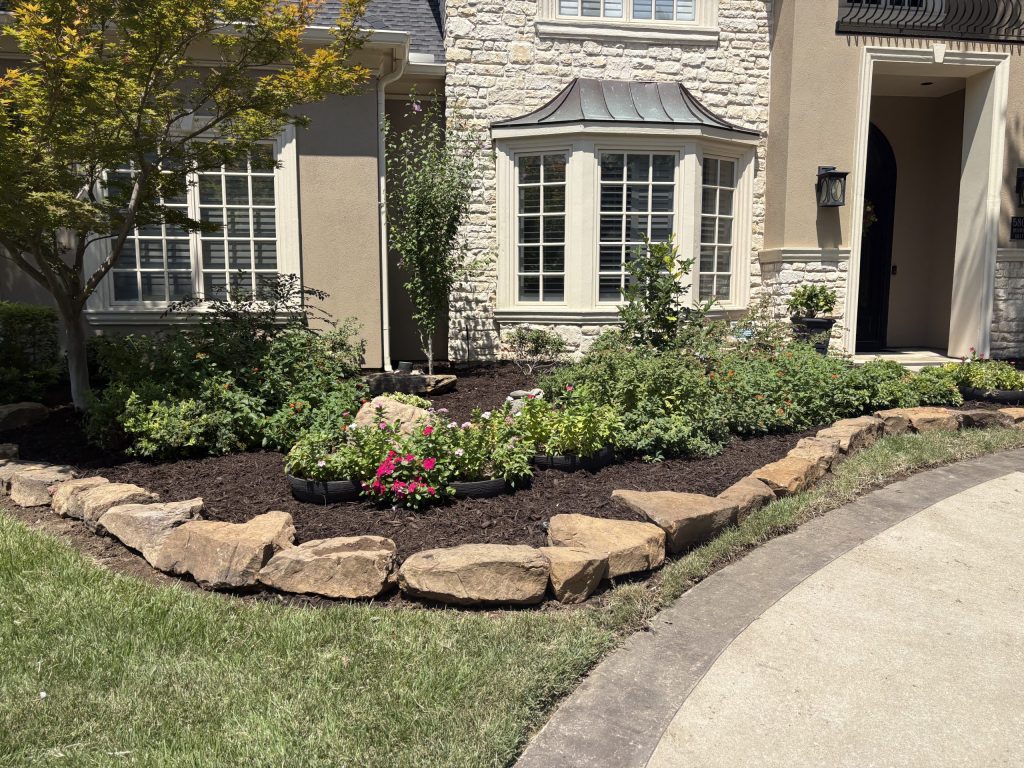
How Often Should You Schedule Landscape Installation
If you are planning new landscaping in Plano, TX, the question is not just “when can we start.” It is also “how often should we plan updates or new installations so the yard stays attractive, drains well, and does not fall behind.” This guide helps you set a realistic installation schedule for common landscape projects, based on what usually changes over time.
You just moved into a home in Plano, TX, and the backyard is functional but looks tired. The pavers have uneven spots, the beds are overgrown, and you are not sure whether you need a one-time landscape installation or a repeating schedule of updates.
Or maybe you already had sod installation last year, and now you are wondering how often you should schedule the next round of yard work before the season slips by. In the Collin County heat, timing really affects how well new landscaping settles in and how quickly problems show up.
This guide will help you understand what “installation frequency” really means, what to check first before scheduling another project, and how to build a practical plan for landscaping services around your home and maintenance needs.
- Quick answer
- What to check first
- Main things customers should understand
- Why this matters in Plano, TX
- Common mistakes to avoid
- Customer checklist
- Frequently asked questions
Quick Answer
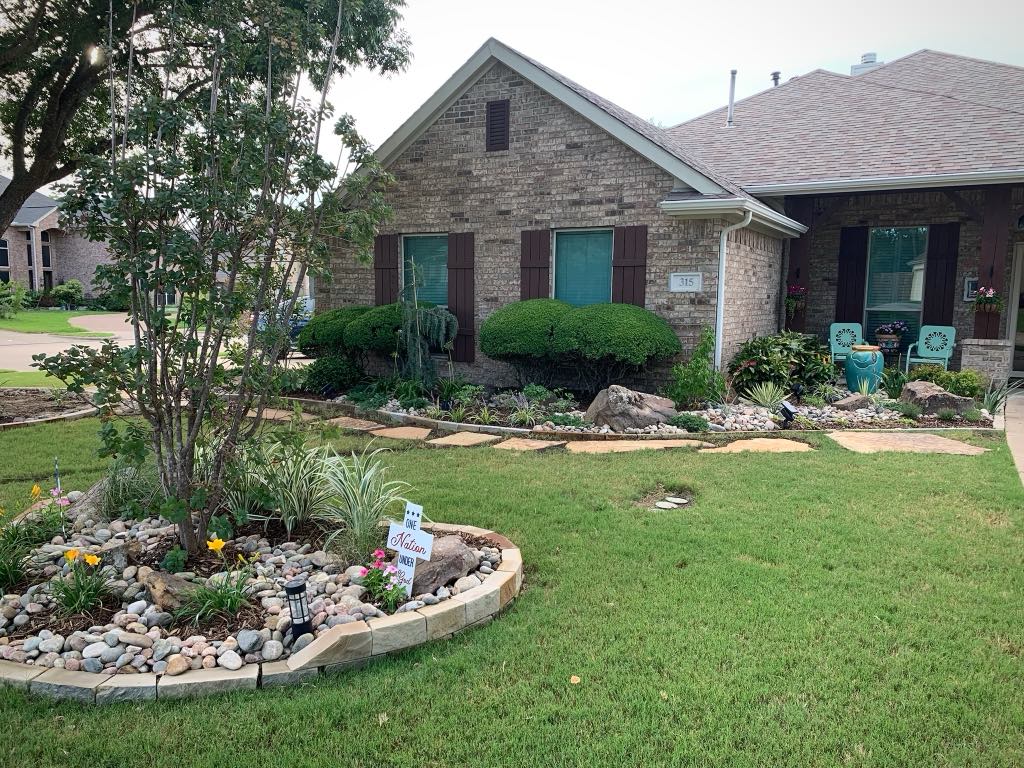
Most homeowners schedule landscape installation in “phases,” not on a strict calendar. A good starting point is to plan a new installation when you can clearly identify a problem or upgrade goal, such as drainage issues, worn hardscape, or beds that are no longer performing. For ongoing work, schedule maintenance like lawn care maintenance and landscape trimming more regularly, then revisit installations when materials show visible wear or when your irrigation installation needs changes. If you are unsure, focus on what needs attention now and build a season-friendly plan for Plano, TX.
What to Check First
Before you book another installation, confirm what actually needs replacing versus what just needs adjustment. Start by walking the property and noting where water collects after rain, where plants struggle, and where surfaces feel uneven. Then check whether your irrigation installation matches your landscaping layout, since a mismatch can create dry spots, failure in newly installed areas, and unnecessary replacement cycles.
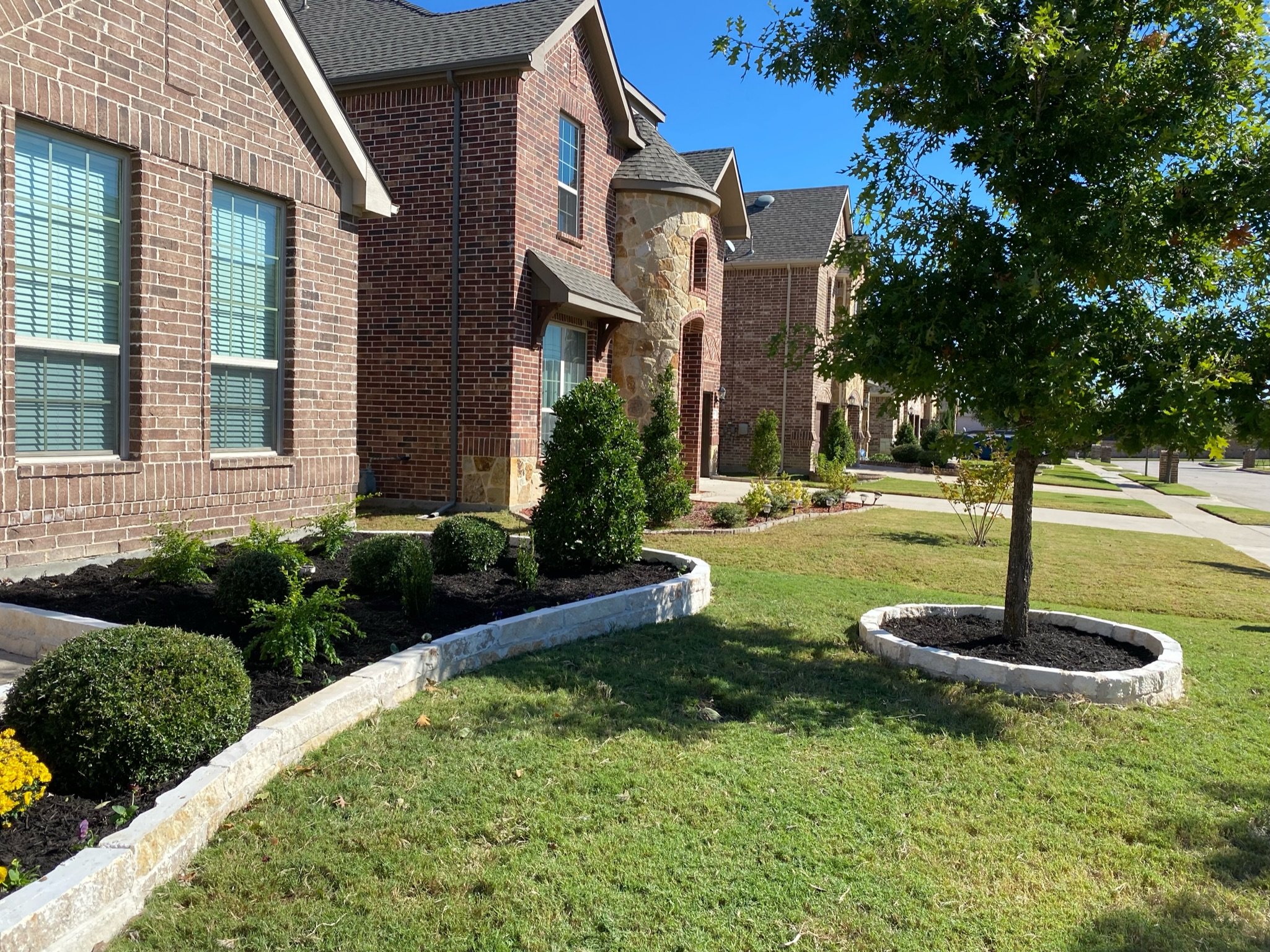
If your biggest concern is yard cleanup or removing old elements before new work, review landscape removal options first. Removal timing often determines whether new landscaping can be installed promptly and whether the base stays stable.
Professional observation: In Plano, TX, the most expensive “schedule problem” is usually not the installation itself. It is rework caused by skipping the site checks that affect drainage, irrigation coverage, and base preparation.
Main Things Customers Should Understand
“How often” depends on the type of landscaping installation you are planning. Some projects are one-time upgrades that you do once every several years, while others are refreshes that should be revisited as seasons change and as your yard matures.
| Project type (installation) | Typical scheduling approach | What triggers the next installation |
|---|---|---|
| Landscape installation (overall updates) | Phase it by priority: drainage and structure first, then plantings and finishing | Noticeable performance issues, repeated maintenance failures, or major layout changes |
| Sod installation / new lawn installation | Schedule with seasonal conditions and a plan for aftercare | Thin growth, persistent dry areas, or areas that cannot establish due to irrigation gaps |
| Paver patio installation / pathway installation / walkway installation | Plan when base and drainage are ready, then maintain joints and surface alignment | Uneven settling, joint material washing out, or water undermining edges |
| Pergola installation / arbor installation | Install when you can commit to correct placement and long-term upkeep | Structural shifting, outdated layout, or the need to rework nearby beds and paths |
| Landscape lighting installation (outdoor lighting) | Schedule as part of the design so wiring and placement match the pathway and beds | Dark zones created by new plant growth, wiring access changes, or fixture upgrades |
| Irrigation installation / sprinkler system installation | Use it as a “foundation” schedule for other projects | Coverage gaps, inconsistent watering, or changes to beds, sod areas, or drainage solutions |
A practical way to set a schedule
For most Plano, TX properties, the best approach is to schedule installations in phases. Phase one focuses on what can affect everything else: drainage and irrigation. Phase two addresses structure and traffic surfaces like patios, pathways, and edging. Phase three is the finishing work, such as landscape design updates, shrub trimming plans, and seasonal maintenance alignment.
If you are planning irrigation changes before you touch landscaping, it helps to align your timeline with sprinkler system installation so new beds and turf do not have to be disturbed twice.
Why This Matters in Plano, TX
In Plano, TX, summers can push plants and lawns quickly, and yards that rely on older irrigation coverage often show dry or patchy areas sooner than expected. That is why scheduling installation without checking watering patterns can lead to a “repeat cycle,” where you reinstall or re-sod before the underlying coverage issue is corrected.
As you plan, think about how water moves across your property and how often you will be able to maintain the yard. If drainage solutions are needed, that can shift your installation timing because the site preparation and grading come first. For a better foundation, explore landscape installation so the schedule accounts for base prep and the order of operations.
Seasonal scheduling
Plan installations around when you can realistically support aftercare. It is easier to succeed when you can follow through with watering and trimming during the first weeks.
Traffic and settlement
For pavers and patios, base stability matters. Scheduling too soon after major ground disturbance can increase the chance of shifting later.
Design changes
If you are changing pathways, beds, or outdoor living spaces, coordinate the timeline so irrigation and landscape lighting installation are planned together.
Common Mistakes to Avoid
Most scheduling problems come from assumptions. A homeowner might book a project because the calendar looks open, then discover the groundwork was not ready. Another common issue is treating irrigation as a separate task, even when the watering map needs adjustment for the new layout.
- Scheduling installation without confirming irrigation coverage: New sod installation and plantings can fail faster when sprinkler placement does not match the updated beds.
- Skipping base preparation for hardscape: Paver patio installation and pathway installation can look fine at first, then settle if the base and drainage are not addressed.
- Replacing instead of repairing: When edging, joints, or surface alignment is the real issue, a repair approach may prevent unnecessary reinstallation.
- Forgetting maintenance planning: Even well-installed landscaping needs a maintenance rhythm like lawn care maintenance and landscape trimming to stay in good shape.
If your yard needs cleanup before the next step, consider the order of work through lawn care maintenance so you are not trying to establish new landscaping while older growth and debris are still competing for water and light.
Customer Checklist
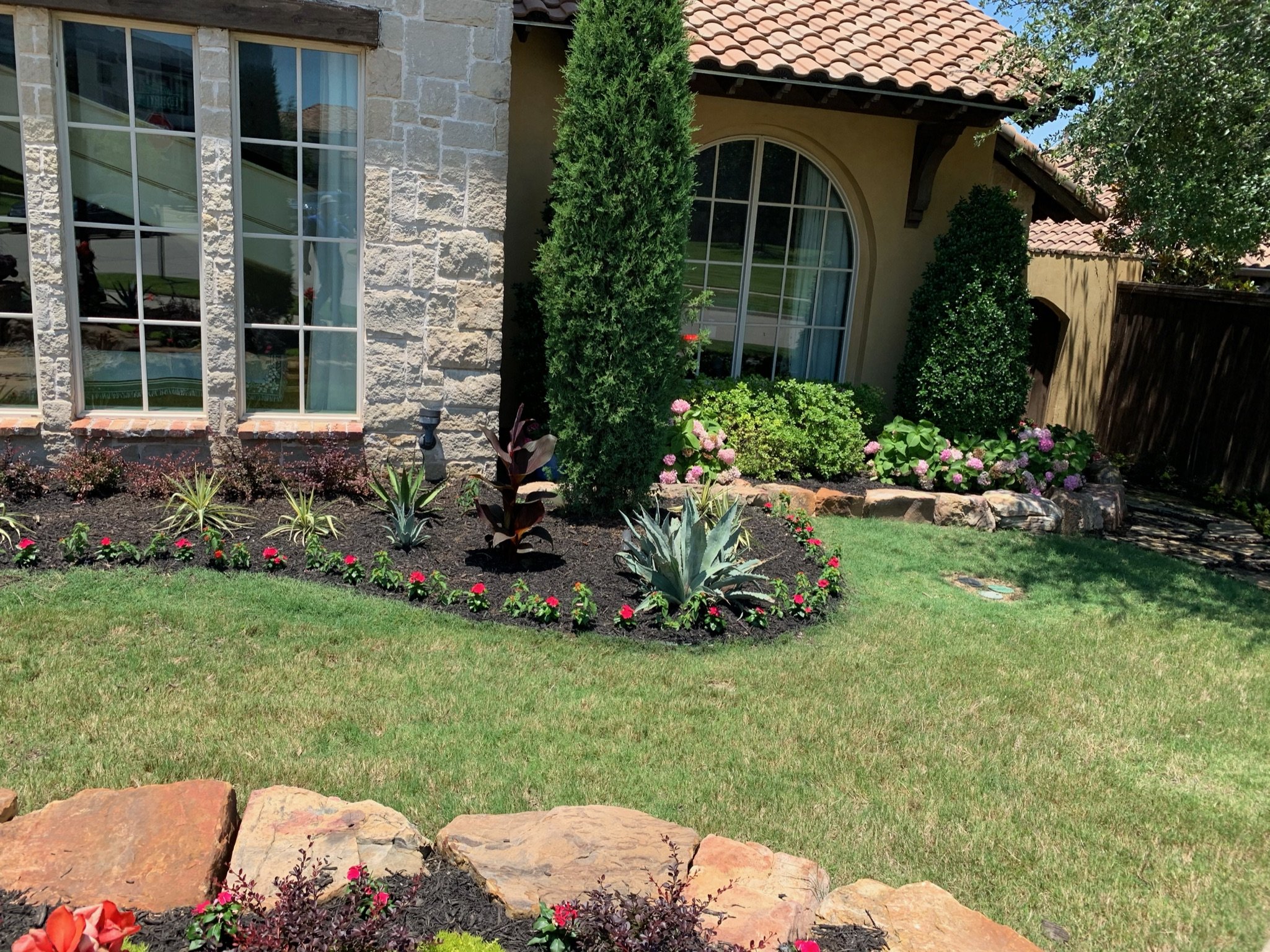
Use this checklist when you are deciding whether to schedule another landscape installation in Plano, TX. If most items are “yes,” it is a strong sign you should plan a project phase now. If most items are “no,” you may be better off scheduling maintenance first.
- You see standing water or repeated wet spots after rain that affect beds or walk areas.
- Your lawn has persistent dry patches or weak growth that do not improve with normal watering routines.
- Hardscape surfaces feel uneven, edges are shifting, or joints are washing out.
- New plantings are struggling because the watering pattern does not match the updated layout.
- You are planning outdoor living spaces changes (patio, pathway, pergola, or lighting) and need coordinated installation.
- You have a realistic maintenance plan for the first weeks after installation.
Representative Scenario
A Plano, TX homeowner schedules a new backyard patio plan but notices the yard drains slowly toward the fence line. Instead of rushing the paver patio installation, they first align irrigation and drainage solutions so the base stays stable and the patio area does not become a low spot. After that foundation work is set, the patio, pathway installation, and finishing landscaping can be scheduled in a sequence that reduces rework and helps everything settle correctly.
Frequently asked questions
Should I schedule landscape installation every year?
Most yards do not need installation every year. Annual work is usually maintenance, such as lawn care maintenance, landscape trimming, and routine upkeep of beds. Installation is typically scheduled when you can point to a clear issue or upgrade goal, like worn hardscape, drainage problems, or changes to irrigation coverage. In Plano, TX, timing also matters because summer conditions can make aftercare more demanding.
How can I tell if my irrigation installation needs to be updated before new landscaping?
If you see dry patches, uneven growth, or areas that stay too wet compared to the rest of your yard, irrigation coverage may be out of sync with your landscape layout. When you plan sod installation, new lawn installation, or major bed changes, it is smarter to confirm coverage first so new materials do not require repeated disturbance. Coordinating the schedule with sprinkler system installation can prevent rework.
What is a smart order for scheduling patio, pathway, and landscaping updates?
For many Plano, TX properties, structure comes before finishing. Start with any drainage solutions and base preparation needs. Then schedule hardscape elements like paver patio installation or pathway installation so the site is stable. After the main surfaces are set, you can finalize landscape design work, add planting areas, and plan landscape lighting installation where it will be most useful.
Is landscape removal usually part of the installation schedule?
Often, yes. Old landscaping removal may be necessary when you want new grading, new bed lines, or a fresh foundation for turf or hardscape. If you are planning a larger landscape installation, scheduling removal at the right time helps prevent delays. For details on what is involved, you can review landscape removal options at Plano Landscaping Company landscape removal.
How do I keep from reinstalling the same thing too soon?
Focus on the “why” behind the problem. If the issue is drainage, address drainage solutions before you install or replace surfaces. If it is watering inconsistency, coordinate sprinkler system installation and coverage before new sod installation or plantings. Finally, plan for maintenance during the establishment period. That is usually where successful installations separate from repeated cycles.
Ready to plan the next installation phase?
Tell us what you want to improve in your Plano, TX yard. We can help you think through the order of work so you do not end up scheduling the same update twice.
Explore landscape design servicesSchedule a landscaping plan call
If you are trying to decide how often to schedule landscape installation, the fastest way to get clarity is to review your site and priorities. Call Plano Landscaping Company for help building a practical schedule in Plano, TX and Collin County.
Call (214) 624-6011
About Plano Landscaping Company
Plano Landscaping Company provides landscaping services for homeowners and property owners in Plano, TX and Collin County. From landscape installation and landscape removal to irrigation installation, outdoor lighting, and hardscape like paver patio installation and pathway installation, we help customers plan practical project timelines that match how their property works.