
How Often Should Landscape Trimming Be Done?
If your shrubs are starting to look “out of shape,” or your hedge is growing into sidewalks and driveway edges, you are not alone. In Plano, TX, growth can ramp up fast during warm months, and trimming schedules can slip when life gets busy.
If you have ever wondered whether you should trim every month, just a couple times a year, or only when things look messy, this guide is for you. You will learn practical timing rules for common plants, what to check before you trim, and how to avoid the most common “oops” moments.
We will also connect trimming habits to the rest of landscape care, including irrigation and lawn maintenance, so your yard looks crisp without creating extra work later.
- Quick answer
- What to check first
- Main things customers should understand
- Why this matters in Plano, TX
- Common mistakes to avoid
- Customer checklist
- Frequently asked questions
Quick Answer
Most landscaped yards look best with trimming on a seasonal rhythm: light touch-ups every 4 to 6 weeks during active growth, and deeper shaping about 1 to 2 times per year. Hedges and fast-growing shrubs often need more frequent passes, while slower plants can go longer between trims. A practical recommendation is to trim based on how quickly your plants are growing and how close they are to hardscape edges like sidewalks, pavers, and fence lines. If trimming is overdue, start with a controlled cleanup rather than trying to “catch up” all at once.
What to Check First
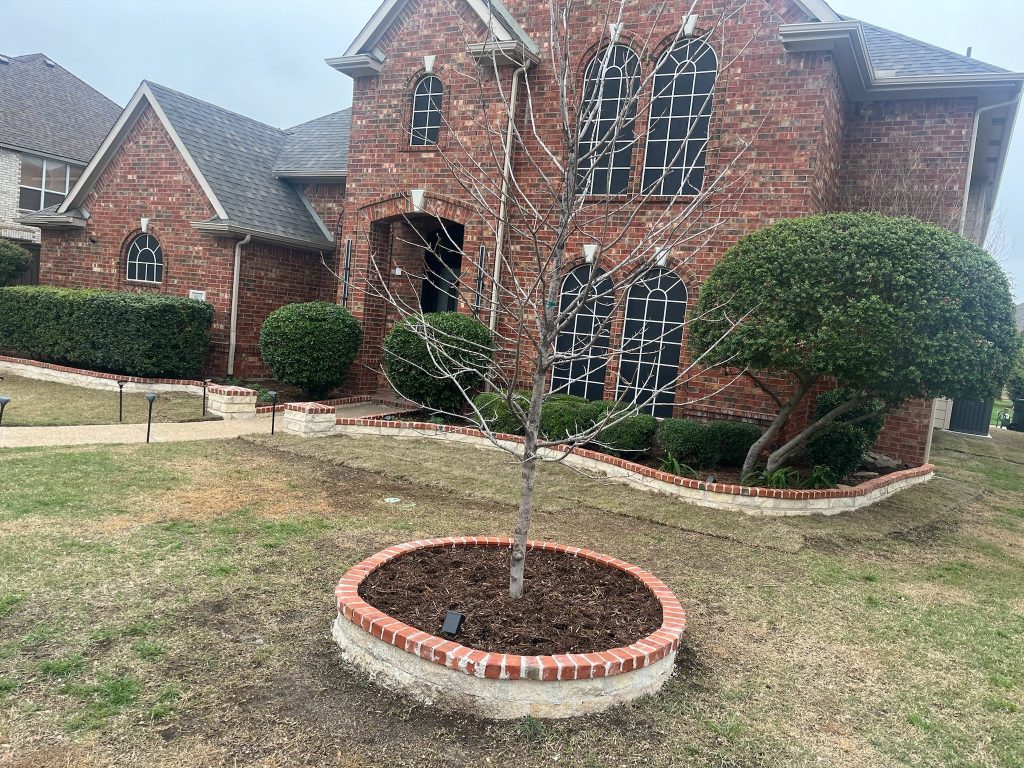
Before you pick up clippers, take a quick walk-through of your yard. Identify which plants are growing past their intended lines, which ones are already dense, and which areas are near irrigation heads, walkways, or low-hanging lights. This prevents accidental damage and helps you choose the right trimming approach for each shrub type.
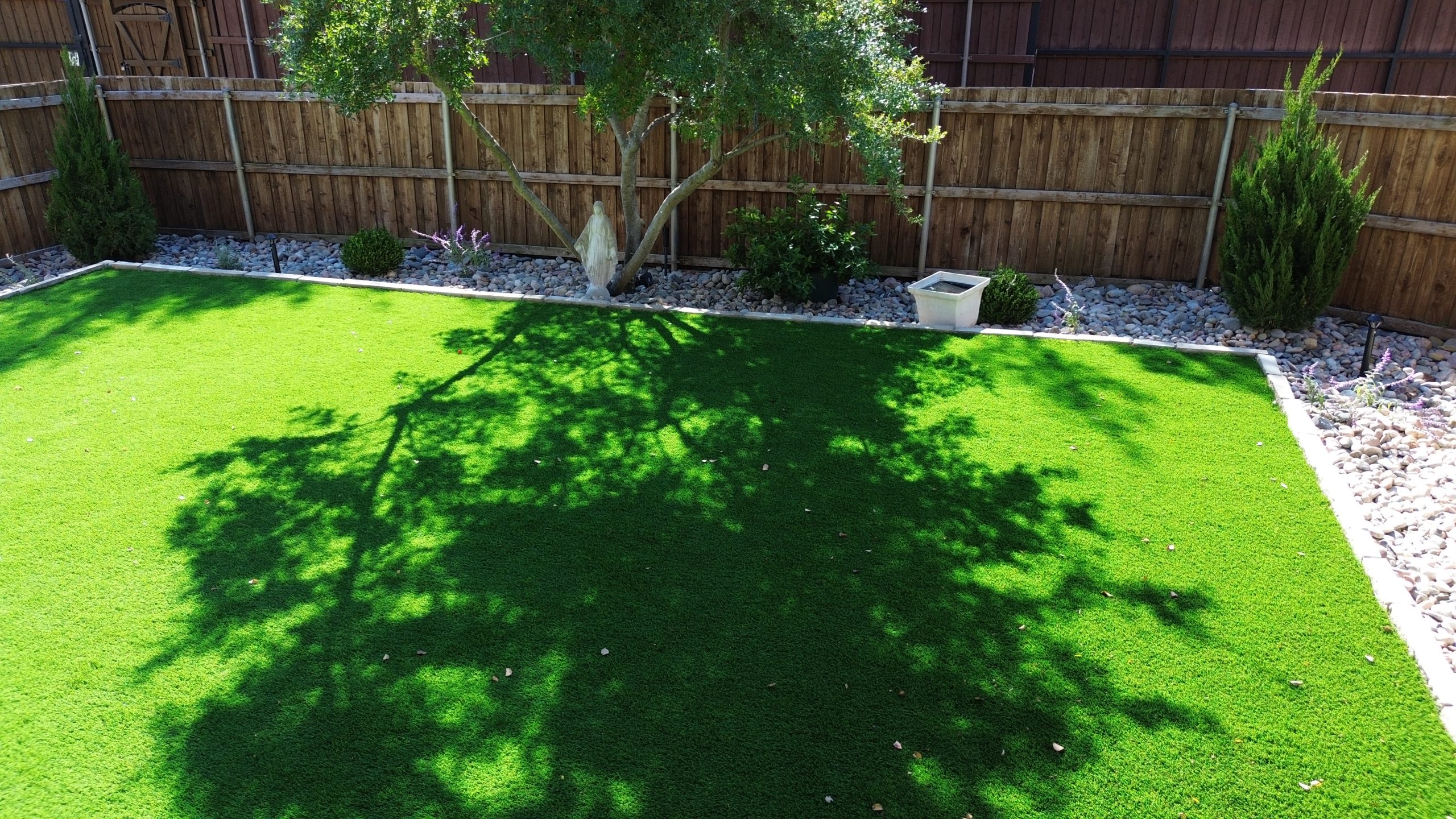
Also check your edges and boundaries. If your landscaping is bordered by hardscape like pavers or a walkway, trimming frequency usually increases because plants will naturally “reach” for open space. If you are planning broader landscape improvements, you can coordinate trimming with new work such as landscape installation so the final lines stay sharp longer.
Growth speed
Fast growers need more frequent light trims. Slower plants do better with fewer, more deliberate shaping sessions.
Proximity to hardscape
If shrubs are near driveway edges, pathways, or fence lines, plan for more consistent upkeep to maintain clean borders.
Irrigation timing
Trimming and irrigation work often overlap. Check for sprinkler coverage before you lock in a schedule for landscape maintenance.
Main Things Customers Should Understand
In Plano, TX, trimming schedules are rarely “one size fits all.” They depend on plant growth habits, how much sun and shade your yard gets, and whether irrigation is keeping soil consistently moist. The goal is to stay ahead of overgrowth while avoiding heavy pruning that can set plants back.
Professional observation: For many yards, the best-looking results come from smaller, more frequent trims that maintain shape instead of big corrections after months of growth.
Here is a helpful way to think about timing for common trimming needs:
| Plant or area | Typical trimming rhythm | What “done” looks like |
|---|---|---|
| Hedges and formal shrub lines | Light trims every 4 to 6 weeks during active growth | Straight lines, consistent height, and no creeping into edges |
| General shrub trimming | About 1 to 2 times per season, with spot touch-ups as needed | Clean silhouettes without exposing bare interior growth |
| Hedge or shrub “cleanup” after being behind | Start with a controlled cleanup, then return for follow-up shaping | Reduced bulk first, then refined form once plants rebound |
| Border edges near walkways | Often needs the most frequent attention | Clear sightlines and no branches brushing people or surfaces |
If your yard includes lawn areas that need attention alongside trimming, staying consistent helps both zones. For example, lawn care maintenance and trimming schedules can be coordinated so you are not repeatedly driving back to the same areas. That coordination is especially useful when you have a mix of shrubs, turf, and hardscape.
Why This Matters in Plano, TX
Plano weather cycles can make landscape growth feel unpredictable, and the yard can go from “fine” to “needs trimming” faster than expected. In practice, that means many homeowners in Plano end up trimming more often during warmer, active-growing stretches, then easing off as growth slows. Keeping shrubs sized to their intended space also protects nearby hardscape and improves curb appeal along driveways, patios, and pathways.
If you have irrigation running on a regular schedule, trimming frequency can also be influenced by how consistently your plants are getting water. When irrigation is off or coverage is uneven, shrubs can grow differently across the yard. Working with an experienced team for sprinkler system installation and irrigation can help stabilize growth patterns, making your trimming schedule easier to predict.
Common-sense recommendation: If you can see the lines getting blurry in less than a month, your current trimming interval is likely too long for your yard’s growth rate.
Common Mistakes to Avoid
Trimming mistakes often create extra work later. The most common issues are not about effort, they are about timing and technique. Here are a few to watch for in your Plano landscape.
- Trimming too aggressively in one session when plants are already stressed or overgrown.
- Waiting until shrubs are fully out of bounds, then trying to “correct” everything at once.
- Ignoring the edges near pathways and driveways, which leads to branches rubbing surfaces and looking unkempt.
- Trimming without checking irrigation heads and sprinkler coverage, which can lead to uneven growth and inconsistent results.
- Cutting with no plan, especially on hedges, which can remove dense growth and create gaps.
One firsthand-style industry observation we see often: homeowners who trim only once or twice per year tend to remove more bulk each time, and that can leave plants looking flatter or less full until the next growth cycle. A lighter, steadier approach usually maintains the shape customers expect.
Customer Checklist
Use this checklist to decide whether you need trimming now and what to plan next. It is designed for busy homeowners and property managers who want a yard that looks intentional, not overgrown.
- Walk the perimeter and note which areas are encroaching on sidewalks, patios, or driveway edges.
- Check hedge height and line consistency from the street and from the main entry.
- Look for thin spots inside shrubs that may indicate you cut too hard during a previous trim.
- Confirm irrigation is functioning normally so plant growth stays predictable between trims.
- Decide if you need a light touch-up or a cleanup plus follow-up shaping.
- Set a realistic interval based on your growth speed, not just the calendar.
Representative Scenario
Imagine a Plano homeowner who trimmed once in early spring, then postponed follow-ups during summer. By mid-season, the hedge along the front walk has grown wider, and a few branches are brushing the pathway. Instead of cutting everything down to “last year’s size,” the homeowner schedules a controlled trim to restore straight lines, then plans a second lighter pass later to refine the silhouette. The yard looks crisp again without causing unnecessary stress to the plants.
Need help setting a trimming rhythm for your yard?
If you want a maintenance plan that fits your plants and your layout in Plano, TX, Plano Landscaping Company can help you coordinate trimming with the rest of your landscape care. Start with a quick conversation so we can review what is growing fastest and where the edges are slipping.
Call Plano Landscaping CompanyFrequently asked questions
These answers focus on practical homeowner questions about landscape trimming frequency and how to keep shrubs looking their best.
How often should I trim shrubbery in Plano, TX?
Many yards do well with light trimming every 4 to 6 weeks during active growth, especially for hedges and formal shrub lines. Slower-growing shrubs can often be handled with fewer shaping sessions, plus occasional spot touch-ups when plants start to drift toward sidewalks, patios, or fence lines. The most reliable rule is to trim based on how quickly the plant grows and how soon it loses its intended shape.
Is it better to trim more often or prune harder?
In most cases, smaller trims done consistently are easier on plants and usually look more natural. Pruning harder less frequently can remove more dense growth at once, and it may take longer for the shrub to fill back in. If you are behind, start with a controlled cleanup and plan a follow-up shaping session rather than trying to fix everything in a single day.
What should I trim first: hedges, shrubs, or lawn edges?
Start with anything that is affecting clean lines right now, such as hedges and shrubs that are creeping into pathways or driveway edges. Then address border edges and any areas where plants are interfering with walkways. If your yard includes lawn care needs, coordinating trimming with lawn care maintenance can reduce repeat visits and keep the overall look consistent.
Can irrigation issues change how often trimming is needed?
Yes. When irrigation coverage is uneven, some areas can grow faster than others, which makes trimming feel inconsistent. Stabilizing watering patterns helps shrubs grow more evenly, so your maintenance interval is easier to manage. If you suspect certain sections are over- or under-watered, it is worth discussing irrigation adjustments, including sprinkler system installation and irrigation checks.
What if I have old landscaping removal before trimming?
If plants are severely overgrown or you are changing the layout, it may be smarter to start with removal rather than trying to reshape everything. After landscape removal, you can plan fresh lines and then maintain them with a predictable trimming schedule. This approach tends to produce cleaner long-term results.
Ready to keep your landscape looking sharp?
When trimming is scheduled around your yard’s actual growth, maintenance feels simpler and your curb appeal stays consistent. If you are in Plano or throughout Collin County and want a plan you can stick to, contact Plano Landscaping Company today.
Explore Landscaping Services
About Plano Landscaping Company
Plano Landscaping Company provides professional landscaping services for homeowners and property managers in Plano, TX and across Collin County. From landscape installation and lawn care maintenance to irrigation and outdoor hardscape work, we help local properties stay clean, shaped, and easy to maintain.