
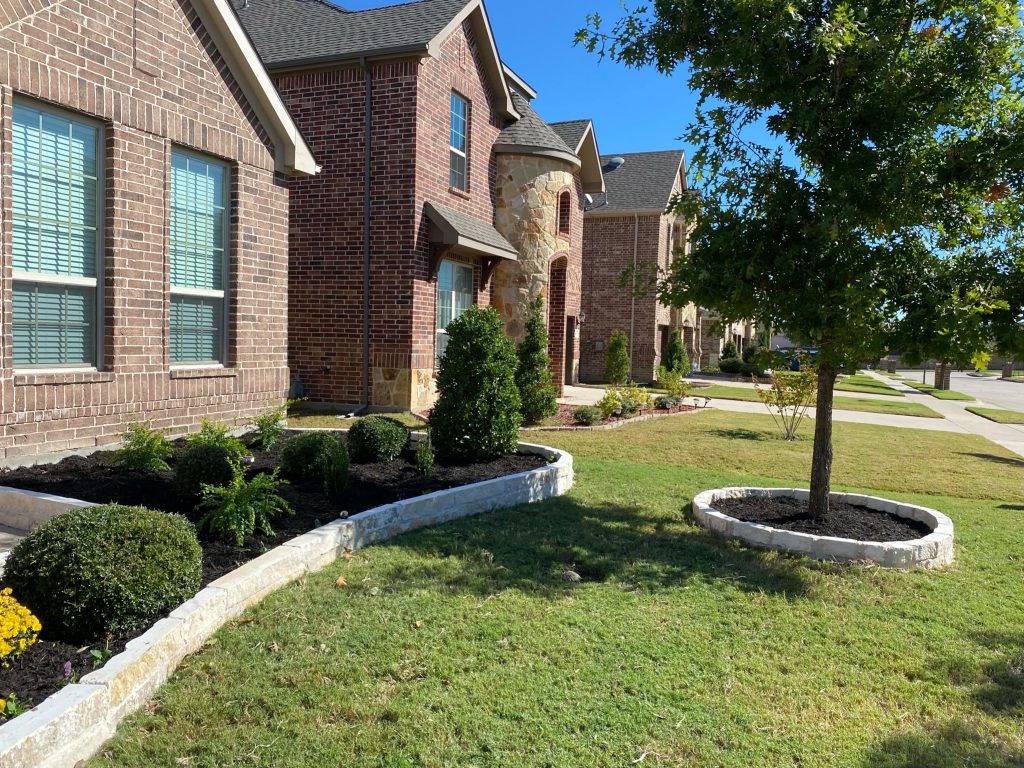
Modern Landscape Installation Ideas That Feel Effortless in Plano (Without the Headaches)
Last summer, a homeowner in Plano called because their “nice-looking” front yard turned into a maintenance routine. The layout looked fine in the photos—but within a few months they were dealing with uneven surfaces, patchy growth, and sprinklers that didn’t cover where plants actually lived. The kicker? They’d already spent money once, and the second round was supposed to “fix it.”
That’s what we try to prevent at Plano Landscaping Company. When we plan a landscape installation in Collin County, TX, we focus on the details that make a yard feel easy to own: clean layout, correct drainage, smart materials, and installation choices that hold up in local heat and seasonal swings. Below are practical, modern installation ideas that feel effortless—because they’re built on the foundation that matters.
Quick Answer
“Effortless” modern landscaping usually comes down to four things:
1. A layout that matches how people use the space (not just what looks good).
2. Proper drainage and soil setup so plants and hardscapes don’t fail early.
3. Low-maintenance materials and edges that stay clean and crisp.
4. A reliable irrigation plan so you’re not overwatering, underwatering, or constantly adjusting.
If you want, you can start with a simple audit: where water goes after rain, what’s already struggling, and what parts of the yard you actually touch weekly (mowing, trimming, weeding, hose work).
Plan the Layout Like a Project, Not a Decoration
Modern landscapes look clean because the design decisions are deliberate. From our site visits around Plano and nearby communities in Collin County, we keep seeing the same pattern: yards that feel “busy” or hard to manage usually have too many disconnected zones, unclear borders, or plants placed without regard to mature size and sun.
A modern layout that stays easy
- One or two “anchor features”: a patio, pathway, pergola, or a bold planting mass.
- Straightforward circulation: walkways and pathway installation that don’t wander.
- Clear edges: defined transitions between lawn, beds, and hardscape so maintenance stays predictable.
Practical example we see a lot
A common scenario is adding a small paver patio and then trying to “fill in” the rest with random beds. The patio looks great, but the surrounding yard still requires constant trimming and weeding because the edges weren’t planned as part of the system.
A better approach is to treat your patio, pathway, and planting beds as one installation package—so the mowing line, irrigation coverage, and drainage all match the final layout.
If you’re planning a full refresh, it helps to start broad with landscape installation planning, rather than tackling pieces out of order.
What Most Customers Get Wrong About “Effortless” Landscaping
Most people mean well. They just make predictable choices that create ongoing work.
Mistake #1: Ignoring drainage until plants “complain”
In this area, water behavior can change fast—especially after storms. If water pools near foundations, along walkways, or behind retaining edges, plants suffer and hardscape can settle. You’ll end up trying to fix symptoms (more mulch, more fertilizer, more replacement plants) instead of addressing the cause.
We see this often when customers skip a proper base and drainage setup during hardscape or when they add beds without considering where runoff goes.
If your yard needs cleanup first, use landscape removal as a starting point. It’s often the fastest path to a clean slate that makes the “effortless” part real.
Mistake #2: Choosing plants for today, not for five years
Modern doesn’t mean “no plants.” It means fewer, smarter plantings with consistent spacing and maintenance expectations. Overcrowded shrubs become a trimming cycle. Under-planted areas become patchy and require constant patchwork.
We build around:
- mature size,
- sun exposure patterns,
- and how often you’re willing to do shrub trimming.
For lots of homeowners, that means planning for hedge trimming and landscape trimming as a scheduled task—not a constant emergency.
Mistake #3: Treating irrigation as an afterthought
If irrigation doesn’t match the final planting plan, you’ll either overwater lawn and under-water beds—or the reverse. Either way, it increases maintenance and shortens the life of your installation.
If you’re upgrading or installing new water coverage, start with sprinkler system installation so the system is designed around the landscape you’re actually building.
The Local Reality in Plano: Heat, Soil, and Water Flow Matter
Plano landscaping isn’t just about aesthetics. It’s about building something that survives the rhythm of North Texas weather: hot stretches, sudden storms, and seasons that can expose weaknesses fast.
What “effortless” looks like here
- Hardscape bases that don’t shift: patio pavers and pathways should be installed with the right preparation, not just set and hoped.
- Consistent watering zones: beds and turf should not be treated as one uniform area.
- Smart material choices: concrete, pavers, and edging need installation details that prevent premature wear.
If you’re considering turf, the local experience is straightforward: if you want a clean look with minimal mowing, sod installation or new lawn installation can work—just don’t skip preparation. For low-maintenance alternatives, ask about sod installation options and how your soil and drainage will be handled.
And if you’re adding lighting to make your yard feel finished, we recommend planning it during installation—not after. For modern, low-voltage effects, use landscape lighting installation with placement that highlights pathways and key plantings without creating glare.
A Simple Strategy: Build “Effortless” in Layers
When we build modern outdoor living spaces, we don’t think in one-off tasks. We think in layers that connect.
Step-by-step framework (use this on your next consultation)
1. Assess the site first
- Where does water go after a rain?
- What areas stay dry or get sun all day?
- What’s already failing (settling, dead spots, clogged drainage)?
2. Remove what’s in the way
- If old materials are broken or bases are compromised, removal saves money later.
- Use landscape removal when needed.
3. Lock in the hardscape
- Patio installation, pathway installation, and edging create the “frame.”
- Plan for how people will move and where water will drain.
4. Install irrigation aligned to beds
- Separate coverage for lawn and planting areas.
- Add adjustments early so you’re not troubleshooting later.
- Reference: irrigation installation planning.
5. Plant with maintenance in mind
- Fewer varieties, consistent spacing, and realistic trimming needs.
- Decide ahead of time what you’ll prune and how often.
6. Finish with details that prevent future work
- Lighting placement
- clean transitions
- durable surfaces
- and, where needed, drainage solutions.
If you’re considering outdoor living spaces like pergolas, pathways, or privacy boundaries, build those into the timeline from the start. For example, pergola installation works best when it’s integrated with the patio base and lighting plan—see pergola installation for how that typically comes together.
DIY vs Professional: Where “Effortless” Usually Breaks
A lot of homeowners try to save money by DIY-ing parts. Sometimes that works. But for modern installation, the “effortless” outcome depends on the invisible work—subgrade, base prep, correct slopes, and irrigation coverage.
| Area | DIY attempt | What goes wrong most often | Professional outcome |
|---|---|---|---|
| Patio pavers / pathways | Looks fine at first | Base prep and drainage aren’t consistent | Stable surface with predictable water flow |
| Irrigation | Sprinklers go in “somewhere” | No zoning for beds vs lawn | Coverage matches plant needs, less adjustment |
| Turf / sod | Install quickly | Soil prep and grade issues cause failure | Better establishment and long-term appearance |
| Lighting | Add later | Wrong cable routing and placement | Clean, intentional illumination during build |
This isn’t about gatekeeping—it’s about avoiding the “second project.” In Collin County, where summer heat is relentless, small installation shortcuts tend to show up quickly.
Quick Answer: How Do I Know My Yard Needs a Full Landscape Installation?
If you’re debating whether to repair existing landscaping or start fresh, look for these signs:
- Multiple areas are failing at once (not just one patch).
- Hardscape settles or water pools after storms.
- Irrigation coverage doesn’t match the planting layout you have now.
- You’re replacing plants repeatedly because they don’t establish.
- Edging and borders are breaking down, making maintenance constant.
If several of those are true, a full landscape installation is often the most efficient route. A clean reset lets you rebuild the system—drainage, irrigation, plant layout, and surfaces—so the yard stays easy instead of becoming a recurring project.
Ready to Reduce Maintenance While Upgrading the Look?
If you want a modern outdoor space in Plano that actually feels effortless, start by getting your layout, drainage, and irrigation aligned before you choose materials. Plano Landscaping Company can help you map the plan so the installation supports your day-to-day life—not the other way around.
About the Company
Plano Landscaping Company is a local landscaping team serving Plano, TX and surrounding areas in Collin County. We focus on practical, durable landscape installation—hardscapes, irrigation installation, turf and sod installation, landscape lighting, pathways, patios, pergolas, and yard refreshes—built with the details that keep projects looking sharp and staying manageable over time. If you want a modern look without the constant upkeep, that’s exactly the kind of work we plan and install.