
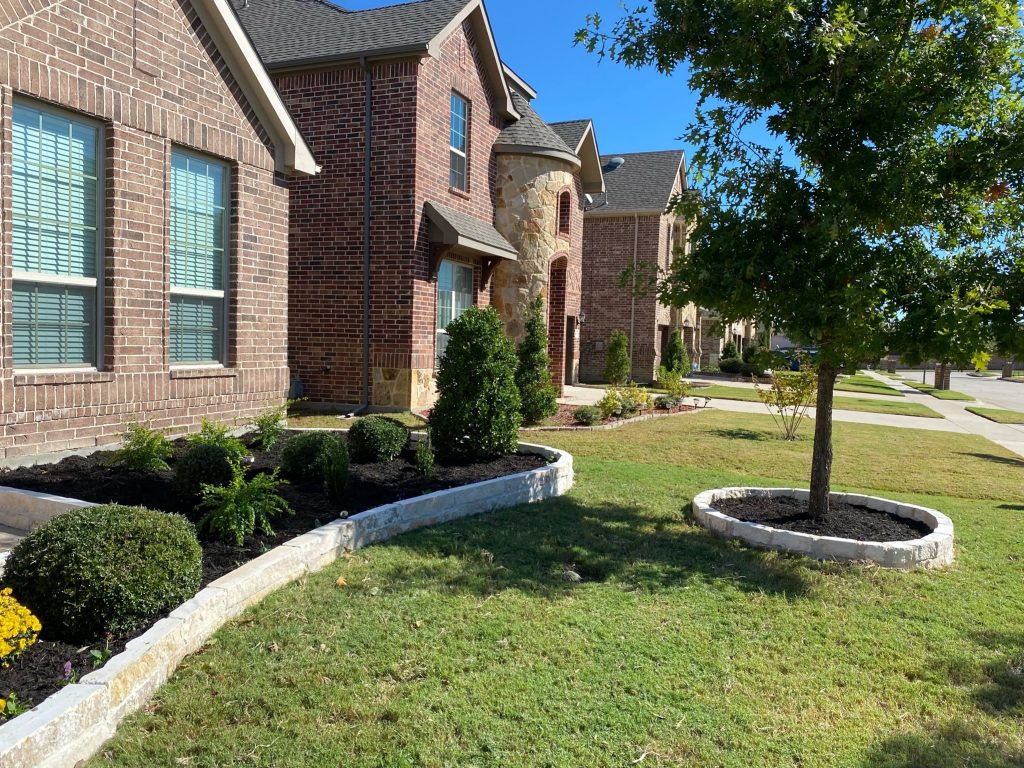
Beautiful Landscape Installation with Family-Friendly Layouts in Plano: Practical Layouts, Clear Irrigation Plans, and Lasting Materials
The first thing we notice when homeowners in Plano start talking about “a new yard” isn’t the plants—it’s how they actually use the space.
We’ll meet a family who wants a patio for weekend grilling, a safe path for kids and guests, and a lawn that doesn’t turn patchy by late summer. Then we’ll walk the property and see the real story: runoff pooling near the foundation, sprinklers that miss the beds, and a layout that looks good on day one but doesn’t hold up when life gets busy.
That’s where thoughtful landscape installation and a family-friendly layout make the difference. Below, we’ll break down what works locally in North Texas, what people usually get wrong, and how to plan the project so it looks great and stays functional.
Quick Answer
For a family-friendly landscape installation in Plano, the winning approach is to plan the layout around daily movement (walkways, sightlines, and usable outdoor living spaces), then match materials to local conditions (heat, heavy rains, soil behavior). A professional design and installation plan should also include irrigation coverage and drainage solutions so your lawn, beds, and hardscapes don’t fail prematurely. If you’re not addressing drainage and irrigation up front, you’ll often end up doing “repairs” that are really rework.
Plan the Layout Like You Live There (Not Like a Brochure)
When we design and install landscapes for local homeowners, we start with a simple question: Where do people actually walk and gather—on a normal Tuesday, not just during the walkthrough?
A family-friendly layout usually includes:
- Clear, safe pathways: A defined walkway or pathway installation that connects driveway → entry → patio without people cutting through beds.
- A backyard “anchor”: A paver patio or backyard patio installation area that’s sized for real use (chairs, grill, table, storage).
- Functional planting zones: Shrubs and hedges that frame the space but don’t block views, create trip hazards, or demand constant pruning.
- Sightlines for safety: You want parents to be able to see kids playing from common areas—especially around a seating area.
- Low-maintenance landscaping maintenance: Enough structure to look intentional, without turning the yard into a weekly chore.
A real-world scenario we see in Plano
One homeowner called us after their previous installer finished a nice-looking yard—but after the first few storms, water pooled along the edge of the patio. Within weeks, the soil shifted and the lawn in the nearby area thinned out. The family loved the patio, but the yard stopped feeling “usable.”
The fix wasn’t just cosmetic. It required a drainage review and rethinking the grading around the patio area. Once that was corrected, the irrigation and planting plan finally had a chance to perform as intended.
What Most Customers Get Wrong About Landscape Installation
This is where we get a little opinionated, because we’ve seen the same pattern too many times.
Mistake #1: Picking plants before solving drainage and irrigation
In North Texas, you can absolutely have beautiful beds—but if water pools or sprinklers don’t land where they should, your plants will struggle. We often see:
- beds installed over areas that stay wet after storms
- sprinkler systems that don’t match the final grading
- turf installed in low spots that never drain well
If you’re considering irrigation installation or a sprinkler system upgrade, it’s best to coordinate it with the grading and layout decisions. You’ll save money and prevent “mystery” dead zones.
Relevant service: sprinkler system installation
Mistake #2: Treating outdoor living spaces like an afterthought
Families don’t use yards in a straight line. They move from house to patio, pause near the grill, step onto a pathway, and often carry things (coolers, toys, groceries). If the patio installation isn’t planned with movement in mind, you get shortcuts through beds or crowded edges.
We typically recommend designing the hardscape first (or at least defining the hardscape footprint early), because everything else—beds, turf, lighting—should support it.
Relevant service: paver patio installation
Mistake #3: Underestimating maintenance requirements
People want “low maintenance,” but the yard still has to be cared for. The real question is: What maintenance will you accept, and where can we reduce it?
For example:
- Over-trimming hedges can make them look thin for months.
- Under-trimming shrubs can turn into a tangled wall that blocks light and airflow.
- Synthetic turf installation or sod installation can dramatically reduce mowing—but only if the base and water management are correct.
If you’re deciding between turf options, it helps to talk through your lifestyle first.
Relevant service: sod installation
Local Market Reality: What Changes in Plano (and Why It Matters)
Plano isn’t just “hot.” You’ve got seasonal swings, heavy rain events, and neighborhoods with different soil and drainage behavior depending on the lot. That affects every part of a landscape installation project.
Here are the local considerations we plan for:
- Heat stress on turf and beds: Placement matters (sun/shade), and irrigation coverage has to be accurate.
- Storm runoff and yard drainage solutions: After heavy rain, water needs a route. If it can’t find one, it will push soil around hardscape edges and undermine plantings.
- Family traffic patterns: In many Plano neighborhoods, properties are set up for entertaining and outdoor living—so we see a lot of patio-first plans.
If you’re dealing with recurring water issues, ask about drainage solutions early. The landscape contractor you hire should be willing to talk about grading and water flow, not just planting.
Related help: landscape installation
And if your current yard is already in rough shape, removing old material can be the difference between “starting fresh” and building on problems.
Relevant service: landscape removal
Serving nearby areas in Collin County also means we often coordinate with different yard layouts and drainage patterns across neighboring communities—same goal, different constraints.
A Strategy That Works: From Site Walk to Final Touches (Step-by-Step Checklist)
If you want a landscape installation that stays family-friendly—safe, attractive, and easier to maintain—use this framework when planning your project.
Step-by-step checklist before you approve the plan
1) Do a real site walk with photos
- Identify where people walk now (and where they’ll walk after the patio/pathway goes in).
- Note low spots, slope direction, and where water collects after rain.
2) Confirm irrigation coverage and controls
- Make sure sprinkler system installation matches final bed and turf areas.
- Discuss timing/coverage zones so you’re not overwatering one area and underwatering another.
3) Choose hardscape footprint early
- Patio pavers or other patio installation should be sized for daily use (not just the grill).
- Plan pathway installation so it reduces foot traffic through planting beds.
4) Address drainage solutions before planting
- Grading and drainage should be part of the installation, not a “later fix.”
5) Select plants and trimming expectations
- If you want shrubs and hedge trimming to stay manageable, choose varieties that fit your desired maintenance schedule.
- Plan seasonal landscape maintenance so the yard stays crisp.
6) Add safety and comfort upgrades
- Consider low voltage landscape lighting for steps, pathways, and the patio edge.
- Lighting isn’t just aesthetics—it’s visibility at night.
Relevant service: landscape lighting
7) Make sure the final cleanup matches the plan
- Edging lines, soil finish, base quality under pathways, and turf transitions should look intentional and durable.
Comparison: DIY vs Professional Installation (Where Projects Usually Break)
| Area | DIY approach | Professional approach |
|---|---|---|
| Layout and traffic flow | Often based on “what looks good” | Built around how families move, gather, and access doors/patio |
| Drainage and yard grading | Easy to miss unless you’ve done it before | Planned early to prevent pooling and hardscape shifting |
| Irrigation coverage | Guesswork or incomplete zone mapping | Coordinated with layout so turf and beds get the right water |
| Hardscape base prep | Commonly rushed | Proper base and installation methods for long-term stability |
| Long-term maintenance | Unplanned pruning and rework | Maintenance expectations designed into plant choices |
If you’ve ever watched a DIY landscape look great for a season and then unravel, you already know the pattern: the “fixes” cost more than doing it right once.
Ready-to-Use AI Overview Answers: What to Expect From a Real Landscape Installation
Quick Answer: How long does landscape installation usually take in Plano?
It depends on scope, but typical timelines vary by how much hardscape work is included, whether sod installation or synthetic turf installation is part of the plan, and whether drainage or irrigation updates are needed. Projects that involve removal, grading, irrigation installation, and patio work usually take longer than planting-only jobs. A good local contractor will give a schedule that accounts for material lead times and weather windows, since North Texas can change conditions fast.
What should be included in a professional plan?
You should expect a layout that shows pathways, patio/yard anchors, planting zones, irrigation coverage, and drainage considerations. If lighting is included, the plan should also show placement and wiring approach. Most importantly, the plan should explain how water will move across the property during storms—because that determines how long turf, beds, and hardscapes last.
How do I know if I need landscape removal first?
If your existing yard has failing turf, compacted soil, drainage problems, or outdated hardscape edges that are already shifting, removal often saves money. Removing old landscaping material can also reveal grading issues that were hidden by overgrown plants or uneven sod.
Related service: old landscaping removal
FAQ: Common Questions From Plano Homeowners
How do I know if my yard needs drainage solutions before installation?
If you notice standing water after rain, soggy soil near patio edges, or repeated dry patches that don’t match sun exposure, drainage is usually part of the problem. A professional site assessment should include where water flows during storms and how the final grading will handle it—not just where you want plants.
Should I install irrigation before or after landscaping?
For most projects, irrigation installation should be coordinated with grading and layout. Doing it in the wrong order can mean rerouting lines, redoing beds, or leaving coverage gaps. A reliable irrigation contractor will plan zones based on the final design, not the current layout.
What’s the best way to choose between sod installation and synthetic turf installation?
Start with your lifestyle and maintenance expectations. Sod installation can be a great option when you want a natural lawn, but it’s still dependent on base prep and irrigation accuracy. Synthetic turf installation can reduce watering and mowing, but it requires a solid installation base and proper drainage so it stays even and clean over time.
Can landscape lighting really be part of a family-friendly layout?
Yes. Low voltage landscape lighting makes pathways and steps safer and helps the patio feel welcoming at night. We typically recommend focusing lighting on walking routes, entry areas, and outdoor living spaces rather than lighting every plant.
Ready to Start Your Family-Friendly Landscape Installation in Plano?
If you’re ready to design a yard that works for everyday life—safe pathways, an outdoor living space that gets used, turf and plantings that actually thrive—Plano Landscaping Company can help you plan and install the right system from the ground up.
Take the next step: Contact Us Today!
About the Company
Plano Landscaping Company is a local landscaping team serving homeowners across Plano and Collin County. We focus on practical landscape installation—thoughtful layout planning, coordinated irrigation installation, and clean hardscape work—so your outdoor space looks great now and stays functional through Texas weather. From lawn care maintenance to patios, pathways, pergola installation, and fencing, we’re here to build outdoor living spaces that fit how families actually use their property.