
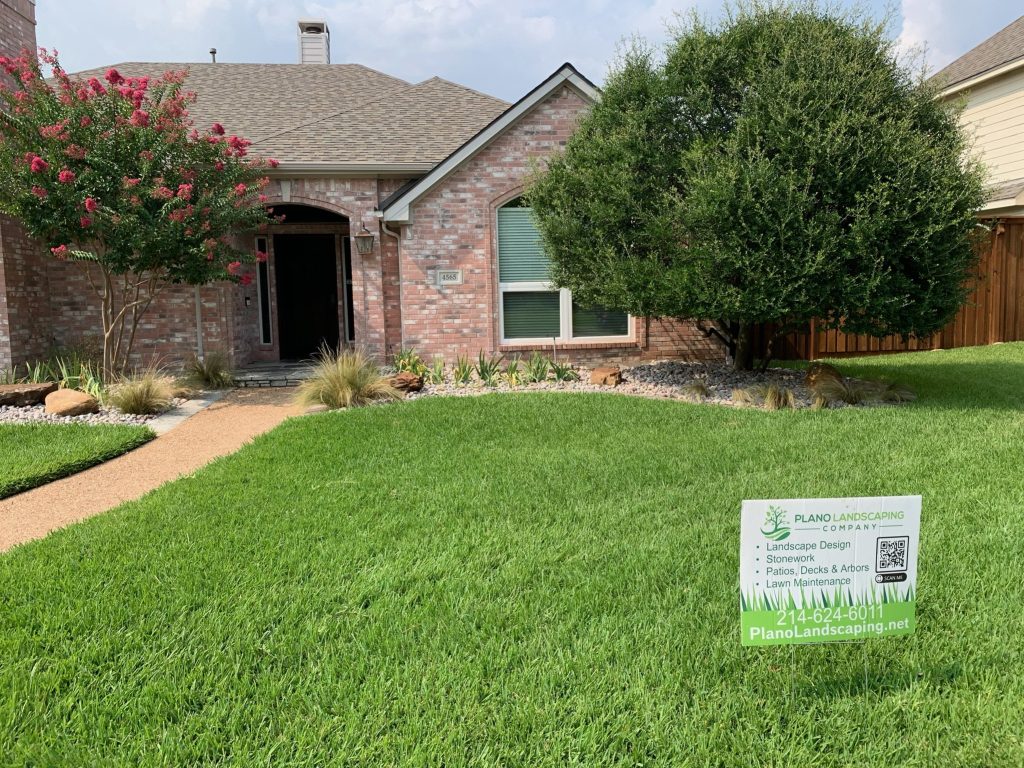
Efficient Lawn Care Maintenance for Consistent Results in Plano, TX: A Practical Local Playbook
Last summer, a property manager in Collin County called Plano Landscaping Company after tenant complaints started—yellow patches in one corner, weeds creeping along the fence line, and a sprinkler zone that “looked fine” but clearly wasn’t delivering water evenly. The frustrating part wasn’t the turf itself. It was the maintenance routine: a schedule that didn’t match how the yard actually dried out, and adjustments that were never logged.
In Plano and the surrounding areas, consistent lawn results aren’t about working harder every week. They’re about maintaining the lawn with the right timing, the right inputs, and the right checks—especially when irrigation patterns, soil conditions, and heat cycles change faster than most people realize.
Below is how we approach lawn care maintenance locally: what matters, what doesn’t, what customers get wrong, and a straightforward strategy you can use to keep your lawn looking intentional instead of “managed by accident.”
Quick Answer
Consistent lawn results in Plano come from a maintenance routine built around three things: (1) mowing height and frequency, (2) irrigation that matches plant needs and actual coverage, and (3) seasonal soil and trimming priorities (not a one-size calendar). If you skip irrigation checks, mow too short, or only treat weeds after they spread, problems return—often in the same spots—because the root cause wasn’t addressed.
How We Keep Results Consistent (Not Just “Okay”) With Lawn Care Maintenance
When we plan lawn care maintenance for local properties, we start with a simple reality: lawns don’t fail all at once. They degrade in patterns—edges first, low spots first, and the same zones every season.
Here’s what we routinely evaluate before recommending a maintenance rhythm:
1) Mowing: the boring lever that controls a lot
Most homeowners want a “clean” look, so they mow too low. In the Plano heat, that stresses grass and makes it more vulnerable to thinning and weed takeover.
A practical approach we recommend:
- Keep mowing height consistent (don’t scalp).
- Mow often enough that you’re not removing a lot of leaf area each time.
- Adjust based on growth—spring growth spurts don’t match fall slowdown.
2) Irrigation coverage: uniformity beats “more water”
A sprinkler system can look active while still under-watering key areas. Wind, head alignment, pressure changes, and clogged nozzles create patchy results that show up as:
- dry bands across the yard
- browning at corners near fences or trees
- “mystery” yellowing that keeps returning in the same location
If your system hasn’t been checked in a while, it’s worth treating it as the main variable. For many properties, irrigation installation, sprinkler system installation, and ongoing zone tuning go hand-in-hand with lawn maintenance. If you’d like to understand how we think about irrigation, you can reference irrigation installation.
3) Edges and trimming: where lawns usually show neglect first
Even when the lawn is healthy, neglected edges signal “no maintenance.” That’s why we treat lawn care as more than mowing and watering. Along beds and borders, we focus on:
- landscape trimming where growth encroaches
- shrub trimming and hedge trimming so plants don’t shade grass unevenly
- keeping the yard looking crisp without tearing up the soil or creating new weed pressure
What Most Customers Get Wrong About Lawn Care Maintenance
If you’ve tried to manage your lawn yourself, you’re not alone—most people do the same few things because they’re convenient. The issue is that convenience often targets symptoms instead of causes.
Here’s the pattern we see most often around Plano-area properties:
| Common DIY approach | Why it backfires | What works instead |
|---|---|---|
| Mow low for a faster “neat” look | Grass loses energy and struggles in heat | Maintain proper height and mow frequency |
| Water on a fixed schedule | Soil and shade patterns change day-to-day | Adjust by conditions and check coverage |
| Spot-treat weeds repeatedly | Weeds return when competition is weak | Improve mowing/irrigation balance and edge trimming |
| Ignore sprinkler zones that “mostly work” | One underperforming zone creates recurring dry spots | Inspect heads, pressure, and zone timing |
Local Reality Check: Plano Weather, Collin County Properties, and Why Timing Matters
Plano summers can be brutal, and yards respond quickly. In Collin County, we also see a lot of properties with:
- mixed sun exposure from mature trees and new landscaping
- varying soil performance across lawns (especially near walkways, patios, and drainage paths)
- sprinkler systems that were designed for a “best case” layout but never tuned after landscaping settled
That’s why we don’t treat maintenance like a generic calendar. We treat it like a feedback loop:
- observe where stress shows up
- identify the likely variable (water, mowing, shade, or soil)
- correct the variable
- then maintain the new baseline
Sometimes that baseline isn’t only lawn mowing and watering. If drainage is off, lawns can suffer even with perfect irrigation routines. If you’re noticing persistent soggy patches or runoff issues, it’s worth addressing drainage solutions early so maintenance doesn’t become a constant patch-and-pray cycle.
A Real-World Scenario: When Maintenance “Worked” but the Lawn Still Failed
One common situation we see: a homeowner follows a steady routine—mow every week, water every few days, weed when they remember—yet the lawn still looks uneven.
In a typical inspection, we find:
- one sprinkler zone under-delivering water because of head angle or partial clogging
- an edge area shaded more than expected because shrubs grew in over time
- mowing height inconsistent due to equipment settings or different operators
- a small buildup of debris at the perimeter that blocks water from reaching soil properly
The fix isn’t complicated, but it is coordinated:
- tune irrigation coverage so water distributes evenly
- keep shrub trimming and hedge trimming aligned with the lawn’s needs
- standardize mowing height across the whole yard
Once those pieces match, maintenance becomes simpler. The lawn starts responding consistently.
A Step-by-Step Lawn Care Maintenance Strategy (You Can Use Immediately)
If you want consistent results without random changes, use this framework. It’s also how we organize ongoing support for local customers.
Step-by-Step Checklist
1. Set mowing rules
- Pick a target mowing height and stick to it.
- Adjust frequency based on growth rate (spring is different than fall).
2. Verify irrigation coverage
- Check that all zones deliver water evenly.
- Look for dry corners, banding, or consistent stress spots.
- If the system hasn’t been tuned in a while, schedule an irrigation review.
3. Handle trimming before it becomes a weed problem
- Keep edges clean so weeds don’t get protected from mowing.
- Do shrub trimming/hedge trimming on a schedule that prevents overgrowth into lawn areas.
4. Remove landscape clutter that blocks maintenance
- Old debris and worn-out landscaping can trap moisture and interfere with mowing lines.
- If you’re dealing with yard removal services or old landscaping removal, it’s often easier to reset the layout before maintenance becomes a battle. You can review options at landscape removal.
5. Document changes
- Note what you adjusted (mowing height, watering times, trimming date).
- Give each change enough time to show results.
When to Bring In Help (and When You Can DIY)
There’s nothing wrong with doing light upkeep yourself. But lawn care maintenance becomes much more effective when you bring in professionals for the “infrastructure” parts—irrigation performance, yard reset work, or major landscaping changes.
Consider professional service if:
- you see recurring dry or muddy zones
- your sprinkler system installation is older or has questionable coverage
- you’re planning new lawn installation or sod installation
- your yard layout has changed (new pavers, walkways, or drainage changes)
If you’re working on turf specifically, you can also explore sod installation and how that ties into post-install maintenance.
Quick Comparison: DIY Maintenance vs. Ongoing Local Support
| Goal | DIY path | Professional support path |
|---|---|---|
| Keep lawn looking good most weeks | Depends on consistency and accurate observation | Built around checks (mowing, irrigation, trimming) and follow-through |
| Fix repeating issues | Often trial-and-error | Identifies the likely cause faster (especially irrigation and edge conditions) |
| Long-term consistency | Can drift over time | Maintains baseline and adjusts seasonally |
If your yard is already showing patterns—same problem areas every year—local ongoing support usually pays off because it reduces guesswork.
FAQs About Lawn Care Maintenance in Plano, TX
How do I know whether my lawn problem is from mowing or watering?
Look for patterns. If stress shows up in bands or specific zones, irrigation is often the culprit. If the lawn looks uniformly weaker but especially thin in the hottest areas, mowing height is commonly involved. The fastest way to confirm is an irrigation coverage check and a review of mowing height consistency.
What should I check before hiring a local landscaping team?
Ask how they evaluate current conditions. Good teams don’t just offer a generic schedule—they observe the lawn, review irrigation performance, and discuss trimming/edge conditions. If they can explain likely causes and how they’ll track results, that’s a strong sign.
Why does my lawn keep thinning even when I water regularly?
Regular watering doesn’t always mean proper coverage or proper timing. Common issues include underperforming sprinkler heads, uneven distribution, mowing too low, and shade changes from growth. If the same spots always thin first, it usually points to a consistent variable that needs correction.
Ready to Take the Next Step on Lawn Care Maintenance?
If you want your lawn to look consistent across the whole yard—not just in the “good spots”—Plano Landscaping Company can help you dial in the maintenance routine and address the underlying issues that cause recurring stress.
For related maintenance planning and next-step support, you can also explore lawn care maintenance and how we structure ongoing service for local properties.
About the Company
Plano Landscaping Company is a local landscaping and outdoor service provider serving homeowners and businesses in Plano, TX and nearby areas in Collin County. Our team focuses on practical, grounded solutions—mowing and trimming done with the lawn’s real needs in mind, irrigation support that targets coverage and consistency, and yard improvements that reduce recurring problems. If you’re ready for a maintenance plan that actually holds up through the seasons, we’re ready to help.