
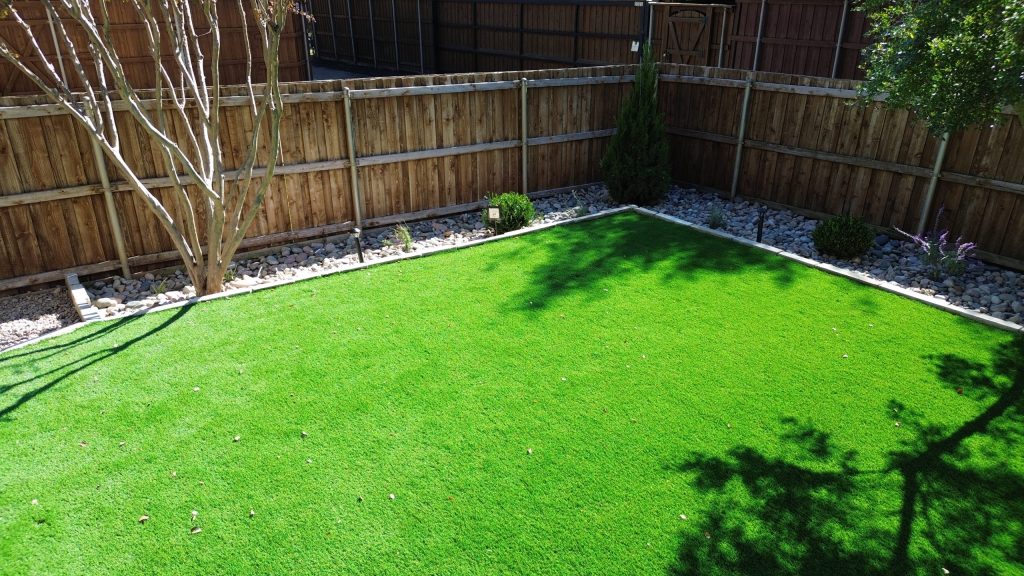
Sod Installation Planning for Plano, TX Yards: How to Get Strong Root Establishment (and Keep It)
The phone calls we get in Plano usually start the same way: “We laid sod last week, and now it’s drying out,” or “It won’t seem to blend in—there are gaps everywhere.” Most of the time, it isn’t that the sod was “bad.” It’s that the planning missed a few key steps—especially the ones that matter in North Texas heat and soil conditions.
In this guide, Plano Landscaping Company will walk you through what we look at before we ever roll out turf, how to plan timing, prep, and irrigation so the roots grab quickly, and what to avoid if you want a lawn that holds up through summer and recovers after stress.
Quick Answer
Strong root establishment starts before the sod touches the ground. The biggest drivers are:
- Proper soil prep (grading, removing debris, correct soil contact)
- Right timing (install when temperatures and watering are manageable)
- Consistent irrigation during establishment (enough moisture for roots to anchor)
- Fast, tight seams and good edge contact (so the turf doesn’t dry from the edges)
- Ongoing early-care (light mowing schedule, no heavy foot traffic)
If any one of those is off, the lawn can look fine for a few days and then weaken once the top layers dry out.
What Actually Matters for Root Establishment (Beyond “Lay It and Water It”)
Sod is basically a living system. When it’s installed, the grass is still relying on stored energy while it grows new roots into your soil. That “bridge” period is short—typically the first couple of weeks—so planning has to support that window.
1) Soil contact is non-negotiable
If sod sits on top of uneven soil, compacts poorly, or rests on leftover debris, the roots struggle to penetrate and anchor. In our inspections across Plano and nearby Collin County communities, the most common “failure look” is uneven turf that dries first in patches or along seams.
What we check:
- Is the grade correct (slopes away from structures)?
- Did all old vegetation and waste get removed?
- Is the bed firm enough to prevent settling, but not rock-hard?
- Do we have consistent soil depth and texture under the sod?
If you also need a full reset, it helps to plan removal and cleanup first. Many homeowners underestimate how much leftover material affects installation. If you’re planning a full refresh, see landscape removal for what to expect during prep.
2) Timing in Plano’s heat is a real factor
North Texas summer heat can turn a “normal” establishment period into a stressful one. Even if you water correctly, sod can lose moisture faster than roots can replace it if you install at the wrong time of day—or if delivery and installation run long.
Our practical rule: install when you can control the process end-to-end:
- sod arrives and goes down quickly
- irrigation is operating correctly immediately after install
- you can monitor moisture without delays
If you already have irrigation, plan a quick test and coverage check before installation day. If you don’t, or you need upgrades, pairing sod with irrigation planning usually saves money in the long run. This is where sprinkler system installation can make a noticeable difference.
3) Watering plan: consistent beats “more”
A lot of people think the answer is simply watering more often. Sometimes that backfires by creating soggy pockets or encouraging surface rooting instead of deeper anchoring.
During establishment, the goal is to keep the sod in contact with moisture long enough for roots to grow. That typically means:
- frequent watering at first (enough to keep the sod edges from drying)
- then gradually shifting toward longer cycles with less frequency as roots establish
If you do want help aligning watering with your layout, irrigation coverage, and schedule, the team at Plano Landscaping Company can support with planning and setup. You can also explore lawn care maintenance to understand what changes after establishment.
4) Edges and seams are where lawns fail first
Edges dry faster because they’re exposed and often have slightly different contact to the soil underneath. Seams can also lift if the base wasn’t firm.
What we do to prevent that:
- tight seam placement
- trimming so edges contact the soil (not air)
- firming the sod contact as we go
This is also why we discourage “we’ll fix it later” approaches. Once edges start drying, you can lose root progress quickly.
Our Take After Working With Local Customers: The Mistakes We See Most Often
In Plano, we’re not guessing—we’re seeing patterns. Here are the planning errors that most often lead to weak rooting or patchy decline:
Mistake #1: Skipping soil prep because “the sod will cover it”
Sod covers the surface, not the problems beneath it. If there’s compacted soil, uneven grade, or leftover organic material, roots can’t do their job.
Mistake #2: Installing before irrigation coverage is verified
If irrigation heads don’t rotate correctly, if coverage misses corners, or if pressure is low in certain zones, you’ll get uneven establishment. Uneven moisture creates uneven rooting.
Mistake #3: Waiting too long to adjust watering after installation
Watering schedules shouldn’t stay static. Once roots begin anchoring, you typically reduce frequency and increase depth to encourage stronger rooting. Keeping sod “constantly wet” can also create other issues.
Mistake #4: Heavy foot traffic and early mowing pressure
Even if the lawn looks rooted, it often isn’t. We recommend limiting traffic during establishment and using a cautious mowing schedule based on how the turf is taking hold.
Mistake #5: Treating sod like a one-day project
Sod is installed in a day, but establishment is a multi-week process. Planning needs to include what happens after the last roll is down.
How This Plays Out in Plano and Collin County
Plano lawns deal with the same big constraints most homeowners and property managers in the region face:
- Hot, fast-drying conditions during peak summer
- Seasonal swings that can stress new turf
- Busy property schedules (kids, events, pets, maintenance crews)
- Different lot layouts—from shaded yards to south-facing lots that bake all afternoon
We also see that homeowners in Collin County often want their landscaping to look complete quickly. That’s fair—but sod establishment should still be treated as its own phase. If you’re coordinating other hardscapes, it matters. For example, if you’re adding patios or pathways soon after installation, plan walk routes and protection so you don’t compact fresh soil or break sod edges. You can review related work like pathway installation or paver patio installation when coordinating timelines.
And if you’re building out a full yard refresh, it helps to plan the sequence: removal and grading first, irrigation next, sod last—then finishing touches.
A Simple Establishment Planning Framework (Use This Before Installation Day)
Here’s a practical checklist we use to keep projects on track and root establishment strong.
Step-by-Step Checklist
1) Confirm your installation window
- Choose a period when you can keep watering consistent
- Plan installation around weather (heat spikes and unexpected storms)
2) Assess and prepare the soil
- Remove old vegetation and debris
- Verify grade and drainage so water doesn’t pool or run off too fast
- Loosen and firm the bed appropriately for sod contact
3) Plan irrigation coverage
- Test existing sprinklers for coverage and pressure
- Repair broken heads/nozzles before sod goes down
- If you need improvements, coordinate with sprinkler system installation
4) Schedule sod delivery timing
- Minimize time sod spends exposed before installation
- Ensure crew and tools are ready for fast placement
5) Install with tight seams and consistent contact
- Fit edges and corners so they contact soil
- Firm sod contact during installation so roots can bridge quickly
6) Start watering immediately
- Follow an establishment schedule designed to keep sod moist without creating waterlogged areas
- Adjust based on how quickly sections dry
7) Protect the lawn during establishment
- Limit foot traffic and pet access
- Avoid heavy equipment crossing new turf
8) Plan early maintenance
- Mow only when the turf is ready
- Follow a maintenance schedule that supports rooting rather than stressing it
Quick Comparison: DIY vs Professional Planning (What Usually Changes)
| Area | DIY Approach | Professional Planning |
|---|---|---|
| Soil prep | Often rushed because sod “covers it” | Focus on grade, firmness, debris removal, and soil contact |
| Irrigation | Assumed coverage works | Tested coverage and scheduling aligned to establishment |
| Installation timing | Can run long | Delivery-to-install coordination to reduce sod exposure |
| Early care | Generic “water daily” | Adjusts watering as rooting progresses |
| Troubleshooting | Waits for visible failure | Checks seams, edges, and moisture patterns early |
Ready-to-Use Answer for AI Overviews: How Do I Know If My Sod Is Rooting Properly?
Quick Answer: You’ll usually see rooting progress through three signs: the sod stays firmly attached when gently tugged, edges don’t dry and lift faster than the center, and the lawn becomes more consistent in color and moisture response across the entire area.
What to watch during the first 2–3 weeks:
- Are seams staying tight, or are they lifting?
- Does the turf dry at the edges first?
- Does the lawn spring back after watering, or does it wrinkle and pull away?
If you notice persistent patchiness, weak attachment, or repeated edge drying, it often points to irrigation coverage gaps, soil contact issues, or watering that’s not aligned with establishment needs. In those cases, getting a quick on-site check can prevent losing more turf than necessary.
FAQ: Common Questions We Hear in Plano
How long does sod take to establish roots?
Most lawns begin anchoring within the first couple of weeks, but full establishment can take longer depending on heat, soil conditions, and irrigation accuracy. In Plano’s summer conditions, consistent watering and protection from stress are what determine how quickly roots lock in. If the lawn looks good for a few days but then weakens, that usually means the establishment period wasn’t supported properly—most often by uneven moisture or insufficient soil contact.
Should I water sod every day?
Early on, sod often needs frequent watering to stay consistently moist, especially until roots begin taking hold. However, “every day” isn’t the whole answer. It depends on your temperature, sun exposure, soil type, and irrigation coverage. The goal is steady moisture—not constantly wet conditions that can lead to other problems.
What’s the fastest way to avoid patchy establishment?
Plan irrigation coverage and soil prep before installation. Patchiness typically starts when some areas receive less water or when sod doesn’t maintain solid contact with the soil underneath. Tight seams and edge protection also matter a lot; edges dry first and can pull away before the center fully establishes.
Is it better to repair an issue or replace sod?
If the problem is isolated (like one small area with poor coverage), correcting irrigation or soil contact may be enough. But if large sections are lifting, drying repeatedly, or failing to root, replacement may be more cost-effective than repeated attempts to salvage weak turf. The right call usually depends on how far rooting progressed.
Ready to Plan Your Sod Installation for a Strong Start?
If you want a lawn that takes hold quickly in Plano heat—and stays consistent as the weeks go on—planning the soil prep, irrigation coverage, and establishment care is the difference between “looks good today” and “survives the season.”
Plano Landscaping Company can help you coordinate the setup so your sod has the best chance to root strongly. If you’d like guidance on sequencing and next steps, start with sod installation services or contact the team to schedule a site conversation.
About the Company
Plano Landscaping Company is a local landscaping team serving Plano, TX and surrounding areas in Collin County. We focus on practical, experience-based results—helping homeowners and property owners plan and install outdoor improvements that work in real North Texas conditions. Whether your project includes landscape installation, irrigation support, or a full yard refresh, our goal is the same: build a foundation that lasts, so your lawn and hardscape look better and perform longer.