
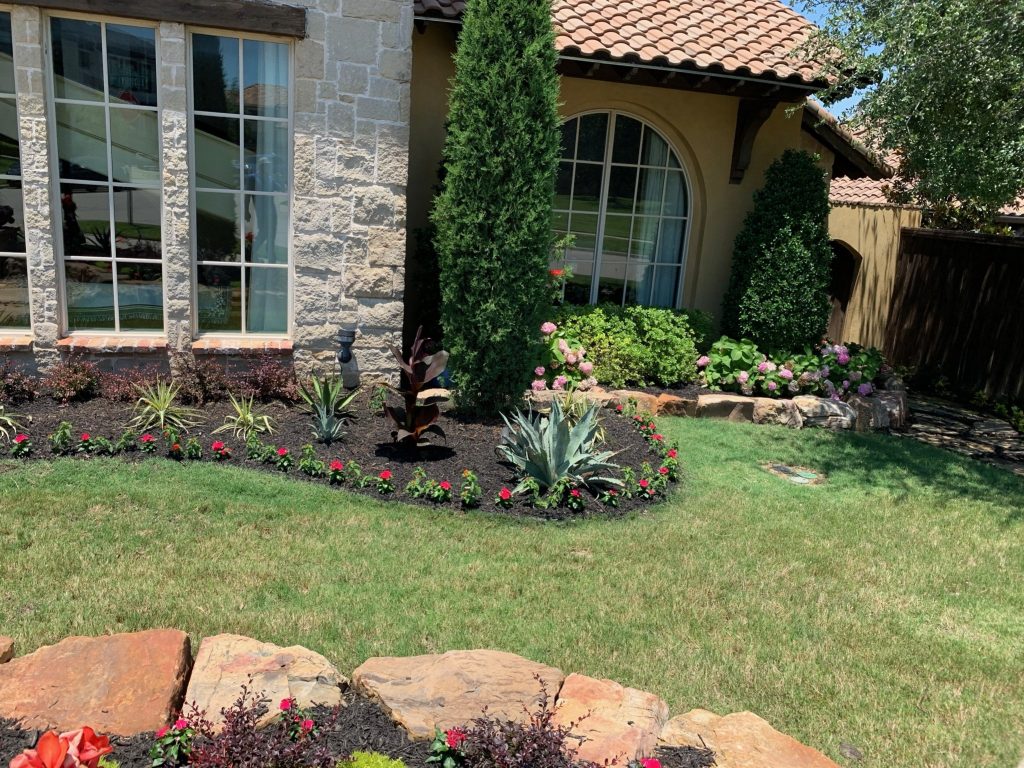
Smooth Landscape Removal for Fresh Starts and Clean Lines in Plano, TX (Landscape Removal)
Last week, we walked a Plano backyard where the owners had finally decided to replace a tired front bed. The plants were long gone, but the mess stayed—old edging half-buried, a patchwork of roots, and a buried irrigation line that someone capped years ago “just in case.”
They weren’t trying to create chaos. They just didn’t realize that landscape removal isn’t only about pulling plants—it’s about getting the ground and hardscape base ready for what comes next. When the removal is sloppy, everything after it looks off: pavers settle unevenly, sod fails to knit, drainage routes the wrong way, and even landscape lighting can end up with poor placement.
In this guide, Plano Landscaping Company breaks down what a clean removal actually includes, what we see go wrong in Collin County, and how to plan the job so your new landscape installation looks sharp from day one.
Quick Answer
A “clean” landscape removal means more than hauling debris. It typically includes clearing existing plants and debris, removing old edging and hardscape that interfere with the new layout, addressing root and soil issues, and protecting or rerouting irrigation components. The goal is to leave a stable, workable base so your next step—like sod installation, paver patio installation, pathway installation, or new beds—can sit level, drain correctly, and last longer.
What “Clean Lines” Really Require in Landscape Removal
People often picture removal as a quick dig-and-haul. But when the purpose is a fresh start, the details matter.
1) Root and buried material removal (not just surface clearing)
In Plano and across Collin County, we frequently find:
- roots that keep sprouting after “cleanup”
- old landscape fabric remnants that block proper soil prep
- buried edging pieces or rock that interfere with grading
- remnants of previous sprinkler lines
If you’re moving toward sod installation or a new paver patio installation, leaving hidden obstructions can create uneven settling later.
2) Grading and base readiness
Clean lines come from consistent grade. Even if your new plants are perfect, a slightly uneven base can make borders look wavy and drains behave unpredictably—especially after rain.
3) Irrigation awareness during removal
This is where many competitors rush. If you’re updating beds, replacing turf, or redoing pathways, removal should include an irrigation plan:
- identify active lines before digging
- protect sprinkler system installation components when possible
- plan irrigation reroutes when the layout changes
If you’re also upgrading irrigation, it helps to coordinate timing so you don’t remove twice.
4) Debris handling that doesn’t sabotage the next phase
We’ve seen jobs where debris is “moved” into a corner and left behind. It sounds small, but it becomes a future problem—soil pockets, drainage issues, and inconsistent compaction.
What Most Customers Get Wrong About Landscape Removal (Our Take After Working Local Jobs)
Here’s the pattern we see with local homeowners and property managers: they start removal like it’s an isolated task.
Mistake #1: Treating removal as a separate contractor problem
If removal is done without thinking ahead, you can end up with:
- incorrect grade for the new bed line
- damaged irrigation that later requires emergency repairs
- extra labor because the next crew has to fix what was missed
When removal is planned as the first step of the full landscape installation, the job flows better and costs less overall.
Mistake #2: Ignoring drainage and yard drainage solutions
Plano’s weather swings can expose weak drainage quickly. If a removal uncovers low spots, compacted soil, or old grading that funnels water toward a foundation or walkway, that needs attention now—not after your new surface goes in.
Mistake #3: Replacing only what’s visible
Old landscaping issues often aren’t visible:
- root systems under the surface
- buried edging or rock
- compacted layers that prevent proper infiltration
A “quick cleanup” can leave problems that return within months.
Mistake #4: Choosing the cheapest removal estimate
Cheaper isn’t always bad—but in removal, the scope is easy to misread. “Haul off debris” sounds simple until you factor in:
- root removal expectations
- hardscape removal (curbing, edging, old pavers, concrete pieces)
- soil prep and grading
- irrigation identification and rerouting needs
If the quote doesn’t clearly define what’s included, you may end up paying twice.
Why This Matters in Plano (and Nearby Collin County Communities)
Plano homeowners aren’t just choosing “pretty.” They’re choosing function, curb appeal, and long-term maintenance that matches how Texas yards actually behave.
A few local realities we account for:
- Seasonal growth and stubborn roots: Even after cleanup, roots can rebound fast if removal is incomplete.
- Heat + irrigation complexity: When sprinkler system layouts change, you need someone who understands how irrigation installation and bed placement work together.
- Hardscape expectations: Many homes in the area see repeat upgrades—patios, pathways, pergolas, and lighting. Clean removal prevents misalignment with future installs like pathway installation or pergola installation.
We also coordinate with projects across Collin County, including communities around Plano where yards often have similar soil and drainage patterns. The goal stays the same: remove what’s in the way now, so your next phase looks intentional and stays that way.
A Practical Plan for Landscape Removal That Sets You Up for Success
If you’re preparing for new beds, turf, hardscape, or a full refresh, use this framework to keep the project from unraveling.
Step-by-Step Checklist (Landscape Removal → Clean Lines → New Install)
Before removal
- Confirm what’s staying vs. what’s going. (Trees, existing structures, irrigation, lighting, fences.)
- Walk the site and mark the future bed lines and border edges.
- Identify irrigation zones that must remain active.
- Discuss drainage expectations—where you want water to go after rain.
During removal
- Remove plants, roots, and buried obstructions that conflict with the new layout.
- Remove (or adapt) old edging and materials that create uneven borders.
- Protect existing hardscape and underground utilities when feasible.
- Maintain consistent grading so the new installation sits correctly.
After removal
- Verify soil condition and base readiness for the next step.
- Clean up debris so it doesn’t create soil pockets or drainage problems.
- Plan the timing for irrigation adjustments and any related upgrades.
Quick Comparison: DIY vs. Professional Removal
| Area | DIY Removal | Professional Service (What You Gain) |
|---|---|---|
| Root & buried materials | Often incomplete; regrowth happens | Better identification and thorough removal where needed |
| Grading | Usually guesswork | Planned grade for clean lines and proper drainage |
| Irrigation handling | Higher risk of hidden damage | Irrigation awareness reduces future repairs |
| Prep for next install | Inconsistent base | More reliable base for sod, pavers, pathways, and beds |
Quick Answer: How Do I Know If I Need Full Landscape Removal?
If you’re deciding between “cleanup” and full removal, here’s a simple test. You likely need full landscape removal if:
- You’re replacing turf with new lawn installation or sod installation and the current ground is uneven or compacted.
- Old beds are failing due to soil issues, root regrowth, or drainage problems.
- You’re installing hardscape like patios-decks-arbors, paver patio installation, or pathway installation and existing borders interfere with the new layout.
- You see repeated irrigation conflicts—sprinklers watering where they shouldn’t, or lines that were capped and forgotten.
Full removal is also the smart move when you want the lines to look intentional—sharp edges, consistent height transitions, and clean transitions between turf, beds, and hardscape.
Ready to Start Fresh with a Clean Removal Plan?
If you’re planning a new look in Plano or anywhere around Collin County, the smartest next step is to talk through what’s staying, what’s going, and what you’re installing afterward. That’s how you avoid the “we removed it twice” problem and get the clean lines you’re aiming for.
To schedule a site visit or discuss your scope, contact Plano Landscaping Company here:
And if you want to think ahead about the next phase of your project, you may also find these helpful:
- service help
- irrigation contractor
- sod installation services
- paver patio contractor
- low voltage landscape lighting
FAQ
How long does landscape removal usually take?
It depends on how much is being removed and how complex the site is. A small front-bed refresh can take a day or two, while full-yard removal that includes root work, edging, and base prep may take longer—especially when irrigation rerouting is involved. The most accurate timeline comes from an on-site walkthrough where we confirm what’s buried, what’s staying, and what the next installation phase requires.
Will landscape removal damage my sprinkler system?
It shouldn’t—when it’s planned correctly. Removal crews need to identify irrigation lines and protect components when possible. If the layout is changing (new beds, turf, pathways), some lines may need rerouting. A good plan reduces surprises so you don’t end up with sprinkler system installation issues after everything is already torn out.
What should I do before the crew arrives?
Mark what you want to keep (trees, shrubs, structures) and have a clear idea of your future layout—at least roughly. If you have irrigation maps or photos from past sprinkler installation work, share them. Also, remove vehicles, loose items, and anything fragile so access is safe and fast.
Do I need to remove old edging if I’m re-landscaping?
In many cases, yes—especially if you’re installing new borders, pathways, or turf. Old edging can create uneven lines, interfere with proper grading, and make it harder to keep borders consistent. If the edging is still usable and aligned with your new plan, we’ll advise on whether to reuse or remove it.
About the Company
Plano Landscaping Company is a local landscaping team serving Plano, TX and nearby areas in Collin County. Our approach is practical: we treat landscape removal as the foundation for everything that follows—clean grading, irrigation awareness, and a site ready for quality landscape installation. If you’re upgrading beds, turf, pathways, patios, or outdoor features, we’ll help you plan the removal scope so the finished look matches what you envisioned.