
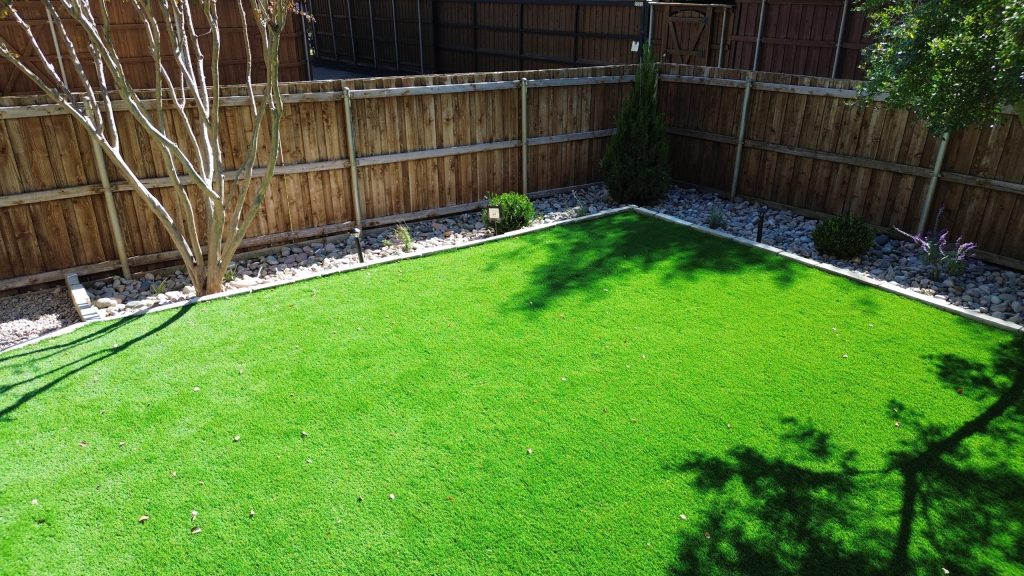
Signs Your Yard Needs Sod Installation Now
If your lawn in Plano, TX is thinning, patchy, or struggling to recover, sod installation can be the fastest path to a uniform, healthy look. This guide helps you spot the real indicators, understand what to check before installation, and avoid the common missteps that slow down results in Collin County.
After a hot spell followed by heavy rain, many Plano homeowners notice the same pattern: the grass looks better for a week or two, then it breaks down again. You might see bare spots near the driveway, a thin layer that never seems to thicken, or areas where weeds take over faster than the turf can fill in.
If you are trying to “wait it out” with spot treatment, but the lawn keeps looking uneven, it is a sign you may need a more complete reset. This article will help you identify when sod installation is the practical next step, what to evaluate first, and how to plan the job so the new lawn has the best chance to establish.
- Quick answer
- What to check first
- Main things customers should understand
- Why this matters in Plano, TX
- Common mistakes to avoid
- Customer checklist
- Frequently asked questions
Quick Answer
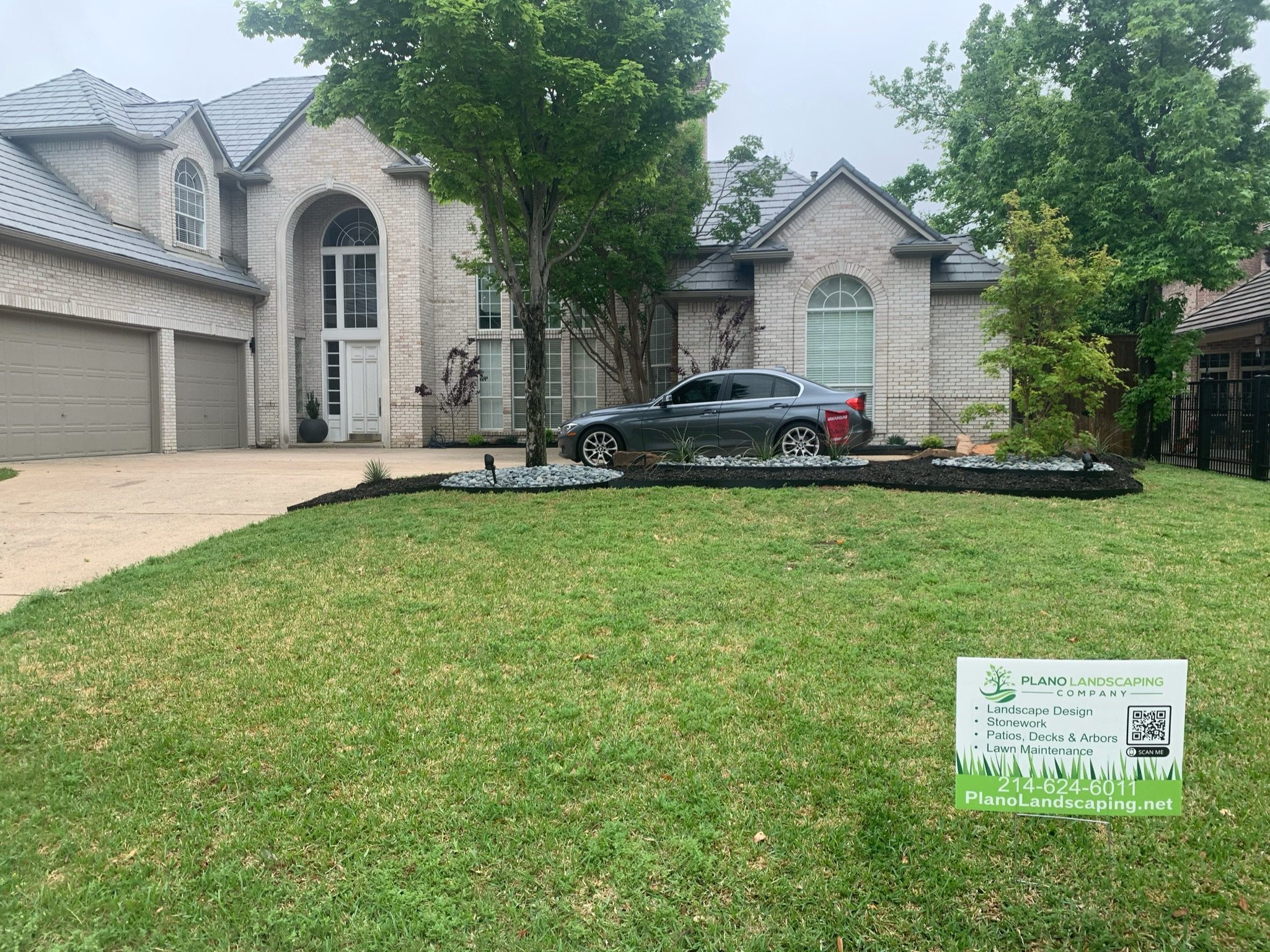
If your lawn has recurring bare patches, persistent thinning, or uneven coverage that does not improve after regular care, it may be time for sod installation. In Plano, TX, turf struggles when the ground is compacted, drainage is inconsistent, or irrigation is not matching the actual yard layout. A practical next step is to inspect the affected areas and confirm water coverage, then plan for proper prep before laying sod. If you want a clean, consistent finish, start by scheduling an on-site assessment with Plano Landscaping Company rather than trying to patch indefinitely.
What to Check First
Before you commit to sod installation, walk the yard and look for patterns. Sod will cover the surface quickly, but it still needs the right foundation. Start with the areas that get the most foot traffic or the most sun exposure, then check how the soil behaves and how water actually lands during irrigation cycles.
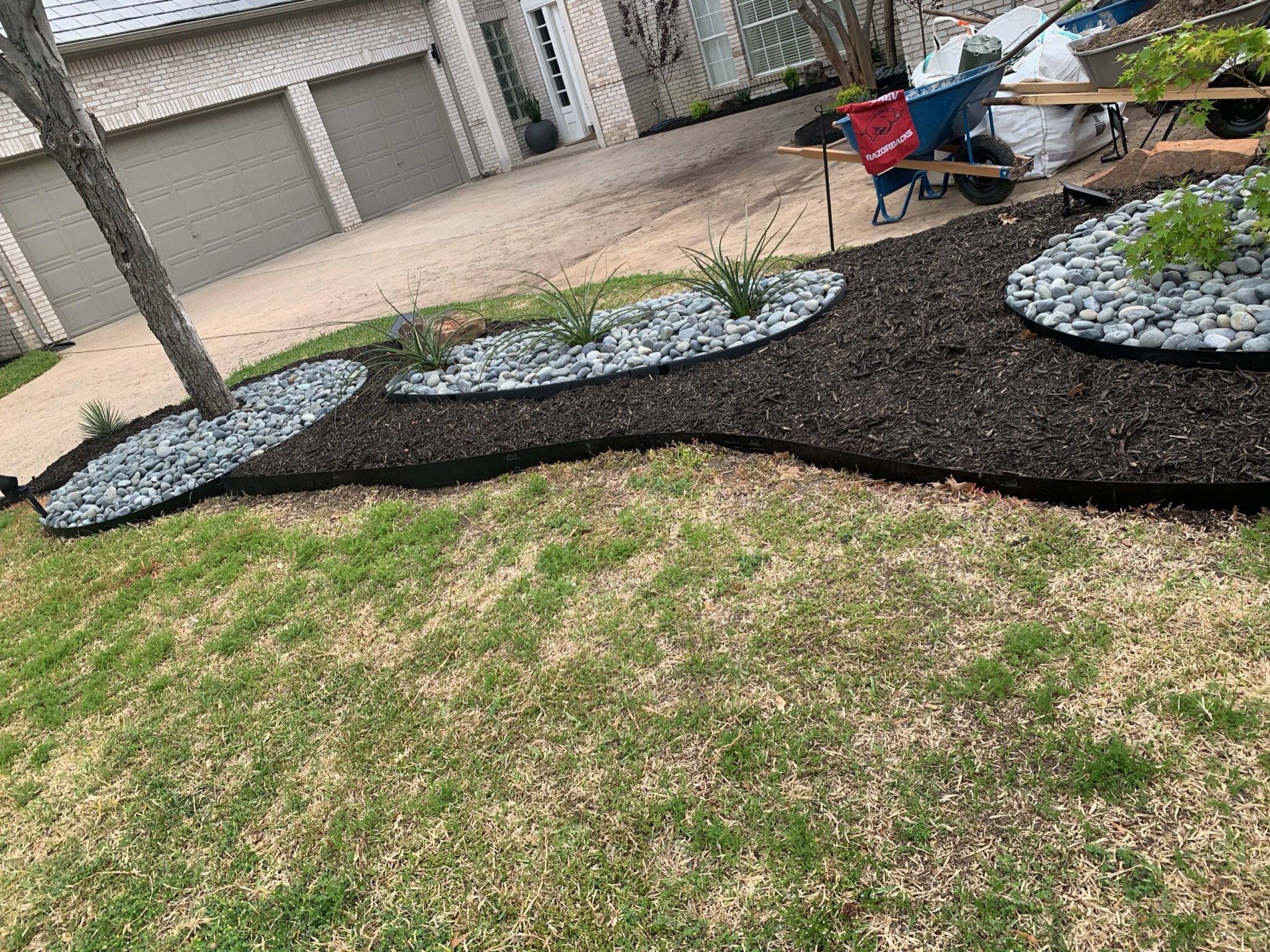
Professional observation: If the problem is uneven watering or drainage, new sod can still struggle. The fix usually starts with prep and irrigation alignment, not just more turf.
Here are the first things to check in your Plano, TX yard:
- Watering coverage: Watch sprinkler patterns and look for dry corners, overspray onto hardscape, or consistently soggy spots.
- Surface consistency: If the soil feels hard or “bouncy” underfoot, roots may not establish evenly.
- Weed pressure: If weeds keep returning in the same zones, the area may need removal and re-prep before sod goes down.
- Drainage behavior: After rain, note where water pools longer than expected or where runoff leaves bare trails.
If you already know your lawn needs a reset, it can also help to review whether landscape removal is part of the plan. For example, if you have old landscaping that is interfering with grading or water flow, consider landscape removal in Plano before sod installation.
Main Things Customers Should Understand
Sod installation is not only about speed. It is about consistency. When customers ask whether their yard “qualifies” for sod, the answer usually comes down to how much of the lawn is uneven and whether the yard foundation is ready for turf roots to establish across the whole area.
Patchy coverage that keeps spreading
When bare areas expand each season, sod can help you stop the cycle by replacing the lawn in a controlled, uniform way.
Thin grass that never fills in
If the turf stays sparse and you only see improvement in small zones, the underlying conditions may be limiting growth across the yard.
Uneven texture across the yard
Different lawn textures make mowing and maintenance inconsistent. Sod can provide a more even surface for everyday use.
From firsthand experience working landscaping projects in Collin County, one of the most common causes I see is that irrigation does not match the actual shape of the property after changes over time. Even a well-maintained system can miss corners, under-water slopes, or create inconsistent moisture around beds and hardscapes. If you want a lawn that looks uniform, pairing sod installation with a review of sprinkler system installation and irrigation often makes the difference.
Another practical factor is whether you are starting from bare ground or struggling turf. If your yard has heavy wear, it may require more than simply laying sod over the existing surface. In many cases, proper grading and a complete landscape installation plan supports a smoother, more predictable result.
Why This Matters in Plano, TX
In Plano, TX and across Collin County, homeowners often deal with fast temperature swings and frequent changes in how the ground holds moisture. That can expose weak spots quickly, especially where water coverage is inconsistent or where the yard drains unevenly after rain. When you choose sod installation in this environment, you are trying to establish a living surface that has to handle both sun stress and wet periods.
If your landscape includes hardscapes, pay attention to how runoff travels across driveways, walkways, and patios. Those edges can create concentrated flow paths that leave certain zones drier or muddier than the rest of the lawn. Planning the overall layout can help. For customers who are also updating outdoor living spaces, exploring options like paver patio installation can help you coordinate drainage and transitions before sod goes down.
Local decision point: If water pools or leaves channels after rain in specific areas of your Plano yard, sod alone is rarely the whole solution. Addressing drainage and irrigation coverage first protects your new lawn.
| Yard signal you notice | What it often means | What to consider next |
|---|---|---|
| Same bare spots return | Foundation and moisture are not consistent | Plan for prep and confirm watering coverage before installation |
| Weeds in repeated zones | Surface readiness is uneven | Evaluate removal needs and re-prep those areas |
| Dry patches near edges | Sprinklers may not cover the full layout | Review irrigation patterns with the sod plan |
| Pooling after rain | Drainage behavior is creating stress zones | Address drainage solutions before laying sod |
Ready to refresh your lawn with sod installation?
If you are seeing recurring thinning or bare patches around your Plano, TX property, a site assessment can help you match the right approach to the yard you actually have.
Schedule sod installation with Plano Landscaping CompanyCommon Mistakes to Avoid
Most sod problems come from decisions made before the first roll is laid. Avoiding these common mistakes helps protect both the look and the long-term establishment of your new lawn in Plano, TX.
- Skipping foundation prep: Laying sod over compacted or uneven ground can lead to inconsistent rooting and visible dips.
- Assuming irrigation is “good enough”: Even small coverage gaps show up quickly once the sod is established.
- Trying to patch instead of resetting: If the issues are spread across the yard, small sections may not solve the overall balance.
- Forgetting transitions: Edges near beds, walkways, and patios can create moisture differences that stress turf.
- Waiting too long: When the lawn is already struggling, continued delay can make it harder to achieve a uniform result.
Customer Checklist
Use this quick checklist before you schedule sod installation in Plano, TX. It helps you ask the right questions and gives your landscaping team a clear starting point.
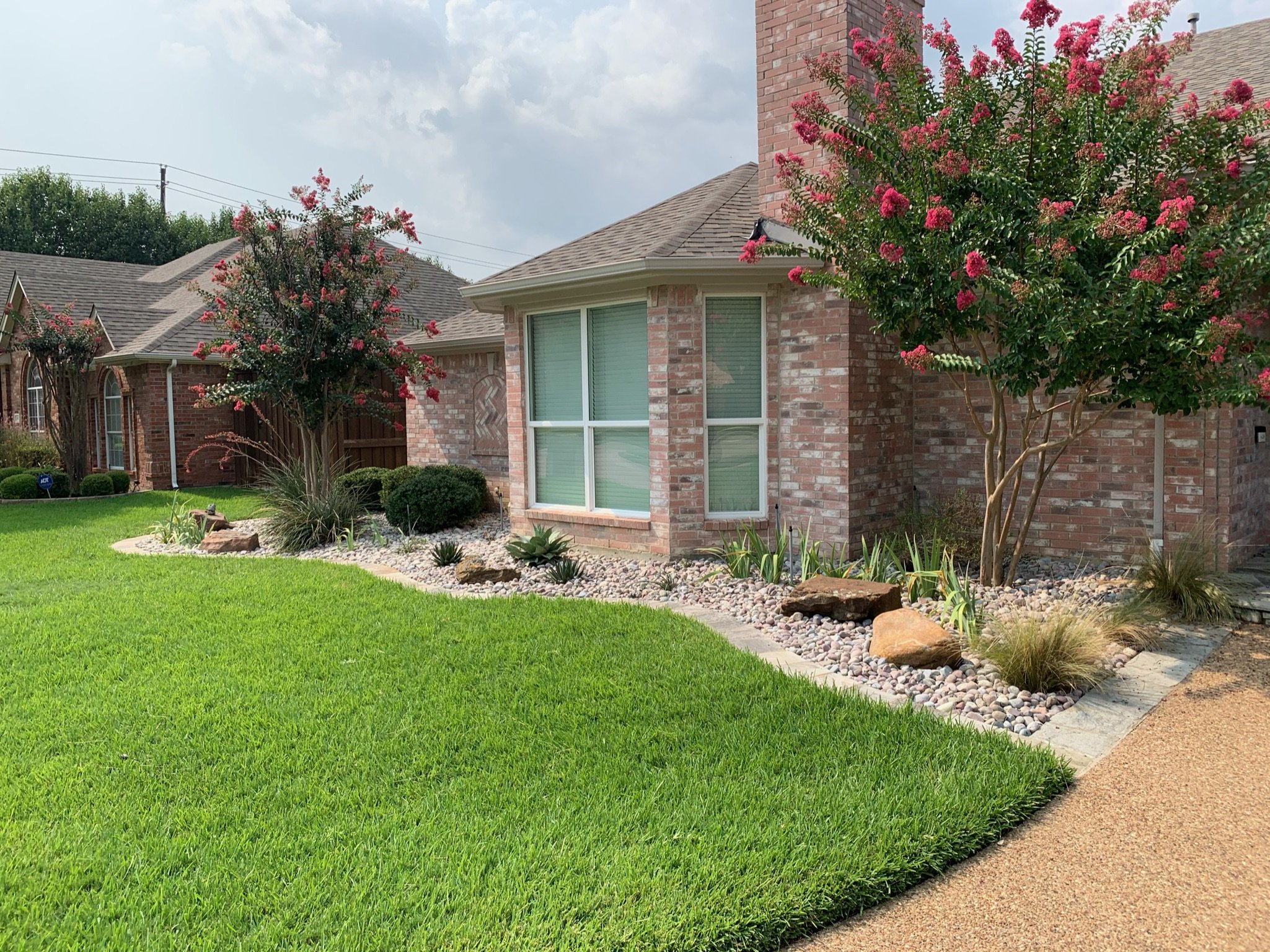
- Identify the areas with the worst thinning, bare spots, or weed pressure.
- Watch irrigation run time and confirm coverage reaches corners and edges.
- Check for pooling after rain and note where water sits longer than expected.
- Look for compacted or uneven soil underfoot, especially in high-traffic zones.
- Confirm whether old landscaping removal is needed to prep the surface properly.
- Plan how sod will transition at borders, walkways, and hardscapes.
Representative scenario
Consider a homeowner in Plano, TX who noticed their lawn thinning in the front yard and a fading strip along the driveway. The sprinklers ran on schedule, but the corners stayed dry and the center stayed too wet after storms. Instead of patching repeatedly, they coordinated the yard reset with proper prep and a review of irrigation coverage, then moved forward with sod installation services for a more uniform finish. The result was a cleaner look across the whole lawn, with fewer stress zones returning over the following weeks.
Frequently asked questions
These are common questions Plano homeowners ask before sod installation, especially when the yard has uneven coverage or ongoing maintenance concerns.
How do I know whether to spot-repair or install sod across the yard?
If the problem is limited to a very small area and the surrounding lawn is healthy, spot repair can sometimes work. If thinning and bare zones keep expanding, sod across a larger area is often the more practical way to restore uniform coverage. Before deciding, check whether the same zones fail repeatedly, whether irrigation coverage is inconsistent, and whether drainage creates wet or dry stress spots.
Will sod fix drainage problems on its own?
Sod can improve appearance quickly, but it does not automatically correct drainage behavior. If water pools after rain or runoff channels through the lawn, the new turf can still struggle in those exact areas. For the best outcome, focus on prep and the yard’s moisture patterns first, then install sod once the foundation is ready for consistent establishment.
Should I address irrigation before laying sod?
Yes, in most cases. Sod needs consistent moisture to establish evenly. If sprinkler coverage misses corners, under-waters slopes, or oversprays near hardscape edges, the turf can establish unevenly. A quick review of irrigation patterns helps you avoid the “looks good at first, then fails in spots” scenario.
What yard prep might be needed before sod installation?
Prep can include removing old landscaping where needed, addressing uneven or compacted soil, and preparing transitions at borders and hardscapes. If weeds are persistent in specific zones, that can be a sign the surface needs more than a simple top layer. When the prep matches the actual yard conditions, sod typically establishes more evenly.
Can sod installation be part of a larger landscape update?
Absolutely. Many Plano homeowners combine sod installation with broader landscaping improvements so the lawn and outdoor living areas work together. For example, coordinating with pathway installation or other hardscape work can help create smoother transitions and more predictable drainage at edges.
Get a clear plan for your Plano lawn
If you are ready to stop guessing and want a yard-ready approach to sod installation, Plano Landscaping Company can help you evaluate the conditions and map the next steps.
Call Plano Landscaping Company at (214) 624-6011
About Plano Landscaping Company
Plano Landscaping Company provides landscaping services in Plano, TX and throughout Collin County, including sod installation and related outdoor improvements. If your lawn needs a reset, their team focuses on practical preparation and coordinated landscaping details so your new turf can establish more evenly.