
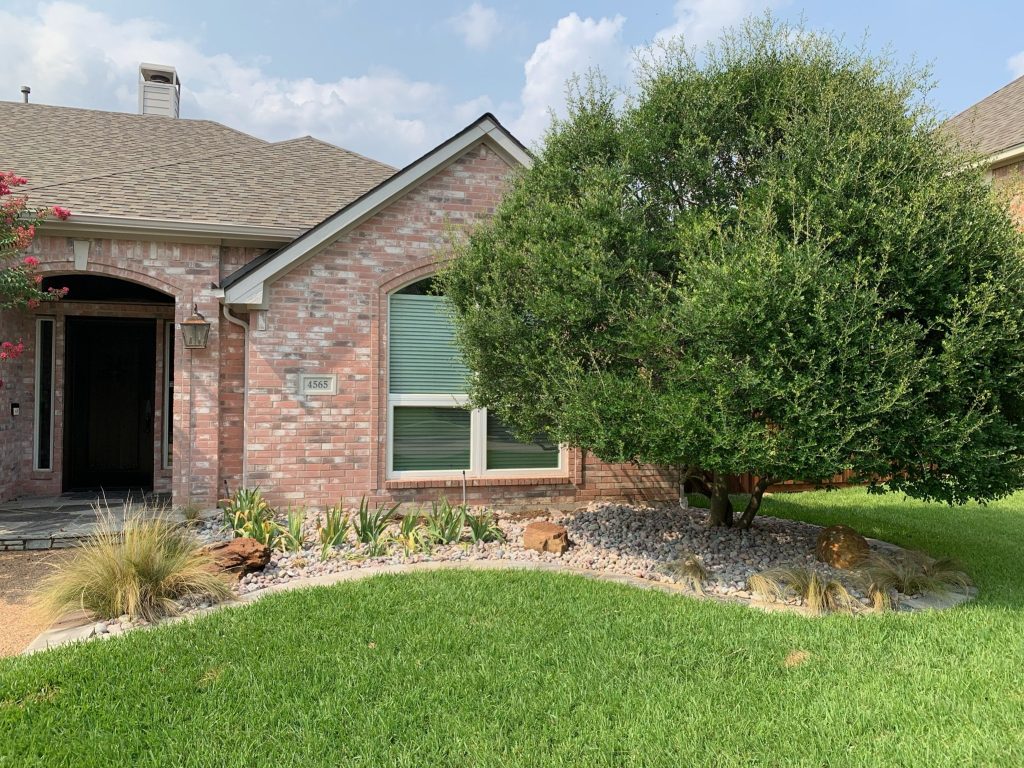
Landscape Removal Costs and Value for Plano Homeowners
If your yard in Plano, TX has older plantings, failing turf, or uneven beds that keep coming back, you are probably weighing one question: what does landscape removal really cost, and when does it deliver the best value?
Last summer a homeowner on the north side of Plano asked us to “just clean it up,” but the work quickly turned into a bigger decision. The beds had tangled roots, a mix of old edging and mulch, and a patchy lawn area that never held up the same way after mowing and watering.
That is a common situation. Landscape removal is often the first step before new landscape installation, but the scope can vary a lot depending on what you are removing and what you want to build next.
This guide will help you understand what drives removal costs, how to judge value for your Plano property, and what to check before you approve a plan.
- Quick answer
- What to check first
- Main things customers should understand
- Why this matters in Plano
- Common mistakes to avoid
- Customer checklist
- Frequently asked questions
Quick Answer
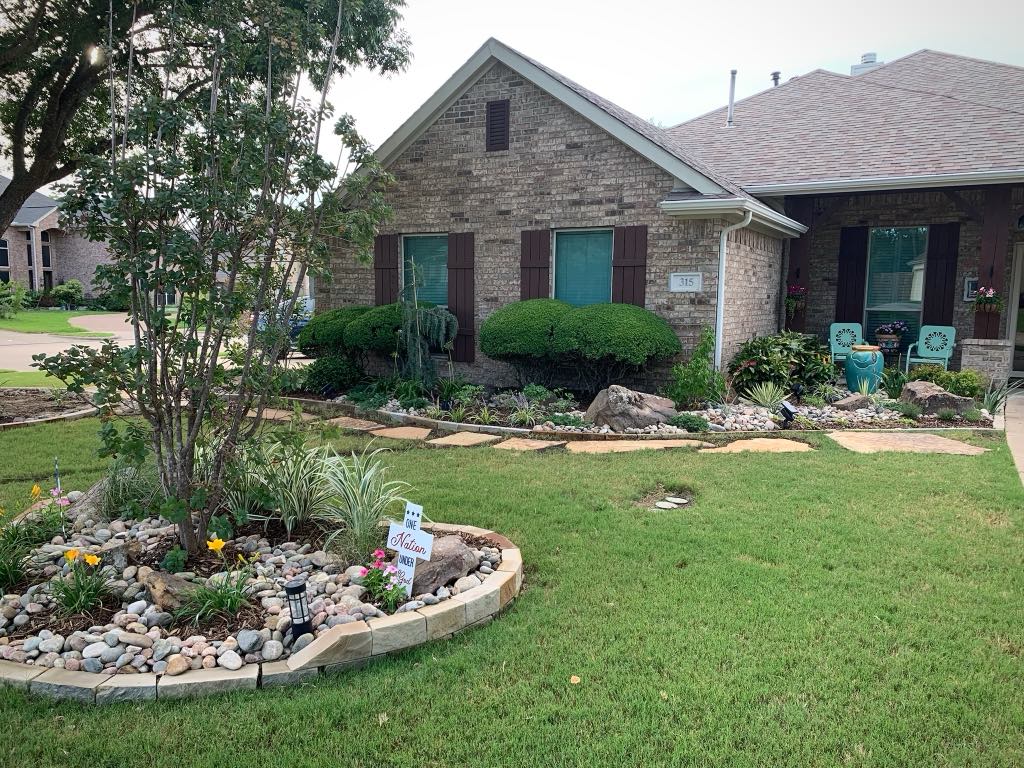
Landscape removal costs in Plano usually depend on what is being removed (roots, turf, edging, hardscape), how accessible the area is, and whether irrigation or drainage components need careful handling. The best value usually comes from removing enough material to create a stable base for the next project, rather than “skipping” hard-to-see problems like old root systems or buried debris. If you plan to install new beds, turf, pavers, or irrigation, removal is often the part that prevents future settling and uneven surfaces. A clear scope and site walk are the fastest way to avoid surprises.
What to Check First
Before you compare numbers, walk your yard with your goals in mind. Are you trying to refresh beds, remove old landscaping entirely, or prepare for a new hardscape feature like a patio or pathway? In Plano, many removals start with plant and soil cleanup, but the real value comes from identifying what is below the surface.
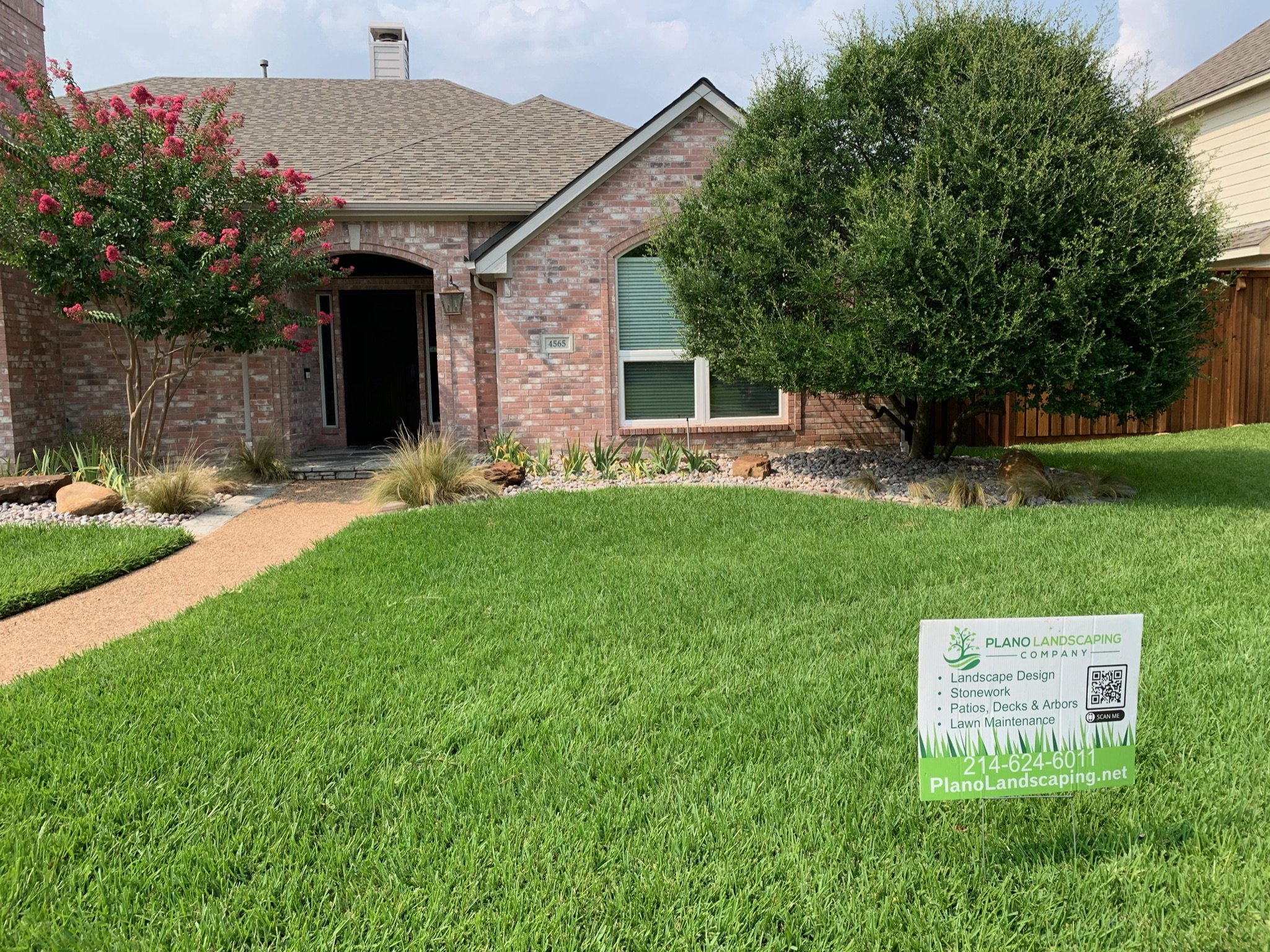
Start by checking three items: (1) the condition of existing turf and roots, (2) whether irrigation lines or sprinkler heads are still functional, and (3) what edging or hardscape materials are in place. If your irrigation is staying, removal needs to be done around it carefully. If you are replacing irrigation, the removal scope often works hand-in-hand with irrigation installation.
Removal that supports the next step
Think of removal as the foundation. Clean boundaries, stable soil, and correct grade can make new landscaping look better and last longer.
Accessibility changes the scope
Gates, tight corners, and landscaping along fences can affect how equipment and crew members move through the yard.
Irrigation and drainage matter
If water and runoff are part of your plan, removal should align with drainage solutions and sprinkler layout.
Main Things Customers Should Understand
Landscape removal is not one uniform service. Two yards can look similar from the street, yet one may require only surface cleanup while the other needs root removal, soil amendment, and careful handling of buried materials. Here are the main factors that commonly drive cost and value for Plano homeowners.
Professional observation: In many Plano removals, the “hidden” work is what customers do not budget for, like pulling persistent root systems or clearing old edging so new materials sit level. When that step is skipped, the next installation can look uneven even if the new landscaping is installed correctly.
| What you want to remove | What typically affects the scope | Value you should expect |
|---|---|---|
| Old landscaping beds and mulch | Root density, number of plant varieties, and how much soil needs cleanup | Fresh bed lines and a cleaner base for landscape design |
| Old turf or areas of failed grass | Root mat thickness and whether sprinkler coverage is staying or changing | A smoother start for sod installation or new lawn seeding plans |
| Edging, borders, and hardscape debris | Material type (stone, concrete, pavers) and how much needs to be reset vs removed | Better layout consistency for paver patio or pathway work |
| Tree or shrub overgrowth | Stump removal needs, root spread, and how close plants are to structures | More usable yard space and easier long-term maintenance |
| Areas preparing for drainage changes | Grade and runoff patterns, plus whether existing irrigation needs adjustments | Less standing water and more predictable landscaping performance |
Why This Matters in Plano, TX
Plano’s mix of established neighborhoods and newer builds means you will see a wide range of landscaping ages. Older properties often have irrigation systems that are partially working, layered bed materials from years of top-dressing, and hard-to-spot edging remnants. When you remove landscaping in Plano, you want the work to account for what is already there so your next installation does not settle or shift.
For example, if you are planning a new outdoor living layout, removal and base prep should align with the surfaces you plan to install. That includes paths and patios, where correct grade helps keep surfaces stable. If you are planning an update like a paver patio or pathway, review the process alongside paver patio installation so the removal scope matches the finish plan.
Need landscape removal guidance in Plano?
Tell us what you want to remove and what you want to build next. We can help you define a scope that protects your investment before installation begins.
Review landscape removal optionsCommon Mistakes to Avoid
Homeowners often make decisions based on what they can see, then discover extra work once removal begins. Here are the most common mistakes we see when planning landscape removal in Plano, TX.
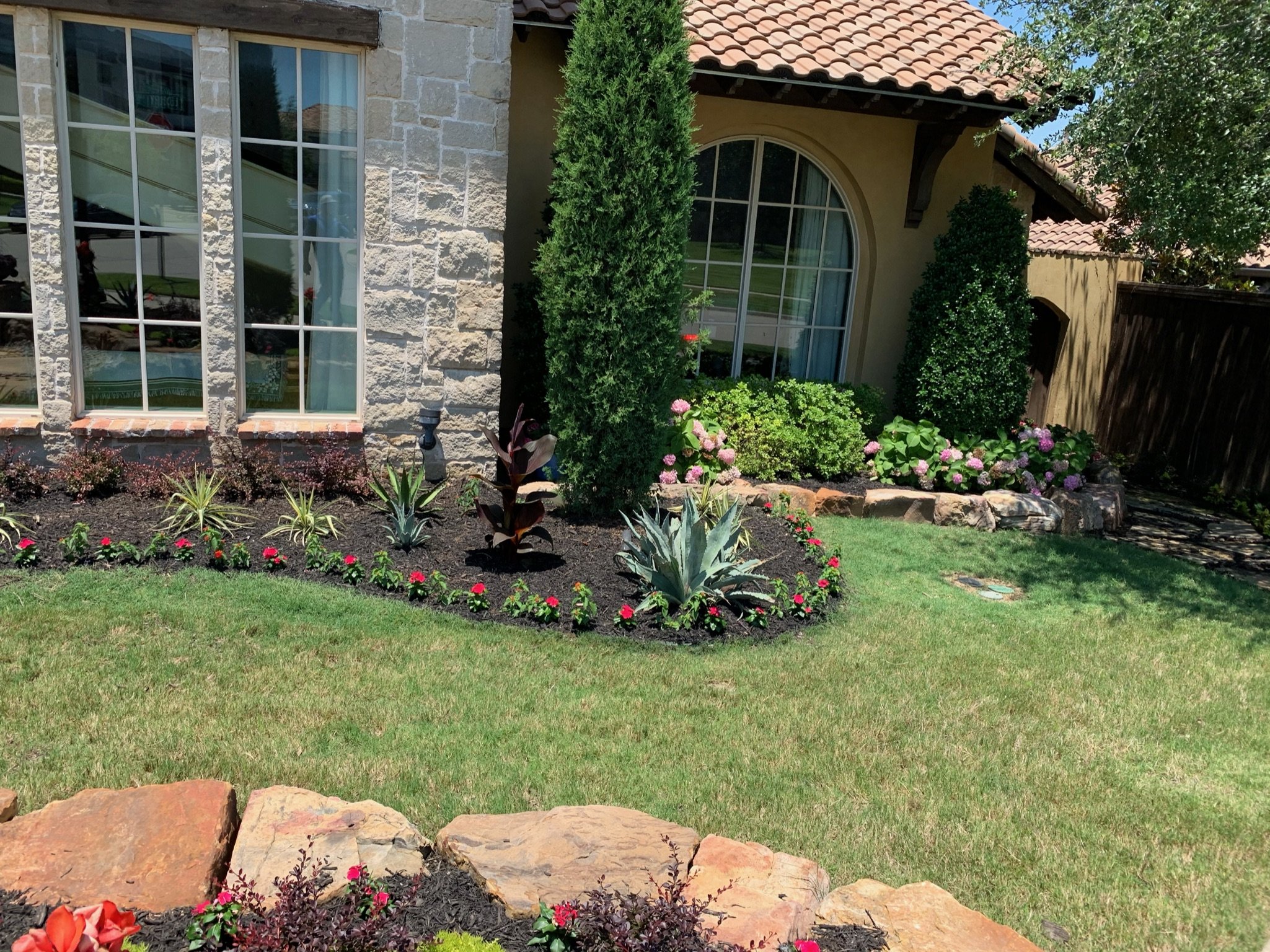
- Choosing removal scope based only on surface cleanup when root systems, buried edging, or older soil layers require more attention.
- Ignoring irrigation and assuming sprinklers can be “worked around” without confirming locations, heads, and tubing condition.
- Not aligning removal with what comes next so the yard ends up cleaned but not prepared for the finish grade and base needed for your project.
- Underestimating access issues like narrow gates, fence lines, or landscaping near structures that can limit equipment options.
- Delaying drainage questions until after removal, when grade and runoff decisions are easier to plan earlier.
Customer Checklist
Use this checklist to make sure your removal scope reflects your real goals. If you can answer these items clearly, you will usually get a more accurate plan and fewer surprises during install.
- What is the end result? Beds refreshed, turf replaced, or hardscape added?
- What stays? Irrigation features, trees, existing edging you want to reuse, or fencing alignment.
- What needs to be removed? Roots, turf mat, shrubs, old mulch, or hardscape debris.
- Where are the access constraints? Gates, paths, and areas near the house or fence line.
- Do you need drainage solutions? Identify areas that hold water or wash out during rain.
- What is your timeline? Coordinate removal with install schedules so the yard does not sit unfinished longer than necessary.
Representative Scenario: A Plano Yard Reset
A Plano homeowner wanted a cleaner front yard and a more defined walkway. The existing beds were overgrown, the turf had thin spots, and there was older edging that did not line up with the desired shape. In the removal phase, the crew focused on pulling plant material and clarifying bed boundaries so the new layout could sit flat and consistent. After cleanup, the project moved into new landscaping installation and surface planning, which helped the homeowner get a cleaner look without repeating the same uneven patterns in the next season.
Frequently asked questions
If you are weighing landscape removal costs, these questions are usually the ones homeowners in Plano ask after reviewing their yard. The answers below focus on scope, planning, and what typically changes the work.
How do I know how much removal I actually need?
Start with your finish plan. If you are installing new beds, turf, or hardscape, you typically need removal that creates a stable base and clear boundaries. A site walk helps confirm whether you need surface cleanup only or deeper root and soil cleanup. If irrigation is involved, confirming sprinkler locations and tubing condition also helps define the scope so the next installation can perform as intended.
Does landscape removal include hauling and disposal?
Landscape removal commonly involves removing plant material and debris from the property, but the exact scope depends on what is being removed and how the work is planned. When you request a scope, ask what is included for disposal and what might require separate handling for certain materials. Clear boundaries also help keep the project moving once installation starts.
Will removing old landscaping affect my irrigation system?
It can, which is why irrigation should be addressed during planning. If you plan to keep existing sprinkler coverage, removal must be done around known locations to avoid damaging heads or lines. If you plan irrigation updates, removal can be coordinated with sprinkler system installation so the yard is prepped for the new layout.
What should I plan for if I am adding a patio or pathway after removal?
If a patio or pathway is part of your plan, removal should align with base prep and grade needs. That means clarifying what materials are being cleared and how the yard will be shaped for the finished surface. Coordinating removal with the installation approach, such as pathway installation or paver patio installation, helps reduce rework after the next phase begins.
Can I remove landscaping first and decide on maintenance later?
You can, but it is usually smarter to plan the next step at the same time. Removal changes what is exposed, and without a follow-up plan, yards can look unfinished while soil settles and weeds return. If your goal is long-term upkeep, think about aligning removal with maintenance planning like lawn care maintenance or trimming and upkeep needs for the new plant layout.
Ready to price removal with confidence?
Share what you want removed and what you want to install in its place. We will help you think through scope and next steps for your Plano, TX property.
Call Plano Landscaping Company
About Plano Landscaping Company
Plano Landscaping Company provides landscaping services across Plano and Collin County, TX, including landscape removal, landscape installation, irrigation installation, lawn care maintenance, paver patio installation, pergola installation, pathway installation, and more. Our goal is to help homeowners plan a clear, practical scope so the work supports the look and performance of what comes next.