
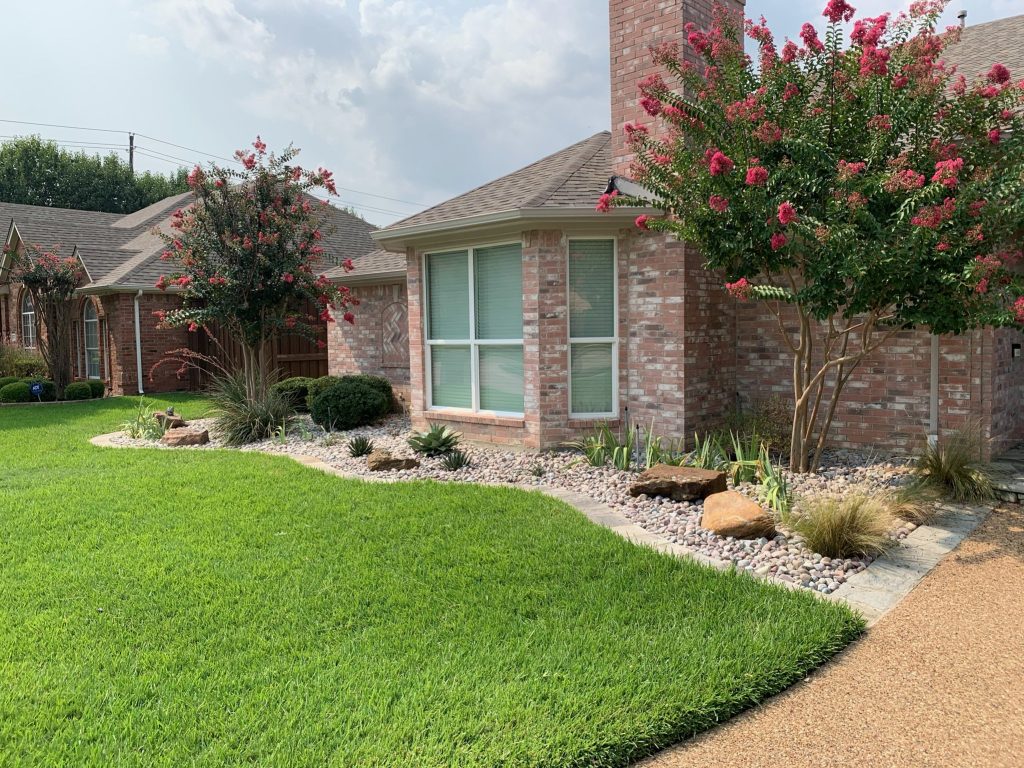
Signs You Need Sod Installation for Bare Soil
If you have patches of bare dirt showing up after yard work, heavy rain, or traffic from pets and kids, it is easy to assume you can “wait it out.” In Plano, TX, though, exposed soil can turn into a maintenance problem fast. This guide helps you spot when sod installation is the practical next step and what to check before you commit.
One Plano homeowner recently told us they kept seeing new dirt “thin spots” around the edge of the lawn. The grass would look fine for a while, then after a hot stretch and a couple of strong storms, the bare areas spread. They were worried they were falling behind on lawn care maintenance.
If you are dealing with bare soil, the question usually becomes: do you keep trying to seed and water, or do you switch to sod installation services to cover the area and stabilize it sooner? Below, you will find clear signs to look for, plus a checklist you can use when you are planning your next landscape installation.
- Quick answer
- What to check first
- Main things customers should understand
- Why this matters in Plano, TX
- Common mistakes to avoid
- Customer checklist
- Frequently asked questions
Quick Answer
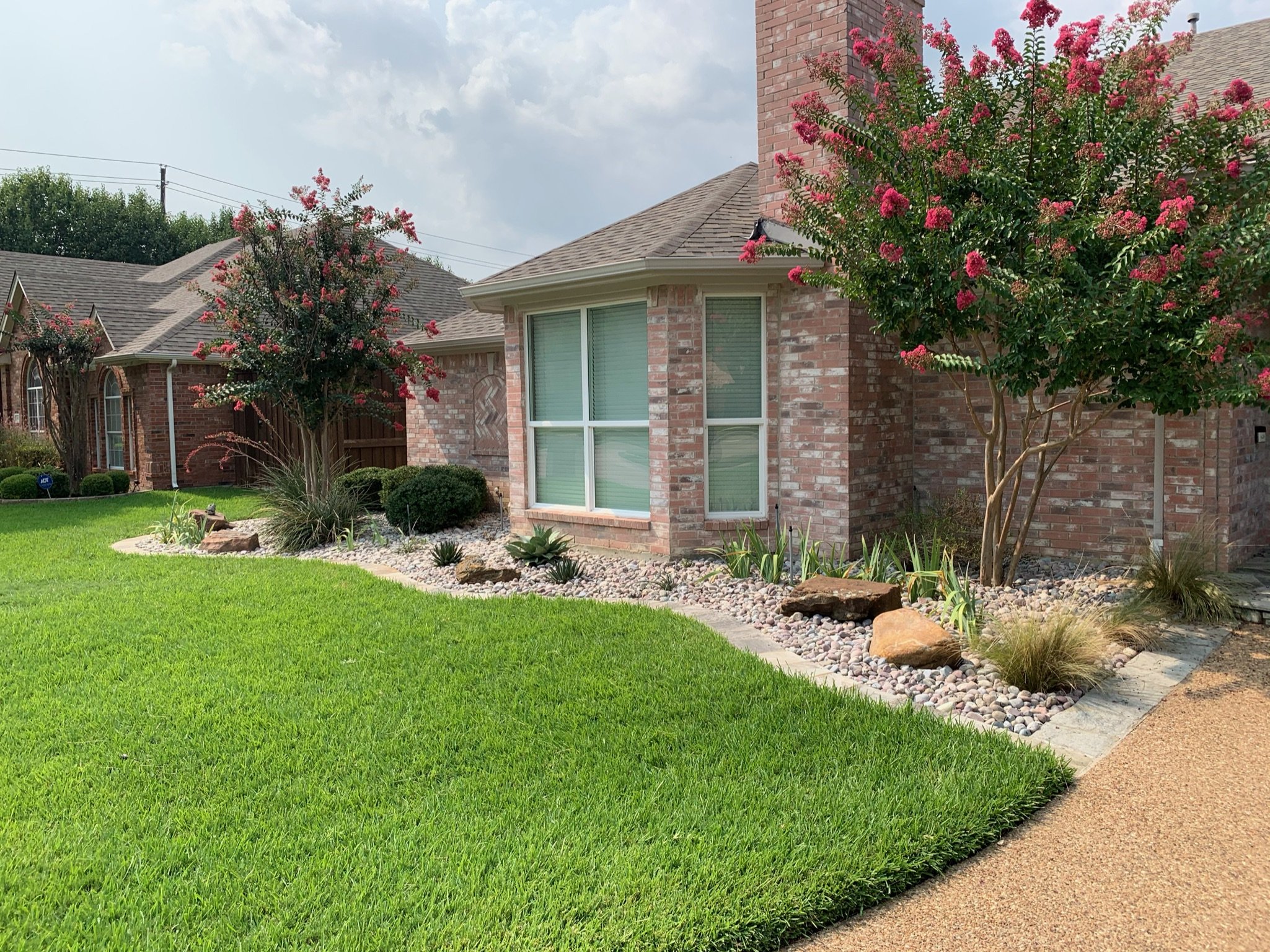
If you have bare soil that is spreading, you are likely better off addressing coverage and stabilization quickly. Sod installation is often a strong choice when the area gets foot traffic, looks uneven, or has been disturbed by landscape removal, irrigation work, or drainage issues. Before you schedule sod, check soil preparation, grading, and whether water is pooling or running off. If the underlying cause is not corrected, new sod can still struggle. A landscaping contractor can help you confirm the right approach for your lawn and outdoor living spaces in Plano, TX.
What to Check First
Start with the “why” behind the bare spots. Sod will cover the ground, but it will not fix problems like poor drainage, compacted soil, or damage from ongoing irrigation leaks. Walk your yard in the same conditions you usually see issues: after rain, after irrigation cycles, and in the middle of the day when soil dries out quickly.
Professional observation: The fastest way to make sod last is to prep the site correctly. If the base is uneven or water is moving the wrong way, even high-quality new lawn installation can underperform.
Main Things Customers Should Understand
Bare soil is more than an appearance issue. In Plano, TX, open dirt can mean faster drying, heat stress on roots, and a higher chance of erosion along edges. Sod installation can help you establish coverage sooner, but it should be matched to your yard’s conditions and the work you already have planned.
1) The bare area is expanding
When thin patches grow week to week, it often signals stress at the root level. Sod installation services can provide immediate coverage while you correct the conditions driving the problem.
2) You have uneven ground
If the lawn has dips, mounds, or low spots, seed may not fill it evenly. Proper grading is key so sod sits flat and roots can contact the soil consistently.
3) Water pools or runs off
Notice where water collects after rain or where sprinkler spray consistently hits one zone. Drainage solutions and irrigation installation may need attention before or alongside sod installation.
Another common driver is yard disturbance. After old landscaping removal, trenching for irrigation installation, or updates around patios and pathways, the soil underneath can be left exposed and compacted. If you are planning broader outdoor upgrades, it can be helpful to coordinate the order of work so sod installation happens after major landscape installation tasks are completed.
If you recently had irrigation work and are not sure what changed, review your plan and system coverage. For related work, you can explore sprinkler system installation to understand how layout and coverage affect lawn health.
Decision point: If the bare soil is showing up right after a project, the “fix” is often not just grass. It is the sequence of steps and the base preparation that comes before new lawn installation.
Why This Matters in Plano, TX
Plano weather swings between hot stretches and heavy rain events, and both can expose a weakness in your lawn. Bare soil warms faster and dries out sooner, which makes it harder for grass to establish. When water runs across exposed dirt, it can carry topsoil away and create new low areas, which then affects how your lawn repairs itself.
Edge control
Many yards in Plano have beds, pathways, and lawn borders where soil gets disturbed. Sod installation can help close gaps that invite weeds and erosion.
Traffic zones
Pets, kids, and mowing patterns often concentrate wear in the same spots. Sod can help you restore coverage where foot traffic keeps thinning the lawn.
Coordination with drainage
If you are also evaluating yard drainage solutions, addressing drainage solutions and landscape drainage early can reduce the chance you will need repeat repairs.
Common Mistakes to Avoid
Most sod installation problems are preventable. The goal is to avoid “covering the surface” while ignoring what is happening underneath. Here are a few mistakes we commonly see when customers try to solve bare soil on their own or rush to install without planning.
- Skipping site preparation: Sod needs a firm, smooth base so it can root properly.
- Installing over recurring water issues: Pooling or runoff can lift sod or create weak growth.
- Overcorrecting with constant watering: Too much water can cause other issues while roots are trying to establish.
- Trying to “match” a patch without leveling: Uneven edges look worse and can leave gaps for weeds.
- Changing the grade after installation: Later landscape trimming, walkway installation, or pathway installation can disturb the sod and seams.
If your bare soil is tied to a recent change in your landscape, it is often smart to confirm what should happen first. For example, when removing unwanted material or old landscaping, the timing can affect how well sod takes. You can read more about landscape removal and how yard removal services are typically handled.
Customer Checklist
Use this checklist when you are planning sod installation for bare soil in Plano, TX. If you can answer these questions confidently, you will be in a better position to choose the right next step for your landscaping services.
- Identify where the bare soil starts and whether it is expanding.
- Check for pooling after rain and watch where runoff goes.
- Inspect for recent disturbances from excavation, irrigation work, or landscape installation.
- Confirm the area is level enough for sod seams to sit tight.
- Note sprinkler coverage and watch for over-sprayed or dry zones.
- Plan your lawn care maintenance after installation so the new sod has the best chance to root.
Representative Scenario
A Plano homeowner had a strip of bare soil along a driveway edge after a previous update. The area did not stay stable. After a couple of heavy rain days, water ran across the exposed dirt and left a darker, muddy track. When they paused and looked closely, they realized the sprinkler pattern was also wetting the same boundary area. Coordinating drainage attention and confirming the irrigation installation layout helped them choose sod installation for faster coverage and more consistent results.
Ready to cover bare soil with confidence?
Plano yards often need more than “more grass.” If you want a practical plan for sod installation and the setup that helps it last, contact Plano Landscaping Company.
Sod installation servicesFrequently asked questions
If you are weighing sod installation against other lawn options, these questions usually come up first for homeowners in Plano, TX and Collin County.
How can I tell whether bare soil is a drainage problem or just wear?
Watch the area after rain and during irrigation cycles. If water pools, spreads outward, or runs across the same path every time, it suggests drainage or grading is contributing. If the bare spots line up with foot traffic, mowing patterns, or pet activity, it may be wear and compaction. In either case, correcting the underlying condition helps sod installation perform better.
Is sod installation better than seeding for small patches?
Sod installation can be a practical choice when you need faster coverage and the area is already disturbed. It also helps when the ground is uneven or you want to restore a consistent look sooner. Seeding can work in some situations, but it is not always the best fit if the bare soil is spreading or if water movement keeps stressing the area.
What should I do if my sprinklers hit the bare area differently than the rest of the yard?
Uneven sprinkler coverage can create dry zones and oversaturated zones, both of which can impact lawn health. Before or during sod installation planning, review sprinkler system installation layout and head coverage so the new lawn receives consistent moisture. If you are adjusting irrigation, coordinating the timing with landscape installation can prevent rework.
Can I install sod right after landscape removal or other yard work?
Often, yes, but it depends on what was removed and how the soil was left behind. After old landscaping removal or excavation, the base may be compacted or uneven. Sod installation is most successful when the base is prepared so the sod can establish contact with the soil and seams close well.
Will sod fix thin, patchy grass that keeps coming back?
Sod can restore coverage, but if the underlying cause is ongoing, the new lawn may still struggle. Common causes include recurring water pooling, irrigation coverage issues, compacted soil, or repeated disturbance in the same spot. A practical approach is to address the conditions first, then install sod for the coverage you want.
| What you are seeing | What it often indicates | Practical next step |
|---|---|---|
| Bare soil is expanding | Root stress, uneven base, or ongoing disturbance | Plan sod installation after site preparation |
| Water pools after rain | Grading or drainage issue | Address landscape drainage and yard drainage solutions, then install |
| Hard, compacted patches | Soil structure issues from traffic or previous work | Confirm soil prep before new lawn installation |
| Edges near beds or pathways look thin | Boundary disturbance and uneven seams | Coordinate with pathway installation or related landscape work |
Get a clear plan for sod installation in Plano, TX
Plano Landscaping Company can help you evaluate bare soil conditions and align your sod installation with the rest of your yard needs.
Call (214) 624-6011
About Plano Landscaping Company
Plano Landscaping Company provides landscaping services for homeowners and property managers across Plano, TX and Collin County. From sod installation and lawn care maintenance to irrigation installation, paver patio installation, and landscape installation, we focus on practical site preparation and clear coordination so your outdoor space looks better and performs as intended.