
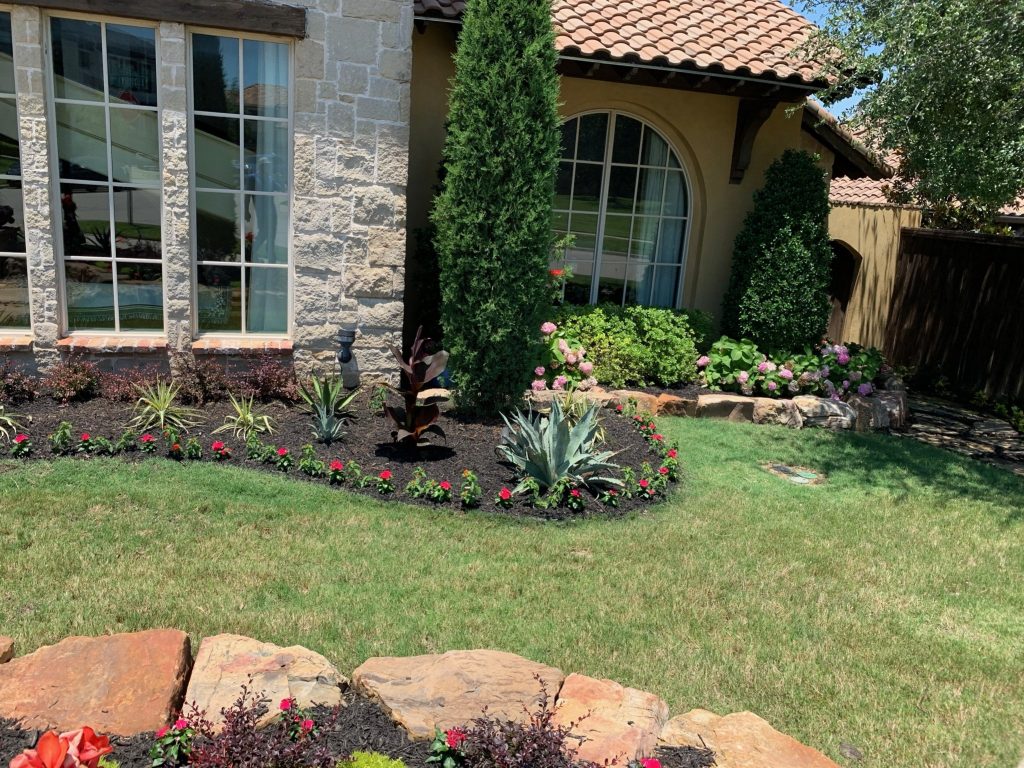
Landscape Removal Safety Tips and Prevention Checklist
If you are planning old landscaping removal in Plano, TX, the biggest question usually is not “can it be done,” but “how do we do it without creating new problems.” This guide walks you through practical safety steps that help protect people, your property, and your irrigation and hardscape systems before removal begins.
If you have ever started digging to remove established shrubs or an outdated bed only to find unexpected roots, buried lines, or a sprinkler head too close to the work zone, you already know how quickly “simple” removal can turn into a safety issue.
Homeowners in Plano often face tight front yards, older irrigation layouts, and landscaping that has grown into pavers, edging, and drainage pathways. This guide helps you spot the common hazards early and set up a removal plan that reduces avoidable damage.
- Quick answer
- What to check first
- Main things customers should understand
- Why this matters in Plano, TX
- Common mistakes to avoid
- Customer checklist
- Frequently asked questions
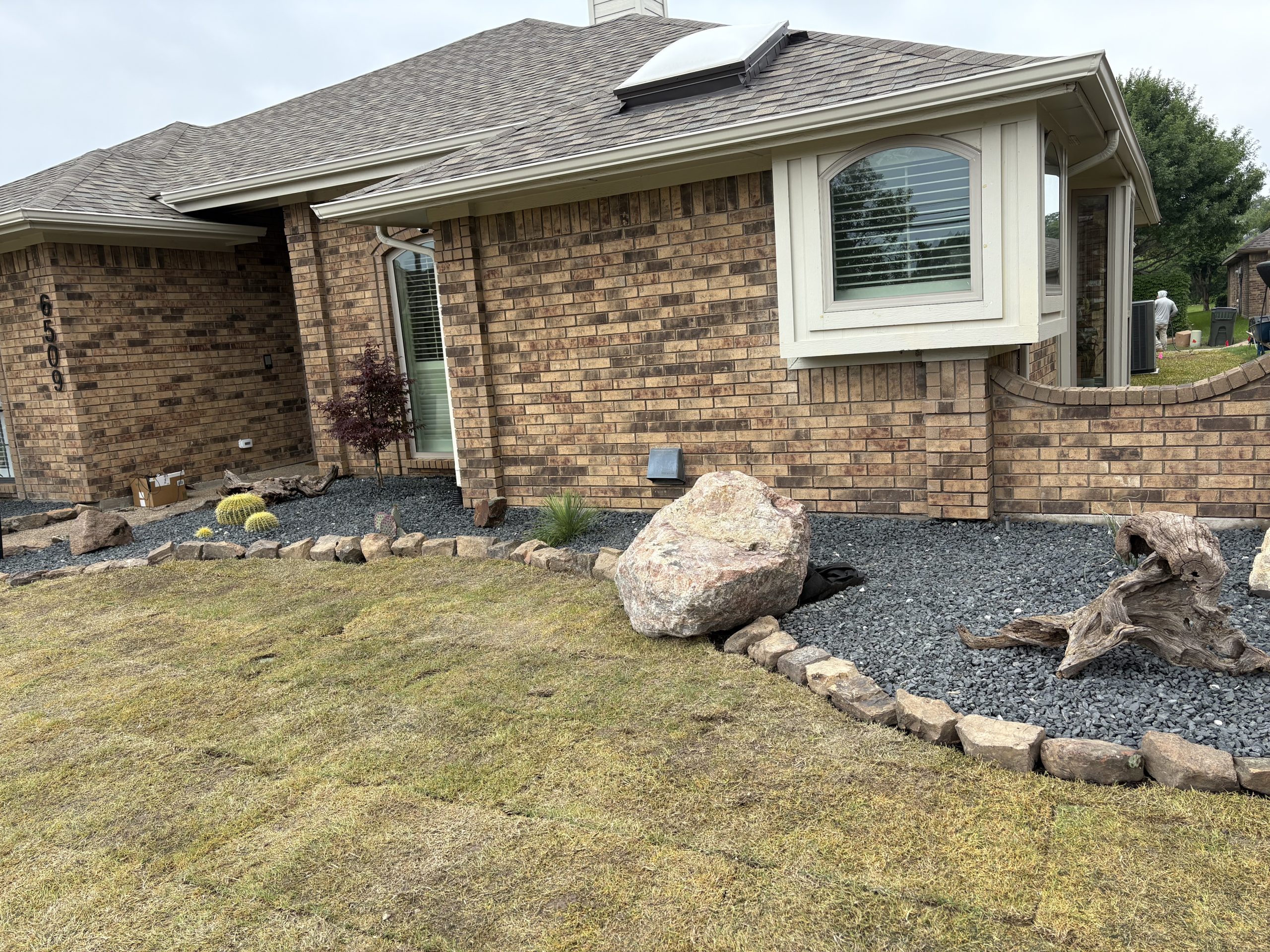
Quick Answer
Before you remove any landscaping in Plano, TX, start by identifying hidden utilities and protecting irrigation and drainage lines. Mark sprinkler heads and map the irrigation layout so you can avoid accidental breaks. Control dust and debris, keep kids and pets out of the work zone, and use the right tools for roots versus hard edging. If you are unsure what is buried or how deep to cut, ask a landscaping contractor to inspect the area first. A short check can prevent costly repairs and delays.
What to Check First
Start with a quick “walk-through and stop” moment. Look for sprinkler heads, irrigation tubing, low-voltage landscape lighting, and any hardscape edges that may be tied into the planting bed. If you plan to reuse parts of the yard, take photos and measure the bed lines so you do not lose track of where things were before removal.
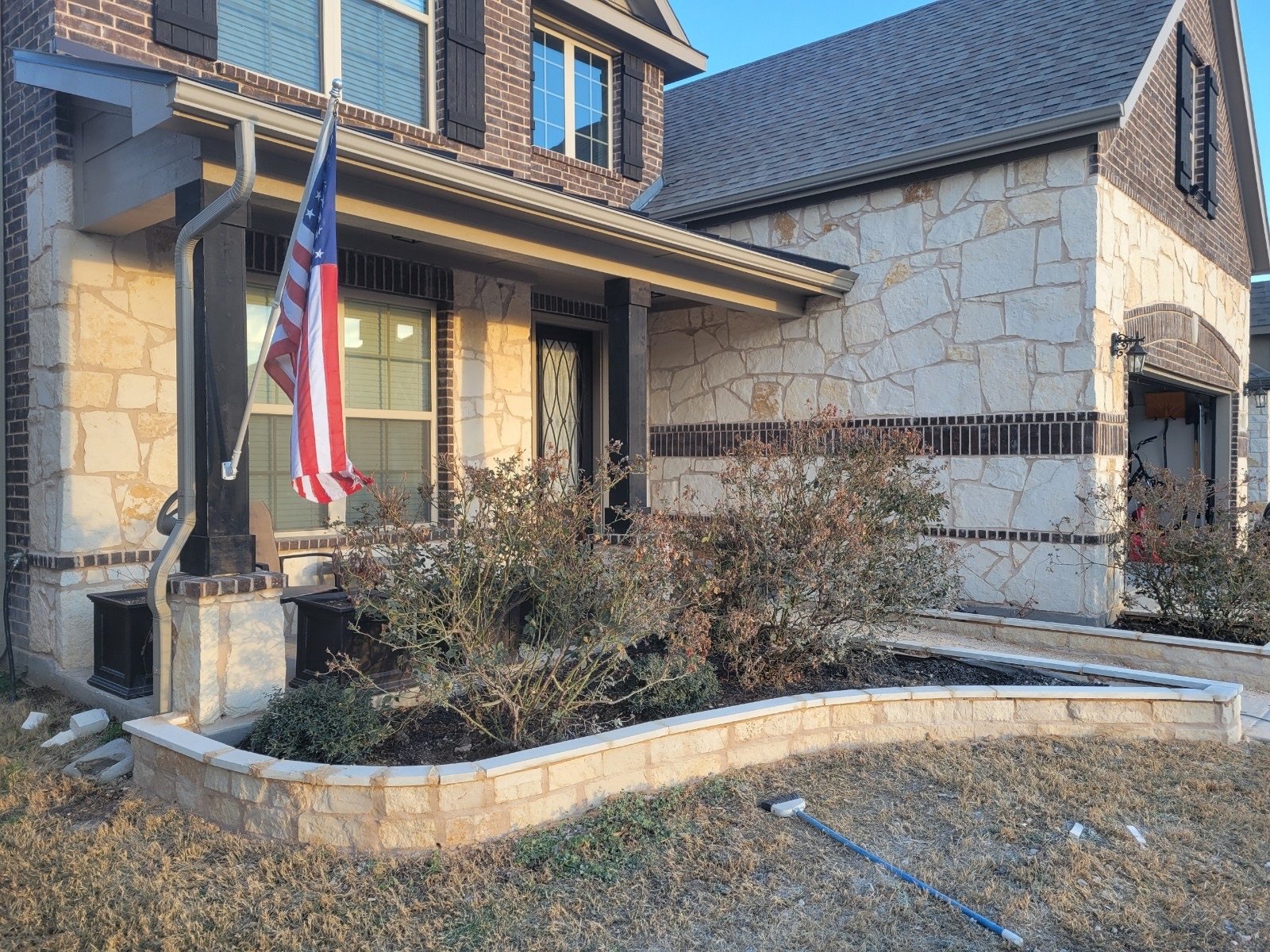
Professional observation: In older Plano properties, the most common surprise during landscape removal is not the plant itself. It is what the plant has been protecting or growing around, like irrigation fittings, edging anchors, and drainage routes.
Set up a safe work zone
Use clear boundaries and signage if you have foot traffic near the area. Keep pets and kids away from the removal zone, especially when using tools that can launch debris. Plan how debris will be staged so it does not create trip hazards across walkways or driveways.
Identify irrigation and other buried components
Even if you think the plants are “above ground,” roots and edging often hide sprinkler lines and wiring. If you have an irrigation system, confirm where the sprinkler heads and main lines are located before you dig. If your property includes irrigation you want to keep, consider coordinating the removal with irrigation installation and repair planning so broken components are handled promptly.
For related work, you can review sprinkler system installation and irrigation to understand how systems are typically laid out and protected.
Treat hardscape-adjacent areas like “no-dig zones”
Pavers, patios, pathways, and edging can shift when the soil support is removed. Before cutting roots near pavers or concrete, decide whether you are fully removing the hardscape or keeping it. If you are changing the layout, plan the sequence so removal does not undermine what is staying.
Main Things Customers Should Understand
Removal safety is not just about personal protection. It is also about preventing yard damage that can show up later as pooling water, sunken edging, or sprinkler performance problems. A careful sequence and the right tools help you remove what you want while keeping the rest of your property stable.
Root control and debris containment
Roots can pop free and throw soil. Work in smaller sections so you can manage where debris goes. Keep a plan for disposal so materials do not pile up in areas where someone might trip.
Tool choice based on what is being removed
Scraping, cutting, and digging each create different hazards. Use sharp tools for clean cuts and avoid aggressive prying near irrigation or hardscape edges.
Sequence matters for drainage
If you disturb soil around slopes, beds, or drainage pathways, water may not flow the same way afterward. Plan how the yard will be regraded or rebuilt before you leave the area exposed.
A common firsthand-style scenario we see
One Plano homeowner wanted to remove an overgrown bed along the front walkway. The digging started at the plant line, and only after the first section was loosened did the irrigation head show up underneath the soil layer. The fix was not “more digging.” It was stopping the removal, adjusting the work zone, and protecting the irrigation components so the head could be serviced without damaging nearby edging.
Practical recommendation: If irrigation or lighting is present, treat landscape removal like a system project. Coordinate the removal steps with the plan for landscape lighting installation or irrigation work you intend to keep or upgrade.
Why This Matters in Plano, TX
Plano and Collin County properties often include a mix of established shrubs, older irrigation, and hardscape features that have been in place long enough to “lock in” their surrounding soil. When you remove vegetation without protecting the edges and lines, you can create new drainage issues or expose fittings that were previously stable.
If your replacement plan includes new landscaping installation, plan the handoff between removal and rebuild. You can explore the broader process via landscape installation so your removal work supports a smoother rebuild.
| Situation you are facing | Safer approach | What to prevent |
|---|---|---|
| Sprinklers or irrigation lines are suspected near the bed | Mark sprinkler heads, work in sections, and confirm line locations before digging | Irrigation breaks and sprinkler misalignment |
| Plants are intertwined with pavers, edging, or a walkway | Decide whether hardscape stays or goes before cutting roots near edges | Loosened pavers and uneven walkway support |
| Water pools after you disturb soil | Stop and recheck grading and drainage pathways before you leave the area exposed | Ongoing drainage problems that can affect landscaping replacement |
| You plan to replace with turf or new lawn | Coordinate removal timing with sod or turf installation planning | Exposed soil staying too long before new coverage |
Need help planning safe landscape removal in Plano?
If you are working around irrigation, hardscape edges, or a drainage-sensitive area, a quick onsite plan can reduce risks and keep your rebuild on track.
Call Plano Landscaping CompanyCommon Mistakes to Avoid
Most removal problems come from skipping a step, not from trying to remove too much. Here are the mistakes that most often lead to avoidable damage or delays.
- Digging without marking sprinkler heads: Even a small break in a line can affect coverage and performance later.
- Removing soil support under pavers and edging: If you pull roots and loosen surrounding soil, hardscape can shift or settle.
- Leaving the area exposed too long: Disturbed soil can wash or erode, especially after rain. That is a safety and planning issue, not just a cosmetic one.
- Using the wrong tool near hidden lines: Aggressive prying or cutting can damage irrigation components or wiring you did not expect.
- Not managing debris staging: Piles of branches, rocks, and soil can create trip hazards for anyone walking near the project.
Customer Checklist
Use this quick checklist before you start landscape removal in Plano, TX. If you can check most items off, you are already ahead in safety and prevention.
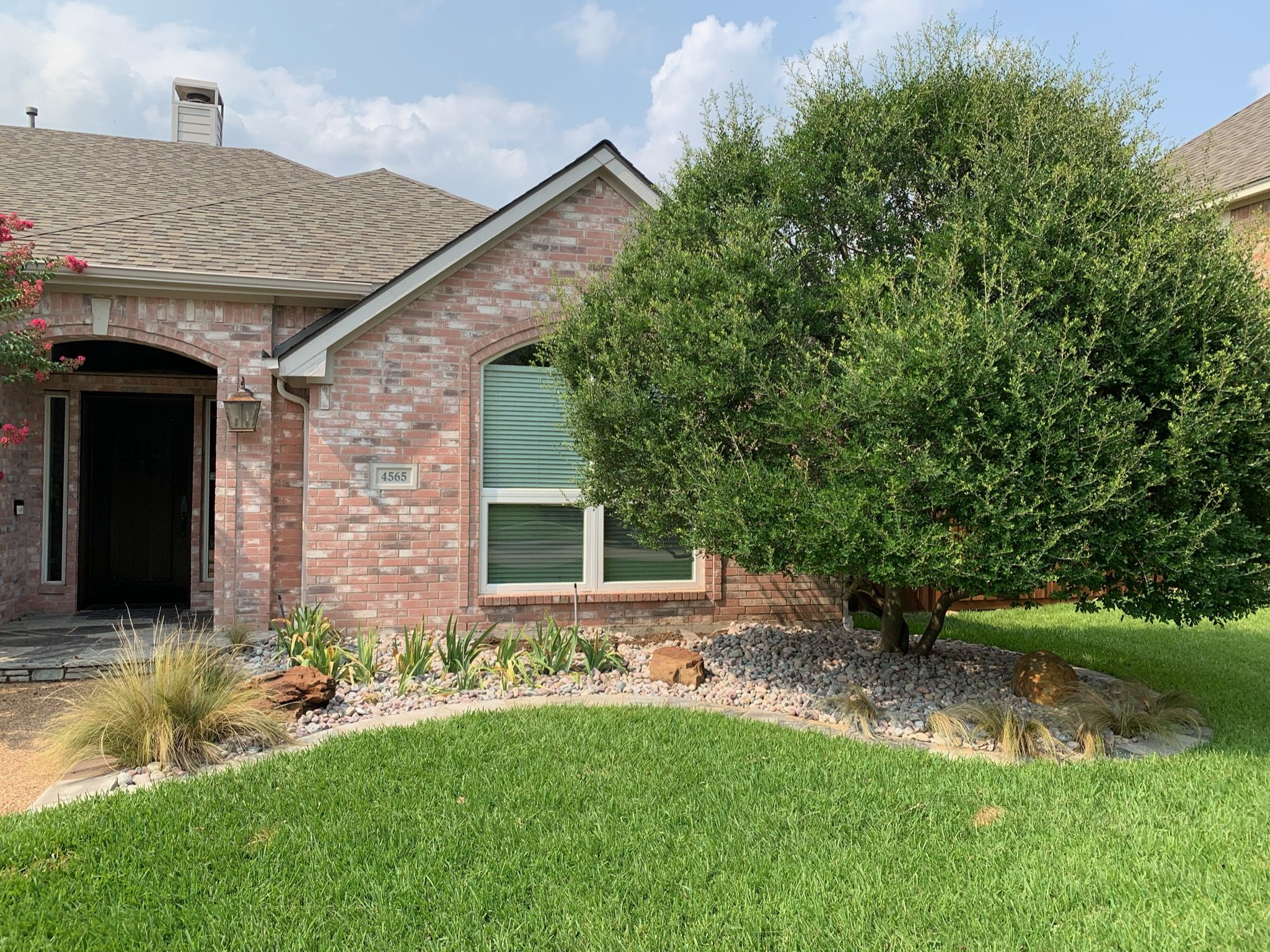
- Define the work zone and keep kids and pets out of the area.
- Mark sprinkler heads, irrigation components, and any visible wiring or lighting fixtures.
- Decide whether hardscape (pavers, edging, pathways) is staying or being removed.
- Plan debris staging so it does not block walkways or create trip hazards.
- Work in smaller sections so roots and debris stay controllable.
- Protect surrounding plants and lawn areas you plan to keep.
- Watch for drainage changes while you remove soil and adjust grading if needed.
- Coordinate the next step (replacement install) so the yard is not left exposed.
Representative Scenario: From removal to rebuild
A common approach for a Plano backyard patio refresh is to remove old planting beds and shrubs first, then stabilize edges, and finally prepare the ground for the new surface. In these cases, the safest workflow is usually to confirm where irrigation and drainage run before any digging, then remove vegetation in sections, and only afterward finalize the grading needed for new installation.
If your project includes outdoor living updates, you may also review paver patio installation or pathway installation so your removal work matches the rebuild plan.
Frequently asked questions
How can I tell if irrigation lines are near the plants I want to remove?
Start by looking for sprinkler heads, valve boxes, and any visible irrigation components near the bed. If you do not have a layout map, proceed conservatively: mark suspected heads, work in smaller sections, and avoid deep digging until you confirm what is underneath. If you are coordinating with irrigation work, aligning removal with sprinkler system installation and irrigation planning can reduce surprises.
Is it safer to remove shrubs by pulling them out or cutting them first?
Cutting first often helps you control where roots separate, especially when plants are intertwined with nearby edging. Pulling can be unpredictable if roots are still anchored below the surface. For safety, work in sections and use the right tool for the material you are removing. If you see hardscape connections or suspected buried lines, slow down and reassess before you pry.
What should I do if I disturb soil and the area starts pooling water?
Stop and recheck grading and drainage pathways. Pooling can happen when soil support is removed or when the slope changes during removal. Before you leave the area exposed, plan how you will restore the proper flow or coordinate with your landscaping replacement plan. Addressing drainage early is also a safety step, because it helps prevent slippery surfaces and further soil movement.
Can landscape removal affect pavers and walkways?
Yes. Pavers, patios, and pathways depend on stable base support. When you remove soil and roots near edges, the surrounding ground can shift, causing settling or uneven surfaces. If you are keeping hardscape, treat those areas as “no-dig” until you know how close you can work without undermining the base.
What is the safest way to stage debris during old landscaping removal?
Stage debris so it stays off walkways and drive paths. Use clear boundaries to keep people from stepping around piles. Keep heavier materials stable to prevent tipping, and manage soil and small branches separately to reduce tripping hazards. If you are planning replacement work, keep the route clear for tools and materials so the project does not become a safety obstacle.
Ready to remove and rebuild with less risk?
If you want a safer plan for landscape removal in Plano, TX, Plano Landscaping Company can help you coordinate the work around irrigation, hardscape edges, and drainage-sensitive areas.
Review landscape removal services
About Plano Landscaping Company
Plano Landscaping Company provides landscaping services for property owners throughout Plano, TX and Collin County, including landscape removal planning and coordinated installation work. If your project involves irrigation, hardscape-adjacent beds, or drainage-sensitive areas, we focus on practical sequencing and prevention so your yard rebuild starts on solid ground.