
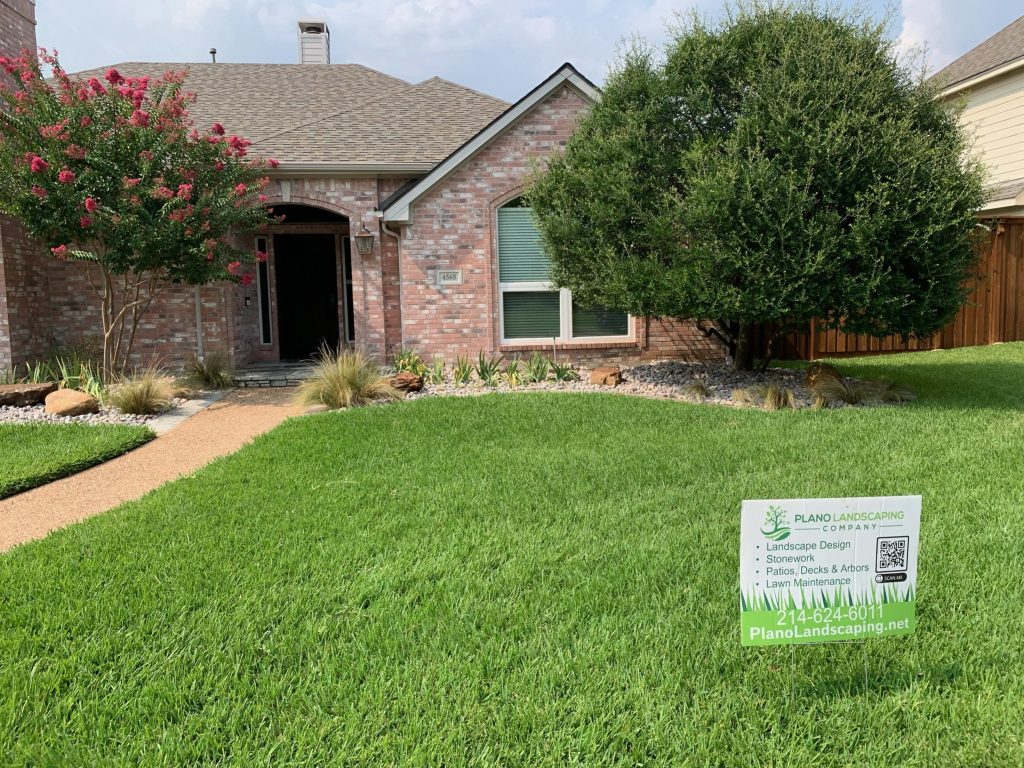
Safe lawn care maintenance tips for pets and kids
If you are trying to keep the yard looking great in Plano, TX while your kids play outside and your pets roam, you need a maintenance plan that is practical and safety-minded. This guide walks you through the checks that matter most, from trimming and edging habits to safer timing for yard work and lawn care maintenance.
Last week, a homeowner in Plano called about a “freshly worked” lawn that looked better immediately, but the kids wanted to run outside right away. The pets also kept sniffing around the same spots, and the family realized they did not have a clear plan for what to do after mowing, trimming, or treating weeds.
Whether your yard is mostly grass, sod, or a mix of beds and hardscape, small maintenance decisions can affect comfort and safety. Below, you will learn what to check first, what to avoid, and how to keep outdoor play areas more kid- and pet-friendly while still staying on top of landscape maintenance.
- Quick answer
- What to check first
- Main things customers should understand
- Why this matters in Plano
- Common mistakes to avoid
- Customer checklist
- Frequently asked questions
Quick Answer
For a safer yard for pets and kids, plan your maintenance around timing and cleanup: trim and edge when you can keep traffic off the area, remove clippings and debris promptly, and follow product label directions for any weed control or lawn care maintenance steps. If you are unsure about a treatment schedule, choose mechanical options first (mowing height, careful trimming, and targeted landscape removal) and keep children and pets away until surfaces are dry and debris is cleared. A local landscaping team can also help coordinate safer sequences for mowing, trimming, and irrigation work.
What to Check First
Start with the “contact points” your family uses most: the areas where kids run, where pets rest, and where shoes and paws repeatedly track across the yard. If those zones have visible clippings, loose mulch, or freshly disturbed soil, treat them like they are still “under maintenance,” not ready for immediate play.
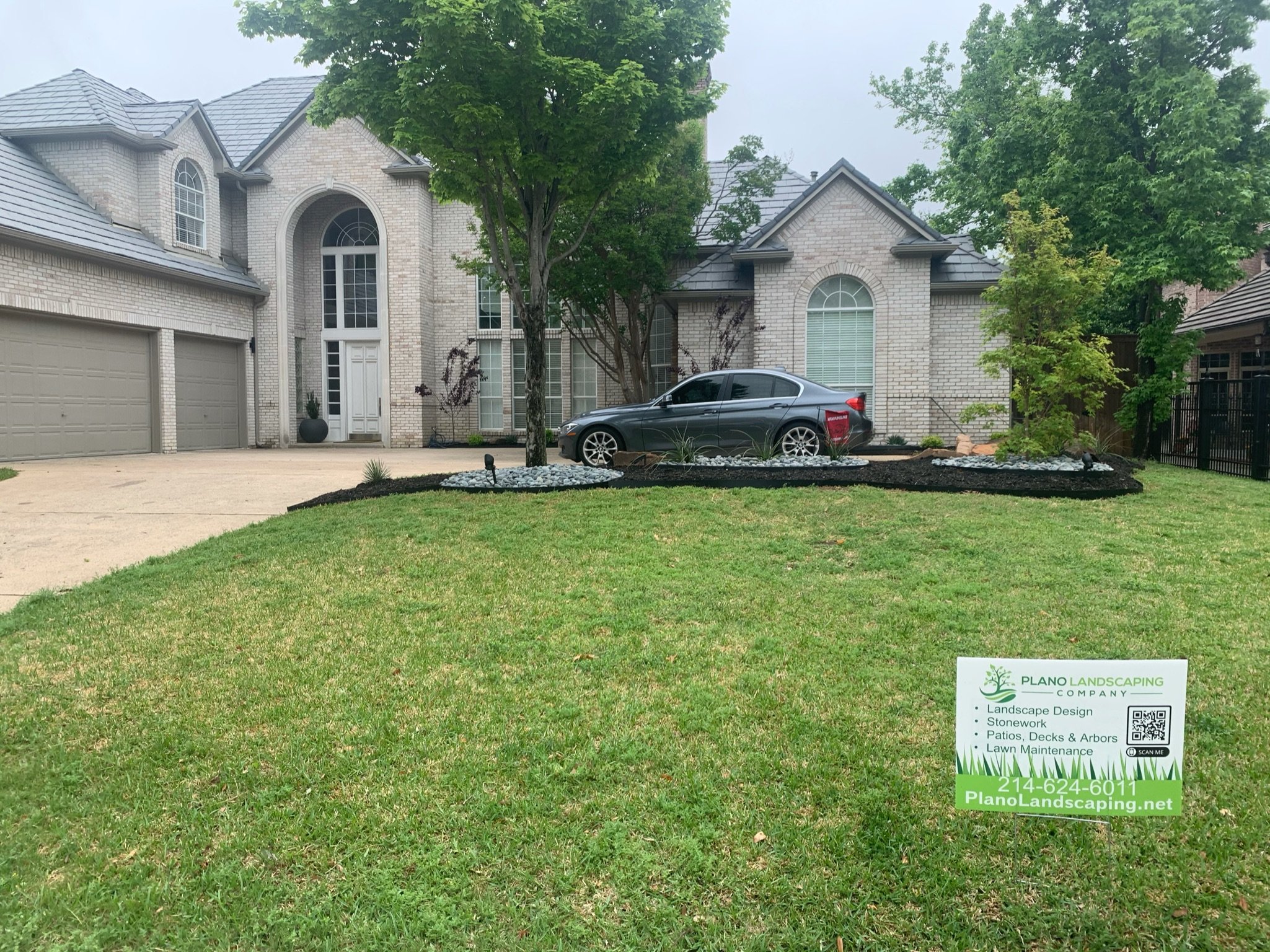
Next, look at how your yard gets water. In Plano, TX, sprinkler system installation and irrigation settings can contribute to damp surfaces that stay wet longer than expected, especially after trimming or landscape cleanup. If your grass stays moist, you will often want a longer buffer time before kids and pets return to the area.
Professional observation: The fastest safety wins are usually not complicated products. They are cleanup habits, better timing, and choosing the right maintenance sequence for mowing, trimming, and irrigation so the yard is dry and clear when play starts.
Main Things Customers Should Understand
In real yards, “safety” is rarely one single action. It is the combination of how you maintain the lawn, how you handle weeds and clippings, and how you manage the edges around beds, paths, and hardscape. That is especially true if your property includes paver patio installation, pergola installation, pathway installation, or landscape lighting near play zones.
1) Trimming and edging: remove the evidence
After lawn trimming or hedge trimming, expect small debris to collect along the ground. Sweep or rake clippings out of play areas so kids do not end up with itchy plant bits on hands and pets do not ingest loose material. If you have established beds, keep trimmings contained so they do not mix into turf.
2) Lawn care maintenance timing for Plano schedules
Try to plan maintenance when you can keep foot traffic off the yard for the rest of the day. Even when there is no obvious “mess,” freshly worked soil and damp patches can make it easy for pets to track moisture or for kids to pick up plant material. If you are coordinating irrigation or sprinkler system installation, avoid starting outdoor play right after adjustments.
3) Weed control choices: start with mechanical options
If weeds are the main concern, many homeowners get better results by beginning with landscape removal and old landscaping removal practices before using any lawn care product. Removing what you can also reduces the number of “problem spots” that require repeated attention, which helps keep the yard calmer for pets and kids.
For homeowners focused on broader yard renewal, professional landscape removal can help clear out overgrown areas so maintenance is less frequent and more targeted.
4) Hardscape and edge protection
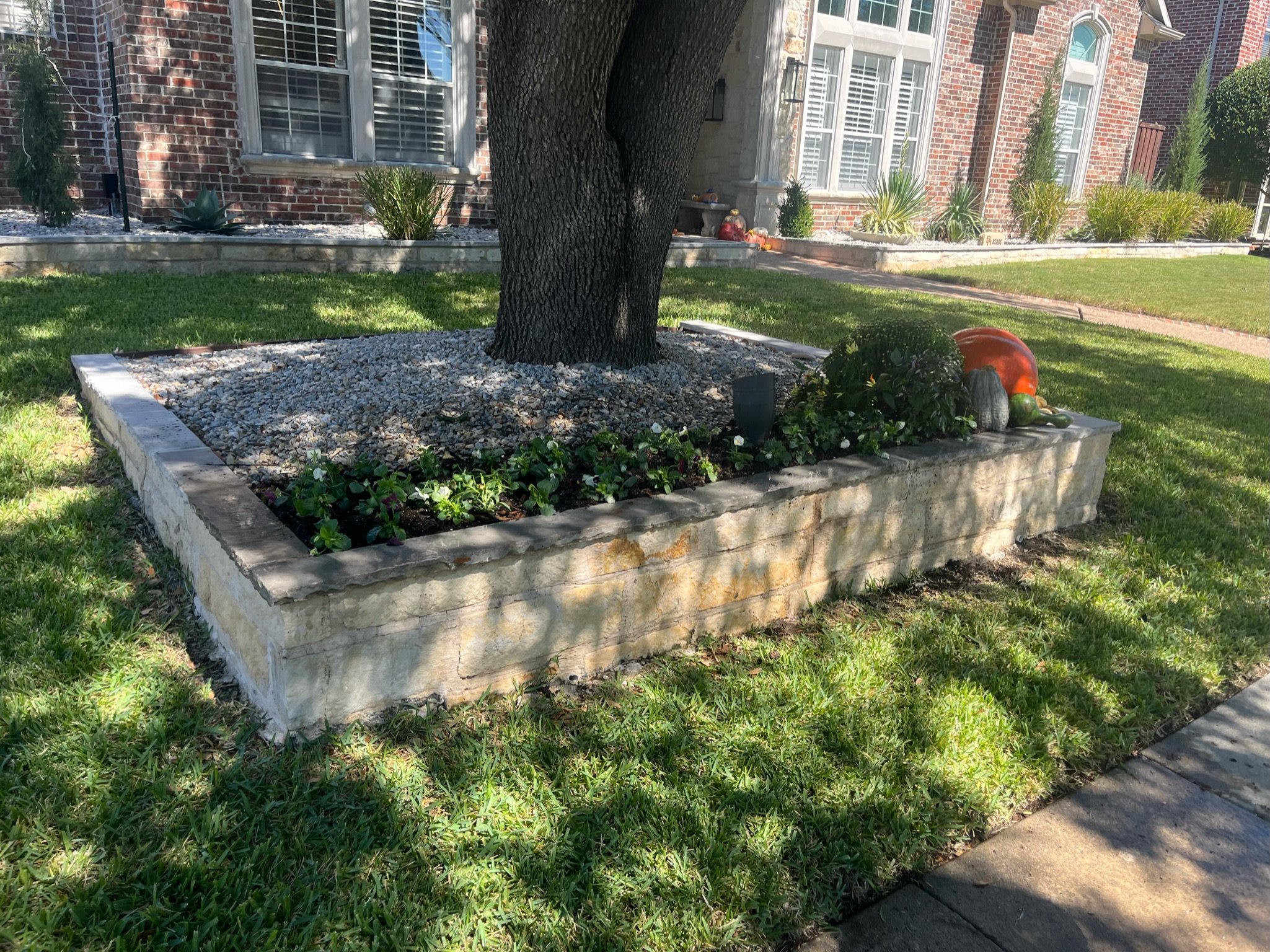
If your yard includes patios, decks, arbors, or pathways, edges can become “collection zones” where clippings and small debris build up. Keeping those borders clean makes the whole property feel safer, and it also improves how well turf and beds stay separated.
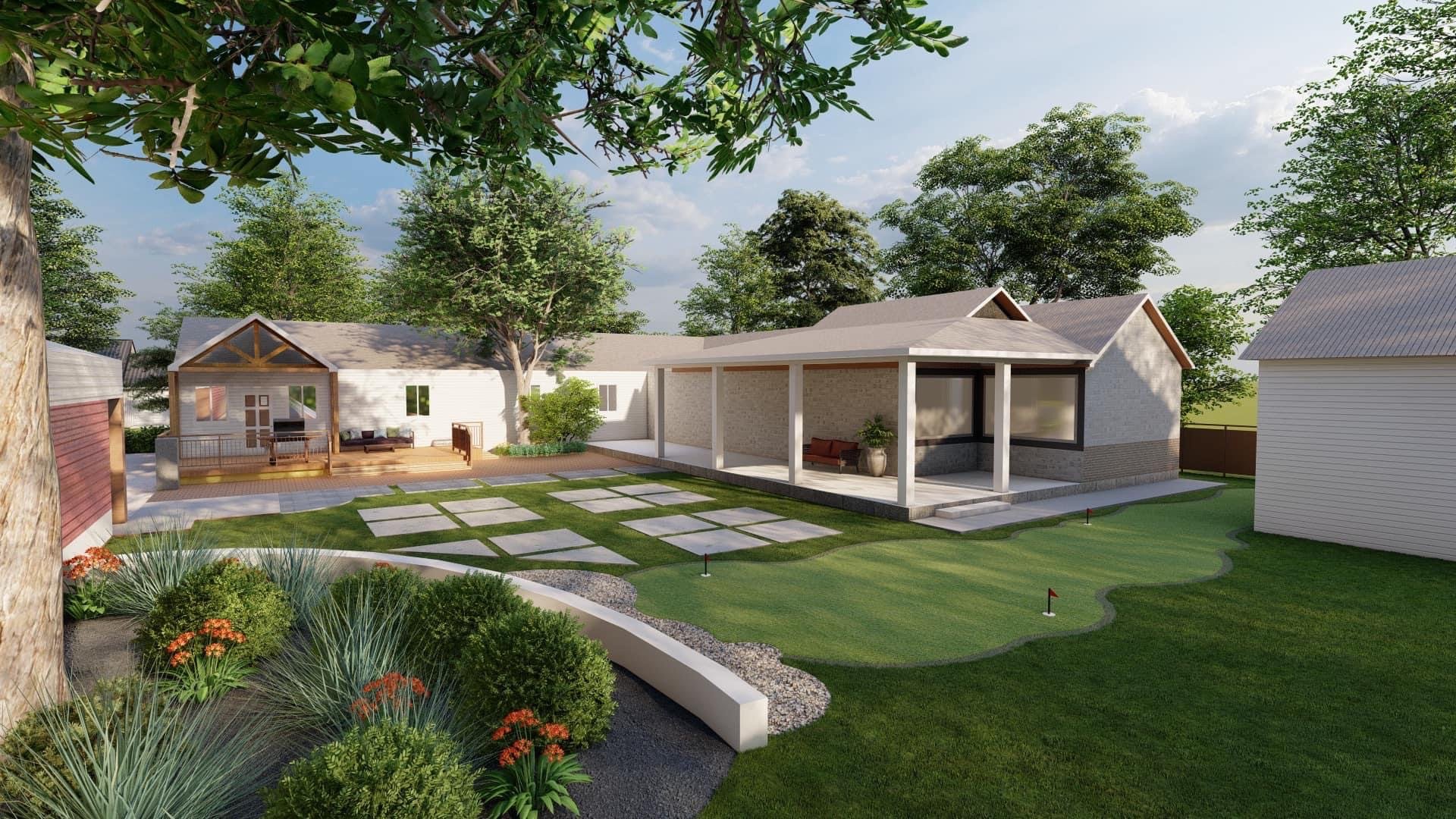
If you are updating outdoor living spaces, consider how maintenance-friendly the layout will be. For example, a well planned paver patio installation can reduce mud tracking and give you a clear, stable zone for play and cleanup.
Why This Matters in Plano, TX
In Plano, TX, the yard’s pace changes with the seasons. Warm periods can mean faster growth and quicker cleanup cycles, while cooler transitions can leave lawns looking uneven if trimming and irrigation adjustments happen out of sync. When pets and kids are outside daily, “out-of-sequence” maintenance often causes the most frustration, because the yard looks ready, but the surface is still unsettled or damp.
One firsthand-style pattern we see during landscaping maintenance visits is that families try to do everything in one afternoon. Mowing, trimming, and irrigation adjustments all happen back-to-back, and then the yard gets used immediately. The result is usually not dangerous in a dramatic way, but it is messy enough that pets keep returning to disturbed areas and kids end up with debris on their hands.
Coordinating your lawn care maintenance as a sequence, not a checklist, helps keep play areas cleaner and supports healthier turf.
| Yard task | What usually makes it feel “unsafe” to kids/pets | Safer customer approach |
|---|---|---|
| Mowing and edging | Clippings and loose debris near play zones | Clear clippings promptly, keep traffic off turf until cleanup is complete |
| Shrub trimming and hedge trimming | Plant bits on the ground and along borders | Rake or sweep the edges, then only resume play after the debris is removed |
| Landscape removal | Disturbed soil and mixed materials | Cover or contain disturbed areas, and keep pets away until the yard is re-stabilized |
| Irrigation adjustments | Damp patches that remain wet longer | Recheck settings and allow time for surfaces to dry before heavy yard use |
Need a safer maintenance plan for your Plano yard?
Tell us what your kids and pets use most each day. Plano Landscaping Company can help you coordinate trimming, cleanup, and irrigation-related maintenance so the yard is ready for play.
Call (214) 624-6011Common Mistakes to Avoid
Most “almost ready” yard moments happen because a step is skipped, rushed, or repeated without realizing what it does to the ground surface. If you want fewer surprises for your kids and pets, avoid these common patterns.
Skipping cleanup after trimming
Even small amounts of clippings can end up on hands, paws, and toys. Sweep or rake play zones right after trimming instead of waiting until the next day.
Using the yard immediately after maintenance
If soil was disturbed, edges were cut, or irrigation was adjusted, surfaces may stay unsettled or damp. Give the yard time to dry and settle before kids and pets return.
Trying to solve weed problems with repeated spot attempts
Repeated, scattered spot work often creates more disturbed areas than needed. Start with targeted old landscaping removal where appropriate, then maintain consistently.
Customer Checklist
Use this quick checklist before and after lawn work. It is designed to help you keep the areas your family uses most clean, dry, and more comfortable for pets and kids.
- Confirm the play zones you need ready first (turf, pathways, and patio edges).
- Plan maintenance so you can keep kids and pets off the yard until cleanup is complete.
- After trimming or mowing, remove clippings and debris from turf and borders immediately.
- Check hardscape edges for debris buildup near pathways and seating areas.
- If irrigation was adjusted, allow time for surfaces to dry before play resumes.
- For weed control, start with mechanical options where possible and avoid repeated “spot” disruptions.
Representative scenario: a Plano family weekend reset
A family in Plano sets aside Saturday morning for lawn care maintenance. They mow and edge first, then do shrub trimming along the front bed. Instead of letting kids go out right away, they rake clippings into a single controlled pile and clear the turf edges. Midday, they adjust irrigation run times to reduce damp patches. By late afternoon, the yard looks finished and the family’s pets have stopped returning to disturbed spots.
If you are also refreshing parts of the yard, choosing a maintenance-friendly layout helps. For example, adding or upgrading pathway installation can reduce muddy tracking and keep the areas kids use most easier to clean after trimming.
Frequently asked questions
Here are common questions Plano homeowners have when they want a cleaner, safer yard for pets and kids while still keeping lawn care maintenance on track.
How long should we keep pets and kids out after lawn trimming?
Most families use a simple rule: keep traffic off the yard until clippings and debris are fully removed and the trimmed areas are dry. If your maintenance included irrigation adjustments, allow extra time for damp spots to settle. When in doubt, plan maintenance for a time when you can keep pets and kids away for the rest of the day, then do a final visual check before play resumes.
Do we need to worry about yard debris more than lawn treatments?
In many homes, debris is the most immediate issue. Trimming and mowing can leave plant bits, clippings, and loose material in the same areas children crawl and pets sniff. Clearing that debris right after the work is often the fastest way to reduce the “why does my yard feel messy?” problem. If you use any weed control steps, follow the label directions and avoid letting pets and kids return until the surface is ready for normal yard use.
What if my sprinkler system keeps the lawn damp after maintenance?
Dampness can linger when irrigation schedules and run times are not aligned with current yard conditions. After any sprinkler system work, it helps to verify that the timing supports drying before heavy yard use. If you suspect your irrigation setup is contributing to wet patches, ask a landscaping professional to review your sprinkler system installation and irrigation settings so maintenance and play schedules stay realistic.
Can landscaping removal reduce maintenance stress for families?
Yes. Overgrown or cluttered areas can create more repeated work, which means more times kids and pets need to stay off the lawn. Targeted landscape removal can reduce the frequency of “repeat cleanup” and help you reset the yard into a simpler layout. Once the yard is cleared, ongoing lawn care maintenance is often easier to keep consistent, especially around play zones and edges.
What maintenance changes make the biggest difference for pet-friendly yards?
The biggest difference usually comes from consistent cleanup and fewer “disturbed area” sessions. Keep clippings out of turf edges, sweep around borders, and avoid starting play immediately after trimming or irrigation adjustments. If you are updating outdoor living spaces, layouts that separate play surfaces from bed edges can also reduce the amount of debris that ends up where pets and kids spend time.
Want help making your yard maintenance more kid- and pet-friendly?
Plano Landscaping Company can help you plan lawn care maintenance sequences and yard updates that keep play areas cleaner and easier to manage. Get guidance tailored to your property in Plano and Collin County.
Explore lawn care maintenance
About Plano Landscaping Company
Plano Landscaping Company provides professional landscaping services for homeowners and property owners in Plano, TX and across Collin County, TX, including lawn care maintenance, landscape installation, irrigation installation, and outdoor improvements such as paver patio installation and pergola installation.