
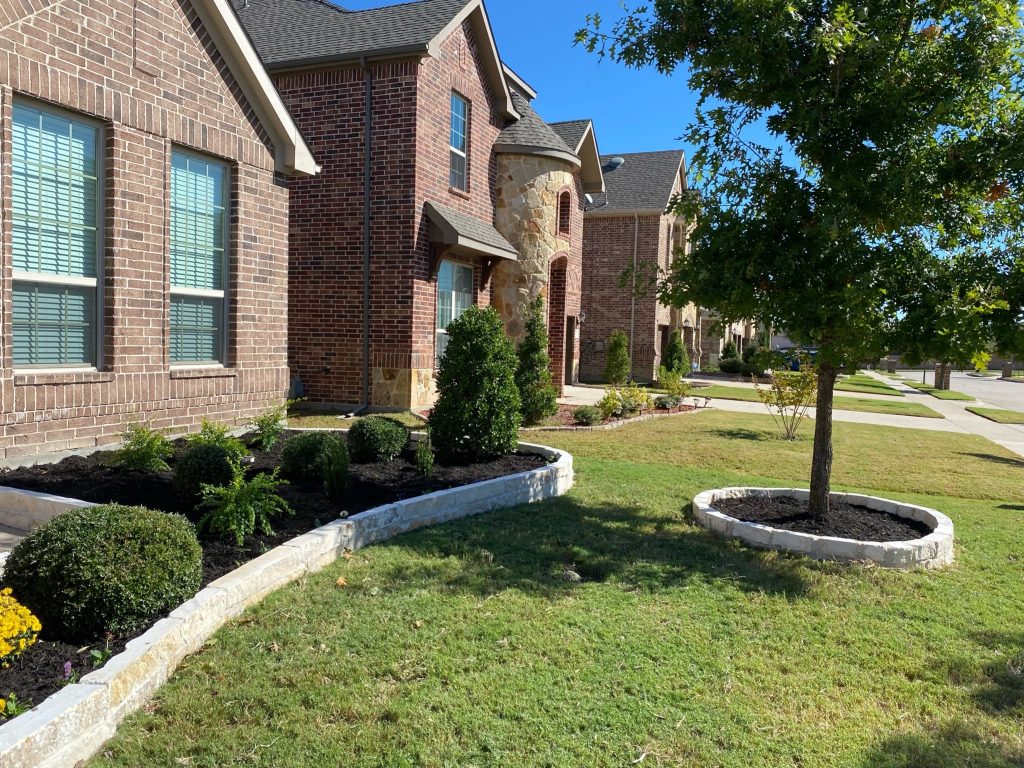
Compare Landscape Installation Options For Sod Replacement
If you are dealing with thinning turf, patchy coverage, or a lawn that will not bounce back, the “right” sod replacement plan depends on what is underneath. This guide helps you compare the most common landscape installation options in and around Plano, TX so your new sod has a real chance to establish.
Last summer, your yard looked fine. Then a few high-traffic spots got worn down, and by early fall you could see the soil through the sod. In Plano, TX, that kind of turf failure often gets blamed on “bad grass,” but the root cause is usually the preparation and drainage conditions underneath.
Now you are trying to decide between a quick patch, a full replacement, or a combined approach that includes removal, grading, and irrigation updates. The wrong choice can lead to uneven color, weak rooting, and recurring trouble in the same areas.
This guide breaks down the practical installation options for sod replacement, what to check first, and how to talk with your local contractor about a plan that fits your yard and your timeline.
- Quick answer
- What to check first
- Main considerations
- Local factors in Plano, TX
- Common mistakes
- Customer checklist
- Frequently asked questions
Quick Answer
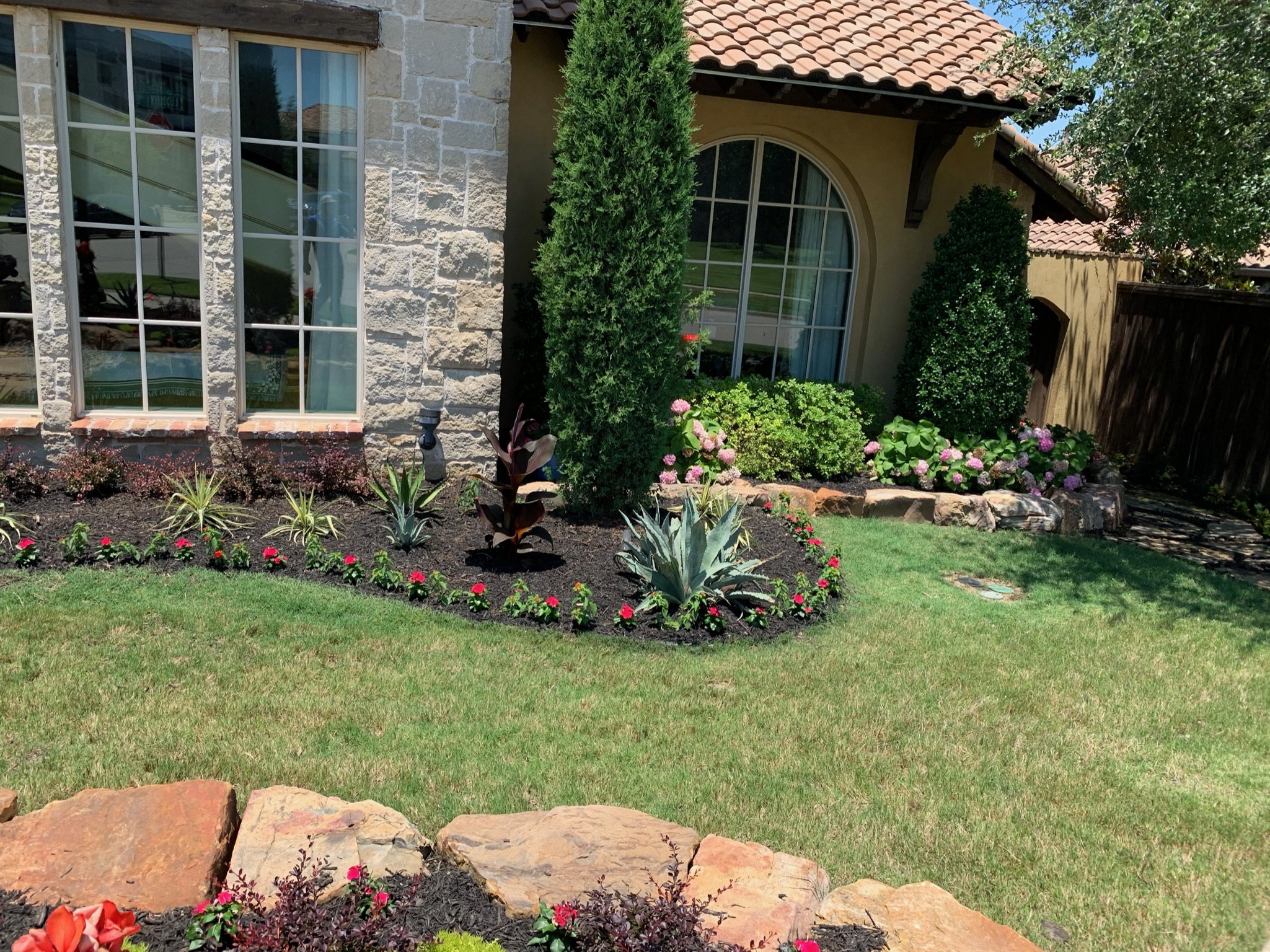
For sod replacement, the best option is the one that matches the problem beneath the turf. If the issue is localized wear, targeted replacement with correct base prep can work well. If the sod failed due to poor drainage, compacted soil, or irrigation coverage gaps, you typically need more than a patch. In Plano, TX, a practical recommendation is to start with a quick inspection of drainage and sprinkler coverage, then choose between spot replacement or full-area preparation. If you are unsure, ask your contractor to explain the root cause before they price the sod installation.
What to Check First
Before comparing installation options, you want clarity on why the old sod did not hold. Spend a few minutes walking your lawn and note patterns. Are the failures in one corner where water collects after rain, or along a walkway where foot traffic is constant? Are there dry rings that line up with sprinkler heads, or does the whole area look uneven?
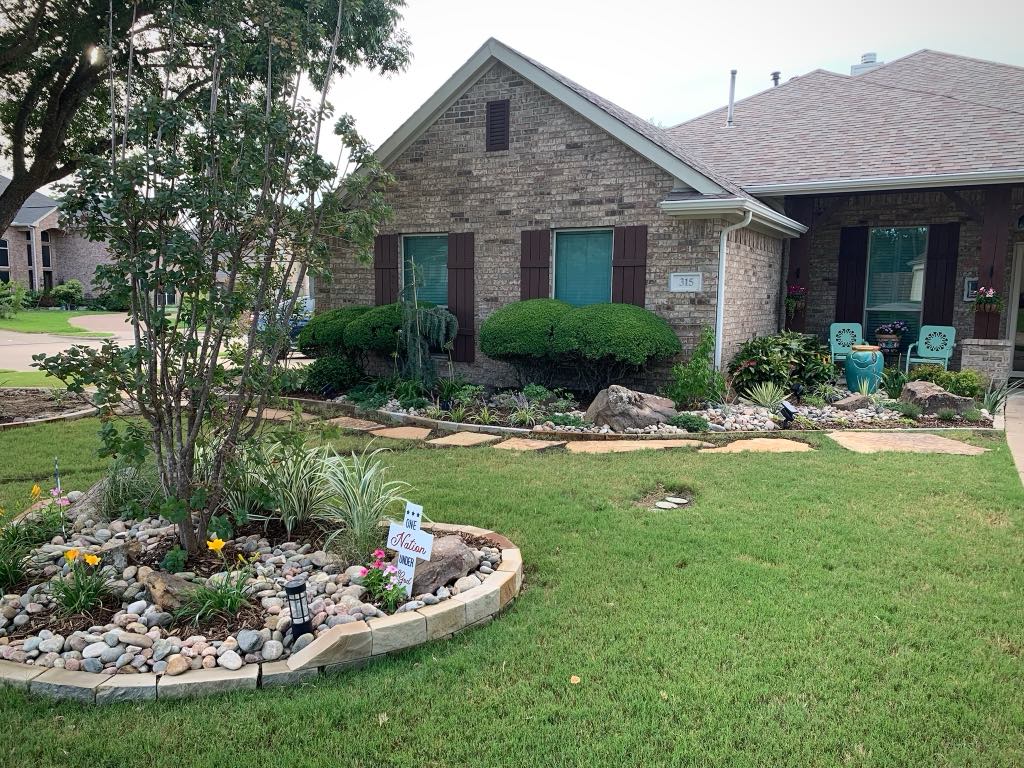
Professional observation: The most expensive sod replacement is the one that repeats the same preparation mistake. A short inspection helps you avoid redoing the same patch in a few months.
Quick yard clues to look for:
- Water behavior: puddles, slow draining spots, or consistently damp areas.
- Soil feel: areas that feel hard or compacted compared to the rest of the yard.
- Sprinkler pattern: dry gaps, overspray onto hardscape, or uneven coverage.
- Edge failure: sod lifting near borders, beds, or driveway transitions.
Main Things Customers Should Understand
When you compare sod replacement options, you are really comparing how much you address the base layer, drainage, and irrigation. Below are the decision points that most often separate a “looks good at first” result from a lawn that stays consistent.
| Installation approach | When it fits best | What to confirm during planning | Where homeowners in Plano, TX often see results |
|---|---|---|---|
| Spot sod replacement | Small worn areas, thin patches, or localized edge failure | Base prep for those zones, clean removal of failing turf, and matching irrigation coverage | High-traffic strips near walkways and play areas |
| Full-area sod replacement | Widespread thinning, repeating brown rings, or uneven turf density | Consistent grading, base quality across the whole lawn, and verified sprinkler performance | Front yards and larger backyards with multiple trouble zones |
| Replacement plus drainage solutions | Water pooling, soggy zones, or persistently damp areas | Drainage route planning and how the lawn grade changes toward that route | Slopes, low spots, and areas near downspout runoff paths |
| Replacement plus irrigation updates | Uneven coverage, dry pockets, or persistent sprinkler mismatch | Sprinkler layout and head adjustments, plus confirmation of even coverage | Backyards with older systems or uneven spray patterns |
If you are already thinking about irrigation, it is worth aligning your sod replacement plan with your watering setup. Uneven coverage is one of the most common reasons new sod fails to root evenly. For a refresher on how irrigation systems are handled during landscape work, review sprinkler system installation and irrigation.
From what we see in the field around Plano, TX, customers often start with the sod and only later realize they needed base corrections. The first round of work can look good right away, but if the soil is compacted, the sod dries out faster in some spots. If drainage is off, it stays wet in others. The most durable outcomes come from pairing sod installation with the right site preparation.
Why This Matters in Plano, TX
Plano yards can face quick swings between hot, dry stretches and periods where runoff becomes the bigger issue. That means your sod replacement has to handle both sides: adequate moisture where it is supposed to be and drainage where it is not. If your lawn sits near a slope, a driveway transition, or a bed edge that directs water, you may need to plan grading and drainage along with installation.
If your existing lawn removal is part of the project, make sure your plan covers more than just lifting sod. Clean, controlled landscape removal helps set up a stable base for new turf and reduces the chances of uneven settling right after installation.
Arbor and pergola considerations
If your sod replacement connects to outdoor living areas, plan how paths, beds, and structures meet the lawn edge. For example, coordinating with pergola installation can help keep transitions clean and consistent.
Hardscape edges and turf lines
Where pavers, patios, or pathways border your lawn, small height differences can show up quickly after sod replacement. Aligning turf edges with your existing layout often prevents lifting and uneven growth near hardscape.
Lawn care continuity
New sod needs ongoing attention after installation. If you want a maintenance plan that supports establishment, start with lawn care maintenance.
Need help choosing the right sod replacement option?
Talk through your yard conditions in Plano, TX and get a clear installation approach that matches the cause of the turf failure.
Call Plano Landscaping CompanyCommon Mistakes to Avoid
Most sod replacement problems do not come from the sod itself. They come from skipping steps that make the new turf match the yard. Here are the mistakes we see most often and what to do instead.
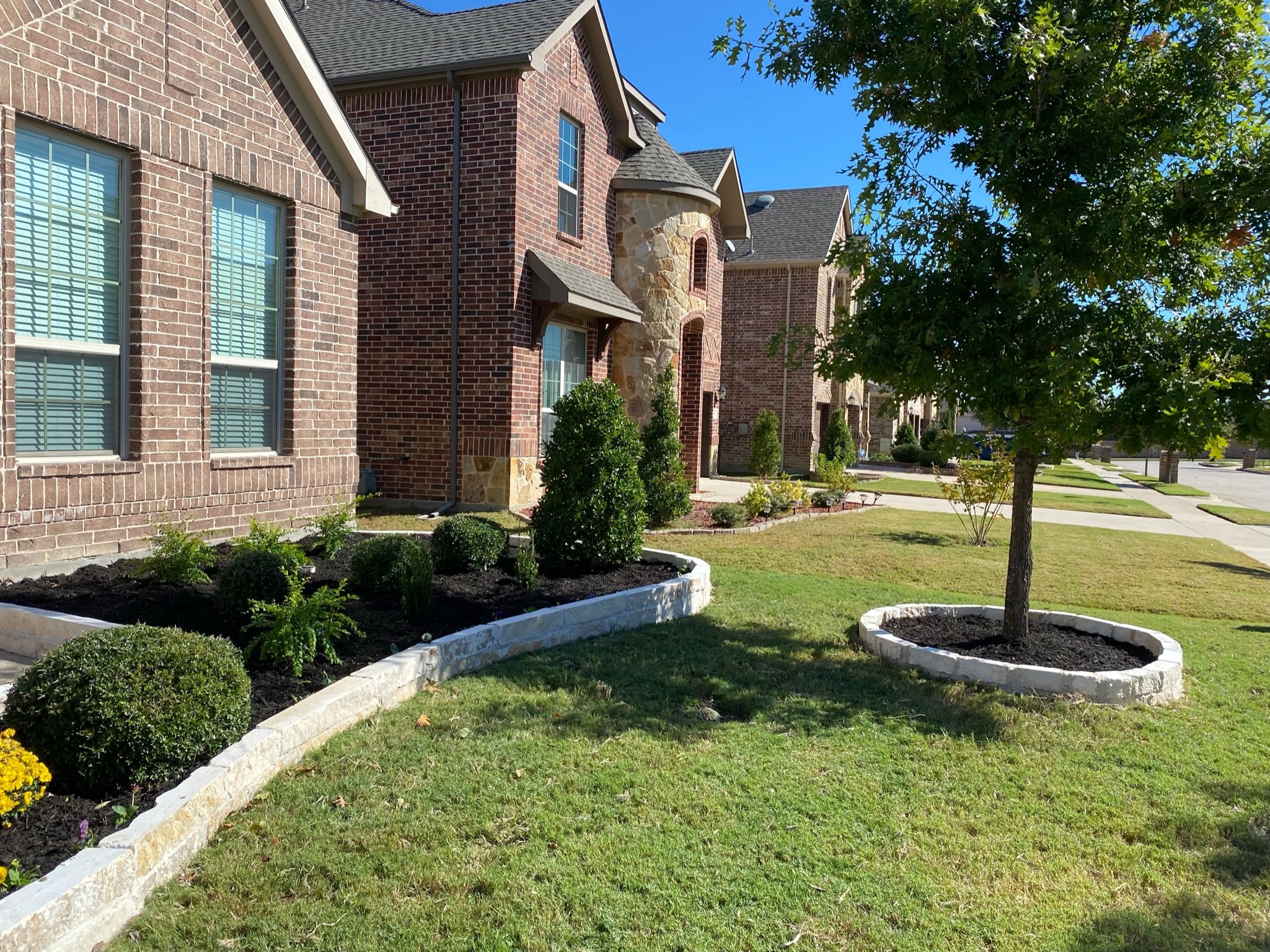
- Replacing sod without addressing drainage: If water stays put, new sod can fail even if the installation looks neat at first.
- Assuming the sprinkler system is “close enough”: Uneven coverage creates patchy rooting and visible banding.
- Overlooking old landscaping debris: Leftover roots and organic buildup can interfere with stable base prep.
- Ignoring hardscape transitions: Uneven edges can lift sod and create gaps that look worse as the lawn settles.
- Choosing spot repair when the whole zone is affected: If failure patterns are widespread, targeted replacement can leave you with repeating trouble.
Customer Checklist
Use this checklist to prepare for a sod replacement discussion. It helps you compare options with confidence and keeps the plan tied to real yard conditions.
- Record the trouble pattern: where it fails, how it spreads, and whether it aligns with sprinkler zones or low spots.
- Confirm irrigation coverage: ask how even watering will be verified before and after installation.
- Ask about removal and base prep: ensure old failing turf and debris are handled so the base is consistent.
- Discuss drainage strategy if needed: identify where water goes and how grading supports that.
- Decide between spot vs. full replacement: base it on the scope of the failure pattern, not just appearance.
- Plan maintenance right after installation: align your watering and care routine with establishment needs.
Representative Scenario
A homeowner in Plano, TX noticed their backyard sod thinning in a curved strip that lined up with a footpath. The first instinct was spot replacement, but the area stayed compacted and dry compared to nearby sections. After reviewing sprinkler coverage and base conditions, the best solution was not just swapping sod. The plan included removal of the failing turf in that zone, base prep for a more consistent rooting surface, and adjustments to support more even watering. The result looked better because the installation matched the actual cause.
Frequently asked questions
Should I replace only the failing areas or the entire lawn?
If the failure is truly localized, spot replacement can be a practical option. If you see repeating patterns across the yard, patchy density, or consistent dry and wet zones, full-area replacement is often the more reliable choice because it lets you standardize base prep and watering coverage. In Plano, TX, align this decision with what you observe after watering and rainfall. A quick inspection of drainage and sprinkler performance can help you choose the right scope.
How do I know if my irrigation setup is causing sod failure?
Look for patterns that match sprinkler zones. Dry rings, uneven color, or areas that stay consistently damp can point to coverage gaps or distribution issues. If your sod replacement plan does not include verifying sprinkler performance, you may end up redoing work because the new turf is not getting the same moisture throughout. For irrigation-related guidance, you can review sprinkler system installation and irrigation.
What does “proper base prep” usually include?
Base prep is about creating a consistent rooting surface for the new sod. It typically involves removing failing turf and debris from the affected area, addressing compacted or uneven ground, and preparing the site so the new sod sits evenly. If the yard has drainage concerns, base prep also connects to how water moves across the lawn. When you compare installation options, ask what preparation steps are included for your specific issue.
Can drainage problems be fixed during sod replacement?
Often, yes. If water pools or stays in low spots, the sod replacement plan may need grading adjustments or a drainage strategy so the new turf does not stay too wet or too dry. The key is matching the drainage solution to your yard layout and observed water behavior. In Plano, TX, coordinating drainage planning with sod installation helps prevent the same failure pattern from coming back.
How do I keep new sod looking even after installation?
Even appearance usually comes from consistent watering, correct installation, and prompt follow-through on maintenance. Ask your contractor about the watering approach during establishment and how your system will be supported for uniform coverage. After that, plan regular lawn care based on your yard’s needs. If you want a starting point, review lawn care maintenance for guidance that supports a healthy lawn.
Ready to plan your sod replacement in Plano, TX?
Bring your yard notes and photos. We will help you compare options based on what is happening underneath the turf, not just what you see on the surface.
Explore Sod Installation Services
About Plano Landscaping Company
Plano Landscaping Company provides landscaping services for homeowners and property managers across Plano, TX and Collin County, TX. From landscape installation and sod installation to irrigation and outdoor improvements, we focus on practical jobsite planning that supports long-lasting results.