
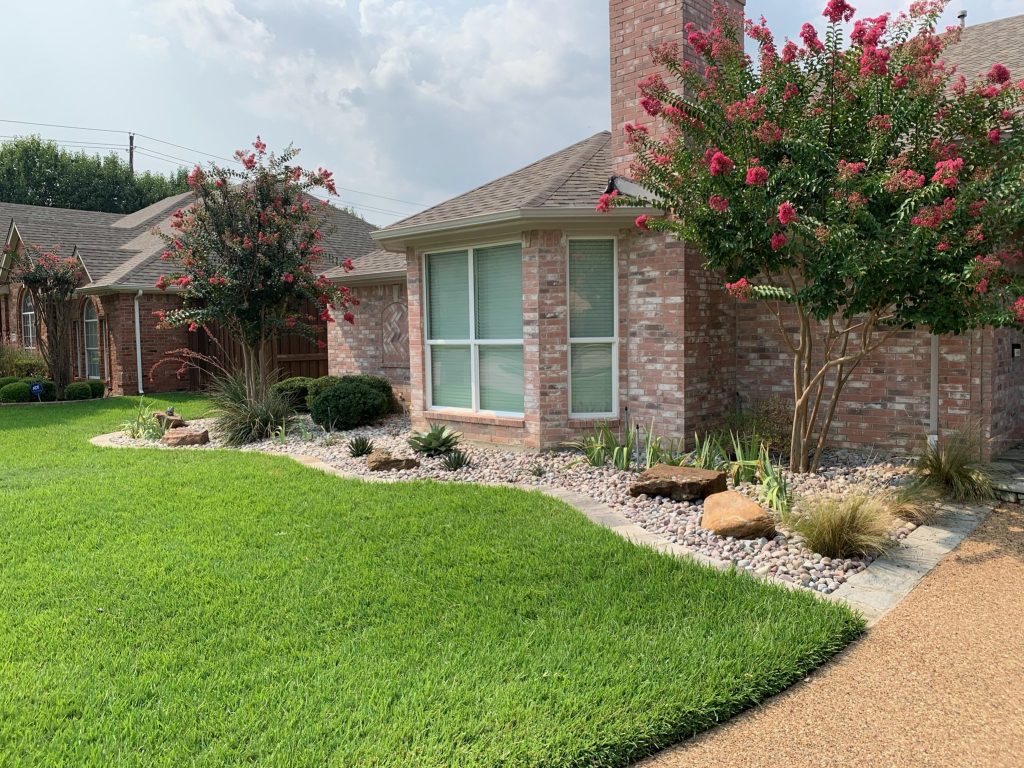
Prevent Weed Problems With Professional Sod Installation Techniques
If you are installing sod in Plano, TX, you want a uniform lawn fast. The frustrating part is that weeds can still show up if the groundwork and installation details are rushed. This guide explains how experienced sod installation helps reduce weed pressure and what you should watch for during the process.
After laying sod, homeowners in Plano often notice small weed pockets along edges, seams, or low spots. It can feel like the sod “failed,” but the real cause is usually something that happened before the first strip was rolled out.
Weeds thrive where soil is disturbed, where gaps let seeds reach the surface, or where drainage and compaction are inconsistent. Below, you will find a practical breakdown of the installation steps that reduce those weak points, plus a checklist you can use to evaluate your project.
- Quick answer
- What to check first
- Main things customers should understand
- Why this matters in Plano, TX
- Common mistakes to avoid
- Customer checklist
- Frequently asked questions
Quick Answer
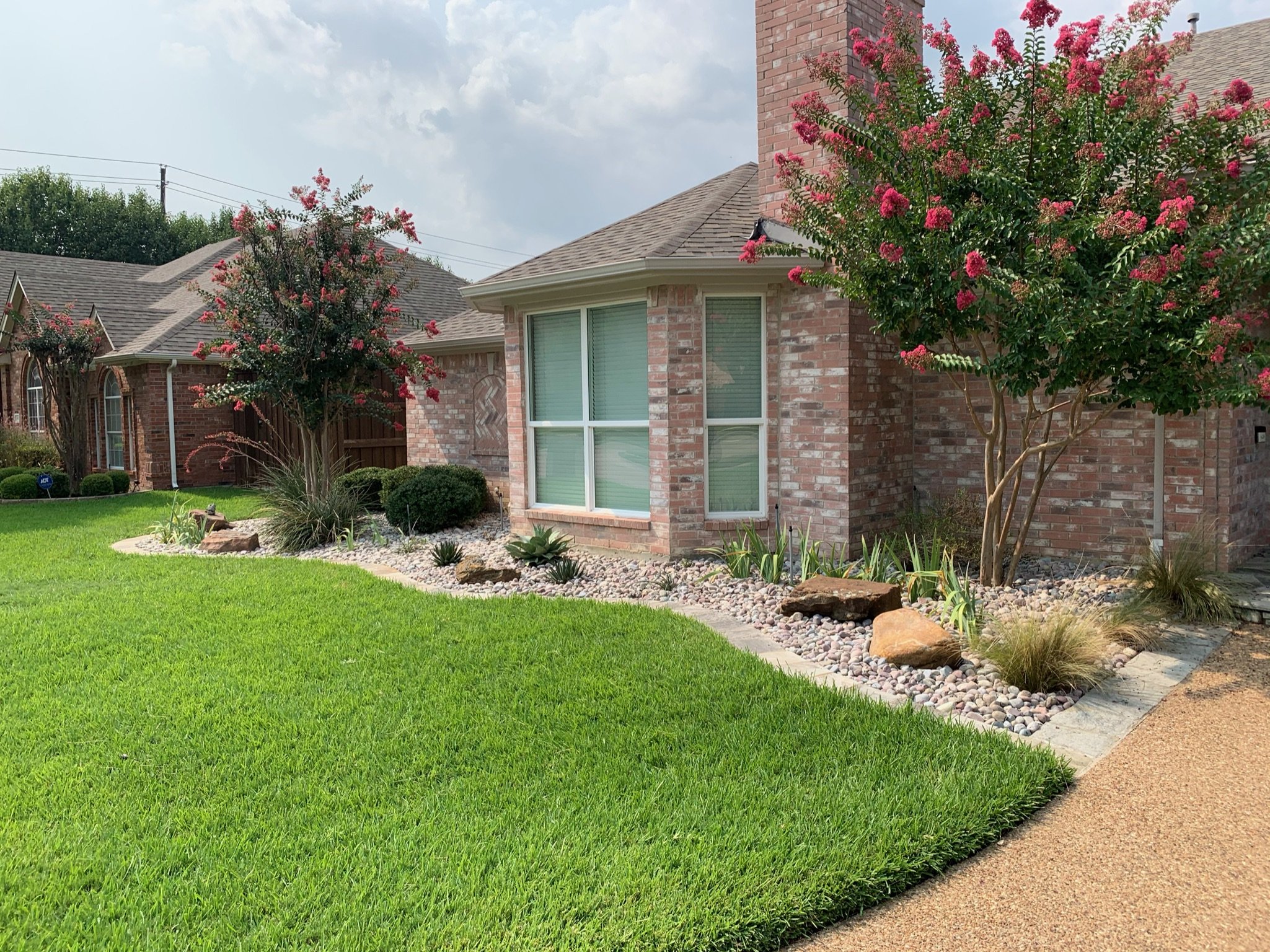
To prevent weed problems after sod installation, focus on site prep and installation details: remove existing vegetation thoroughly, grade for consistent drainage, compact the base appropriately, and install strips tightly with minimal seams. A professional should also plan for irrigation coverage so the sod establishes evenly instead of leaving dry gaps where weeds can take hold. If you are seeing weeds emerging, address the cause first (gaps, uneven grade, or missed prep), then correct watering and maintenance. For help with sod installation in Plano, TX, contact Plano Landscaping Company for sod installation services.
What to Check First
Before you judge the finished lawn, check the “before” conditions. Weed pressure often starts with old landscaping that was not fully removed, soil that was not leveled, or drainage that causes puddling and thin turf. If you have areas where water runs off quickly or collects after rain, those spots tend to become the first weed zones. Also look at edges along driveways, fences, and beds where seams are most likely to open.
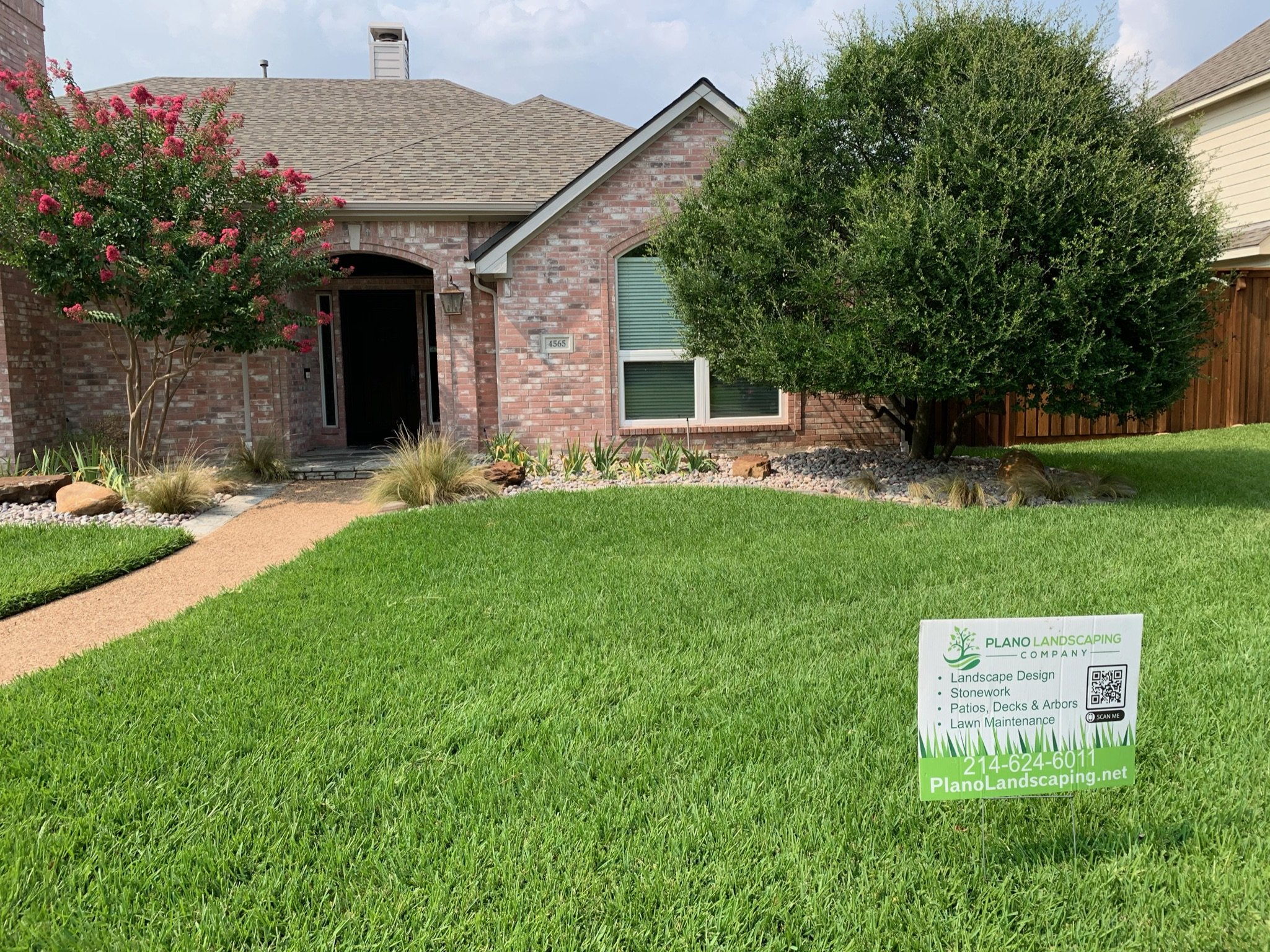
Prep the base
Thorough vegetation and debris removal reduces the chance of existing weed roots or seeds continuing under the new turf.
Seal the seams
Dense, tight strip placement limits exposed soil and reduces pathways for weed seedlings.
Water evenly
Consistent irrigation coverage helps sod establish uniformly, which crowds out weeds naturally over time.
Main Things Customers Should Understand
Professional sod installation is not just rolling out turf. It is a controlled system: remove what is in the way, build a stable base, install with care, and set up watering so roots knit into the ground. When any step is skipped, weeds often appear first in the weak spots.
Professional observation: The fastest way to “reduce weeds later” is to prevent exposed soil at seams and edges during installation. That means careful grading, tight strip layout, and proper base preparation.
1) Vegetation and old landscaping removal
If existing weeds or turf are left behind, they can keep growing under or through the seams. For many Plano yards, weed problems start after renovations where old landscaping is disturbed but not fully cleared. If you are updating a lawn area, consider pairing sod installation with landscape removal so the sod sits on a clean, consistent surface.
2) Base grading and compaction
Weeds love conditions that stress grass. Inconsistent grade creates dry pockets or standing water, both of which can weaken sod. A trained installer will grade so the lawn drains properly and compact the base enough to prevent settling that later opens seams. Even small dips can become repeat weed zones after mowing and irrigation.
3) Tight strip placement and seam control
When sod strips do not fit tightly, seams create exposed soil and micro-gaps. Those gaps are where weed seedlings can germinate. A careful installation pattern also helps prevent “lawn lines” that appear as thin strips, which are easier for weeds to invade.
4) Irrigation setup for establishment
In Plano, TX, irrigation performance matters because establishing sod requires steady moisture until roots anchor. Dry areas create weak turf that weeds move into quickly. If your sprinkler system coverage is uneven, the lawn can look patchy even if the sod itself is healthy. If you are coordinating irrigation changes, review sprinkler installation and irrigation so watering supports uniform growth.
5) Edges, borders, and transitions
Weeds often begin along borders where turf meets mulch beds, pathways, or hardscapes. Keeping clean transitions reduces the chance of soil exposure. If your project includes hardscape edges or new lawn boundaries, it can help to plan the full landscape layout, including landscape installation, so the sod and surrounding elements match up cleanly.
Why This Matters in Plano, TX
Plano’s weather swings mean your sod establishment window can feel unpredictable. If irrigation coverage is off or grade is inconsistent, the lawn can dry out in one area while another stays too wet. Those stress patterns are exactly where weeds take advantage. In a Collin County yard, you may also see weeds concentrate around older property edges, where previous landscaping disturbed the soil. By using a professional approach to sod installation, you reduce those pressure points so the grass can fill in evenly across your Plano, TX property.
Practical recommendation: If you are replacing an older lawn, ask your installer how they will handle edges and seams, and whether they are coordinating irrigation coverage so the sod establishes uniformly across the entire project area.
| What you are seeing | Most likely installation cause | What to do next (practical) |
|---|---|---|
| Weeds appear along seams | Gaps between strips or settling that exposes soil | Inspect seam alignment and grade; correct low spots and adjust watering coverage so turf fills in evenly. |
| Weeds appear near driveway or fence lines | Edges not sealed cleanly or soil exposure at transitions | Revisit edge details and adjust the boundary between sod and adjacent materials/landscape areas. |
| Patches look thin or dry | Irrigation coverage is uneven during establishment | Check sprinkler head placement and run-time patterns so moisture reaches the entire sod area consistently. |
| Weeds show up in low spots | Poor drainage and inconsistent base prep | Address grading and base stability so water does not linger and weaken the lawn. |
Need help planning sod installation that reduces weed problems?
Plano Landscaping Company can help you think through prep, installation details, and irrigation coordination for a lawn that establishes evenly. If you want to talk through your project in Plano, TX, contact us.
Call (214) 624-6011Common Mistakes to Avoid
Most weed issues are preventable. Here are the mistakes we often see when sod is installed without the right process or when key steps are rushed.
Skipping thorough landscape removal
If old turf, roots, or debris are left behind, weeds can continue underneath and show up after the sod settles.
Grading only “good enough”
Small low spots can create long-term thin areas. Those become repeat weed zones after watering and mowing.
Leaving visible seams
Loose seams expose soil. Even if the lawn looks great at first, weeds can move into gaps as the lawn matures.
Overwatering or underwatering during establishment
Irrigation problems often show up as patchy growth. Patchiness gives weeds a chance to establish in the weakest areas.
Not coordinating sod with hardscape edges
If driveways, pathways, or borders do not align with the sod layout, the edges can develop soil exposure over time.
Ignoring long-term landscape maintenance
Weed control is not only about installation. Consistent lawn care maintenance helps keep turf dense so weeds struggle to compete.
Customer Checklist
Use this checklist during planning and installation to reduce weed risk. If a detail is unclear, ask how it will be handled for your Plano, TX yard.
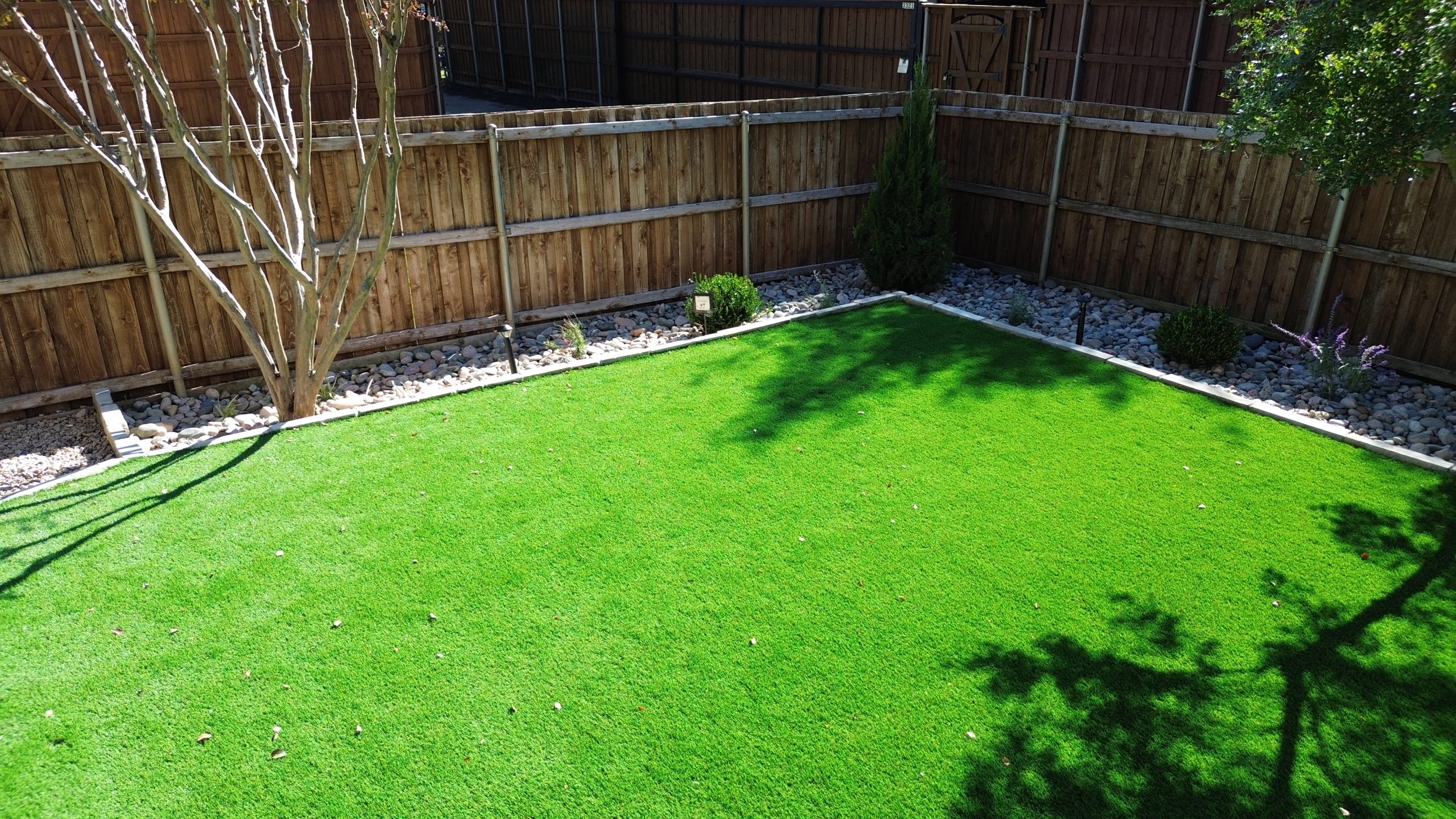
- Vegetation and debris are removed thoroughly before the base is built.
- The site is graded to support consistent drainage across the entire sod area.
- The installer confirms the base is stable so sod will not settle and open seams.
- Sod strips are placed tightly with minimal gaps and seams.
- Edges and transitions (beds, fences, driveways) are planned to prevent soil exposure.
- Irrigation coverage is reviewed so the sod receives even moisture during establishment.
- You receive clear guidance for the first weeks of care so the lawn can knit in.
Representative Scenario
A homeowner in Plano, TX had sod installed after updating a narrow side yard. The first mowing looked great, but small weed pockets appeared quickly along the seam lines where strips met and near the border where the lawn met a mulch edge. After inspection, the issue was not the sod itself. The base had minor settling, and the seam edges had slight soil exposure. By addressing grade stability and adjusting watering coverage, the turf filled in more uniformly, and the weed pockets stopped expanding.
Frequently asked questions
Can weeds grow through new sod?
Yes, weeds can appear after sod installation, but it is usually tied to weak points like exposed soil at seams, uneven grade, or irrigation coverage problems. When grass is thin in a small area, weed seedlings can establish quickly. The best prevention is careful installation: remove existing vegetation and debris, grade for consistent drainage, place sod tightly, and ensure the watering plan supports even establishment.
What part of sod installation matters most for weed prevention?
Site prep and seam control are often the biggest drivers. Thorough landscape removal reduces what can continue growing underneath. Proper grading and stable base prep helps prevent settling that opens seams over time. Tight strip placement limits exposed soil where weeds can germinate. If you have recurring weed lines, focus your troubleshooting on seams, edges, and drainage patterns first.
Does irrigation affect weed growth after sod installation?
Absolutely. Sod establishes best when moisture reaches the entire lawn consistently. If some areas stay too dry, the turf can thin out, which gives weeds an opening. If other areas stay too wet due to poor drainage or inconsistent coverage, the lawn can also weaken. Coordinating sprinkler system installation and irrigation settings helps reduce patchiness and supports a denser lawn that crowds out weeds naturally.
How long should it take for sod to “fill in” and reduce weeds?
Sod typically needs time to root and knit into the soil. As roots anchor and growth becomes uniform, the lawn becomes denser, which makes it harder for weeds to compete. The timeline varies based on site conditions and watering consistency. If weeds are already appearing in specific zones, treat the underlying cause first, such as gaps, settling, or uneven moisture, rather than only focusing on surface-level weed control.
Can professional landscaping help beyond sod installation?
Yes. Weed prevention is easier when the entire landscape plan supports healthy turf. If you are also updating borders, beds, or pathways, coordinating the full landscape installation helps prevent soil exposure and improves transitions. Plano Landscaping Company also supports related work like pathway installation and other outdoor improvements that can help keep edges clean and stable.
Ready to reduce weed risk before it starts?
If you are planning sod installation in Plano, TX, a professional installation process can help you avoid the common seam, drainage, and irrigation issues that lead to recurring weeds. Call Plano Landscaping Company today to discuss your project details.
Schedule sod installation
About Plano Landscaping Company
Plano Landscaping Company provides landscaping services for homeowners and property managers in Plano, TX and across Collin County, TX, with a focus on professional sod installation and related outdoor improvements that support healthier lawns and cleaner transitions.