
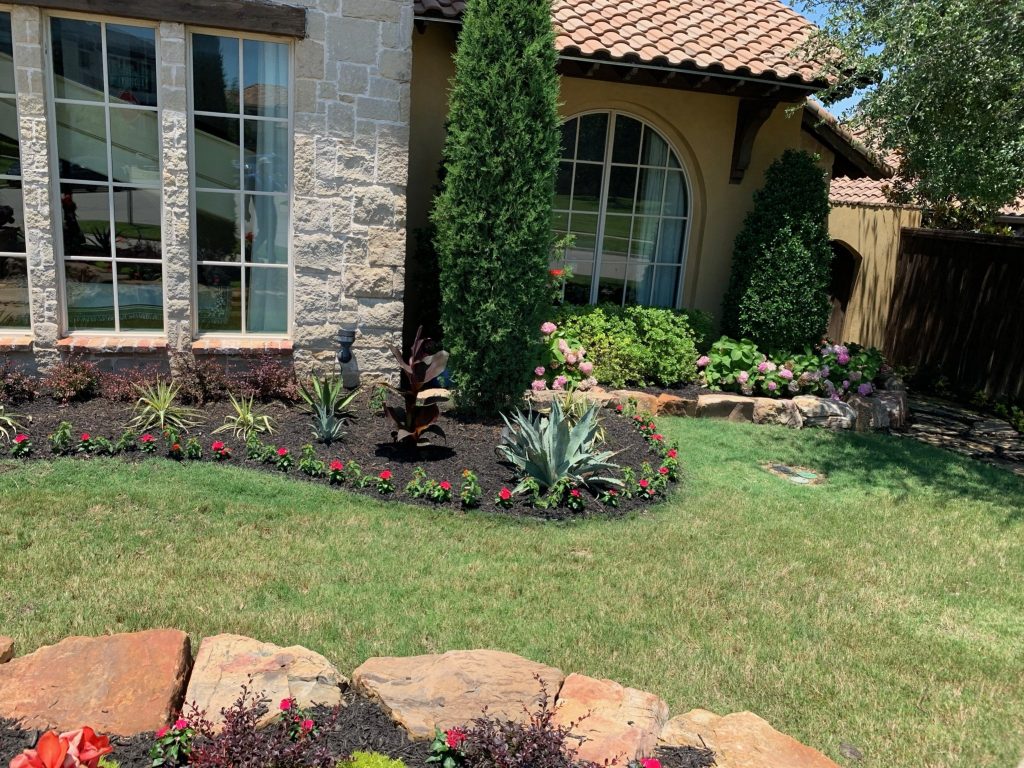
Landscape Removal Versus Trimming: Which Helps More?
If your yard in Plano, TX looks “overgrown” but you are not sure whether to cut back plants or remove old landscaping entirely, this guide will help you decide what makes the most sense. You will learn how to spot the difference between trim-worthy growth and removal situations that affect drainage, walkways, and new installation plans.
If you have lived with the same foundation shrubs and edging for years, you may have noticed the same problem: plants keep growing, but the bed lines look messy and the yard feels harder to maintain. Then spring or early summer rolls around, and you wonder whether trimming will fix it or if it is time for landscape removal.
In Plano, seasonal heat and fast plant growth can make “just trim it” feel tempting. But some issues, like compacted soil, blocked drainage, or worn-out borders, do not fully resolve with trimming alone.
This guide will help you compare trimming versus removal using practical signs you can see from the sidewalk, plus what to consider before you plan new landscaping services.
- Quick answer
- What to check first
- Main things customers should understand
- Why this matters in Plano
- Common mistakes to avoid
- Customer checklist
- Frequently asked questions
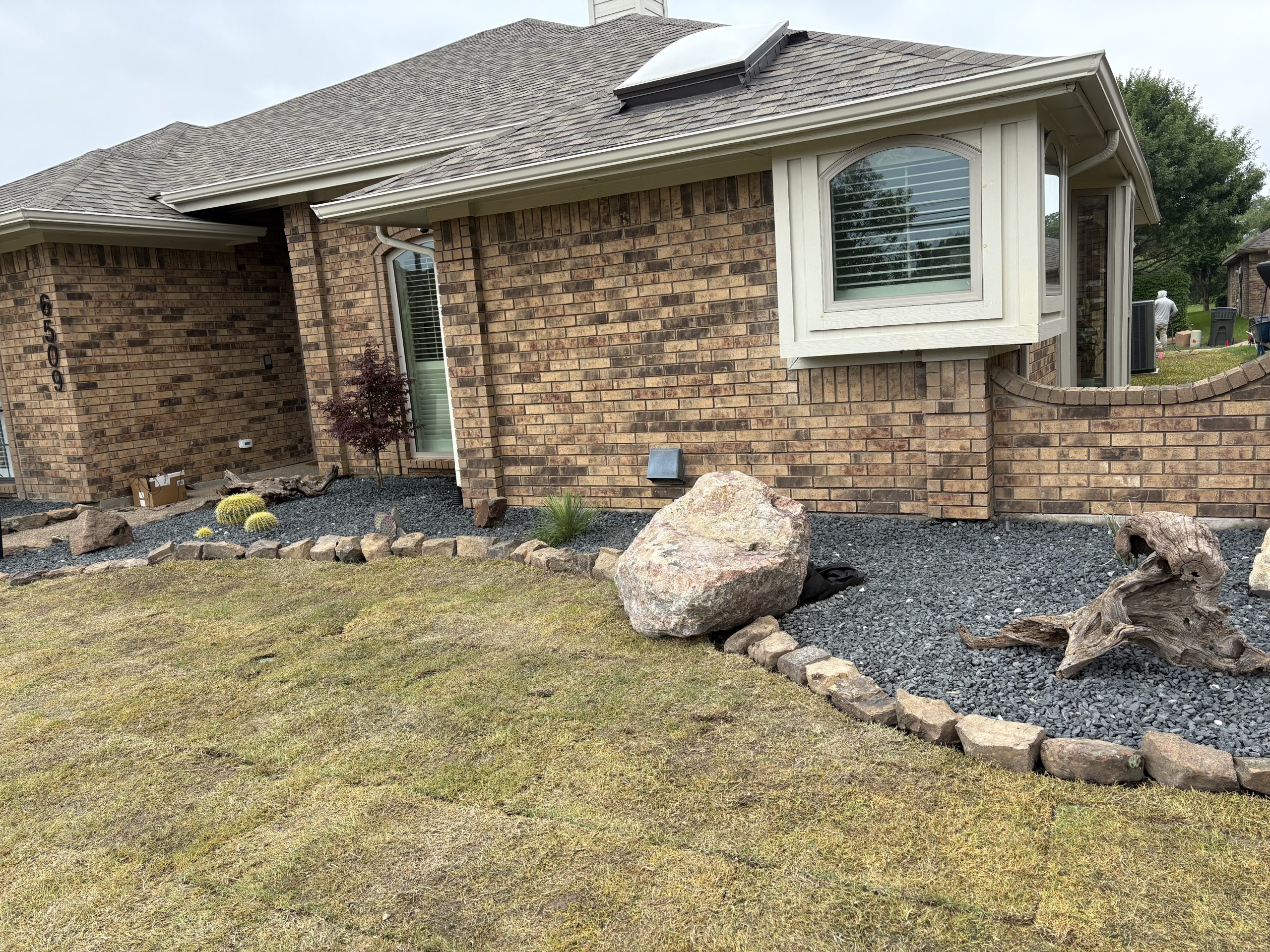
Quick Answer
Trimming helps when the plants are still healthy and you only need shape, cleanup, or light control of size. Removal is usually the better move when beds are failing, plants are crowding out drainage, old edging is broken, or you want to reset the layout for new landscaping. If you are planning updates like new landscape installation, paver patio installation, or sprinkler system installation, removal often creates a cleaner foundation for the work. When in doubt, start by checking soil and drainage around the affected areas, then choose trimming or yard removal services based on what is actually causing the problem.
What to Check First
Before you decide between trimming and landscape removal, walk the perimeter of your home and look for three practical clues: plant health, bed structure, and water behavior. Healthy shrubs that respond to pruning generally do not need to be taken out. But if the bed edges are sinking, mulch is washing away, or water pools after rain, trimming may not solve the root issue.
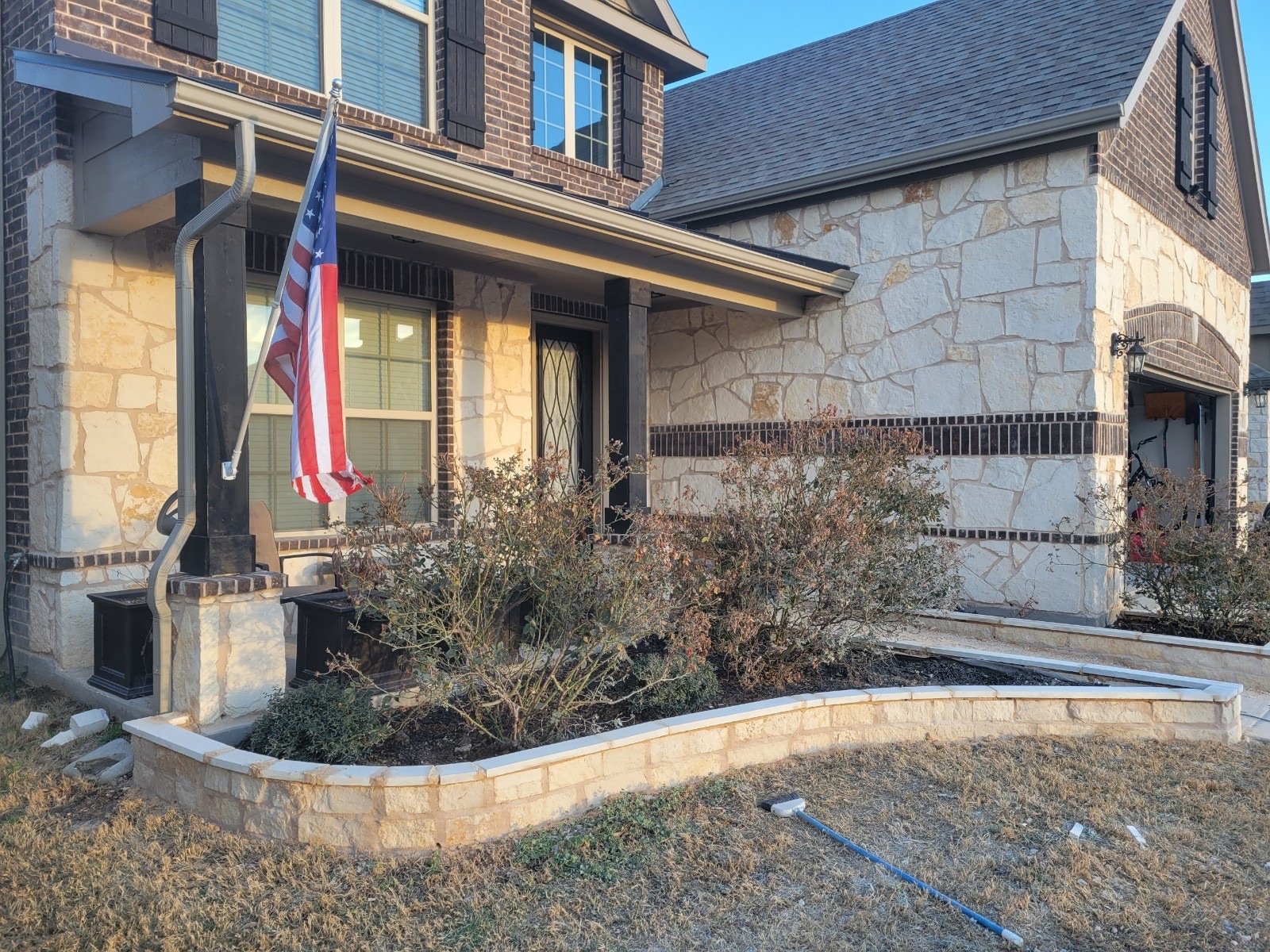
Next, consider your near-term plan. If you are moving toward new landscaping, it is easier to remove old growth and reset lines than to try to work around overgrown areas. You can also review related services such as landscape removal and landscape installation to see how removal fits into a complete refresh.
Trim is likely the fix when…
Plants look alive (leafing out normally), the bed lines are mostly intact, and you mainly need cleanup, shape, or size control.
Common examples include landscape trimming for shrubs and hedges, and periodic shrub trimming to keep pathways usable.
Removal is often the better move when…
Areas feel unstable (sinking edging, broken borders) or water does not drain well. Old plantings that have become tangled or weak usually do not “bounce back” with pruning.
This is where yard removal services and old landscaping removal can help you reset the space.
A hybrid approach might fit best when…
You want to keep a few established plants but need to remove sections to improve access, drainage, or installation lines for new features.
For example, you may trim what stays and remove what blocks new outdoor living spaces.
Main Things Customers Should Understand
The right choice depends on what problem you are actually solving. Trimming changes appearance and can reduce size, but it cannot fix damaged bed edges, compacted soil layers, or chronic drainage issues. Removal, on the other hand, gives you a blanker slate for new mulch, soil work, irrigation adjustments, and clean installation lines.
Professional observation: If water repeatedly collects near a foundation or along a walkway, trimming alone usually disappoints. In many Plano yards, the “overgrown” look is also hiding a drainage or soil structure problem that needs a reset before anything else improves.
A decision table you can use
| What you are seeing | Most likely best option | Why it matters |
|---|---|---|
| Plants are healthy but too large or messy | Trimming (landscape trimming / hedge trimming) | Pruning can restore shape and make the bed look intentional again without disrupting the soil. |
| Bed edges are broken, uneven, or sinking | Removal (yard removal services) plus re-install | Broken edging often signals movement in the bed base, which can keep re-creating a messy look after trimming. |
| Water pools or runs off in the same spot | Removal or drainage reset planning | Trimming does not change how water moves through soil layers and grade. |
| You plan new installation (pavers, pergola, paths) | Removal before new landscape installation | Clean site prep helps installers build accurate base lines and avoid working around old roots and dense growth. |
| Plants are thin, dying back, or overcrowded | Removal or partial replacement | When a bed is beyond simple cleanup, resetting plant material often looks better long-term. |
Where trimming usually fits
In Plano, trimming is a great starting point when you want a faster visual improvement and your plants still have good structure. Shrubs can be thinned for airflow, hedges can be shaped to keep them from swallowing small walkways, and foundation plantings can be rebalanced so the yard looks tidy again.
If you want to pair trimming with maintenance that keeps beds looking sharp, consider lawn care maintenance so your yard stays consistent after you prune.
Where removal usually fits
Landscape removal becomes the better choice when old planting areas are preventing improvements. Examples include old growth that is too dense to access for drainage work, edging that has failed, or sections that need to be cleared to make room for paths, outdoor structures, or new irrigation lines.
If you are planning irrigation changes, removal can also help protect and route components more cleanly. You can explore sprinkler installation and irrigation to understand how site prep and bed layout affect sprinkler performance.
Why This Matters in Plano
Plano yards often face the same seasonal pattern: fast growth in warmer months, followed by periods where water management becomes more noticeable. When beds have been “maintained” for years through trimming alone, the structure underneath can still be the problem. That is why homeowners in Plano sometimes see the yard look good briefly after pruning, then quickly shift back to the same messy or uneven look.
From a local perspective, the best results usually come from matching the approach to the cause. If the issue is mainly plant size and shape, trimming restores the look. If the issue is bed base, edging failure, or drainage behavior, yard removal services and a reset typically produce a more stable outcome.
Local tip: If you are dealing with overgrown beds near patios, walkways, or foundation edges, plan your approach around how water travels during and after storms. That single factor often determines whether trimming will be enough or whether removal creates the foundation for something better.
Ready to decide between trimming and removal?
Plano homeowners can get a clearer plan by starting with what your yard needs most: shape control, a drainage-aware reset, or full landscape removal before new installation.
Explore Landscape RemovalCommon Mistakes to Avoid
Most trimming frustrations are not about tools or effort. They come from choosing trimming when removal (or at least a partial reset) is the real need. Here are a few common mistakes to watch for in Plano, TX.
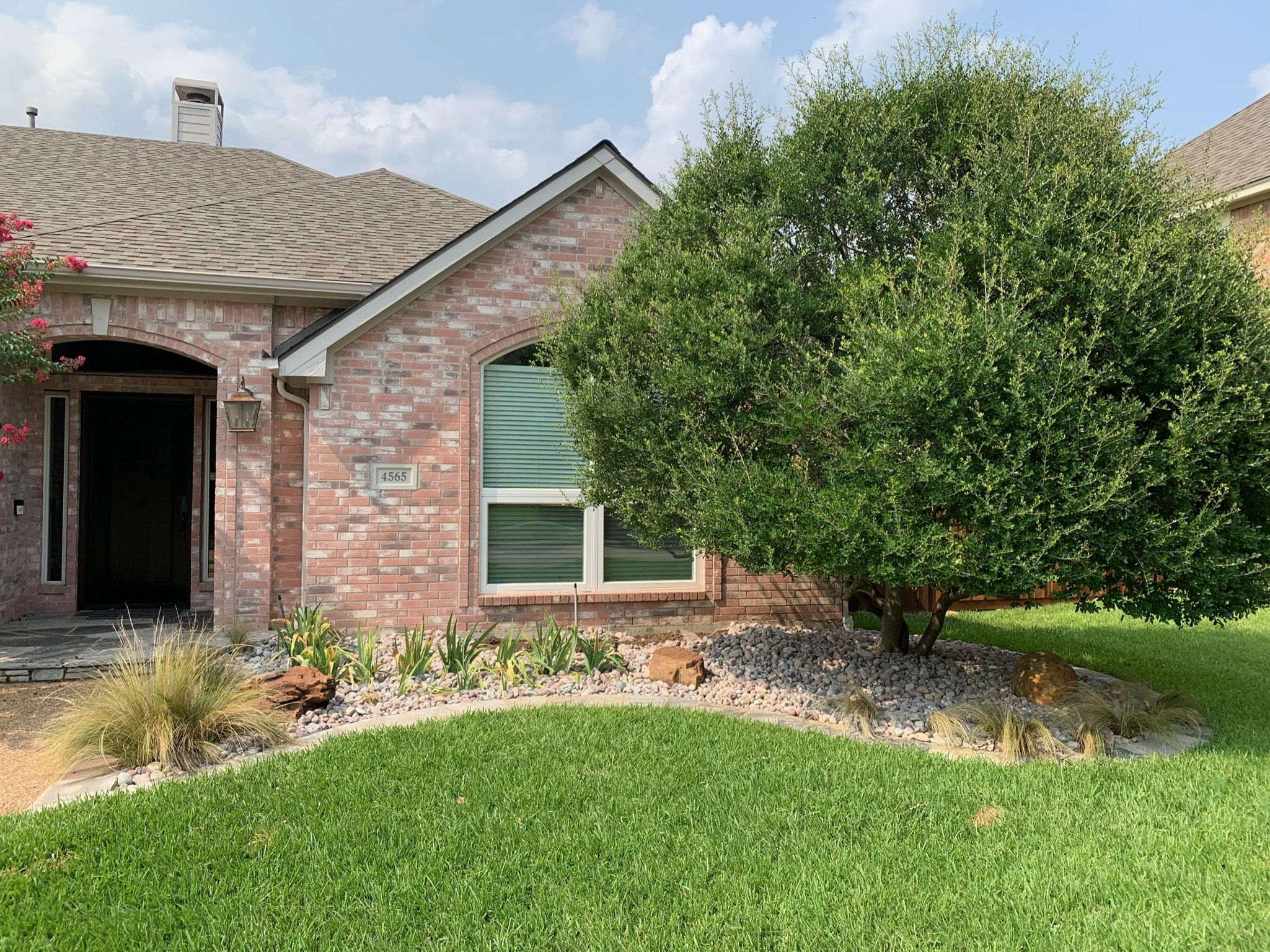
- Pruning back heavily without checking whether the plant is already stressed or thinning.
- Assuming “it looks overgrown” means the solution is always landscape trimming, even when bed edges or grade are the real problem.
- Waiting to plan removal until after you buy materials for new outdoor living spaces, which can lead to extra site work.
- Trying to keep old edging and roots when you are aiming for paver patio installation or new hardscape lines.
- Ignoring water behavior around the area, especially near pathways or drainage routes.
Customer Checklist
Use this quick checklist to decide which direction to take. If more than a couple items point toward “reset,” removal is usually the smarter first step.
- Do the plants show healthy growth and leafing, or do they look sparse and struggling?
- Are bed edges level and stable, or are they sinking or breaking apart?
- After rain, does water pool, run off fast, or consistently collect near the same spot?
- Are you planning any new work such as landscape installation, irrigation installation, or outdoor structures?
- Will trimming alone restore a clean bed line and allow access to walkways?
- Would you prefer a reset layout now so the next season looks intentional?
Representative Scenario
A homeowner in Plano noticed shrubs near the front walkway had become overgrown and the mulch bed looked messy. They started trimming to regain shape, but water still seemed to collect at the bed edge after storms. After a closer look, the bed border had begun to fail and the area needed a reset so drainage could behave correctly. The best path was a partial yard removal approach, then re-establishing the bed lines for a cleaner, more maintainable look.
Frequently asked questions
Will trimming fix an area that keeps looking messy every season?
Sometimes, but not always. Trimming can improve shape and reduce overgrowth, which helps the yard look neater. If the bed base is unstable, edging is broken, or water behavior consistently washes mulch or shifts soil, the messy look often returns quickly. In those cases, landscape removal or a partial reset usually creates a more durable outcome, especially when you plan new landscaping or hardscape work.
How do I know if I should remove old landscaping instead of just cutting it back?
Look for signs beyond plant size. If shrubs are thinning, bed edges are sinking, or you see repeated pooling or runoff near the affected area, trimming may not address the root cause. Removal is also a good idea when you are preparing for landscape installation, paver patio installation, or irrigation changes, because it clears old growth and helps installers build accurate lines.
Can I do a hybrid plan that includes both trimming and removal?
Yes. Many Plano properties benefit from keeping a few established plants while removing sections that are overcrowded, failing, or blocking improvements. A hybrid approach can reduce disruption while still solving the problem areas. It is also a practical way to manage budgets by focusing removal where it matters most, then trimming what stays so the overall bed looks cohesive.
Does timing matter in Plano, TX for trimming versus removal?
Timing can affect how plants respond and how quickly the yard looks presentable. Trimming is often used to clean up and shape beds during active growth periods. Removal and resets are typically planned around your broader landscaping schedule, especially if you are coordinating installation like irrigation installation, pathways, or outdoor living spaces. A site review helps match the approach to your goals and schedule for the current season.
What should I do first if I’m planning irrigation improvements?
If you want irrigation changes, start by evaluating how the bed layout and plant placement affect sprinkler coverage. In many cases, clearing or removing older, overgrown sections makes it easier to route or adjust sprinkler systems. That is one reason property owners often consider landscape removal alongside sprinkler system installation. It can reduce the chance of reinstalling overgrown areas that later need more cleanup.
Get a clear recommendation for your Plano yard
If you want the simplest next step, share what you are seeing: overgrown shrubs, sinking bed edges, recurring water spots, or a planned landscape refresh. Plano Landscaping Company can help you choose trimming, removal, or a hybrid approach that fits your property and timeline.
Call (214) 624-6011
About Plano Landscaping Company
Plano Landscaping Company provides landscaping services for homeowners and property owners across Plano, TX and Collin County, TX. Our team focuses on practical site solutions, including landscape removal, landscape installation, irrigation installation, and ongoing landscape maintenance to help your outdoor space look better and work the way it should.