
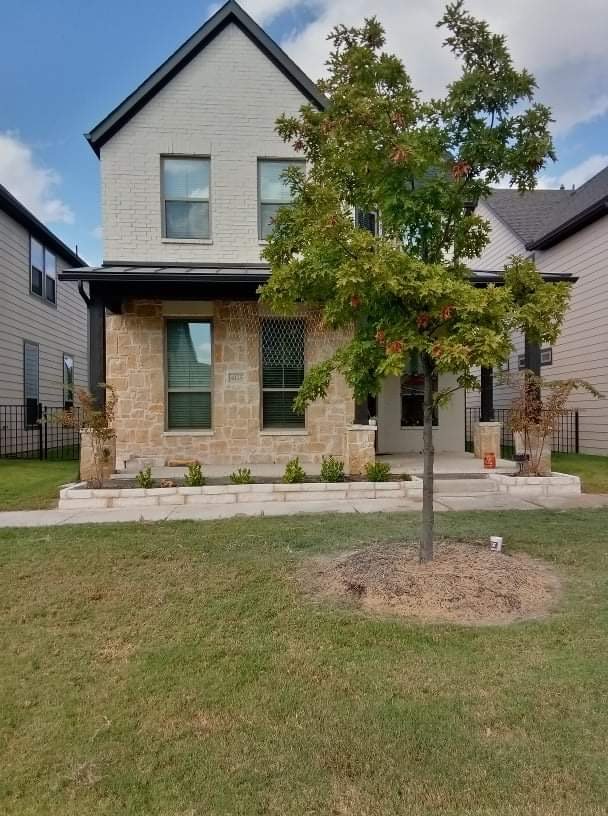
Lawn Care Maintenance Costs and Value in Plano Texas
If your lawn in Plano has started to look uneven, patchy, or overly thirsty, you are probably wondering what “maintenance” really costs and what you get back when it is done consistently. This guide breaks down the main cost drivers, how to protect value through the seasons, and what to prioritize so your yard looks sharp without overspending.
Last summer, you might have kept up with mowing, but now the lawn in your Plano yard looks thin in some spots and heavier in others. Or maybe you are noticing your irrigation run times do not seem to match what the grass needs, and you are worried you are paying for water and labor without getting results.
Lawn care maintenance costs are not one single number. They depend on what your property already has, what is going wrong, and how many “fixes” are needed to keep everything looking consistent. This guide helps you understand what usually drives lawn care maintenance pricing and where value shows up, especially in Plano’s changing spring and summer conditions.
- Quick answer
- What to check first
- Main things customers should understand
- Why this matters in Plano
- Common mistakes to avoid
- Customer checklist
- Frequently asked questions
Quick Answer
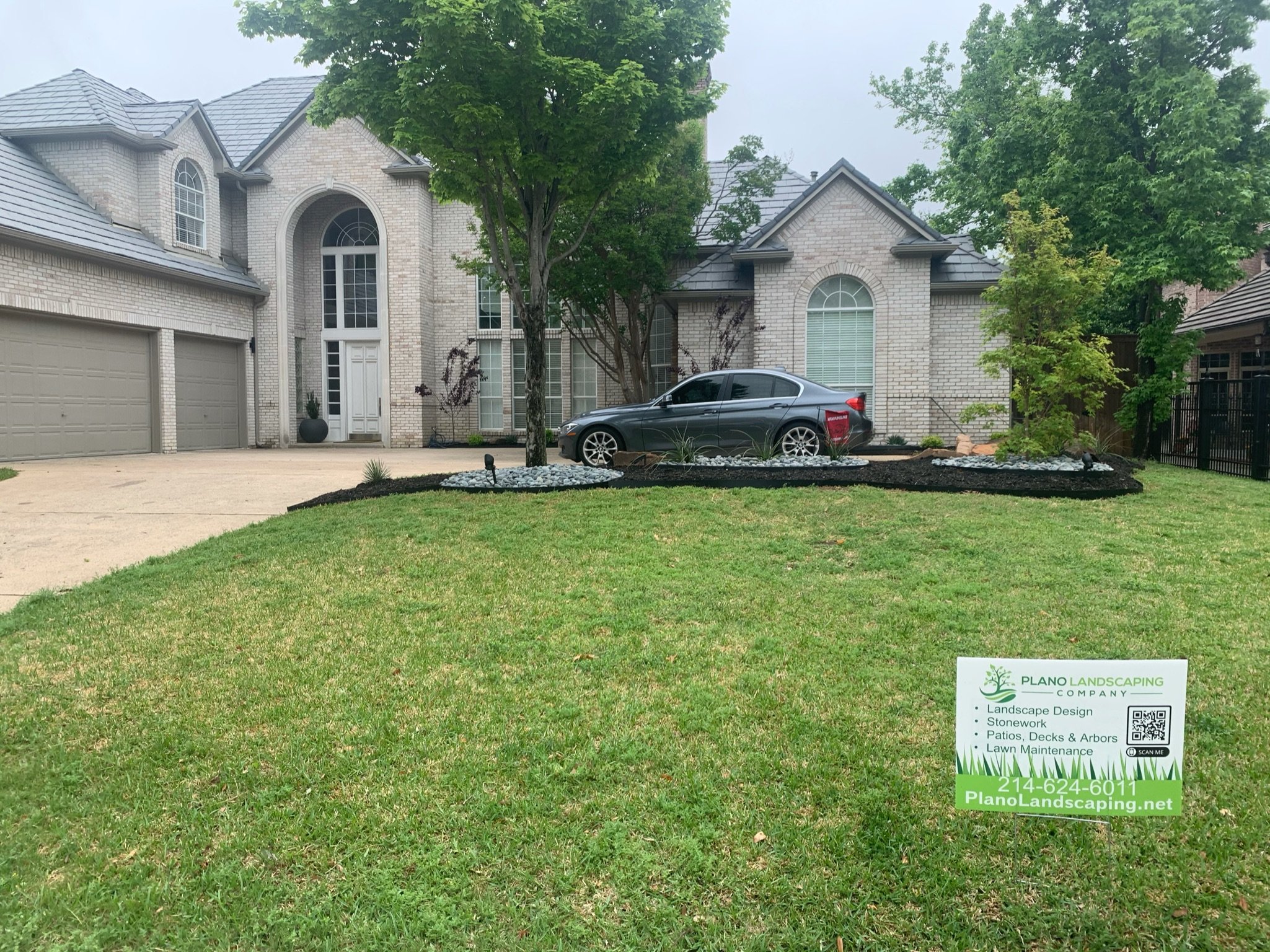
In Plano, lawn care maintenance costs usually rise when the yard needs more than routine mowing, such as edging, trimming, seasonal cleanup, and irrigation adjustments. You get the most value when maintenance is consistent and matches your property’s needs, because it prevents small issues from turning into larger repairs. Start by checking mowing height, trimming coverage, and whether your irrigation is functioning evenly. Then prioritize a maintenance plan that keeps the lawn uniform and the landscaped areas looking intentional. If you are unsure where the problem starts, have a local landscaping team assess your lawn and irrigation together.
What to Check First
Before you compare maintenance pricing, walk your Plano property and identify what is actually off. Uneven growth can point to irrigation coverage gaps, compacted areas, or simple timing issues with routine care. Trimming and landscape edges also matter because they change how the lawn “reads” visually, even when grass quality is similar.
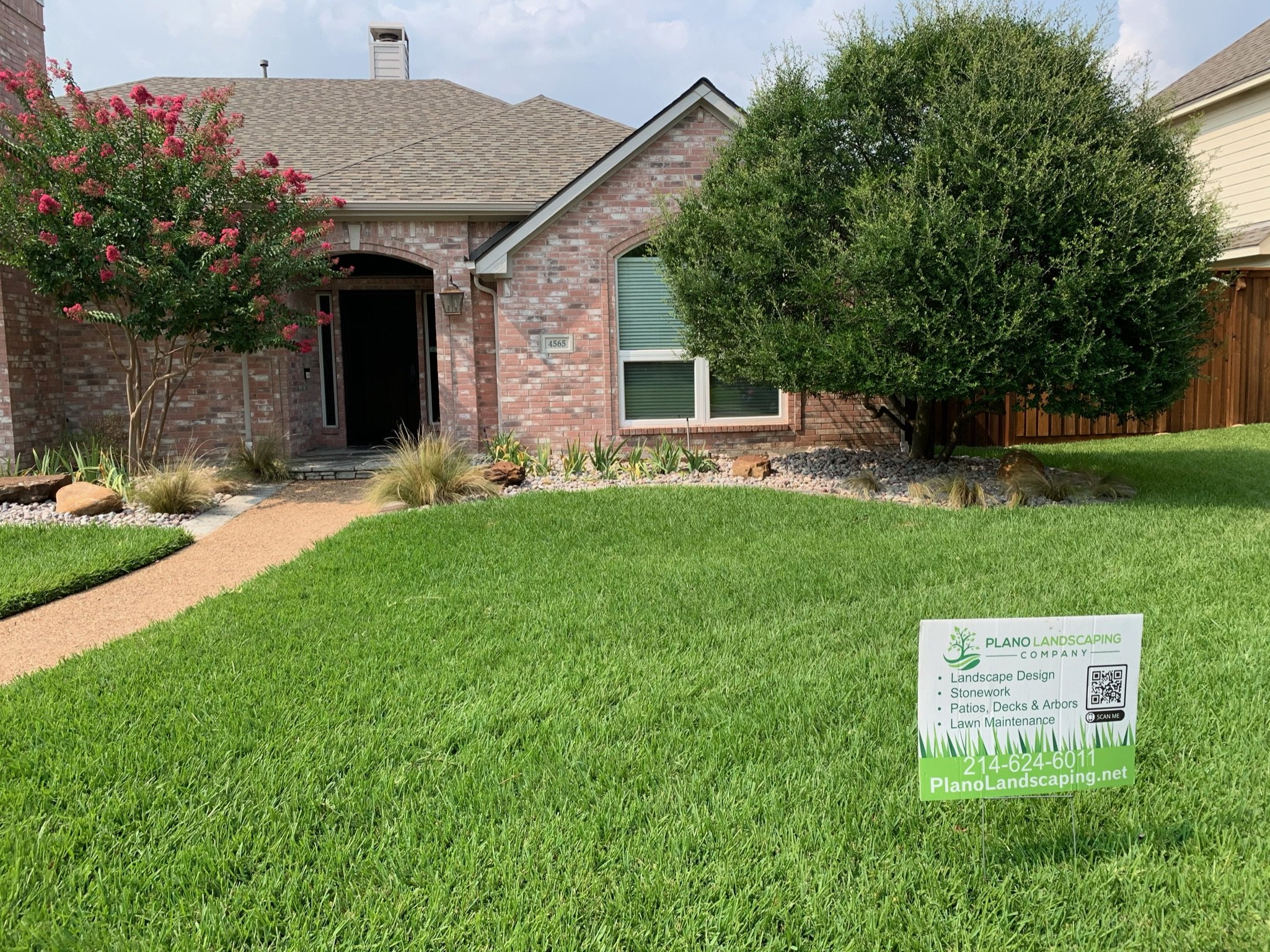
Professional observation: In many Plano yards, the “maintenance problem” is really an irrigation coverage or edging problem. When those are corrected, the lawn looks healthier without increasing effort as much.
Start with three quick checks:
- Mowing consistency: Look for scalping, uneven height, or missed patches that suggest the schedule is not matching growth.
- Edge clarity: If sidewalks, beds, and driveways look fuzzy, the lawn can look worse than it is. Regular trimming keeps the yard looking intentional.
- Water distribution: If some areas stay greener than others or dry out faster, your sprinkler system may need adjustments or repairs.
Landscape maintenance focus
If your yard includes beds, shrubs, or mulched areas, maintenance often includes lawn care maintenance plus the surrounding details that keep everything looking clean.
Irrigation alignment
If water patterns look uneven, it can affect lawn health and increase the feeling that you are “paying twice.” Review your setup with sprinkler system installation and irrigation.
When removal is part of the fix
Sometimes the best value comes from starting clean, especially when old material is holding weeds or leaving uneven surfaces. Learn about landscape removal if your yard needs a reset.
Main Things Customers Should Understand
Lawn care maintenance costs in Plano typically depend on what you are trying to maintain and how much correction is needed. Routine maintenance costs less than catch-up work, and the difference shows up in how fast the lawn returns to a consistent look. Below are the main factors that affect both cost and value.
| Factor | What it means for your yard | How it impacts cost | Where value shows up |
|---|---|---|---|
| Yard condition | Whether the lawn is even or needs catch-up work | More uneven areas usually require more labor and time | A uniform look that holds through the season |
| Irrigation performance | Even coverage across lawn zones and landscaped beds | Repairs or adjustments can add one-time costs | Better grass consistency and less wasted effort |
| Edging and trimming | How crisp beds and lawn edges look | More frequent cleanup usually means smoother maintenance | The yard looks “finished” even when growth varies |
| Seasonal timing | Scheduling care around growth spurts | Missed windows can lead to higher catch-up work | Fewer surprises and steadier results |
| Property layout | Slopes, obstacles, bed shapes, and access | Complex yards take more time and planning | Reduced backtracking and more reliable coverage |
Firsthand-style observation: In real Plano visits, the yards that look best after maintenance are usually the ones where the owner matches the schedule to growth and keeps the edges cleaned up. The lawn may be similar in “potential,” but the finished appearance comes from ongoing detail work.
Why This Matters in Plano
Plano’s seasonal shifts can make lawns grow fast and then slow down, and the landscaped edges are what you notice most from the street. When maintenance is aligned with what your yard is doing, you avoid the all-too-common cycle of mowing, then waiting too long, then needing extra cleanup to restore a clean look. If your property includes additional hardscape or landscape features, maintenance value also depends on how those areas drain and stay tidy, since water movement can affect nearby grass performance.
If your yard includes irrigation zones that do not match the way the lawn and beds sit, you may see dry pockets or consistently over-watered areas. Pairing lawn care with a review of irrigation details can reduce frustration and keep your maintenance plan from feeling like it is always “catching up.” When the bigger layout needs attention, you can also explore how landscape installation choices influence long-term upkeep.
Get a maintenance-focused assessment for your Plano yard
If you are trying to budget lawn care maintenance without guessing, a quick review can help identify what needs routine care versus what needs correction first.
Contact Plano Landscaping CompanyCommon Mistakes to Avoid
Many homeowners in Plano spend more than they planned because of a few predictable patterns. Avoiding these issues can make your maintenance dollars go farther, even if your yard needs ongoing care.
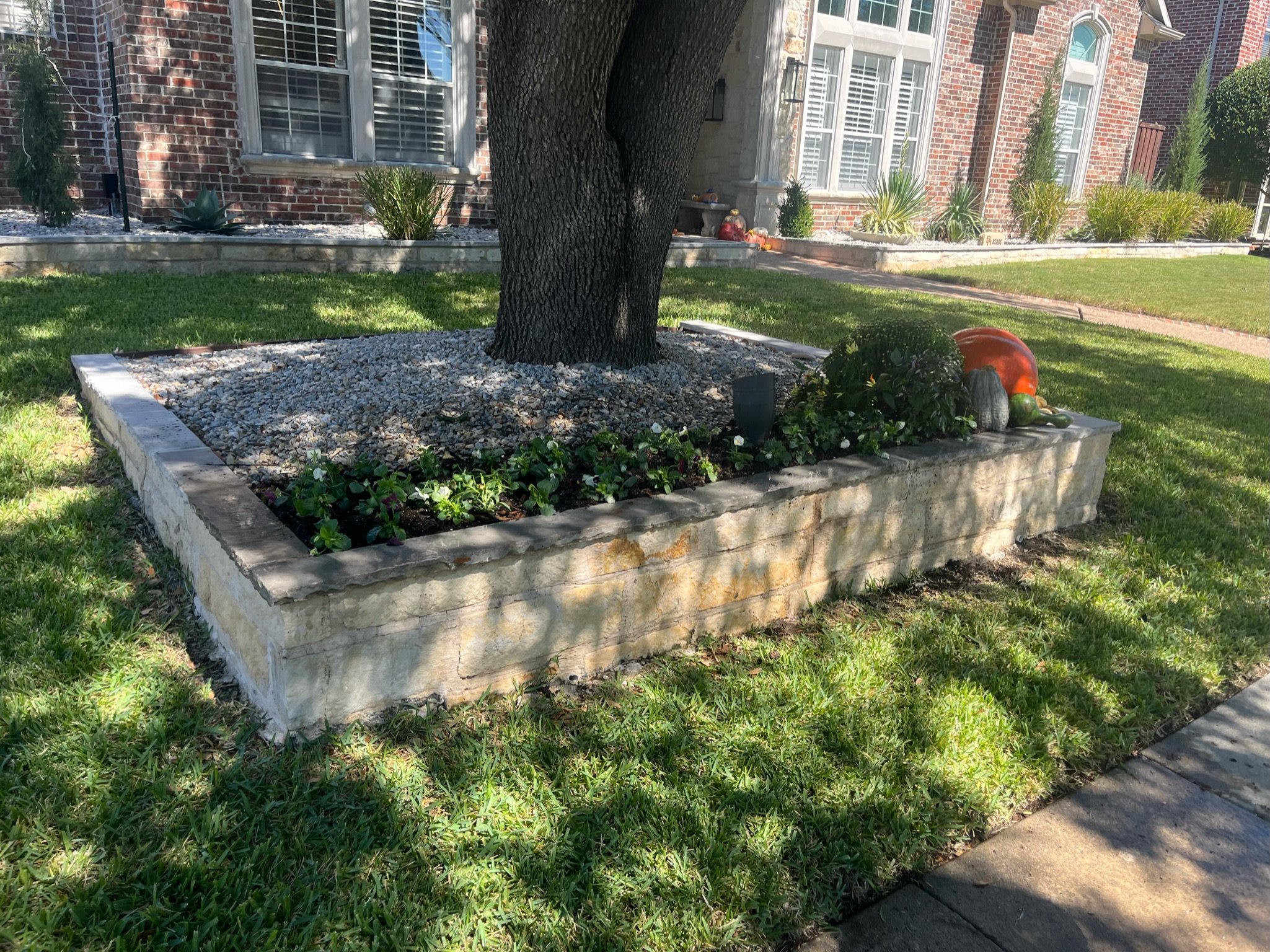
- Waiting too long between cleanups: Edging and trimming build up quickly, and the “fix” becomes harder when it is delayed.
- Assuming uneven grass is only a mowing issue: Water coverage and irrigation problems can mimic nutrient or growth problems.
- Overwatering to “solve” patchiness: Patchy areas often need the root cause addressed, not just more water.
- Ignoring bed lines and transitions: Even healthy lawn looks unkempt when the boundaries are not maintained.
- Skipping a yard reset when needed: If old landscaping is creating ongoing problems, landscape removal can be the value-first step.
Customer Checklist
Use this checklist before you schedule or approve maintenance in Plano. It helps you ask the right questions, compare proposals fairly, and understand what “good” looks like after service.
Before service
- Mark areas that look thin, patchy, or consistently dry.
- Walk edges near sidewalks, driveway borders, and beds.
- Note any sprinkler heads that appear misaligned or clogged.
During service
- Confirm mowing height choices and whether the yard is leveled visually.
- Check that trimming includes beds and hard-to-reach areas.
- Ask whether irrigation coverage changes are recommended.
After service
- Look for crisp transitions between lawn and landscaped areas.
- Verify the yard looks consistent from the street and driveway.
- Keep notes for the next visit so maintenance stays targeted.
Representative Scenario
A Plano homeowner notices that the front lawn stays greener near the sidewalk but looks dull in a strip closer to the curb. The backyard also shows uneven growth after watering. Instead of increasing mowing frequency and hoping it fixes the look, they request a review of irrigation coverage and edge detail. After adjustments and consistent trimming, the lawn appears more even, and the maintenance plan feels more predictable because the “problem zones” are addressed directly.
Frequently asked questions
If you are budgeting lawn care maintenance in Plano, these questions come up most often. The answers below focus on practical decisions rather than guesswork.
What usually drives lawn care maintenance costs up in Plano?
Does irrigation affect how expensive maintenance feels?
How can I get more value from regular lawn care instead of spending more?
When should I consider landscape removal or a reset?
What is the best first step for a homeowner who is unsure where costs are coming from?
Ready for a Plano lawn care plan that protects your budget?
Plano Landscaping Company can help you sort out what your yard needs now versus what can wait, so your maintenance dollars support lasting curb appeal.
Call (214) 624-6011
About Plano Landscaping Company
Plano Landscaping Company provides landscaping services for homeowners and property managers in Plano, TX and across Collin County, TX. From lawn care maintenance to irrigation and landscape installation, the goal is simple: help your outdoor spaces look clean, stay consistent, and be easier to maintain season after season.